


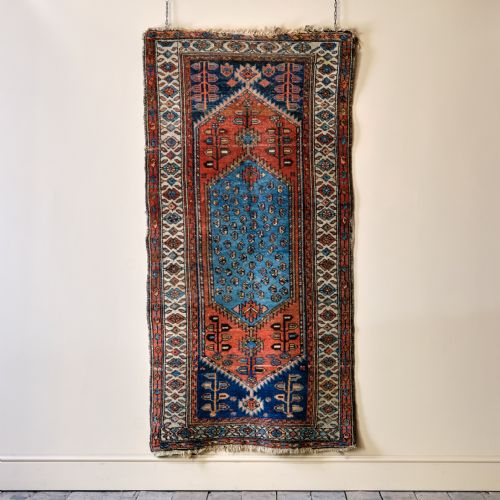


Caucasian Pattern Rug
A caucasian pattern rug brings geometric punch and rich regional weaving traditions straight to the floor.
Caucasian Pattern Rug
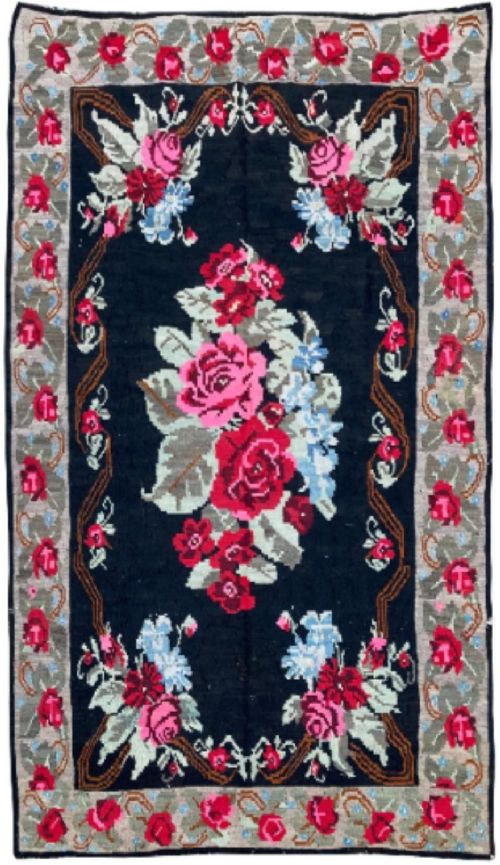
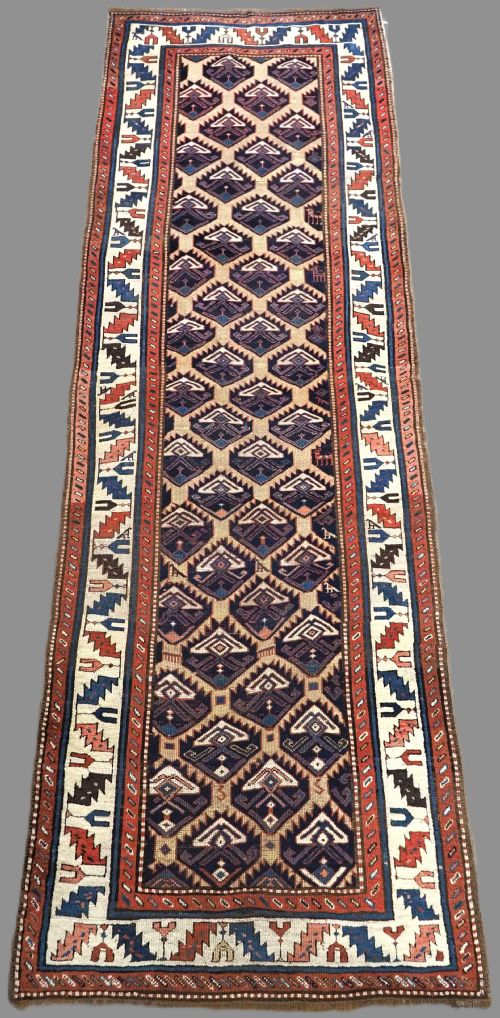
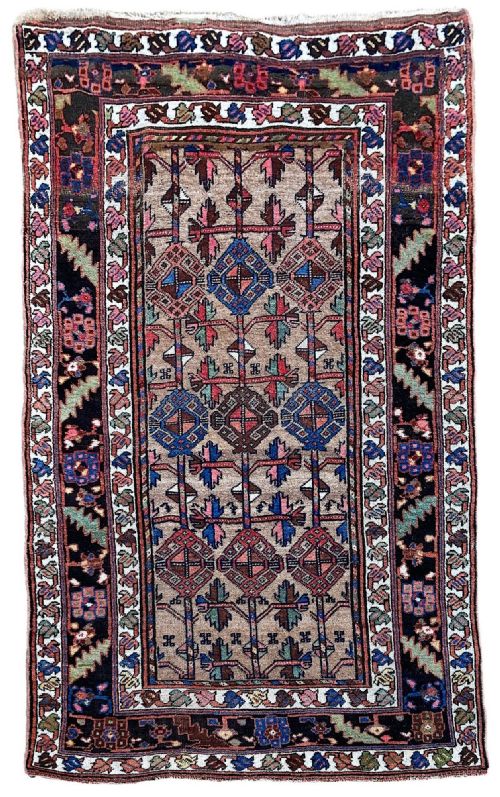
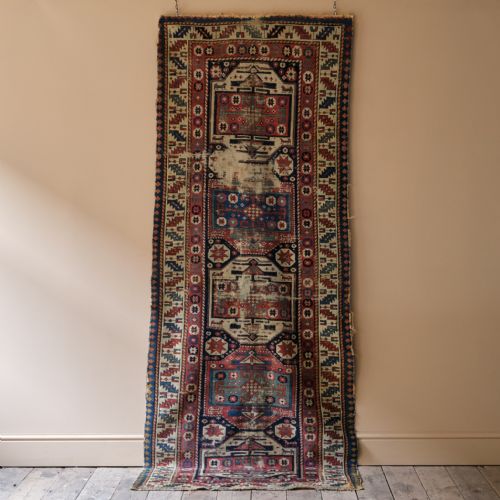
A caucasian pattern rug encompasses tribal and nomadic floor coverings originating from the Caucasus region and surrounding areas. These pieces typically display bold geometric motifs, medallions, and characteristic design elements like the boteh motif.
Buyers browsing this selection encounter various formats, ranging from square room-sized carpets down to long narrow runners and flatweave kilims. Many examples date from the nineteenth and early twentieth centuries, reflecting traditional regional weaving methods.
The aesthetic bridges several tribal traditions, including Kazak, Karabagh, Shirvan, Gendje, and Kurdish styles. Pieces often feature distinctive lattice designs, prayer niches, or animal and peacock motifs executed in characteristic regional palettes.
How they were made
Weavers constructed these textiles using hand-spun wool for the pile and foundation, supplemented by cotton in certain formats. The materials were tied in hand-knotted structures or worked as flatweaves depending on the regional tradition.
Colour came from natural dyes that produced deep tones of yellow, ivory, and patterned grounds. These vegetable and mineral colourants yield variations across the field that distinguish older textile production.
Some rugs feature unexpected additions of small animals, figures, and bees woven directly into the geometric fields.
What varies in quality
Quality rests on the crispness of the geometric drawing and the handling of the wool. Tighter knotting and well-rendered motifs separate finer regional examples from simpler commercial counterparts.
The integrity of the natural dye palette and the preservation of the original borders dictate the standing of a piece. Strong saturation and balanced proportions elevate certain runners and prayer rugs above standard production.
The Caucasian Pattern Rug Glossary
- Boteh
- A stylised paisley or almond-shaped motif commonly found in Caucasian and Persian tribal weaving. It appears in rows, diagonals, or scattered across the field.
- Kilim
- A flatwoven carpet or rug made without a pile by tightly interweaving warp and weft threads. These pieces often serve as floor coverings or light covers.
- Kazak
- A designated style of rug originating from the western Caucasus, known for bold geometric medallions and primary saturated colours. They remain among the most recognizable tribal types.
- Prayer rug
- A small rug featuring a mihrab or arch design indicating the direction of prayer. Shirvan and Dagestan regions are particularly noted for this format.
- Runner
- A long, narrow carpet format designed for hallways, corridors, and stairs. The selection includes specific regional formats tailored for these tight spaces.
Caucasian Pattern Rug: Frequently Asked Questions
What is a caucasian pattern rug?
It is a hand-knotted or flatwoven textile featuring geometric designs and traditional motifs originating from the Caucasus region or produced in that distinct tribal style.
These pieces reflect the cultural output of nineteenth and early twentieth-century weavers working in recognised regional traditions.
How do I use a runner in a hallway?
A long narrow runner places linear geometry and rich colour along corridors, bridging different rooms with traditional textile art.
Ensure you measure the walkway carefully and allow adequate floor margin on either side of the carpet.
How do I identify a Kazak rug?
Kazak rugs are typically identified by bold geometric medallions, hooked polygons, and a heavy wool pile dyed in primary colours.
They originate from the western Caucasus and display a robust, architectural approach to tribal pattern making.
Are these rugs made with natural dyes?
Many older examples utilise traditional natural dyes derived from plants and minerals, which create subtle variations in tone across the wool pile.
Over time, these vegetable colourants mellow gracefully and contribute to the visual depth of the textile.