


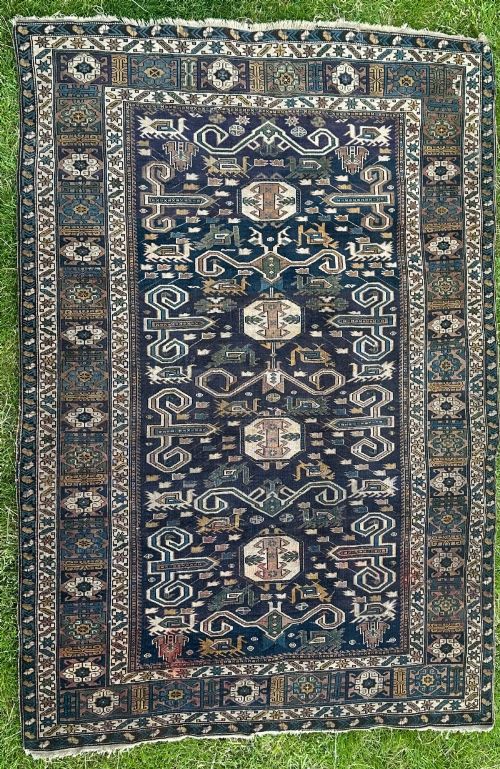
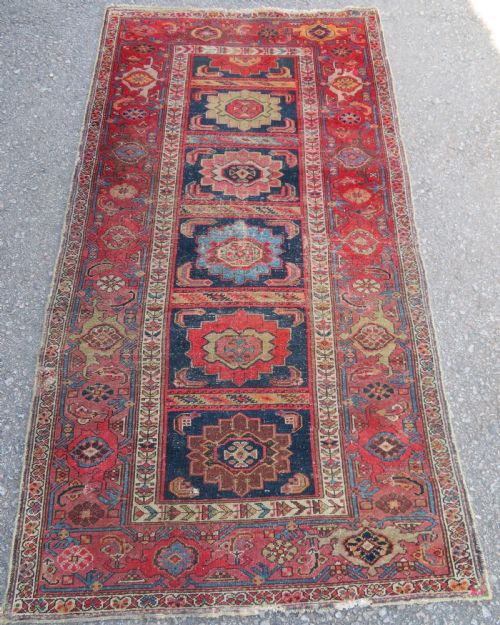
Caucasian Oriental Area Rug
These caucasian oriental area rug examples are hand-knotted woven carpets offering striking geometric designs and rich regional character for any room.
Caucasian Oriental Area Rug
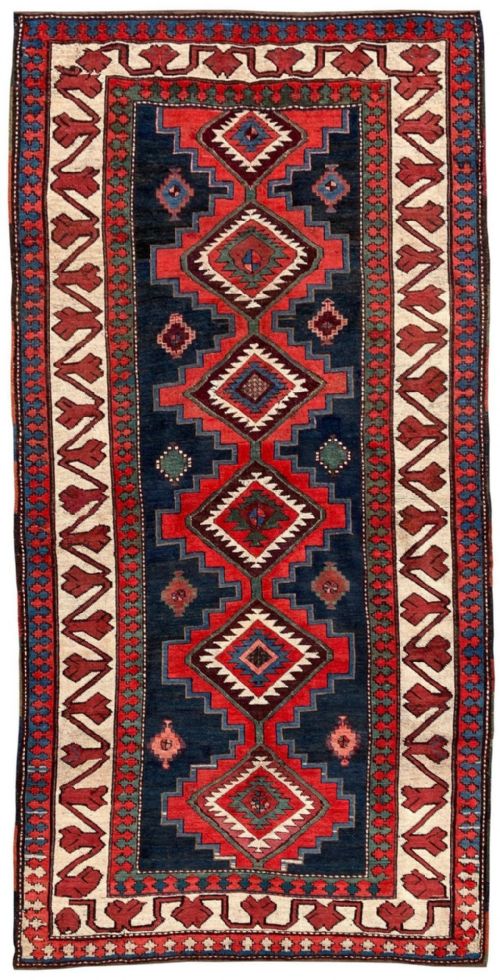
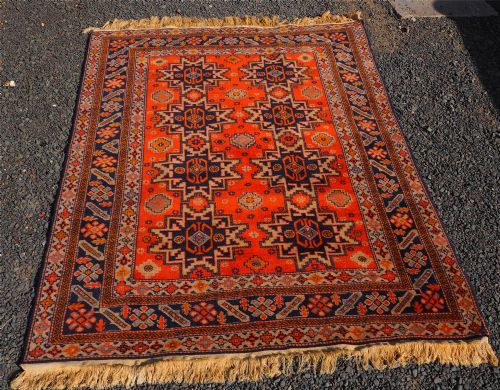
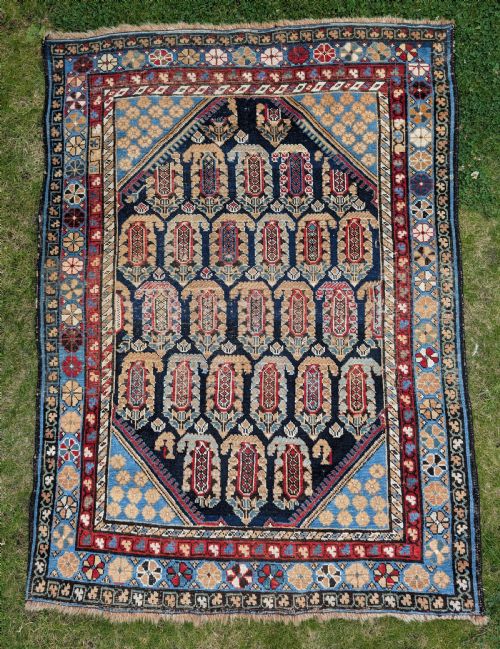
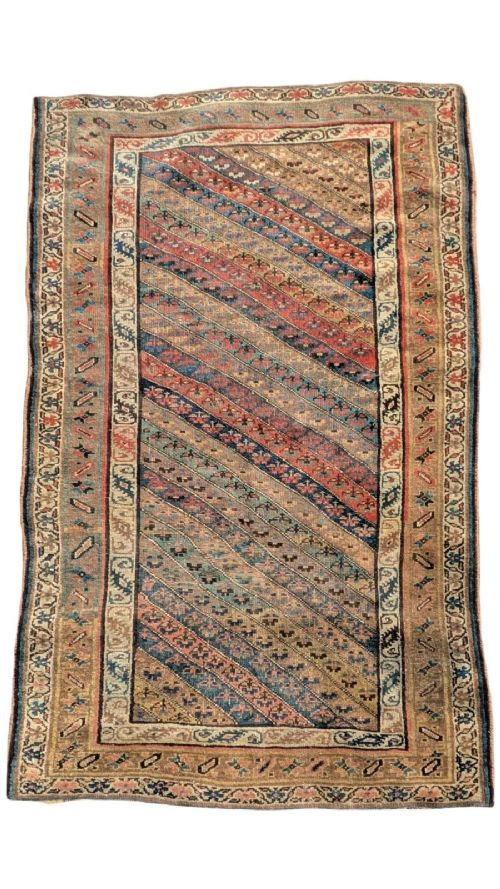
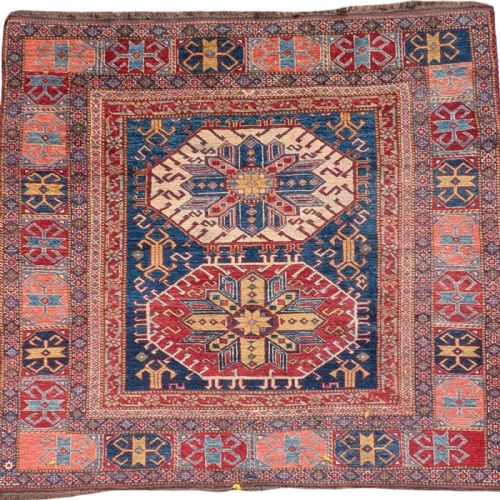
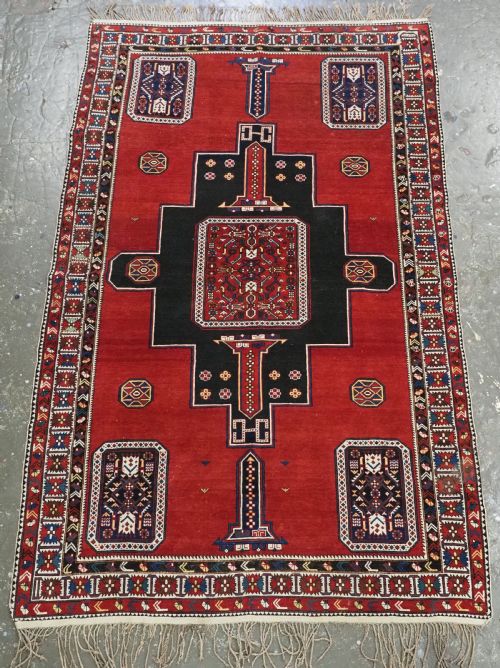
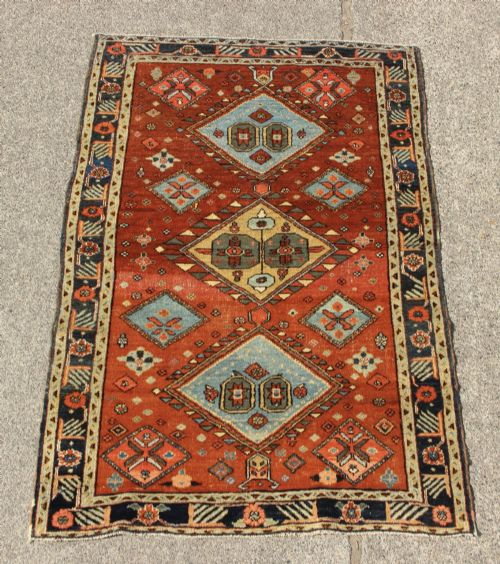
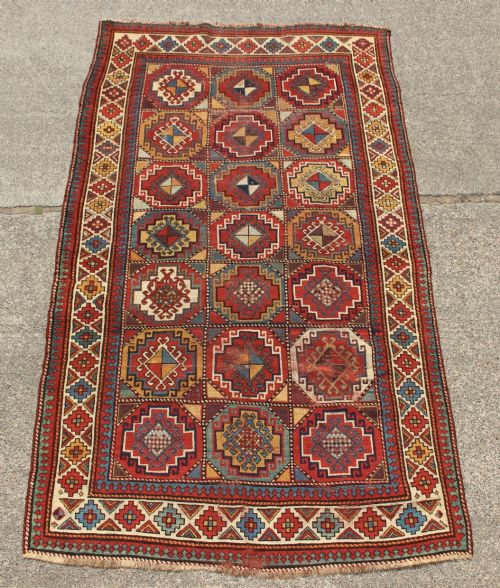
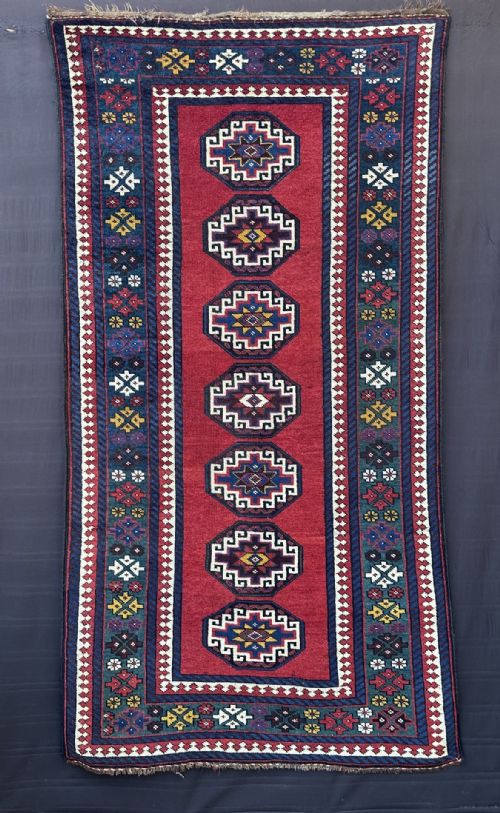
A caucasian oriental area rug brings centuries of weaving traditions from the Caucasus and surrounding regions into modern interiors. You will frequently encounter tribal formats such as Kazak, Shirvan, Karabagh, and Kuba carpets dating from the mid-nineteenth century through the early twentieth century.
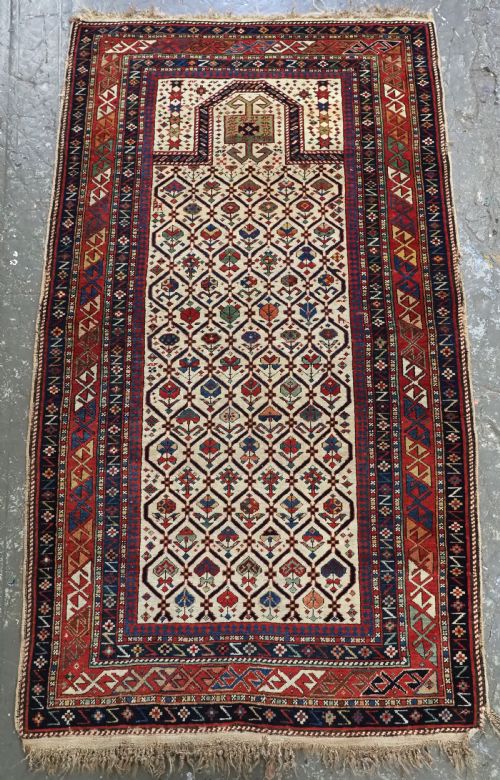
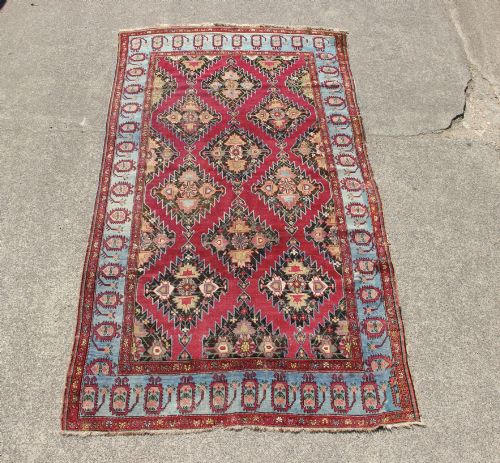
The selection encompasses diverse regional variations, including smaller prayer rugs, runner rugs, and larger carpets displaying traditional geometric medallions, animal motifs, and floral lattice patterns. These woven textiles serve as functional floor coverings that double as historical pieces of art.
Materials and construction
Traditional makers built each caucasian oriental area rug utilising hand-spun wool for the pile, combined with cotton foundations for structural stability. The integration of natural dyes produced deep, lasting tones that mellow gracefully over decades of use.
Weavers employed hand-knotting techniques passed down through generations, creating dense piles designed to withstand daily foot traffic. Regional workshops utilised distinct geometric structures and characteristic colour palettes unique to areas like Daghestan and Shirvan.
Current listings feature pieces dated from 1850 to 1930, utilising hand-spun wool and natural dyes.
Judging the standard
The standard of a caucasian oriental area rug rests upon the precision of the knotting, the saturation and complexity of the natural dyes, and the integrity of the wool. Superior examples exhibit tightly packed foundations and well-balanced compositions that maintain visual clarity across the field.
Condition also plays a role, as original side cords and secure ends distinguish well-preserved carpets from heavily distressed ones. The complexity of the tribal motifs and regional authenticity elevate certain pieces above standard commercial weaves.
The Caucasian Oriental Area Rug Glossary
- Kazak
- A type of Caucasian rug known for bold geometric medallions and primary colour palettes. These pieces originate from the southern Caucasus and are prized for their spirited tribal designs.
- Prayer rug
- A small carpet featuring a mihrab or arch design at one end, traditionally used for individual prayer. Collectors value these for their compact scale and symbolic iconography.
- Medallion
- A central decorative motif placed in the middle of the rug field. It anchors the geometric symmetry typical of Caucasian weaving traditions.
- Kelleh
- A long, narrow format carpet traditionally designed for specific reception rooms. These extended formats require exceptional skill to maintain proportions.
Caucasian Oriental Area Rug: Frequently Asked Questions
How do I clean an old wool rug?
Gentle surface vacuuming without a beater bar removes loose dirt from the wool pile. Professional specialist cleaning is recommended for deep maintenance to protect natural dyes.
Avoid excessive water and harsh chemical detergents which damage historical fibres. Proper airflow prevents moisture retention after any maintenance work.
Where were these carpets originally woven?
Weavers produced these textiles across the Caucasus region, spanning modern-day Armenia, Azerbaijan, and Georgia. Local nomadic and village communities created distinct regional styles.
Distinctive patterns often correspond to specific towns or valleys, such as Kuba, Shirvan, or Kazak. Each area maintained unique wool-working and dyeing traditions.
Can I place these rugs in high traffic areas?
Hand-spun wool construction provides natural durability suitable for moderate hallway or living room placement. A quality underlay adds cushioning and prevents slipping.
Rotating the rug periodically ensures even wear across the surface. Direct, intense sunlight should be managed to protect natural dye saturation.
How do I identify a Kazak rug?
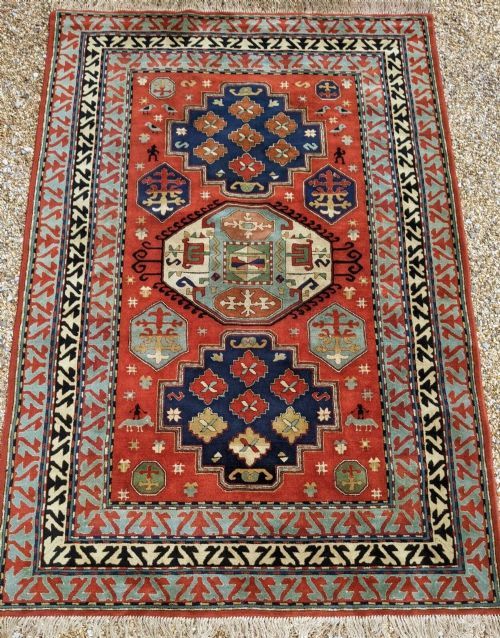
Kazak carpets typically feature large, bold geometric medallions and primary saturated colours like red, blue, and yellow. The pile tends to be thicker and plush compared to other regional types.
Stylised animal and human motifs frequently appear within the field. The overall aesthetic is rustic, confident, and highly structured.