

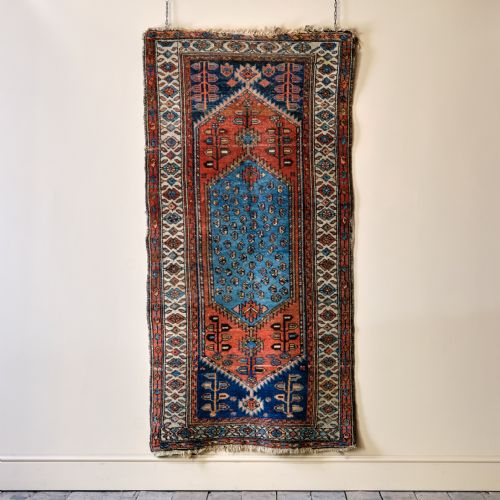


Caucasian Geometric Pattern Rug
A caucasian geometric pattern rug brings intense colour and structured tribal motifs directly to the floor.
Caucasian Geometric Pattern Rug
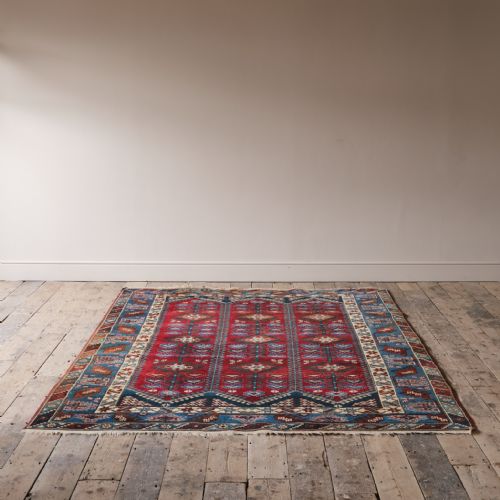
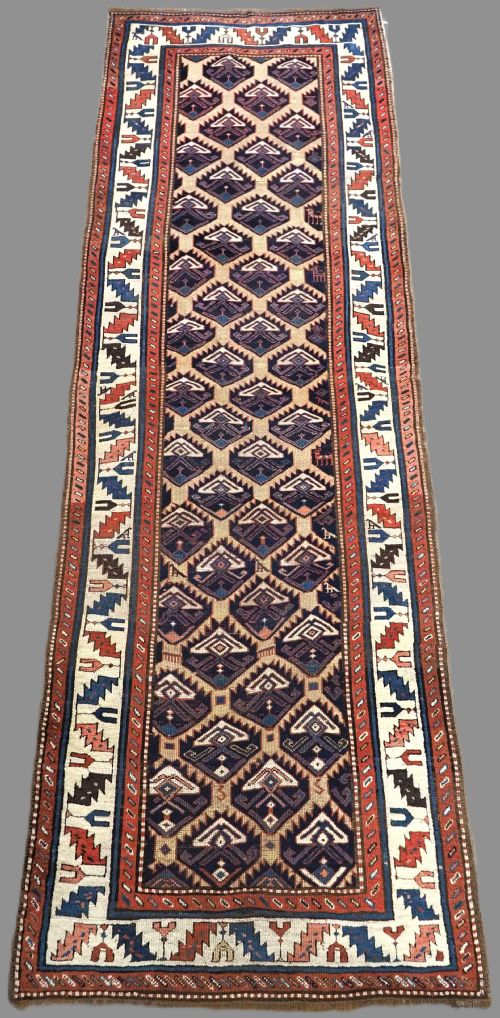
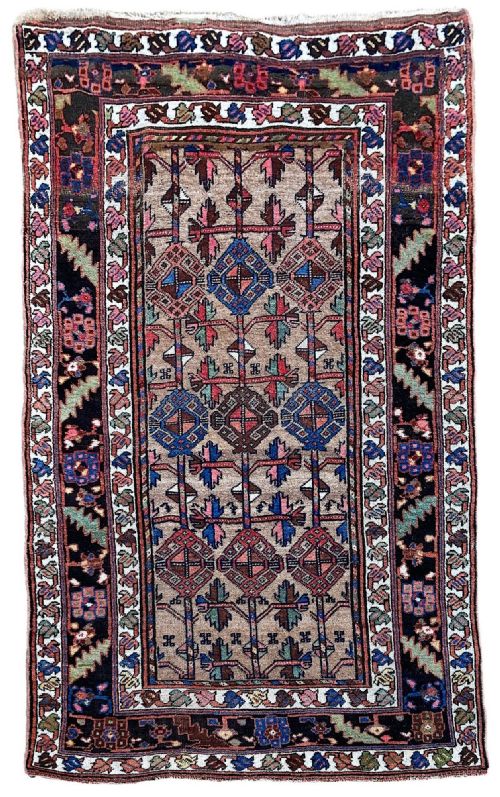
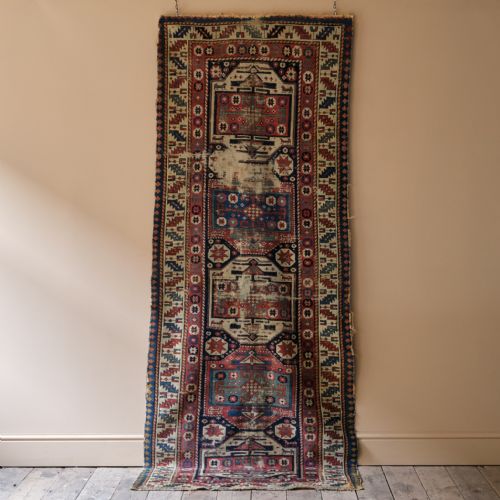
A caucasian geometric pattern rug is a woven textile featuring bold, angular motifs rooted in the traditional designs of the Caucasus region and surrounding tribal areas. These pieces span from the mid nineteenth century through the early twentieth century, taking the form of area rugs, long runners, and flat weave kilims. The most common examples you will encounter here include Kazak, Shirvan, Kurdish, and Gendje regional types.
Makers utilised characteristic formats such as central medallions, lattice patterns, boteh motifs, and star designs arranged within strict geometric borders. Runners dominate the narrower formats, whilst square and rectangular carpets provide substantial floor coverage for hallways and reception spaces. Each piece reflects the specific weaving traditions handed down through generations in tribal and village workshops.
How they were made
These textiles are constructed using hand-spun wool for the pile and foundation, frequently combined with cotton warp threads in later nineteenth and twentieth-century examples. Artisans knotted the wool by hand onto the vertical looms, creating a dense and durable surface designed to withstand heavy daily use. Flat weave kilims achieve their lighter structure without pile, relying instead on interlocking warp and weft techniques.
Colour comes from natural dyes applied to the wool yarn, producing rich secondary tones that mellow gracefully over decades. The combination of hand-spun wool and natural colourants gives each rug a distinctive tactile quality and subtle tonal variation across the surface.
Listings feature pieces dated from 1850 through the 1930s, constructed predominantly from wool, cotton, and natural dyes.
What varies in quality
The degree of knot density and the precision of the geometric drawing distinguish finer village productions from simpler utilitarian weaving. Tighter knotting allows sharper definition in stars, lattices, and medallions, holding crisp lines across complex repeating fields.
The depth and vibrancy of the natural dyes play a major role in the visual impact of the piece. Superior examples display luminous palettes with complex secondary shades that indicate careful preparation and dyeing of the wool.
Shahsavan
The Caucasian Geometric Pattern Rug Glossary
- Kazak
- A type of rug originating from the southwestern Caucasus, known for bold primary colours and large geometric medallions. These pieces typically exhibit high pile and sturdy wool construction.
- Shirvan
- A woven textile from the eastern Caucasus featuring finely detailed geometric lattices, stars, and floral motifs. They often display lighter ground colours and precise, intricate drawing.
- Boteh
- A stylised almond or pear-shaped motif representing a seed or floral spray. It appears frequently in repeating rows across Caucasian and Persian runners.
- Kilim
- A flat weave carpet produced without pile by tightly interweaving warp and weft threads. These textiles serve as versatile floor coverings and light wall hangings.
- Gendje
- A regional style from the southern Caucasus characterised by narrow formats and repeating lattice or diagonal stripe designs. They utilise saturated natural dyes and firm wool foundations.
Caucasian Geometric Pattern Rug: Frequently Asked Questions
What is a caucasian geometric pattern rug?
A caucasian geometric pattern rug is a hand-knotted or flat-woven floor covering originating from the Caucasus region during the nineteenth and early twentieth centuries. These textiles are distinguished by angular motifs, medallions, and stark tribal layouts.
Weavers constructed them using local wool and traditional dye methods, resulting in durable carpets that bring strong graphic presence to interior spaces.
How do I date an antique rug?
Dating relies on examining the materials, structural characteristics, and dye types used in the construction. Nineteenth-century examples often feature hand-spun wool and specific regional colour palettes that shifted with the introduction of synthetic dyes later on.
Comparing the drawing style and border designs against established regional types helps narrow the period of origin.
Where should I place a runner rug?
Runner rugs suit narrow spaces such as hallways, corridors, and galleys where long, linear floor coverings soften footfall and add visual warmth. They also work effectively beside beds or in transitional entryways.
Ensure you use an appropriate underlay to secure the piece and protect the antique wool foundation from premature wear.
How do I clean an old wool rug?
Regular gentle vacuuming without a beater bar removes loose dirt from the pile without damaging the hand-spun wool fibres. Professional cleaning specialised in antique textiles is essential for deeper washing to preserve the natural dyes.
Avoid excessive moisture and harsh chemical detergents, which can cause bleeding or weaken the foundation threads.