


Cast Stone Statue
A cast stone statue brings architectural presence and classical grace to a garden or terrace, shaped from durable aggregate materials.
Cast Stone Statue
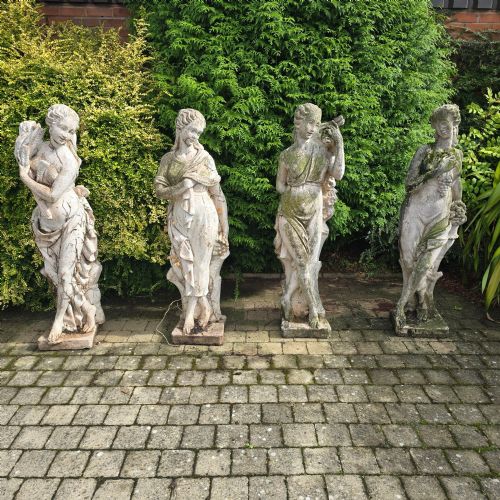
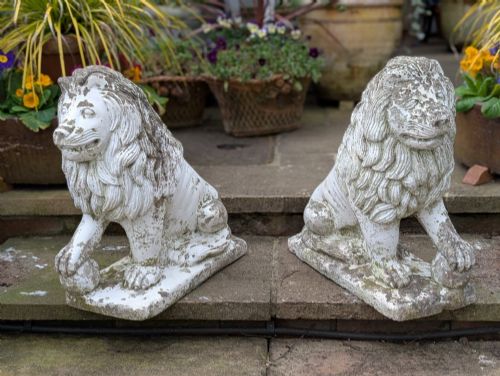
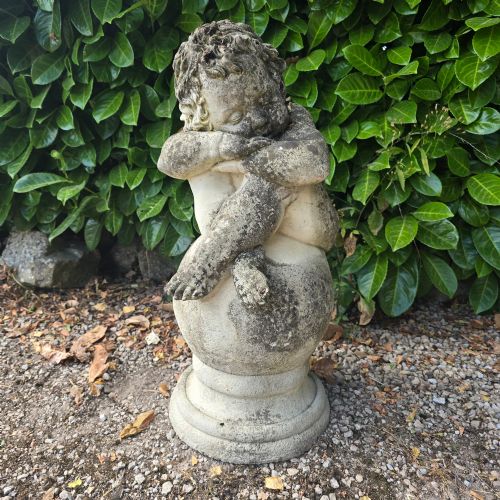
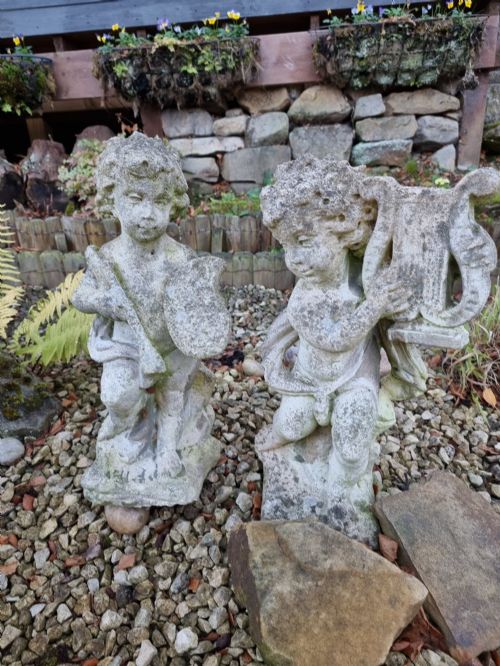
A cast stone statue selection includes garden ornaments, large figures, and classical figures, often found as pairs of lions or individual cherubs. These pieces draw heavily on Neoclassical, Classical Revival, and English Country traditions, spanning the Victorian era through the mid-twentieth century.
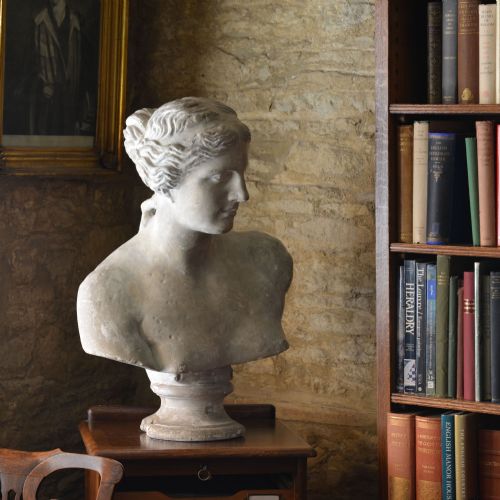
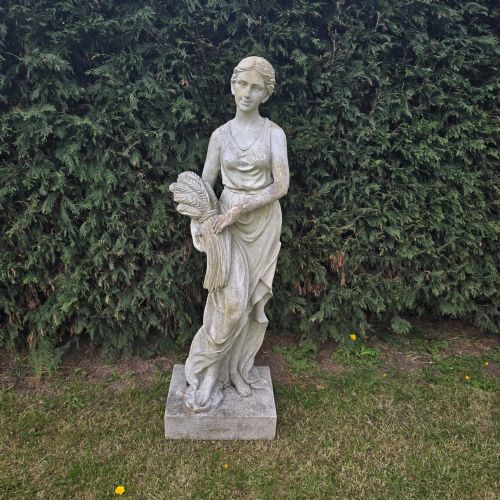
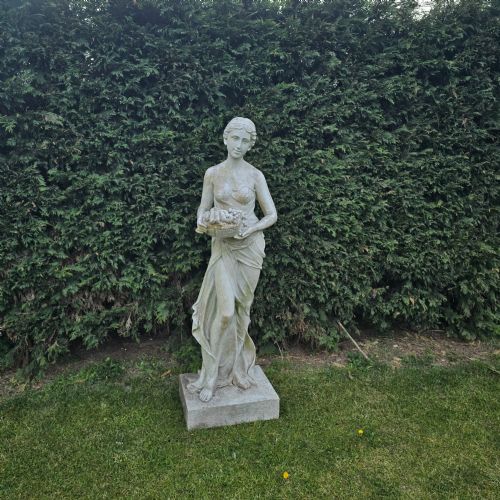
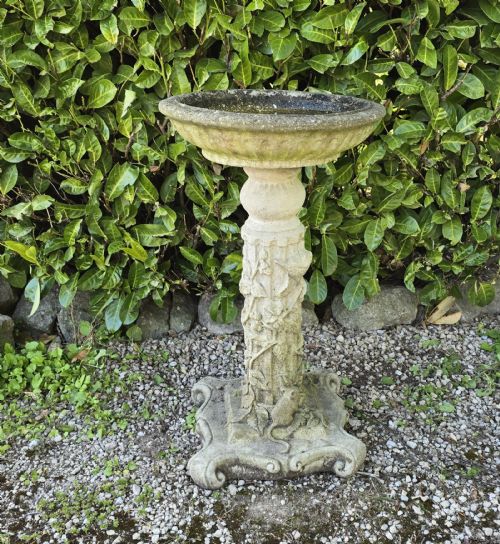
Buyers will encounter garden statuary ranging from life-sized representations of the Four Seasons and mythological figures like Venus and Athena to architectural gate finials and bird baths. Pieces from the nineteen-thirties and nineteen-fifties appear frequently alongside nineteenth-century works.
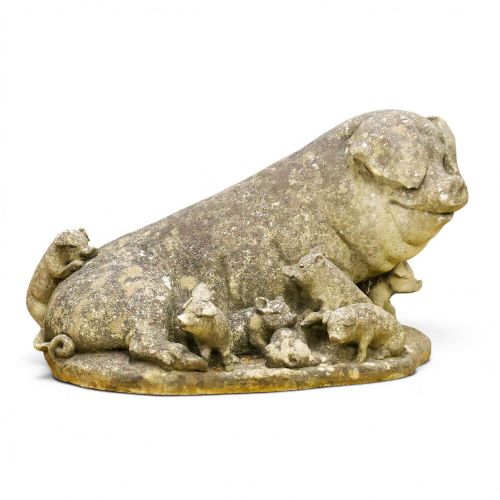
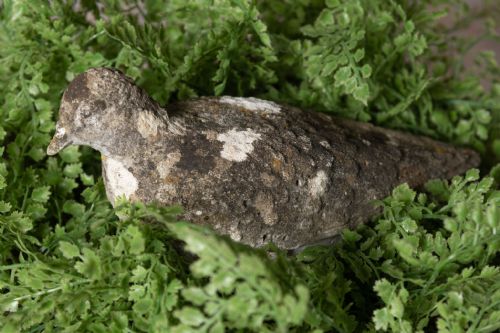
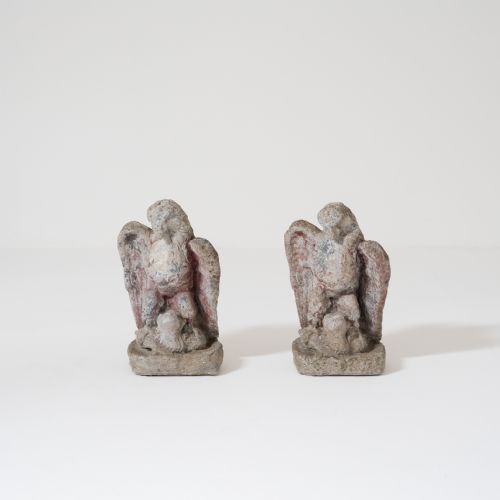
Forms extend from animal figures such as pigs, pigeons, and eagles to seated lion guardians and garden gnomes with original painted finishes. Many incorporate pedestals or plinths to elevate the sculpture within an outdoor setting.
Assessing quality in cast stone figures
The character of the weathering transforms a plain cast stone statue, with natural lichen growth and patination adding depth that inferior, artificially aged surfaces fail to replicate. Proportion and the integration of supporting plinths also govern the visual balance of larger garden figures.
A nineteen-thirties garden gnome survives with its original flaky paint intact, having stood guard through decades of changing weather.
The Cast Stone Statue Glossary
- Cast stone
- A building product manufactured from Portland cement, graded aggregates, and colourants to simulate natural cut stone. It provides a durable medium for garden statuary and architectural ornaments.
- Reconstituted stone
- Aggregate material bound with cement and moulded into decorative forms. It is widely used for heavy garden ornaments and large statues.
- Finial
- An architectural ornament placed at the apex of a gable, wall, or gate post. In garden settings, these often take the form of stone lions or eagles.
- Plinth
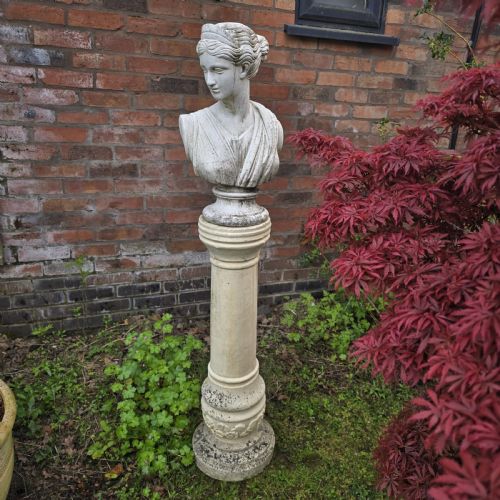
- The heavy base or block upon which a statue, bust, or pillar is mounted. It elevates garden figures above ground level.
- Composition stone
- A proprietary mixture resembling natural stone used for casting Victorian and twentieth-century garden sculptures. It permits fine detail in classical figures and architectural elements.
Cast Stone Statue: Frequently Asked Questions
How do I clean a cast stone statue?
Wash the surface gently with water and a soft brush to remove dirt while preserving the natural weathering and lichen growth.
Avoid harsh pressure washers or chemical detergents, which can erode the outer layer of the cast stone and ruin the historic patina.
Can these statues stay outside in winter?
Most cast stone and composition stone pieces tolerate cold weather well if they are sturdy and placed on proper footings to prevent moisture absorption from the ground.
Plaster and certain gypsum items are better suited to indoor conservatory or interior display to protect them from frost damage.
How do I tell nineteenth century pieces apart from later ones?
Nineteenth-century works often display classical proportions linked to traditional foundry methods and denser aggregate materials associated with Victorian production.
Twentieth-century examples from the thirties and fifties introduce different stylisations, including distinct finishes such as original flaky paint on garden gnomes.
Are plinths and pedestals original to the statues?
Many large garden figures and busts were designed to sit upon matching pedestals to create a commanding focal point in a landscape or conservatory.
Pairs of lions and gate finials frequently incorporate integrated bases intended for direct mounting on gate piers or stone walls.