





Cast Metal Relief Sculpture
These cast metal relief sculpture pieces offer tangible historic depth and heavy texture for your walls.
Cast Metal Relief Sculpture
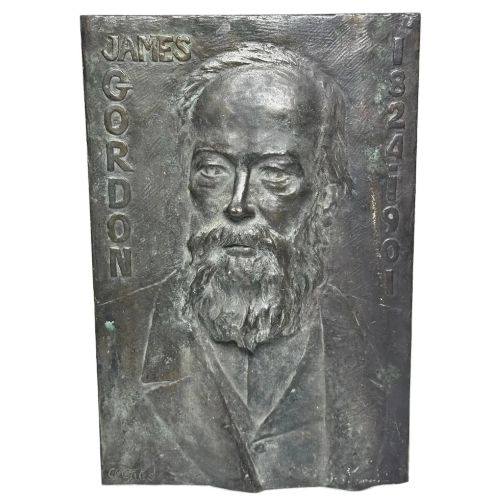
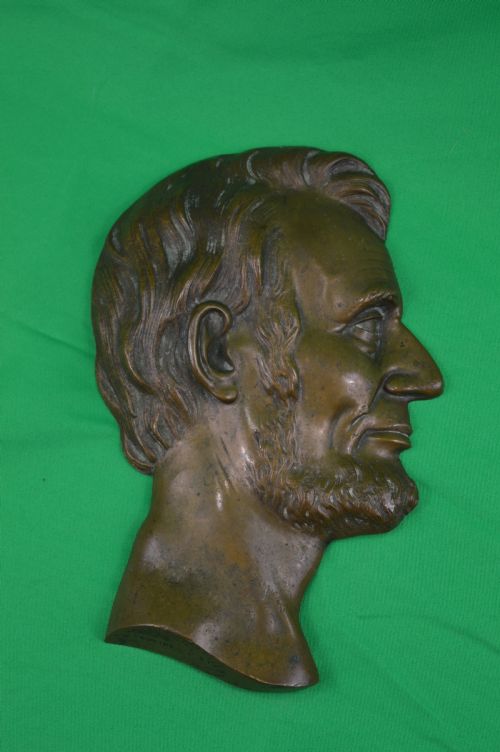
When you search for cast metal relief sculpture, you are looking at cast works where figures, coats of arms, or portraits project from a flat background. These pieces range from compact wall plaques to large heraldic crests and sculptural vases.
The versions you are most likely to meet on this page belong to the nineteenth century and the Edwardian period, often cast in bronze or iron. They take the form of wall plaques, profile portraits, and armorial shields designed for interior display.
Materials and casting methods
Foundries produced these works primarily in bronze and cast iron using traditional molten casting techniques. Molten metal poured into moulds captured the intricate lines of portrait profiles, coats of arms, and neoclassical motifs.
Surface finishes like patination and gilding were applied to enhance depth and protect the metal. Bronze pieces often show dark patinated surfaces, while others feature gilt applications or wooden backing mounts.
Cast Metal Relief Sculpture Retail Price Guide 2026
Typical asking prices for cast metal relief sculpture among the pieces listed under this phrase on Sellingantiques today, from the lower quarter to the upper quarter. They describe what is for sale here now, not the wider market.
Charles Dickens makes a stern profile appearance in cast metal, watching over your room with nineteenth-century disapproval.
Judging the quality
Signatures by known artists or prestigious foundries elevate a piece above standard decorative castings. The quality of the patina and the preservation of the original surface finish further distinguish better examples.
Alice Gates·Eugene Canneel·Coalbrookdale·Barbedienne
The Cast Metal Relief Sculpture Glossary
- Relief
- A sculptural technique where the sculpted elements remain attached to a solid background of the same material. High relief projects significantly, while low relief stays flatter.
- Patina
- A thin layer that naturally or artificially forms on the surface of bronze and other metals through age and chemical treatment. It alters the surface colour and protects the metal underneath.
- Maquette
- A small-scale preliminary model or sketch made by a sculptor before executing the final full-sized work. These early casts show the initial conception of a larger piece.
- Heraldic
- Pertaining to heraldry, coats of arms, and armorial bearings. These designs often feature crests, shields, and symbolic animals cast in iron or bronze.
Cast Metal Relief Sculpture: Frequently Asked Questions
How do I hang a heavy bronze plaque?
Most heavy cast metal wall pieces require secure wall anchors and proper bracket support rather than standard picture hooks. Ensure the weight is distributed evenly across solid wall fixings.
Check the rear mounting points on the plaque before installation to confirm they can safely bear the metal weight over time.
How should I clean patinated bronze?
Dust bronze and patinated metal gently with a soft, dry cloth to remove surface particles. Avoid chemical cleaners or metal polishes that strip the historic patina.
Applying a microcrystalline wax can protect the surface of interior pieces without harming the original finish.
Are these pieces suitable for outdoor display?
While cast bronze and iron weather outdoors, historic pieces with fine patination or gilt surfaces are generally intended for interior environments. Moisture and changing temperatures can accelerate corrosion on unprotected metal surfaces.
Keep delicate patinated reliefs indoors to preserve their original finishes.