


Victorian Cast Iron Plaque
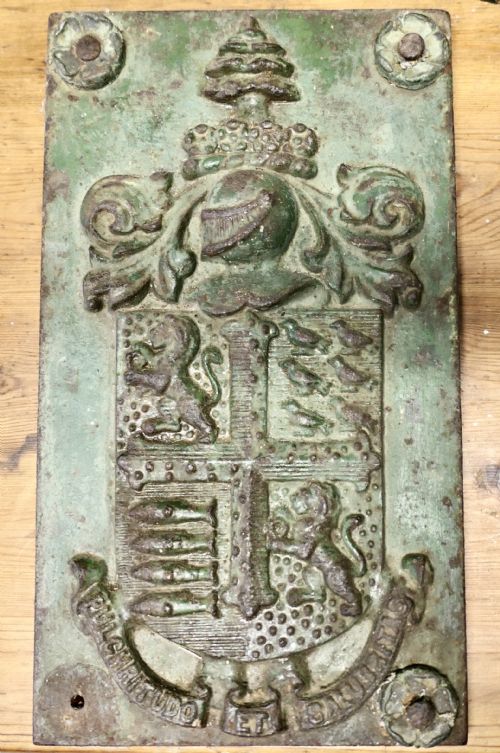
These robust victorian cast iron plaque items bring industrial weight and heraldic presence to any interior.
Victorian Cast Iron Plaque
A victorian cast iron plaque delivers solid metal weight and durable wall signage from the nineteenth and early twentieth centuries. Buyers searching for a victorian cast iron plaque encounter armorial shields, railway notices, and street names.
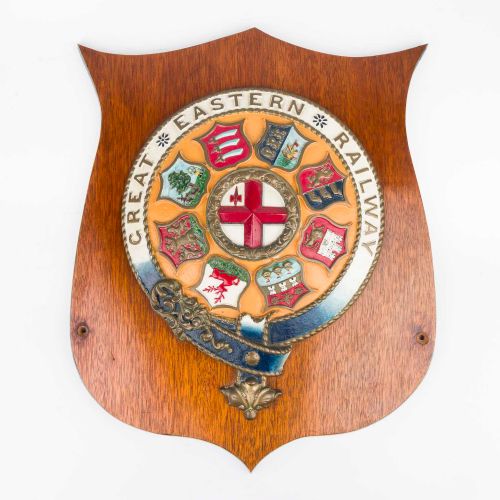
The selections span royal coats of arms, railway company crests, and municipal signs cast in heavy metal. These pieces reflect official institutions, civic pride, and industrial infrastructure.
Most examples originate from the Victorian and Edwardian eras, utilising durable metalwork designed for public display. Wall plaques and architectural salvage dominate the available forms.
Materials and casting methods
Foundries produced these items using cast iron poured into sand moulds, often enhanced with brass or bronze elements. Surface decoration frequently involved enamel paint, traditional oil paint, and touches of gold leaf.
Mounting boards occasionally incorporated timber backings in mahogany or oak to support heavy wall signage. Metal finishing techniques protected the iron surfaces from weathering in outdoor and interior environments.
Milners of Liverpool made sure nobody was walking off with their iron lock boxes by making them overwhelmingly heavy.
Assessing quality in cast metal
Quality rests in the crispness of the lettering, the depth of the casting relief, and the preservation of original paint schemes. Crisp armorial details and legible railway notices separate superior foundry work from ordinary utilitarian casting.
The integrity of the metal substrate and the survival of historic surface finishes dictate the desirability of each piece. Surviving gold leaf and authentic enamel paint layers elevate the status of historical armorials and trade signs.
Milners of Liverpool·J. and H. Keyworth and Co
The Victorian Cast Iron Plaque Glossary
- Armorial plaque
- A wall display featuring a coat of arms or heraldic crest. These items often represent civic bodies, railway companies, or royal insignia.
- Cast iron
- An iron-carbon alloy poured into moulds to create rigid objects. This material forms the primary substance of heavy Victorian signage and architectural salvage.
- Architectural salvage
- Building components and signs rescued from structures slated for demolition. This category includes street names and railway notices.
- Gold leaf
- Gold beaten into extremely thin sheets used for gilding letters and decorative highlights. It provides a durable, lustrous finish on metal signs.
Victorian Cast Iron Plaque: Frequently Asked Questions
How were these heavy plaques mounted?
Original pieces usually feature integrated iron fixing lugs or bolt holes designed for permanent attachment to masonry or timber walls. Modern hanging requires sturdy fixings due to the substantial weight of cast metal.
Careful assessment of the mounting points ensures safe display without stressing the historic iron structure.
Can these iron plaques hang outdoors?
While originally built for exterior railway and street use, historic painted surfaces benefit from protection against modern moisture and frost. Indoor placement preserves fragile enamel paint and gold leaf details.
Sheltered outdoor locations work if the iron is monitored for surface oxidation.
How do I identify railway signs from street signs?
Railway pieces typically display specific company crests, locomotive instructions, or gate warnings linked to transport networks. Street signage names specific roads and municipal locations.
Both categories share standard nineteenth-century foundry techniques and heavy cast iron construction.
What does an armorial plaque represent?
Armorial plaques display official coats of arms associated with royalty, municipal authorities, or corporate entities. They served as symbols of authority and institutional pride.
Foundries cast these detailed crests for public buildings, railway stations, and corporate headquarters.