


Cast Iron Plaque
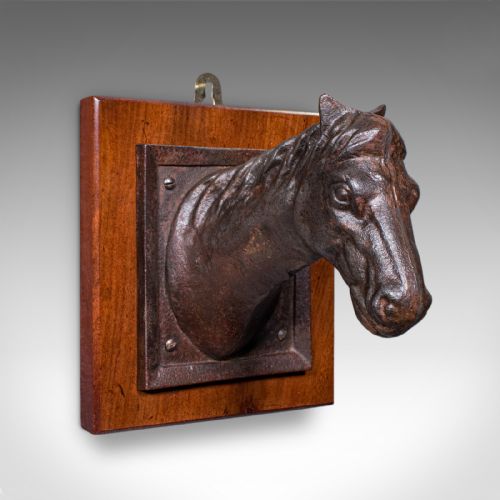
A cast iron plaque carries weight and authority, offering enduring heraldic crests, railway notices, and portraits that anchor a room.
Cast Iron Plaque
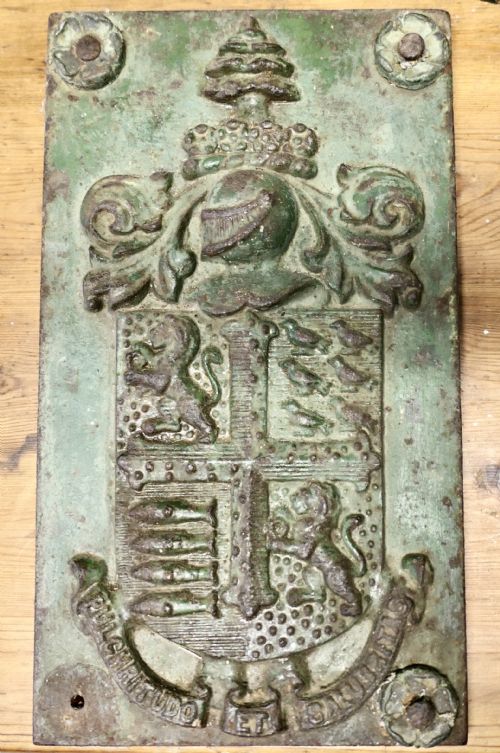
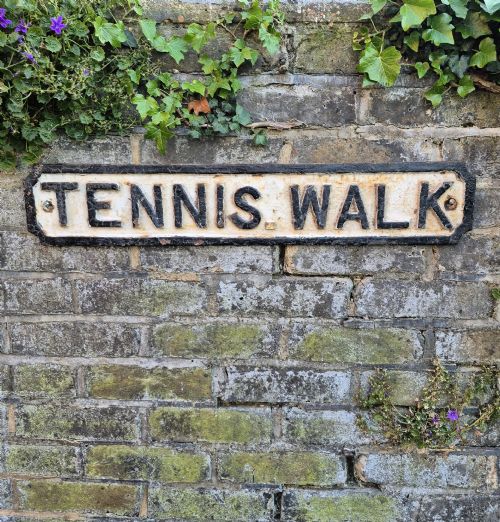
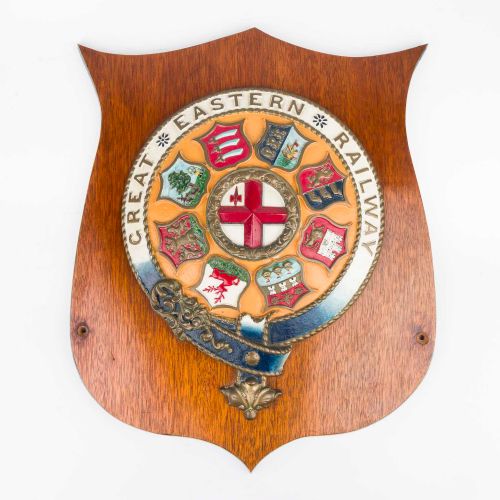
When you search for a cast iron plaque, you encounter robust objects designed for public information, railway regulation, architectural embellishment, or commemorative display. These pieces range from substantial royal coats of arms and railway notices to architectural balustrade panels and portrait medallions.
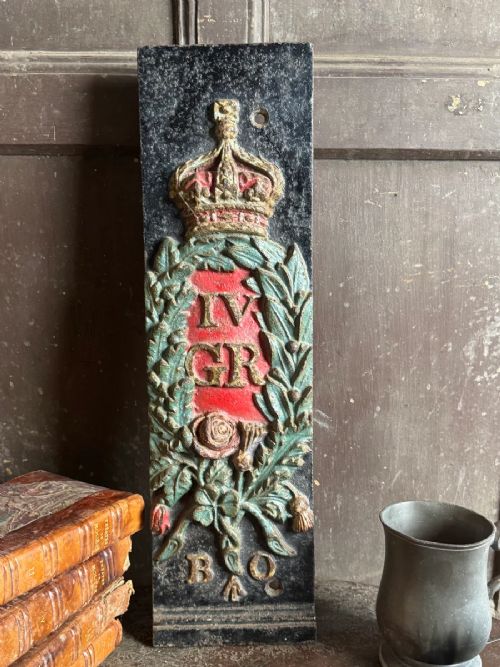
The version you are most likely to meet on this page originates from the nineteenth or early twentieth century, reflecting industrial expansion, municipal pride, and railway development. Victorian and Edwardian examples dominate the selection, often bearing painted finishes, heraldic symbols, or directional legends.
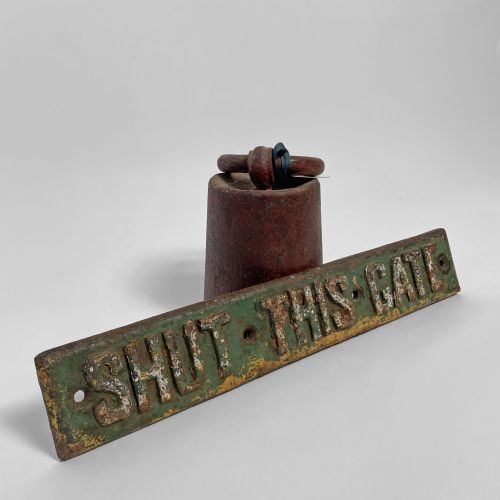
Forms vary from street signs and gate warnings to large armorial shields and classical portrait plaques depicting figures such as Shakespeare, Rubens, or Wellington. Their original function determined their sturdy composition, ensuring survival through decades of exposure outdoors or inside municipal buildings.
What varies in quality
The integrity of the painted or gilded finish significantly influences the character of the piece, with period-correct layering holding more visual weight than crude repainting. Additionally, the depth of relief and the complexity of the design distinguish standard municipal hardware from monumental commemorative works.
Listings feature items from the Georgian period through the Victorian and Edwardian eras up to the 1930s, utilising cast iron, paint, brass, wood, and gold leaf.
Milners of Liverpool·Kasli Foundry·J. & H. Keyworth and Co
The Cast Iron Plaque Glossary
- Armorial plaque
- A cast iron plaque displaying a coat of arms, crest, or heraldic insignia. These pieces often denote railway companies, government bodies, or royal authority.
- Architectural salvage
- Building elements removed from older structures and repurposed for interior or exterior display. This category includes balustrade panels and decorative wall plaques.
- Cast iron
- An iron-carbon alloy poured into moulds to create rigid, durable objects. It forms the primary structural material for heavy signage and relief plaques.
- Gold leaf
- Extremely thin sheets of gold applied to highlight raised letters and decorative motifs. It provides a striking contrast against painted iron backgrounds.
Cast Iron Plaque: Frequently Asked Questions
How do I hang a heavy cast iron plaque?
These pieces possess substantial weight and require secure fixing directly into masonry or robust wall studs using appropriate metal fixings.
Avoid relying on decorative chains or lightweight picture hooks unless the plaque includes dedicated, weight-tested hanging brackets.
Were these plaques meant for outdoors?
Many examples served utilitarian or municipal roles outdoors, including railway notices, street signs, and gate warnings exposed to the weather.
Protecting them from prolonged dampness indoors preserves the remaining paintwork and prevents active corrosion.
How should I clean a painted iron sign?
Use a dry or slightly damp soft cloth to remove dust from the surface without disturbing fragile original paint layers.
Harsh chemical solvents or abrasive pads will strip historic finishes and damage the underlying iron.
What indicates a railway plaque?
Railway pieces typically feature specific warnings, company crests, or station legends associated with historic transport networks.
Common examples include gate notices, locomotive signs, and armorial crests belonging to major railway companies.