



Cast Metal Handles
Cast metal handles appear on vessels and doors across several centuries, offering utility and tactile presence for everyday interiors.
Cast Metal Handles
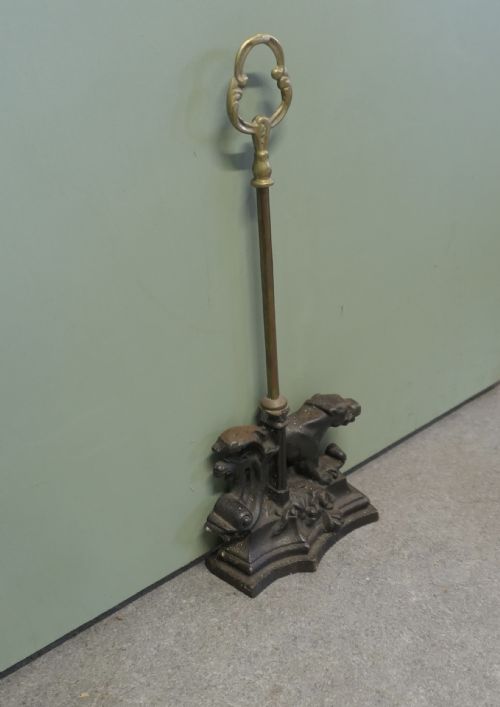
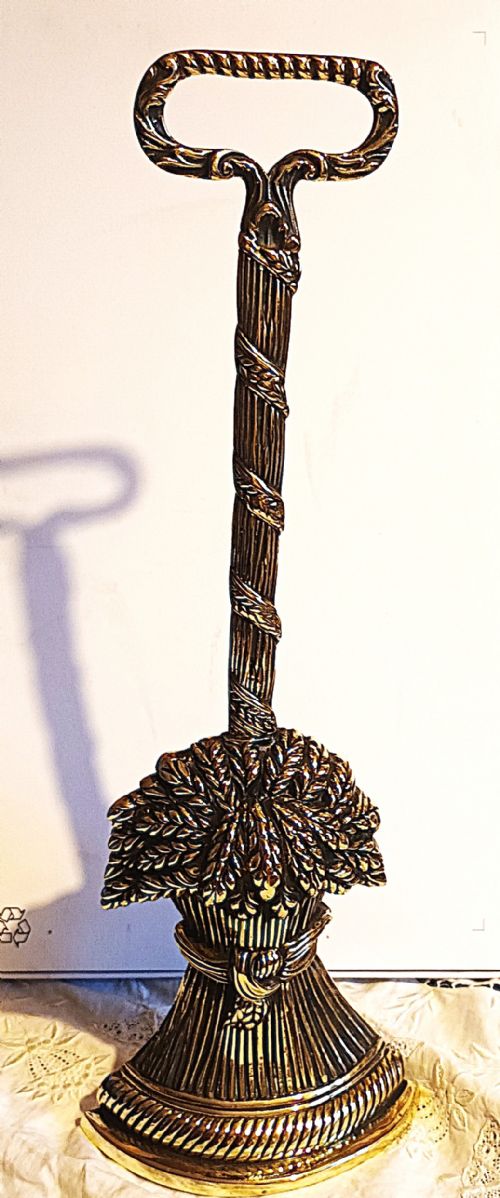
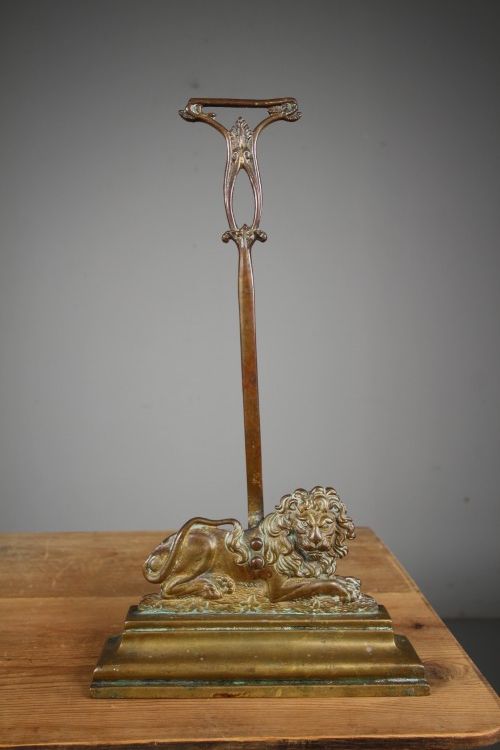
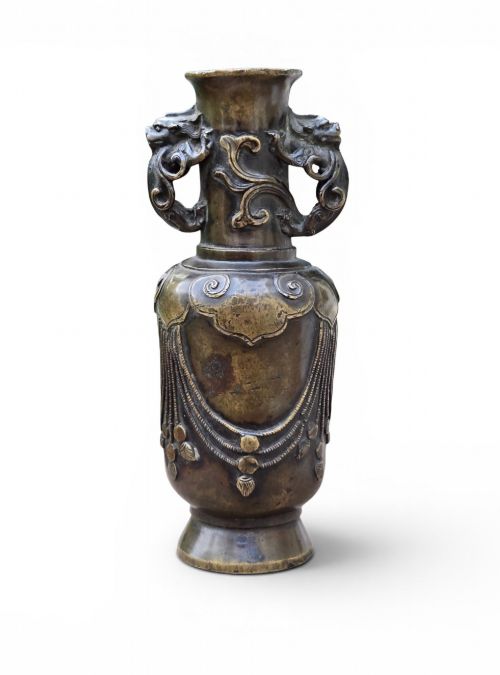
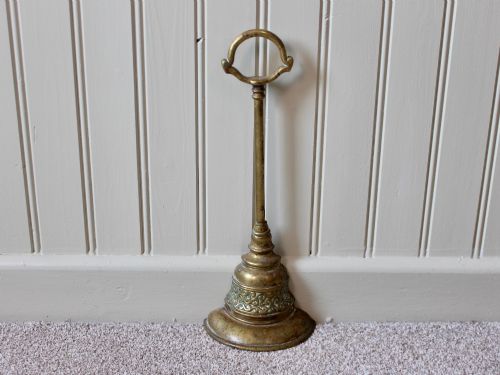
When you search for cast metal handles, you encounter functional hardware and decorative objects where metal grips form an integral part of the design. These range from heavy doorstops and porters to ornate vases, ewers, and censers featuring cast handles.
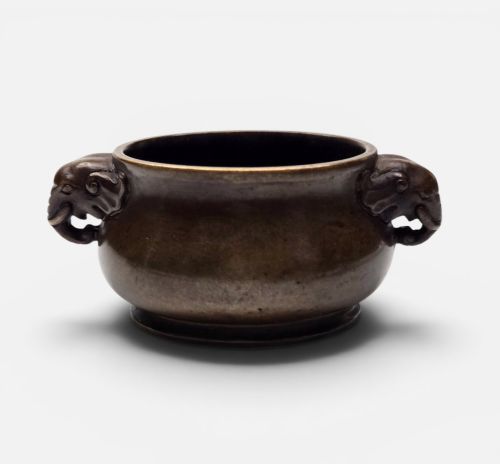
The selections span the nineteenth century up to the early twentieth century, alongside earlier seventeenth-century examples. English brass door porters and French bronze ewers sit alongside Chinese bronze vessels and Japanese incense burners, all sharing durable metal construction.
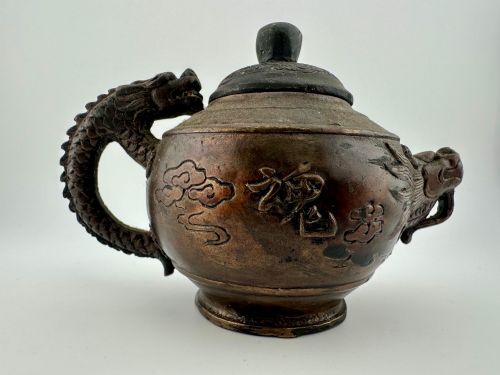
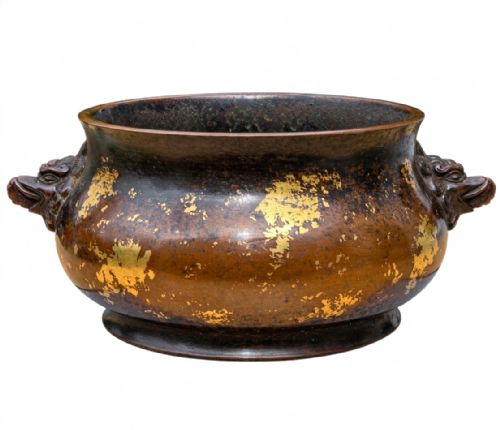
Vessels on this page often incorporate handles shaped as dragons, masks, or figurative motifs, while utilitarian items utilise robust brass or iron for daily service.
How they were made
The pieces listed utilise bronze, brass, cast iron, copper, and copper alloy, shaped primarily through traditional casting techniques. Molten metal was poured into moulds to achieve the robust forms seen in doorstops, pans, and vessels.
Finishing work often involved chasing, chiselling, or applying champleve enamel and gilding to enhance decorative surfaces. Handles and mounts were frequently cast separately before being secured to the main body of the object.
Listings feature items from the seventeenth, eighteenth, and nineteenth centuries, alongside early twentieth-century examples.
What varies in quality
Quality in these metal objects depends heavily on the crispness of the casting and the definition preserved in decorative details like masks, figures, and foliage. Superior examples display clean lines without surface pitting, reflecting skilled foundry work.
The weight and balance of the piece also indicate standard, particularly in items like door porters and censers where substantial metal content ensures stability and resonance.
William Tonks·Kibundo·Hodges and Sons
The Cast Metal Handles Glossary
- Door porter
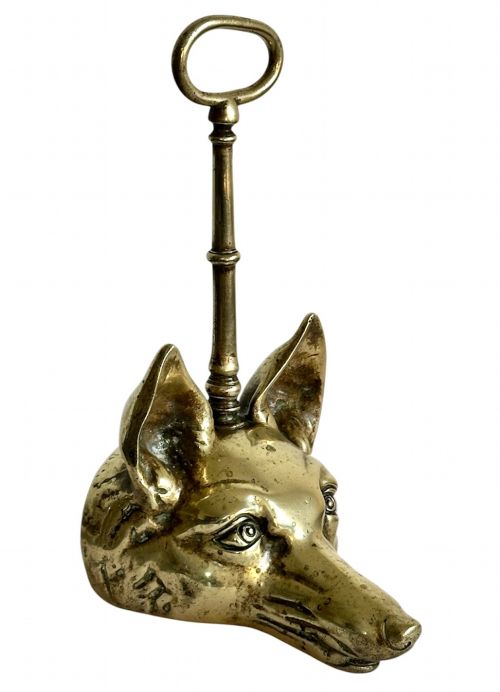
- A heavy portable doorstop designed to keep doors open within a room. These frequently feature brass or cast iron handles at the top for lifting.
- Champleve
- An enamelling technique where troughs or cells are carved into the metal surface and filled with vitreous enamel before firing. It adds colourful patterns to bronze bodies.
- Ewer
- A large jug with a wide spout and a prominent handle, traditionally used for holding water or wine. Cast metal versions often display neoclassical or figural motifs.
- Archaistic
- A stylistic choice where later makers deliberately emulate the forms, motifs, and patination of ancient ritual bronzes. This approach appears frequently in nineteenth-century Oriental pieces.
Cast Metal Handles: Frequently Asked Questions
What is a door porter?
A door porter is a heavy freestanding weight used to hold interior doors open. They incorporate handles at the top so residents can move them easily between rooms.
Most examples on this page are cast in brass or iron, often shaped as lions, foxes, or simple geometric forms.
How do I clean old brass?
Historic metal surfaces generally require minimal intervention to preserve their natural patina and age. Dusting with a soft cloth is usually sufficient for regular maintenance.
Avoid aggressive metal polishes that strip away the dark oxidation accumulated over centuries.
What are censers used for?
Censers function as vessels for burning aromatic incense during rituals, scholarly contemplation, or domestic perfuming. They often feature pierced lids to allow smoke to escape.
Many incorporate decorative handles shaped as dragons or animal masks.
Are these pieces solid metal?
The items listed are primarily made from cast bronze, brass, copper, or iron. Their substantial weight reflects solid metal construction throughout.
Some pieces include applied elements like enamel work or gilt details on the main cast body.
How do I date cast bronze?
Dating involves examining casting methods, surface patination, style, and any workshop marks or signatures present on the base. Nineteenth-century revivals often look back to seventeenth-century or archaic models.
Comparing the wear patterns and construction details helps establish the likely period of manufacture.