



Art Nouveau Handles
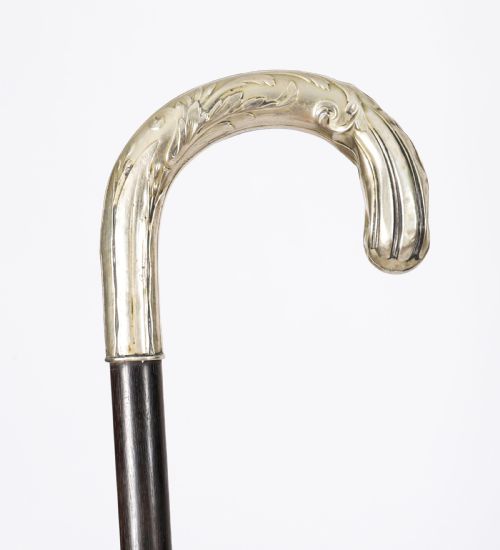
Art nouveau handles bring sweeping floral lines and whiplash curves directly to everyday furniture and doors.
Art Nouveau Handles
When you search for art nouveau handles, you are looking at domestic hardware and decorative fittings shaped by the organic motifs of the turn of the twentieth century.
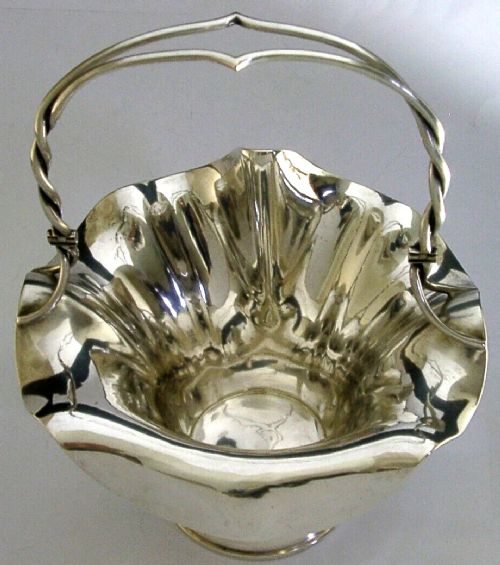
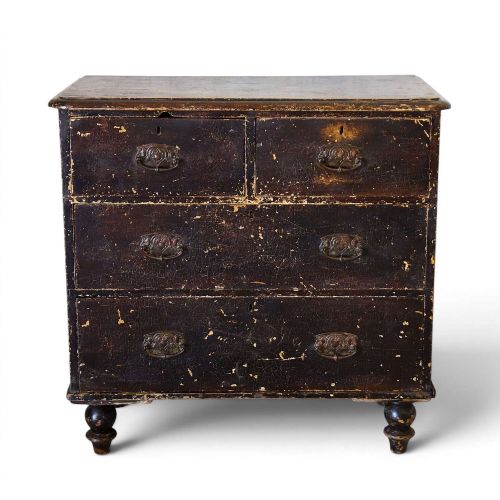
The versions you meet most often on this page take the form of cast brass, bronze, or plated metal door hardware, drawer pulls, and swing mounts.
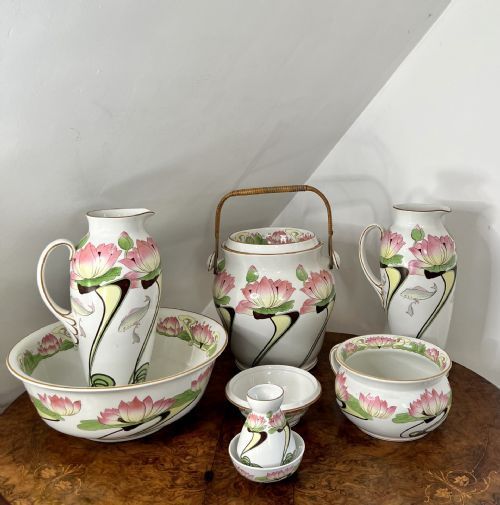
Makers of this period drew inspiration from stems, seed pods, and female hair, translating natural asymmetry into functional grips.
Materials and casting methods
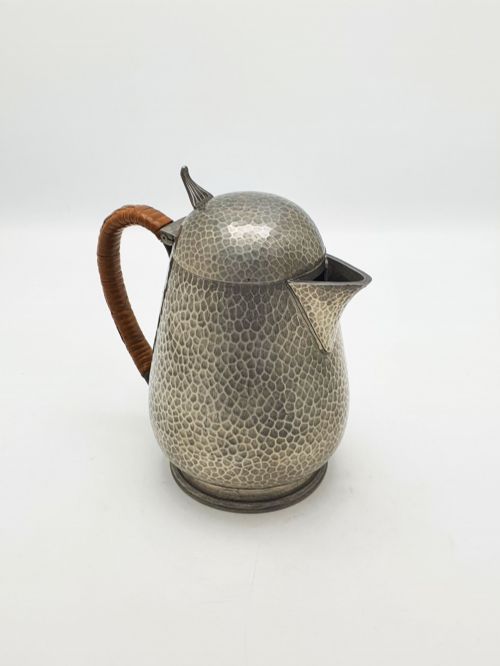
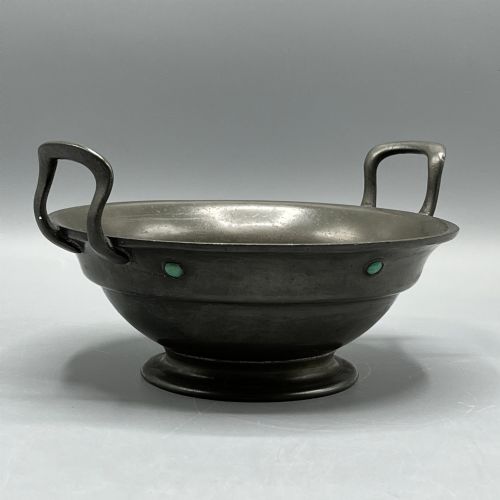
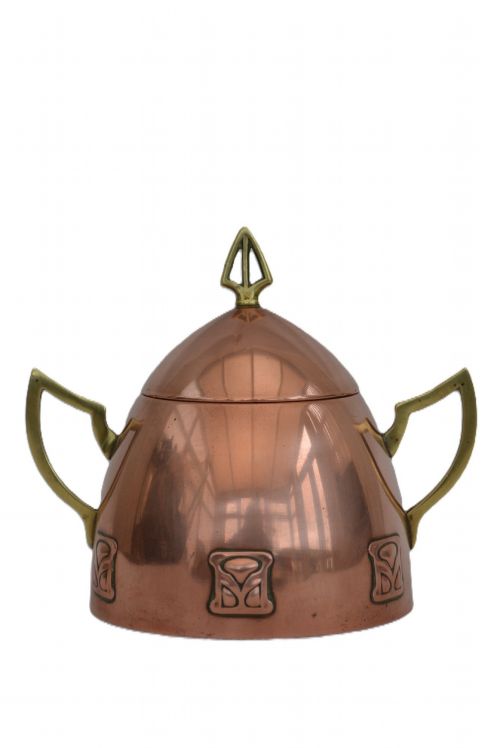
Foundries utilised casting and stamping techniques in brass, copper, and pewter to achieve flowing, three-dimensional relief patterns.
Silver plating and patination were frequently applied to base metals to create contrasting dark recesses and bright highlights along the stemwork.
Distinctions in execution and design
The finest examples display crisp hand-chasing after casting, which sharpens the veins of leaves and the petals of flowers.
Heavier gauge metal and clean integration of fixing points separate bespoke architectural ironmongery from mass-produced stamped hardware.
Liberty and Co·Archibald Knox·WMF·Joseph Rodgers and Sons·William Moorcroft
The Art Nouveau Handles Glossary
- Whiplash line
- A characteristic asymmetrical curve that whips back on itself like a lashed cord, defining the movement.
- Tudric
- A trade name used by Liberty and Co for a specific alloy of pewter, frequently utilised for domestic metalware.
- Patina
- The surface sheen and oxidation developed on copper, brass, and bronze over decades of handling and exposure.
- Jugendstil
- The German and Austrian manifestation of the international art nouveau style, prominent in metalwork from eighteen ninety to nineteen ten.
Art Nouveau Handles: Frequently Asked Questions
How do I clean brass handles?
Wash the metal gently with warm soapy water and a soft brush to remove surface dust without disturbing the historic aged tone.
Avoid abrasive metal polishes that strip away the dark oxidised highlights residing within the cast floral recesses.
Are these handles suitable for modern doors?
Many period door handles and latches fit standard modern spindle sizes and fixing centres with minimal adjustment required.
Checking the backplate dimensions and spindle thickness against your existing mortice mechanism ensures a proper mechanical fit.
What metals are most common?
Cast brass and silvered pewter dominate the domestic hardware production of the period, offering both durability and malleability.
Bronze and copper appear frequently on larger architectural pieces, serving trays, and swing mounts.
How do I date these items?
Stylistic cues such as whiplash floral motifs combined with registration numbers or maker stamps provide reliable chronological markers.
The specific alloy composition, such as Tudric pewter, helps narrow manufacture to the decades surrounding nineteen hundred.