


Cast Iron Vessel
These cast iron vessel examples range from heavy garden urns to Japanese kettles, offering solid utility and distinct period character for home or garden.
Cast Iron Vessel
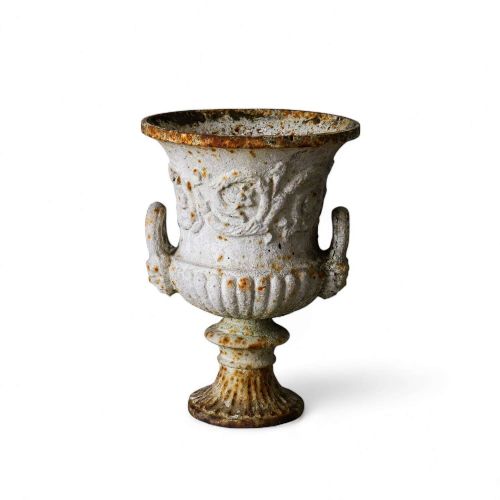
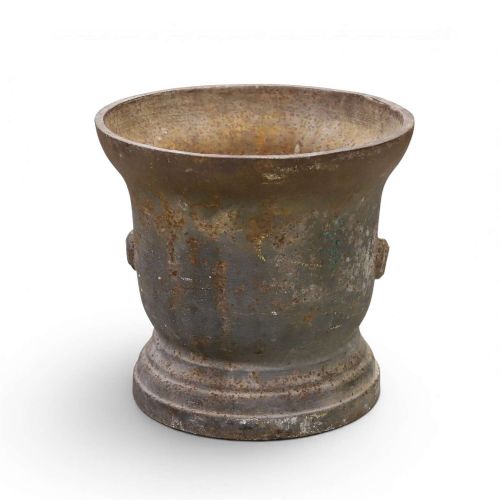
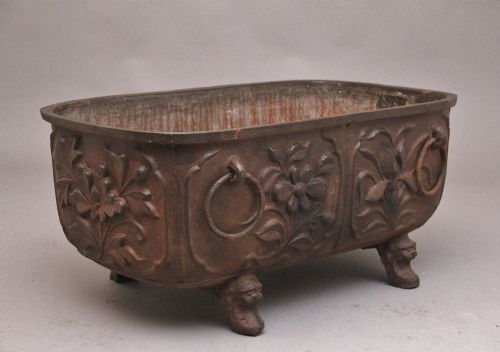
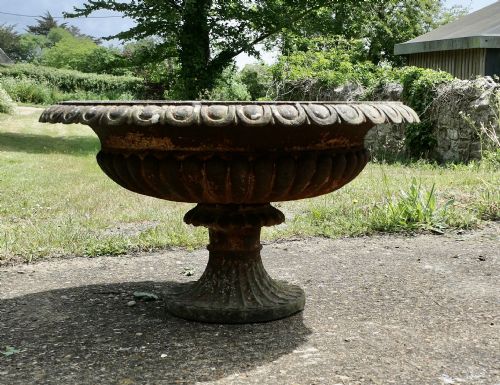
Nineteenth-century garden planters and Campana urns dominate the choices on this page, alongside earlier French chateau mortars and Asian temple baths. These items bridge practical domestic use and landscape decoration with remarkable durability.
How they were made
The primary material across the selection is cast iron, sometimes accompanied by wrought iron, bronze, stone, or applied enamel and paint finishes. Foundries poured molten metal into sand moulds to create thick walls and crisp decorative relief.
Japanese examples demonstrate specialist metalworking traditions, occasionally incorporating cloisonné lids or delicate metal textures. French and English kitchen mortars and garden urns rely on industrial sand casting to achieve their substantial weight and structural stability.
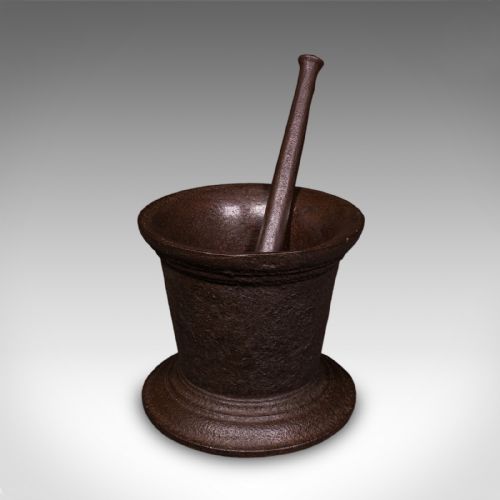
Some early apothecary mortars weigh as much as a small adult, designed to stay put while frantic grinding took place.
What varies in quality
Quality in a cast iron vessel lies in the crispness of the foundry casting and the integrity of the original surface. Finer pieces retain sharp architectural details, maker markings, or balanced proportions without excessive pitting or structural repairs.
The distinction between standard utility items and superior foundry work rests on design ambition, such as classical revival ornamentation on garden urns or refined surface work on Japanese tetsubin and sake kettles.
Andrew Handyside·Val d'Osne Foundry·Kibundo
The Cast Iron Vessel Glossary
- Campana urn
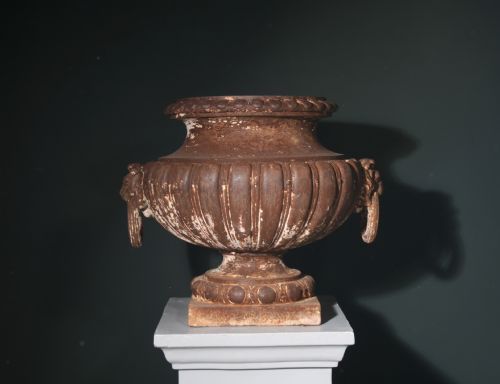
- A bell-shaped garden vessel popular in classical and Victorian landscape design. This form provides a wide mouth tapering down to a sturdy foot.
- Tetsubin
- A traditional Japanese cast iron kettle used for boiling water. These objects often display textured exteriors and include specialised lids.
- Mortar
- A heavy bowl used with a pestle for crushing or grinding substances. Historical kitchen and apothecary versions utilise thick iron walls to withstand heavy impact.
- Jardiniere
- An ornamental pot or stand designed to hold live plants or flowers. These items appear frequently in 19th-century garden settings.
- Cloisonné
- An enamelling technique where decorative compartments are created using thin metal wires soldered to a base. This technique appears on the lids of specific Japanese kettles.
Cast Iron Vessel: Frequently Asked Questions
What are cast iron garden urns used for?
Garden urns serve as prominent focal points in landscape design, often placed on lawns, terraces, or plinths. They function primarily as deep planters for large floral displays or shrubs.
Their substantial weight allows them to remain stable outdoors through changing weather conditions. Over time, the metal develops patinas that integrate well with garden surroundings.
What is the difference between Japanese and European vessels?
European cast iron items generally focus on heavy architectural garden ornaments, industrial measures, and domestic mortars. These pieces emphasise classical revival styles or robust utilitarian function.
Japanese vessels on this page concentrate on refined tea and sake kettles featuring delicate textures and specialised metalwork. Their craftsmanship reflects distinct regional aesthetic traditions of the Edo and Meiji periods.
How can you tell the age of a cast iron piece?
Dating relies on stylistic indicators, manufacturing methods, and known foundry marks or historical periods. Victorian and Georgian pieces often display specific classical motifs or proportions typical of their era.
Surface characteristics such as layered paint, oxidation patterns, and casting seams provide further clues regarding production techniques. Comparing known workshop output helps confirm specific chronological attribution.