




Cast Iron Urn Pots
Cast iron urn pots bring enduring classical form to outdoor spaces, offering heavy, weather-resistant planting vessels designed for garden display.
Cast Iron Urn Pots
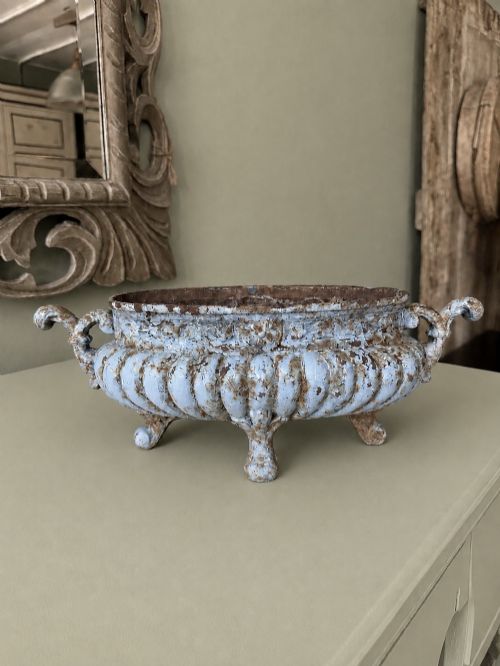
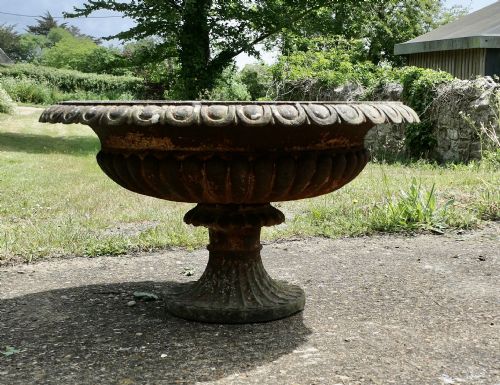
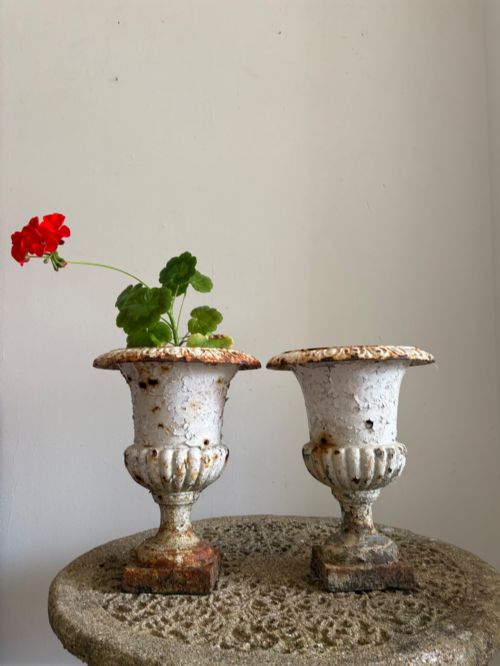
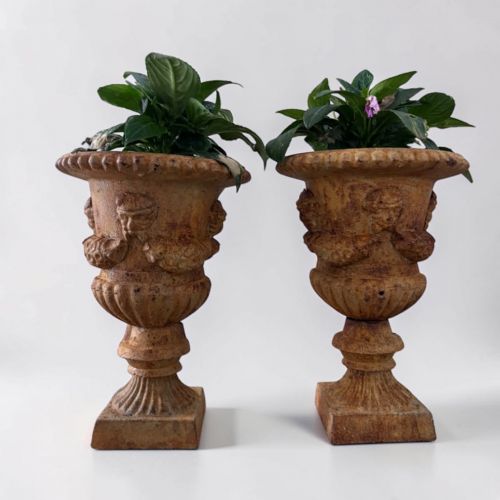
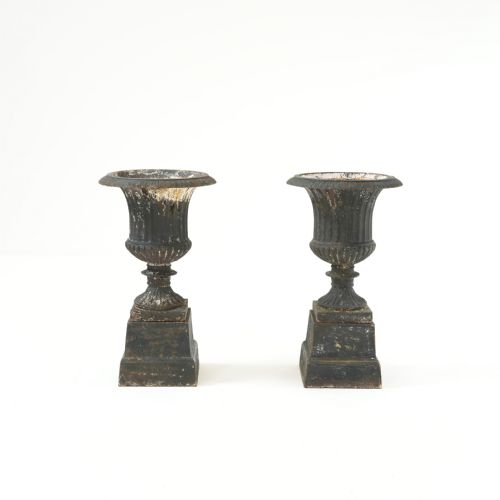
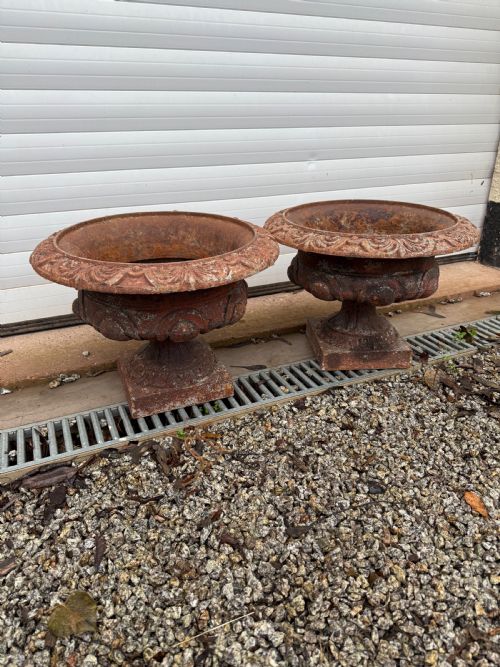
When searching for cast iron urn pots, buyers examine heavy garden vessels built for outdoor display across periods spanning the nineteenth and twentieth centuries. These pieces typically take the form of traditional garden urns, campana shapes, and jardinières suited for patios and grounds.
Materials and construction
These items are cast in iron, utilising traditional foundry methods to achieve robust walls and detailed decorative relief. Surviving examples frequently retain traces of original painted finishes or show the varied textures of weathered metal.
Certain pieces incorporate stone elements or sit atop separate plinths, combining heavy metal bowls with stable bases designed to withstand external garden conditions.
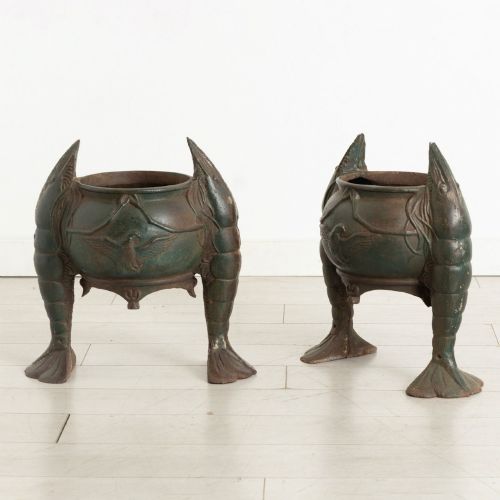
Among classical campana designs and traditional gadrooned bowls, the selection includes a whimsical pair shaped as marine shrimp.
Assessing quality and character
Quality in these vessels rests upon the crispness of the casting detail, particularly around classical motifs, handles, and gadrooned rims. Superior examples display clean lines and well-proportioned bowls that sit securely on their bases.
The integrity of the metal and the uniformity of the heavy walls distinguish finer castings from simpler utilitarian pots. Surface patination, whether from old paint or natural weathering, adds considerable character to period pieces.
Andrew Handyside
The Cast Iron Urn Pots Glossary
- Campana urn
- A bell-shaped garden vessel with an inverted bell profile, flared rim, and pedestal base. This classic form appears frequently in nineteenth-century garden metalwork.
- Gadrooned
- Decorated with a series of convex curves or flutes carved or cast in a symmetrical pattern. This ornamental detail often encircles the lower bowl of an urn.
- Jardiniere
- An ornamental pot or stand designed to hold growing plants or flowers. These vessels function as substantial planters for indoor or outdoor garden displays.
- Plinth
- A heavy rectangular or square block base that supports an urn. Many garden urns are mounted upon these matching pedestals to elevate the planting display.
Cast Iron Urn Pots: Frequently Asked Questions
Are cast iron urn pots frost proof?
Cast iron construction makes these heavy urns durable for outdoor use through seasonal weather changes. Proper drainage helps protect the metal and planting contents.
Gardeners typically site them on firm paving or gravel where heavy pots can rest securely throughout the year.
How do I identify Victorian cast iron urns?
Victorian examples often display classical revival motifs, heavy fluting, and traditional campana or gadrooned profiles. The weight of the metal and older surface paint layers indicate nineteenth-century production.
Examining the casting seams and interior texture helps distinguish period foundry work from later twentieth-century reproductions.
Can these urns be used indoors?
Their considerable weight and substantial proportions mean these urns are primarily designed for gardens, terraces, and outdoor display. Using them indoors requires careful placement and protective saucers.
Interior settings suit larger entrance halls or conservatories where the classical silhouette complements architectural spaces.
Do cast iron urns need plinths?
Many urns are designed to sit directly on stone bases, steps, or garden terraces without additional support. Plinths elevate the vessel to improve sightlines in a garden design.
Matching a campana urn with a dedicated plinth creates a balanced neoclassical silhouette often found in nineteenth-century settings.