


Cast Iron Park Seat
A cast iron park seat anchors an outdoor space with historic weight and robust structure, offering enduring utility across gardens and terraces.
Cast Iron Park Seat
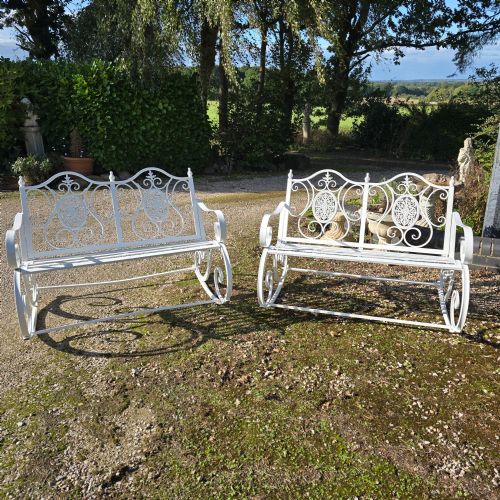
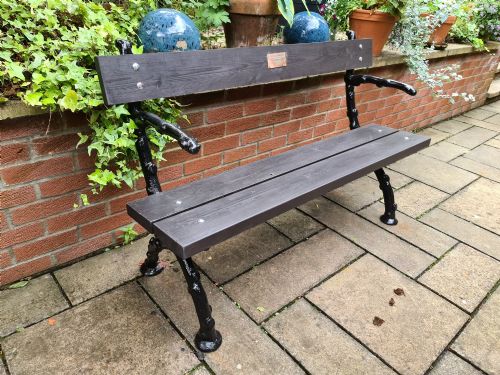
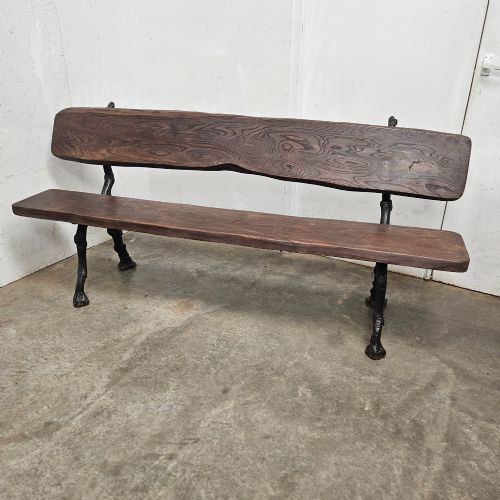
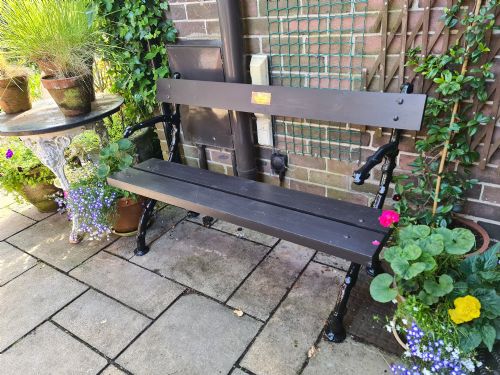
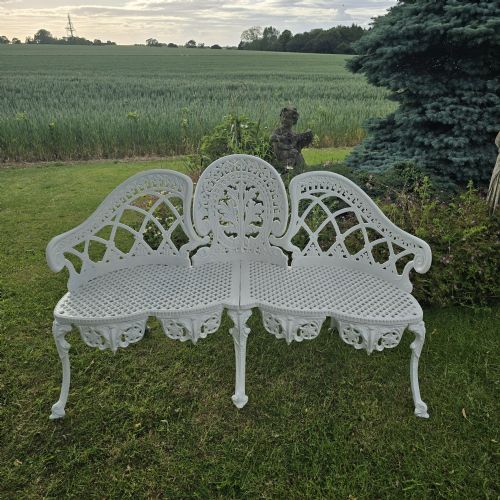
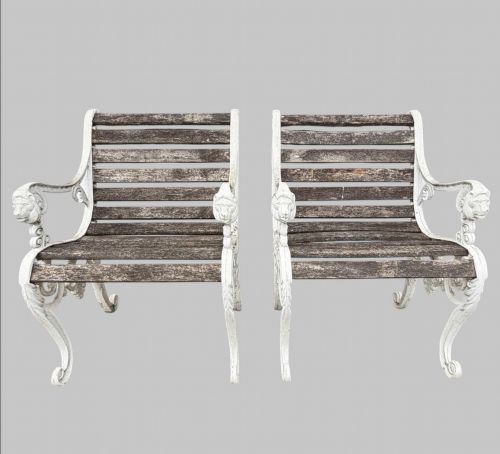
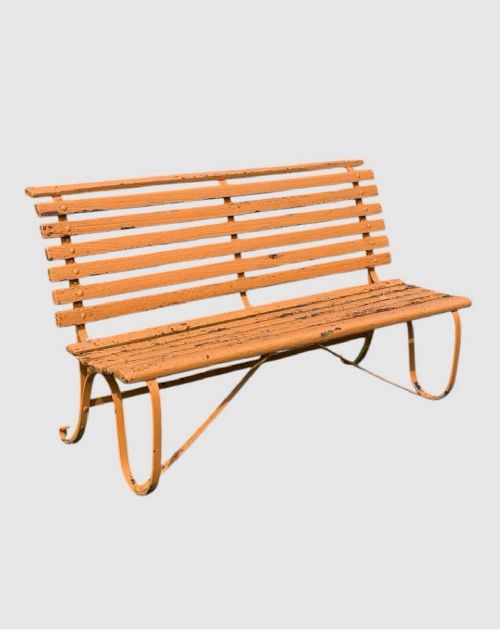
When you search for a cast iron park seat, you encounter substantial outdoor furniture designed for public or domestic grounds. These pieces range from substantial four-seater benches to smaller garden armchairs and individual bench ends.
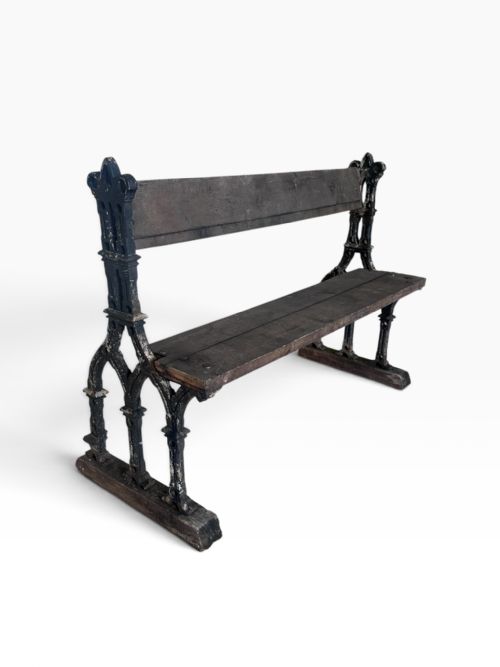
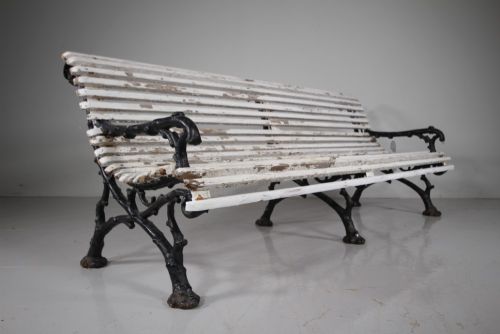
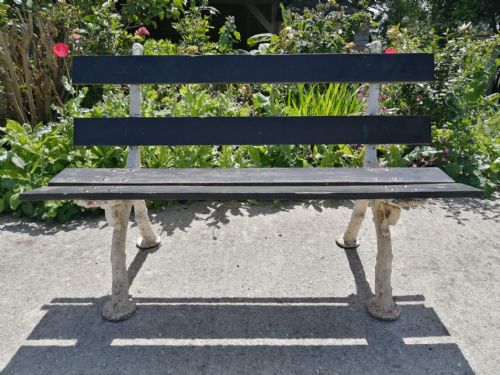
The versions you are most likely to meet on this page span the nineteenth century and early twentieth century. They include Victorian gothic designs, rustic patterns, and faux bois timber-imitation styles.
Origins represented in the evidence include English and French examples, alongside specific foundry designs. Forms encompass garden benches, patio seats, and matched outdoor furniture sets.
Materials and construction methods
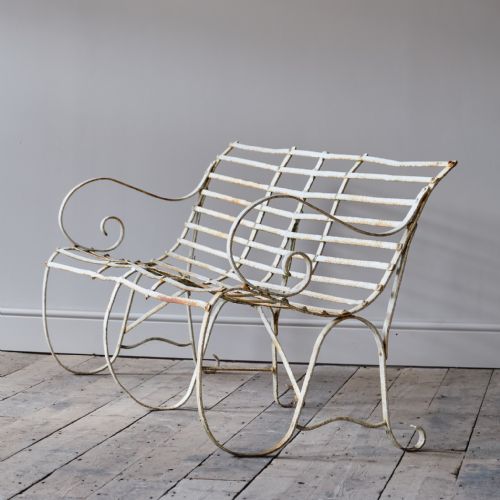
The primary structure relies on cast iron, often shaped into intricate bench ends, lion masks, or gothic tracery. Wrought iron strapwork also appears in certain frames, adding linear contrast to the cast components.
Slats and seating surfaces utilise timber, with elm and various other woods fitted to the metal supports. Paint finishes and protective coatings are applied to preserve the metal and wood against outdoor elements.
A few intrepid nineteenth-century polo players in Calcutta apparently required specialised garden chairs to sit out the matches in style.
Distinctions in quality
The fidelity and crispness of the casting define the upper tier of these pieces. Foundry work featuring sharp relief, such as detailed faux bois grain or defined lion masks, demonstrates superior initial production.
The integrity of the combination between metal frames and wooden slats dictates durability. Original matched components and recognised design attributions elevate individual pieces above standard utility seating.
Coalbrookdale·Val D'osne
The Cast Iron Park Seat Glossary
- Faux bois
- Imitation wood. This technique involves casting iron to replicate the natural grain, knots, and bark of timber.
- Bench ends
- Structural supports. These are the heavy cast metal side panels that hold the wooden slats of the seat and backrest.
- Gothic Revival
- An architectural style. This aesthetic utilises pointed arches, tracery, and medieval motifs applied to nineteenth-century metalwork.
- Wrought iron
- Hammered metal. Unlike cast iron, this material is worked by hand while hot to create flexible straps and scrolls.
Cast Iron Park Seat: Frequently Asked Questions
How do I date a cast iron park seat?
Dating relies on stylistic clues such as Victorian gothic motifs, registration marks, and construction techniques. Nineteenth-century examples often display heavier casting and specific foundry patterns compared to later interwar pieces.
Examining the type of timber used for the slats and the wear on the metal points helps confirm the age of the seat. Comparing the design to known nineteenth-century foundry catalogues further clarifies the period.
Were these seats meant for permanent outdoor use?
These seats were engineered specifically for public parks, gardens, and large estates where exposure to weather was constant. Cast iron resists rotting and provides a heavy, stable base that withstands outdoor elements.
Protective paint layers historically shielded the iron from rust, while durable timbers like elm handled moisture. Regular maintenance remains necessary to preserve both the metal frame and the wooden slats.
What is faux bois on garden furniture?
Faux bois is a decorative technique where iron is cast to mimic the appearance of real wood. Makers sculpted the moulds to include natural knots, bark textures, and branch-like forms.
This stylistic choice combined the structural strength of metal with the rustic aesthetic of timber. It became particularly popular during the Victorian period for garden and park seating.
Can I buy just bench ends?
Listings sometimes include standalone bench ends rather than complete seats. These cast iron panels allow owners to restore an antique frame by supplying new timber slats.
Purchasing bench ends requires verifying that the pair matches in size and design pattern. They serve as a practical starting point for restoring historical outdoor seating.