




Traditional Garden Seating
Traditional garden seating brings enduring character to outdoor spaces through time-tested materials and classic forms.
Traditional Garden Seating
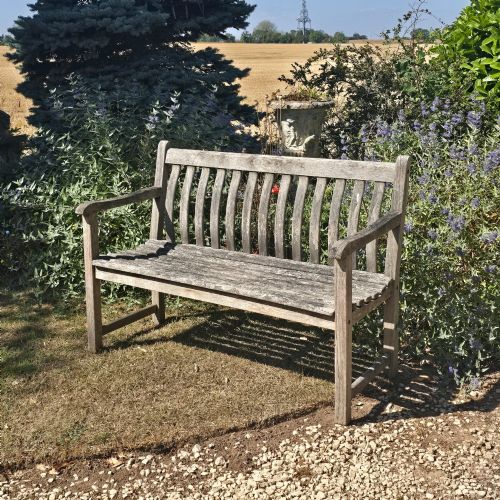
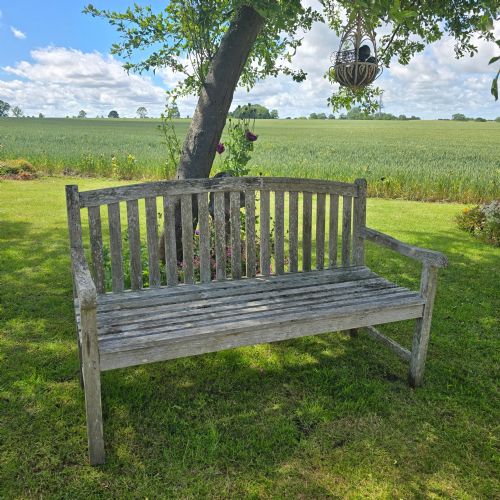
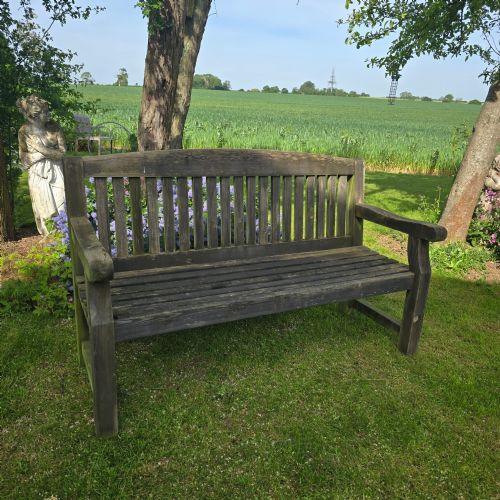
Traditional garden seating encompasses benches, armchairs, and stools designed for exterior environments across multiple historic periods. Buyers encountering this selection will most frequently find wooden benches alongside metal and stone examples.
The objects originate from the nineteenth and twentieth centuries, spanning Victorian, Edwardian, and mid-century eras. Forms range from straight timber slats to curved tree seats and ornate metalwork.
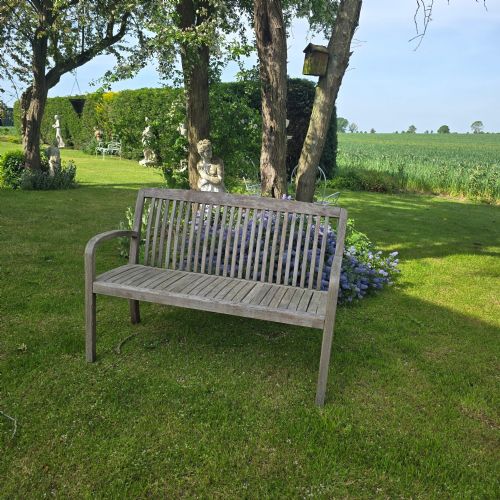
Pieces draw upon English country and rustic styles, integrating smoothly into established gardens and conservatory settings. Regional variations include oak orangery benches and teak slatted designs.
Materials and construction methods
Teak and oak form the primary wooden structures, valued for their natural durability against outdoor elements. Timber components frequently feature slatted construction to shed rainwater efficiently.
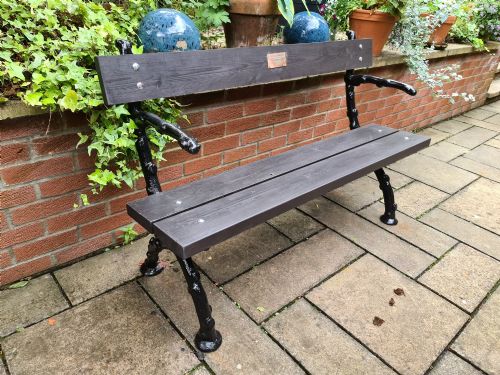
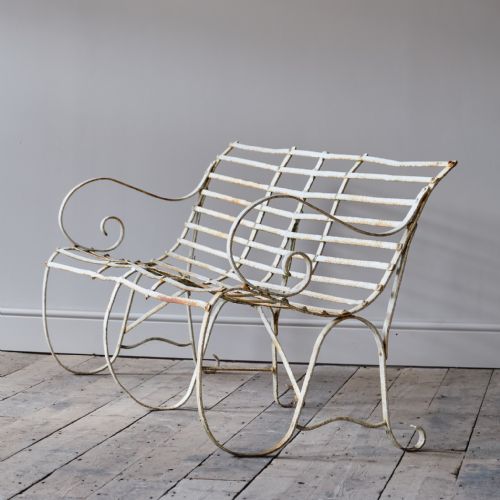
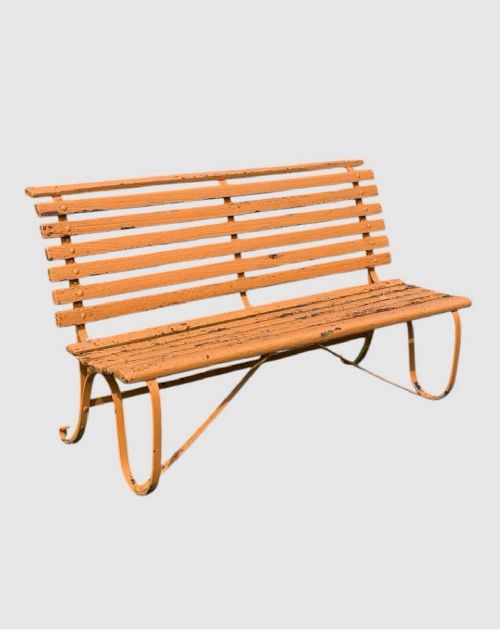
Cast iron and wrought iron provide structural rigidity and decorative strapwork for nineteenth-century framework. Foundries shaped molten iron into elaborate side supports and floral motifs.
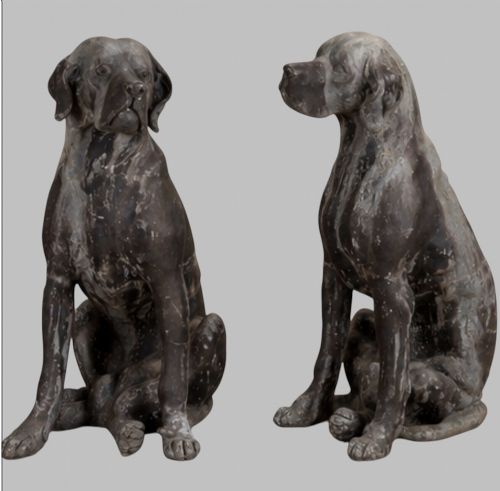
Reconstituted stone and cast lead comprise sculptural elements such as guardian lions and ornamental statues associated with garden layouts.
Several sets of stone lions and seated hounds keep permanent, silent watch over the garden paths.
Distinctions in quality
Quality rests upon the integrity of original joints, the depth of weathering on timber surfaces, and the crispness of iron castings. Superior examples retain their structural stability without excessive timber replacement.
The thickness of metal components and the complexity of strapwork distinguish finer workshop output from standard utility pieces. Patina developed through decades of weathering indicates genuine age rather than artificial ageing.
The Traditional Garden Seating Glossary
- Teak
- A dense, oil-rich hardwood that weathers to a silver-grey patina when exposed to outdoor conditions. It resists rotting and requires minimal chemical treatment.
- Cast Iron
- Molten iron poured into a mould to create rigid bench ends and decorative panels. It provides heavy weight and detailed ornamentation.
- Wrought Iron
- Iron heated and hammered into shape by hand, resulting in tough, flexible strapwork for garden furniture. It often shows subtle forge marks from manufacture.
- Tree Bench
- A circular or polygonal seat constructed to surround the trunk of a mature tree. This form allows seated occupants to enjoy shade.
- Orangery
- A glass-roofed stone or brick building used to protect tender plants, often furnished with specialised wooden seating.
Traditional Garden Seating: Frequently Asked Questions
How do I protect my wooden garden bench through winter?
Teak and hardwood furniture withstand winter weather naturally due to their high oil content, developing a protective silver-grey surface layer over time.
Covering the timber during the harshest months or storing pieces under shelter prevents excessive moisture retention and frost damage.
Can cast iron garden seats stay outside all year?
Cast iron elements endure outdoor conditions reliably, provided the protective painted or oxidized surface remains mostly intact.
Checking for surface rust and applying appropriate metal treatments periodically prevents deep corrosion from compromising the structural strength.
What is the difference between Victorian and Edwardian styles?
Victorian garden furniture frequently employs heavier cast iron framing with ornate, botanical motifs and robust timber slats. The aesthetic emphasises solidity and elaborate decoration.
Edwardian designs tend toward lighter proportions, simpler lines, and an increased reliance on weathered teak without heavy metal structural supports.
How do I identify a genuine period piece?
Examine the fixings, timber weathering patterns, and casting seams for signs of genuine age and historical manufacturing techniques. Hand-forged elements and deep, uniform silvering on teak point toward historical authenticity.
Compare the proportions and joinery methods against documented examples from the nineteenth and early twentieth centuries.