


Cast Iron Garden Urn
A cast iron garden urn brings formal classical weight to grounds and terraces through enduring metalwork and classical revival proportions.
Cast Iron Garden Urn
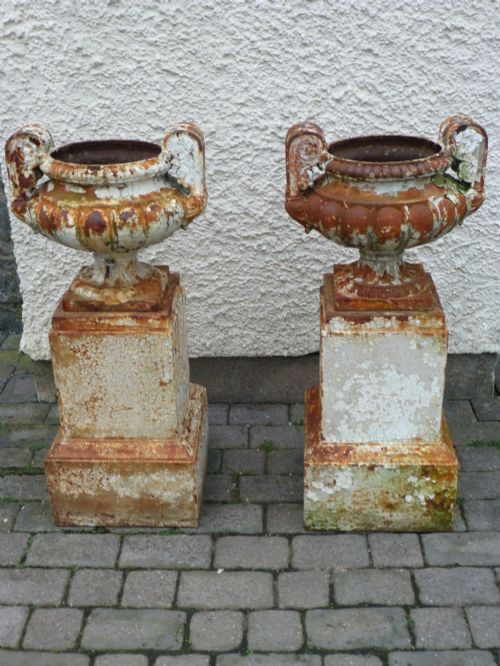
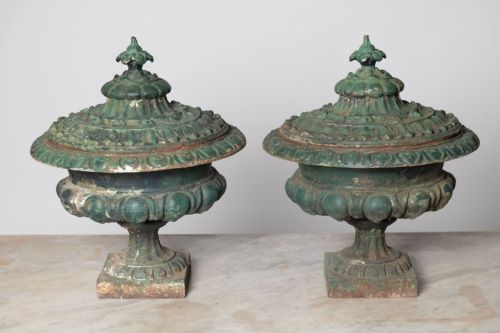
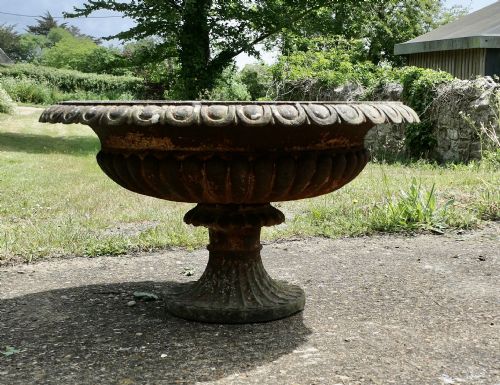
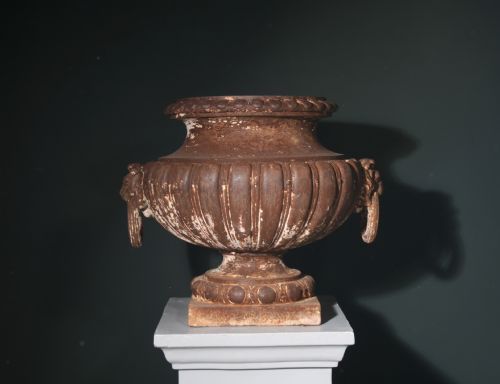
A cast iron garden urn provides a substantial focal point for grounds, terraces and courtyards, drawing heavily on classical vocabulary. The pieces seen here span the nineteenth century and the Victorian era, alongside examples from around eighteen-ninety and nineteen hundred.
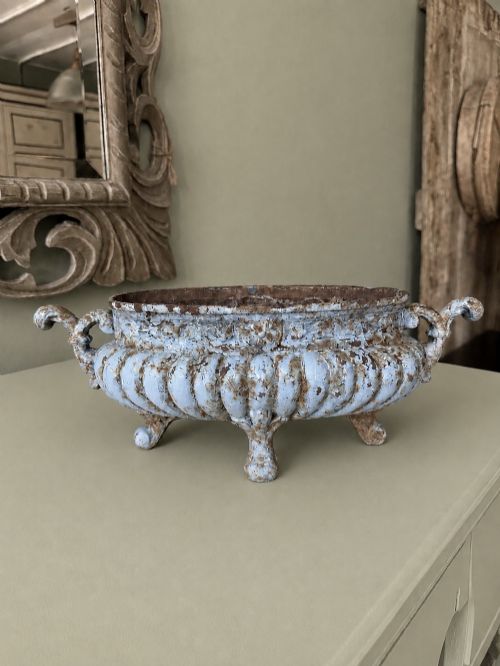
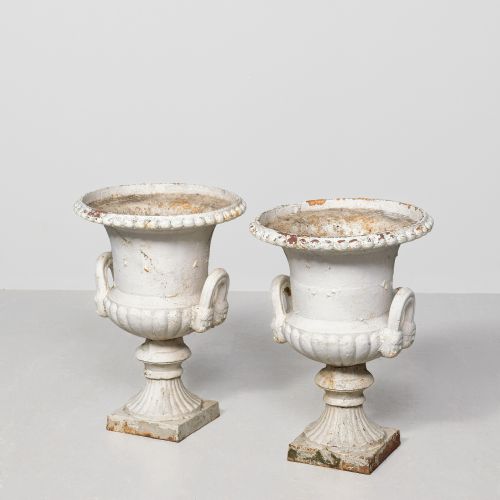
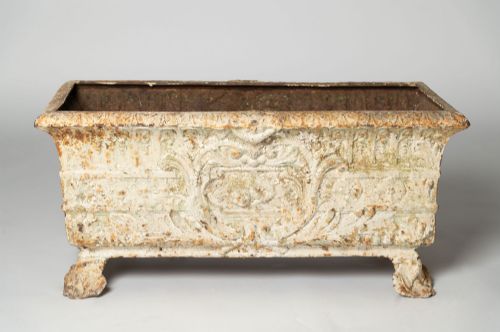
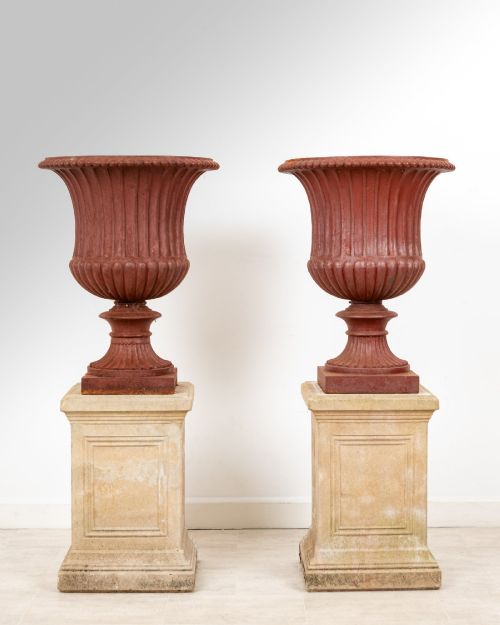
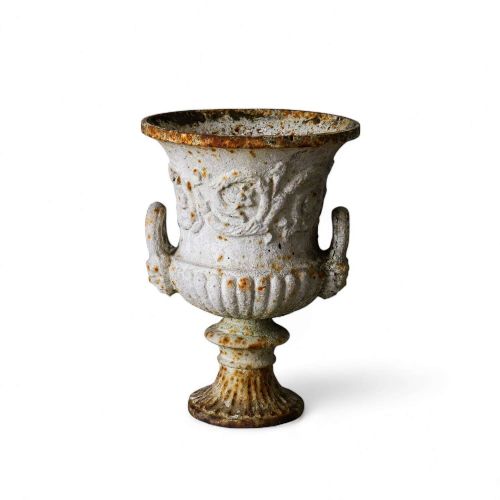
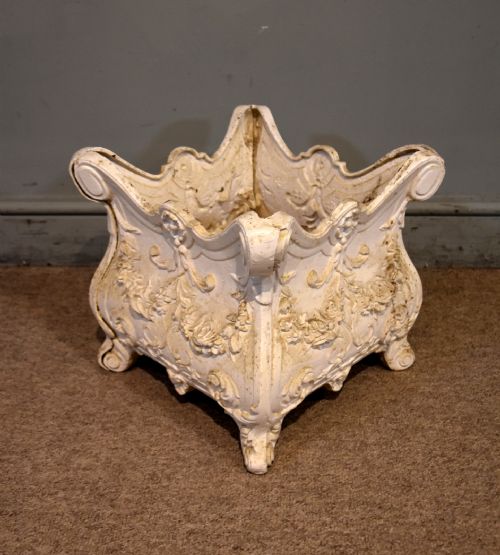
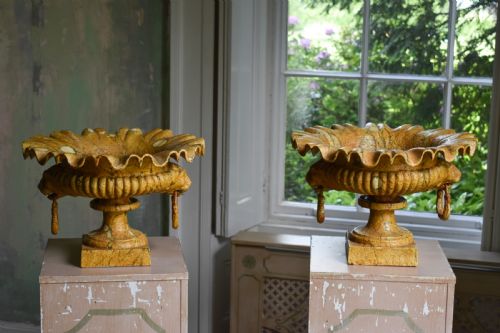
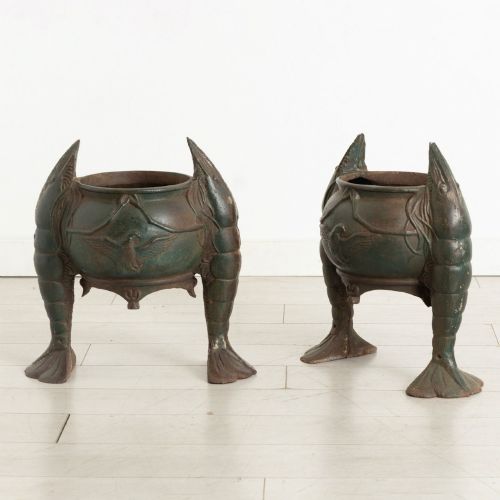
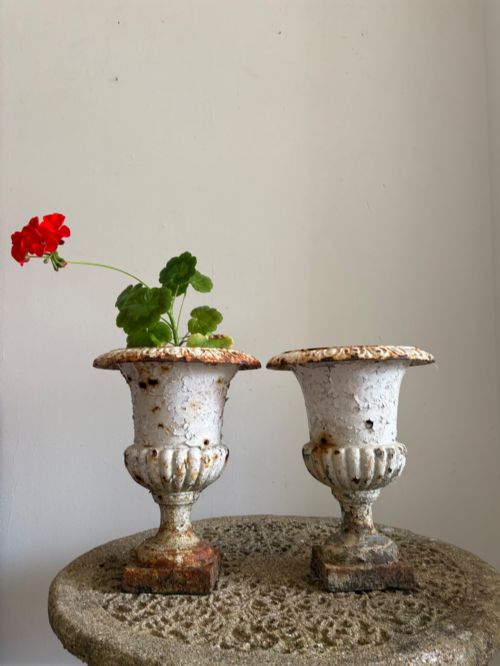
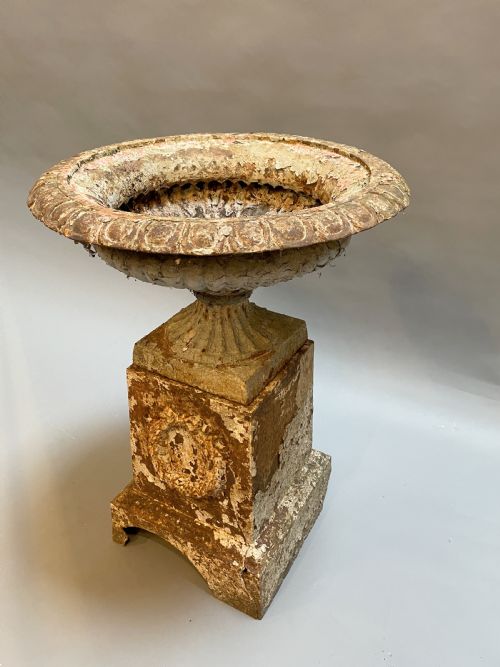
The most common form met on this page is the campana shape, alongside tazza forms and larger garden planters. These vessels appear both as individual statements and in matched pairs, sometimes raised upon dedicated plinths or stands.
Materials and casting
Makers utilised heavy cast iron poured into moulds to achieve rigid walls and crisp ornamental detailing. Many examples retain layers of old paint or show weathered surfaces resulting from outdoor exposure over generations.
Certain pieces combine the primary metal structure with stone elements or sit atop separate stone and iron plinths. The casting process allowed for repetitive production of classical revival motifs while maintaining structural heft.
Cast Iron Garden Urn Retail Price Guide 2026
Typical asking prices for cast iron garden urn among the pieces listed under this phrase on Sellingantiques today, from the lower quarter to the upper quarter. They describe what is for sale here now, not the wider market.
Listings feature nineteenth century and Victorian periods alongside cast iron and stone materials.
Proportion and presence
Quality rests in the crispness of the classical ornament and the harmonious balance of the vessel's proportions. Superior examples display clean lines in the handles, rims and footed bases without losing definition in the cast relief.
The scale of the piece and whether it survives as a true matched pair significantly influences the character of the vessel. Heavy metal thickness and honest weathering through successive layers of paint complete the distinction between ordinary and distinguished specimens.
Andrew Handyside
The Cast Iron Garden Urn Glossary
- Campana urn
- A bell-shaped garden vessel with flared rims and looped handles, popular in Victorian classical revival schemes.
- Tazza
- A shallow bowl-shaped urn raised upon a central pedestal and foot, used historically for display.
- Plinth
- A heavy architectural base block supporting an urn to elevate its position in a garden setting.
- Jardiniere
- An ornamental container designed specifically to hold plants or floral arrangements outdoors.
Cast Iron Garden Urn: Frequently Asked Questions
How do I place a cast iron garden urn?
These vessels anchor formal garden layouts, sitting well at the termination of pathways, upon terrace corners, or flanking stone steps.
Their heavy construction allows them to remain out in all weather seasons without risk of tipping.
Are these urns frost proof?
Cast iron is robust and withstands outdoor conditions well, though gardeners often raise the base slightly off damp ground.
Drainage holes inside the bowl prevent water pooling and freezing during winter months.
Can I plant directly into them?
The vessels serve as deep planters suitable for shrubs, seasonal bedding, or trailing foliage.
Many owners place potted plants inside rather than filling the entire cavity with soil to manage weight.
How do I tell Victorian examples apart?
Nineteenth-century and Victorian pieces typically show heavier iron casting and distinct classical revival detailing such as egg-and-dart borders.
Examining the casting seams and the patina of the old paint layers helps indicate the period of manufacture.