



Cast Iron Dining Table
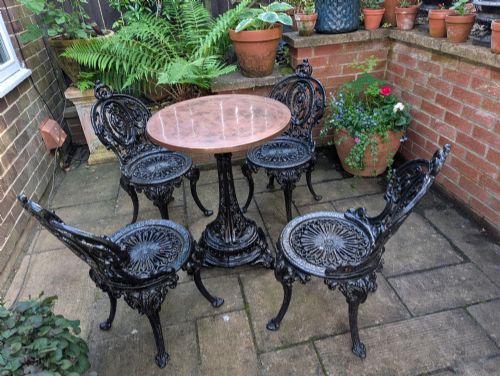
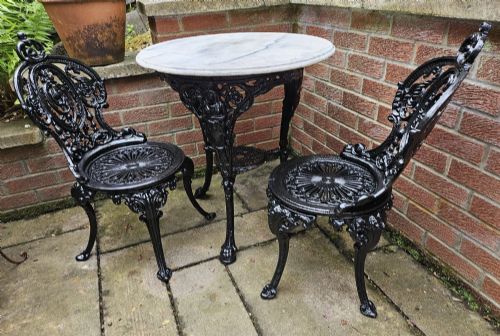
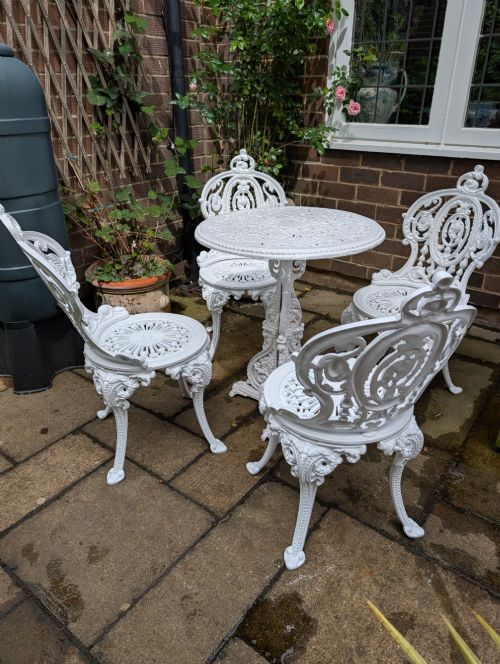
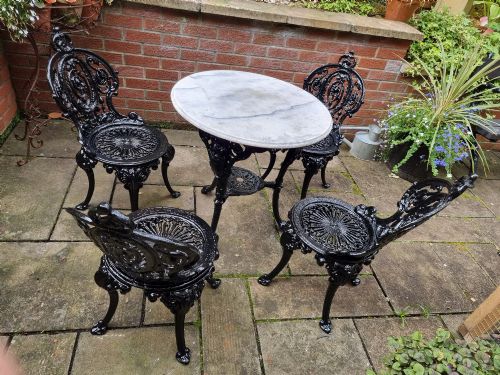
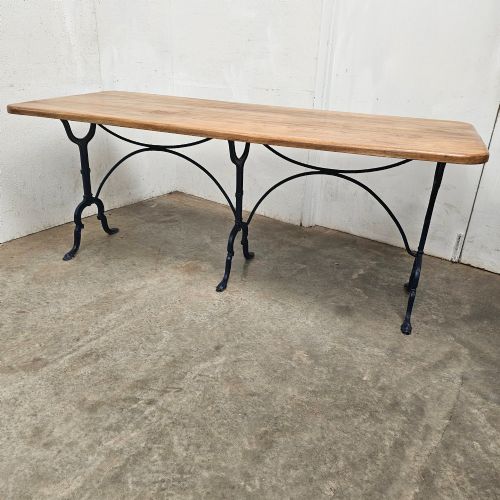
A cast iron dining table brings industrial strength and robust character into a room, combining durable metal bases with timber or stone surfaces.
Cast Iron Dining Table
When you search for a cast iron dining table, you encounter a robust mix of heavy metal supports paired with timber or stone tops. These pieces span the nineteenth century, the Victorian era, and the early twentieth century, including the decades up to nineteen thirty. The selection covers French industrial, French country, provincial, bistro, and Art Deco styles.
You frequently meet bistro tables, garden dining sets, and dedicated dining tables alongside console tables and standalone table bases. Materials range from cast iron and iron to oak, elm, pine, mahogany, marble, granite, copper, and paint.
Many examples derive from continental cafe and garden traditions, while others originate from domestic, pub, or ships settings. The combinations pair heavy metal pedestals or legs with tops of solid wood or polished stone.
What varies in quality
The sophistication of the foundry work sets the standard for the metal base, with crisp detailing and balanced proportions distinguishing finer castings from simpler utilitarian examples. Heavier frameworks provide greater stability and indicate a more substantial build.
The choice and preservation of the top material also determine the overall standard, whether through the figuring of the oak and elm or the clean integration of marble and granite. Well-matched components that retain their original partnership demonstrate a higher level of integrity.
Cast Iron Dining Table Retail Price Guide 2026
Typical asking prices for cast iron dining table among the pieces listed under this phrase on Sellingantiques today, from the lower quarter to the upper quarter. They describe what is for sale here now, not the wider market.
Some tables were built heavy enough to survive a French tavern brawl and still hold a quiet cup of coffee.
Christopher Dresser
The Cast Iron Dining Table Glossary
- Cast Iron
- An iron-carbon alloy poured into moulds to form rigid components. It provides the heavy, durable foundations seen in nineteenth-century and twentieth-century tables.
- Bistro Table
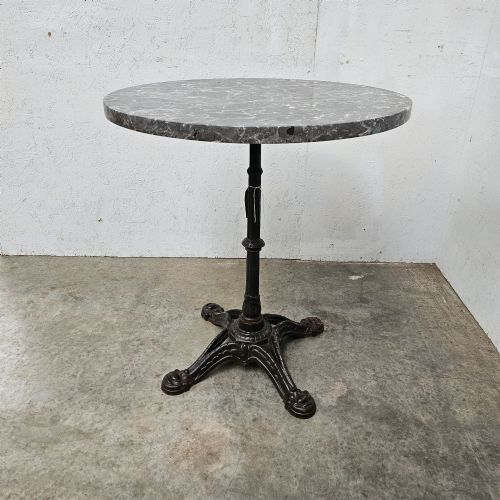
- A small dining table originally designed for French cafes and outdoor terraces. These usually feature a single central iron column or three-legged iron base beneath a round top.
- Patisserie Table
- A heavy commercial table traditionally used in French bakeries and food halls. They typically combine robust cast iron supports with thick marble or stone surfaces.
- Table Base
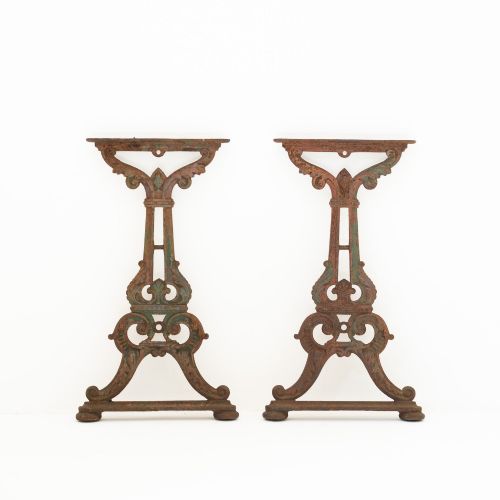
- The structural underframe without its top surface. Many listings offer these independently so buyers can pair them with reclaimed or custom timber.
Cast Iron Dining Table: Frequently Asked Questions
How do I clean a marble top?
Wipe the surface regularly with a soft cloth dampened in warm water and mild soap. Avoid acidic cleaners that can etch the stone.
Dry the marble thoroughly afterwards to prevent water marks and maintain the polished finish.
Can these be used outdoors?
Many examples originate as garden furniture or bistro sets designed for open-air use. The iron bases handle exterior environments well when properly maintained.
Protect vulnerable timber tops or bring stone and wood indoors during harsh weather to preserve the materials.
How do I date an iron base?
Examine the casting quality, fastener types, and design motifs to estimate the era. Victorian and nineteenth-century pieces often feature registration marks or more elaborate ornamentation.
Twentieth-century examples tend toward cleaner lines, simpler industrial profiles, or defined Art Deco geometry.
Are the tops original to the bases?
Many tables retain their original pairing of metal and top, while others combine historic bases with later timber or stone surfaces. Check how the top fixes to the frame to understand its history.
Both married pieces and matching sets offer distinct practical benefits for modern dining rooms.