



Industrial Pub Table
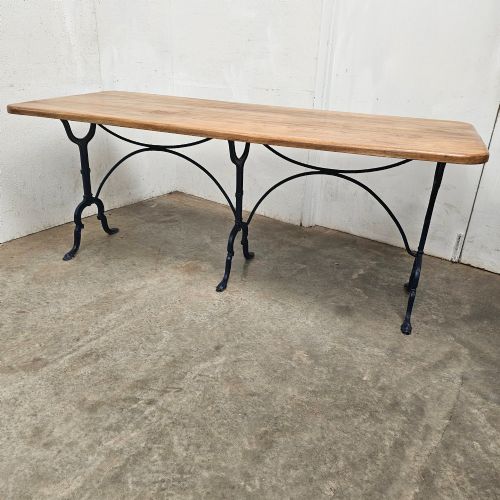
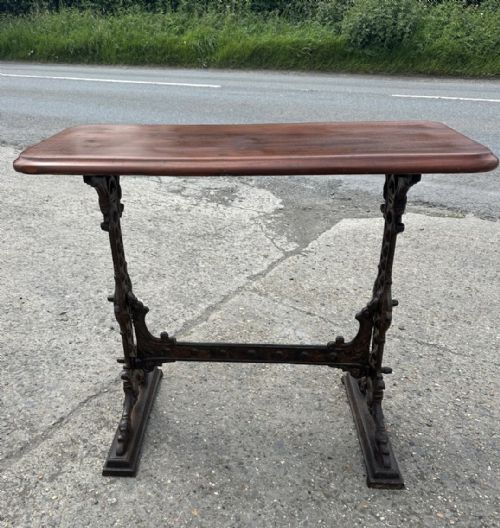
An industrial pub table brings rugged charm to any room, combining robust metal bases with timber tops.
Industrial Pub Table
When you search for an industrial pub table, you are looking at sturdy pieces designed for heavy use in public houses, taverns, and bistros. These tables typically feature a durable metal framework paired with a solid wooden top, offering both longevity and utilitarian character.
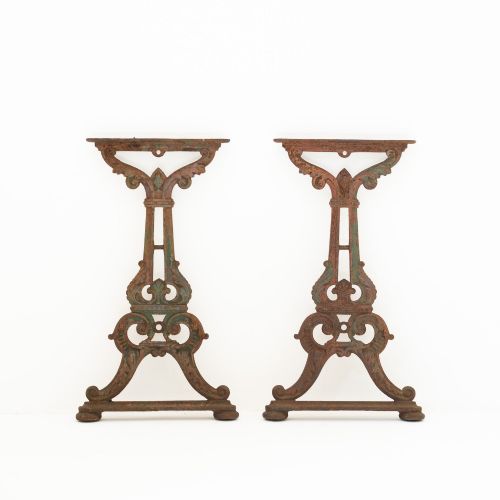
The versions you are most likely to meet on this page span the nineteenth century up to the nineteen-thirties, with Victorian examples appearing frequently alongside French country and provincial styles. Forms range from compact bistro tables and side tables to long tavern and ships tables, as well as standalone cast iron table bases.
Makers and manufacturers utilised various timbers including oak, mahogany, elm, pine, and natural timber for the surfaces. The combination of heavy metalwork and substantial wood creates a distinct silhouette suited to both commercial and domestic interiors.
How they were made
Foundry cast iron forms the structural backbone for these pieces, shaping intricate pedestals, Britannia motifs, and lion bases that provide substantial weight and stability. This metalwork is frequently paired with wooden tops secured directly to the iron framing.
Carpenters and joiners utilised solid hardwoods and softwoods such as oak, mahogany, elm, and pine for the surfaces, often selecting boards capable of withstanding daily wear in a bustling pub or café environment.
Industrial Pub Table Retail Price Guide 2026
Typical asking prices for industrial pub table among the pieces listed under this phrase on Sellingantiques today, from the lower quarter to the upper quarter. They describe what is for sale here now, not the wider market.
Listings feature pieces spanning the nineteenth century, the Victorian era, and the nineteen-thirties, utilising cast iron, oak, mahogany, elm, pine, and iron.
What varies in quality
The sophistication of the cast iron base distinguishes simpler utility pieces from more ornate Victorian and Britannia designs. Finer castings exhibit crisp detailing in the moulding and robust structural integrity.
The choice of timber for the top dictates the overall character, with dense hardwoods like mahogany and oak offering greater substance compared to softer pine or general timber variants. Original surfaces retain a patination that developed through decades of actual use.
The Industrial Pub Table Glossary
- Cast Iron
- A strong, heavy alloy poured into moulds to create rigid machine parts and decorative furniture bases. It provides the essential weight and industrial aesthetic for these tables.
- Britannia
- A specific style of cast iron pub table base featuring the figure of Britannia or distinct Britannia-style motifs. This design is particularly characteristic of nineteenth-century English taverns.
- Bistro Table
- A small table traditionally used in French cafés and dining establishments. They often feature a compact circular or rectangular top supported by a central iron pedestal.
- Patina
- The surface sheen and colour acquired by wood and metal through age, handling, and wear. It serves as an indicator of authenticity and long-term use.
Industrial Pub Table: Frequently Asked Questions
What is an industrial pub table?
An industrial pub table is a sturdy piece of furniture combining a heavy cast iron base with a wooden top. They originated for commercial use in nineteenth-century taverns and bistros.
Today, these tables serve as durable and characterful additions to modern kitchens, dining rooms, and commercial spaces.
How do I identify a Victorian pub table?
Victorian examples often feature heavy cast iron pedestals, sometimes incorporating Britannia figures or ornate scrolling. The timber tops typically consist of oak, mahogany, or elm.
Examining the construction methods and the wear on the metal and wood helps confirm nineteenth-century origins.
Can I use these tables outdoors?
Many listings include garden tables and café bases constructed from cast iron and timber. While cast iron withstands outdoor conditions well, wooden tops require proper maintenance to survive the elements.
Covering or storing wooden surfaces during harsh weather helps preserve the timber.
What woods were used for the tops?
Makers utilised a variety of timbers depending on the region and period. Common woods include durable oak, rich mahogany, sturdy elm, and accessible pine.
Each timber brings a different grain and colour to the finished table.