




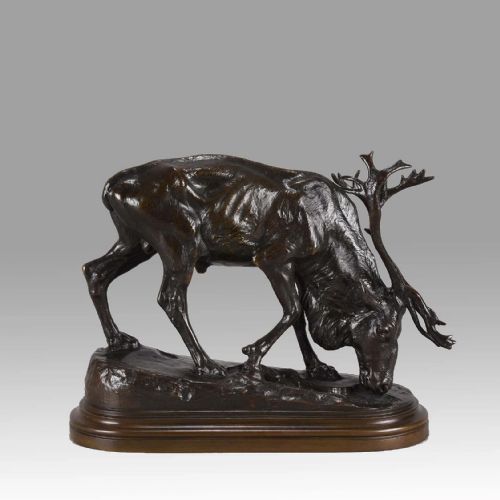
Cast Bronze Wildlife Statues
These cast bronze wildlife statues capture birds and beasts with striking naturalism, offering enduring presence for any room.
Cast Bronze Wildlife Statues
Cast bronze wildlife statues represent animal subjects through dynamic sculptures and figurines. The pieces on this page span the nineteenth century into the early twentieth century, reflecting distinct European and Japanese traditions.
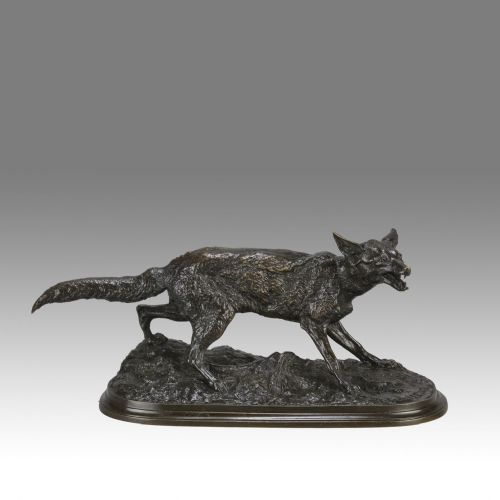
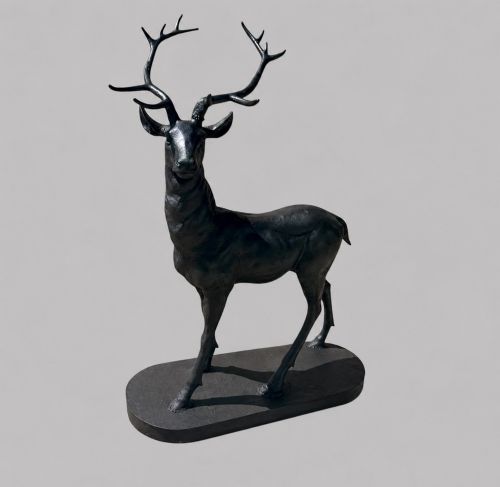
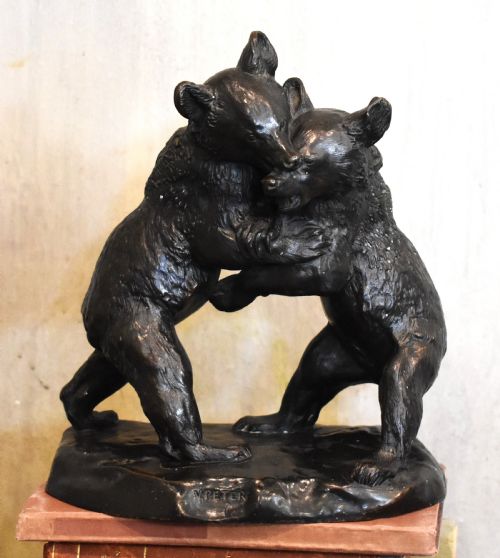
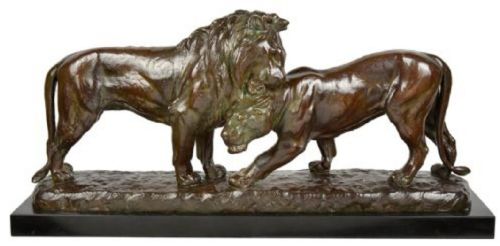
French Animalier works dominate the selection alongside Japanese Meiji period examples and Austrian pieces. Subjects range from stags and bears to foxes, lions, and elephants.
Objects appear mounted on marble bases or standing independently as patinated bronze figures. Each sculpture captures natural forms, from resting hares to fighting bear cubs.
Artistic execution and casting merit
Quality rests upon the precision of anatomical rendering and the liveliness of the pose. Finer sculptures demonstrate deep understanding of animal musculature and movement, captured by skilled modellers.
The sophistication of the foundry work and the depth of the patina distinguish superior examples. Signed casts associated with renowned animalier sculptors command particular attention.
Listings feature works from the nineteenth century, eighteen seventy, eighteen eighty, eighteen ninety, nineteen hundred, nineteen ten, and nineteen twenty.
P J Mêne·Kaniya Kuniharu·Victor Peter·Paul-Édouard Delabrièrre·Antoine Louis Barye·G.GARDET·Vannetti·Alfred Dubucand·Louis Riche·Isidore Bonheur·Jules Moigniez
The Cast Bronze Wildlife Statues Glossary
- Animalier
- Nineteenth-century artistic movement focused on the realistic depiction of animals. Sculptors in this tradition studied live specimens extensively.
- Patina
- The surface coloration achieved through chemical treatment or natural ageing of the bronze. This finish protects the metal and defines the visual tone.
- Okimono
- Japanese decorative statue designed for display in a tokonoma alcove. These Meiji period bronzes often depict wildlife with high naturalistic detail.
- Cold painted
- Method where paint is applied to a finished bronze without heat firing. This technique creates colourful surface decoration on specific Austrian school pieces.
- Foundry mark
- Stamp or signature left by the workshop that cast the metal. These marks identify the commercial house responsible for the production.
Cast Bronze Wildlife Statues: Frequently Asked Questions
What is an animalier bronze?
An animalier bronze is a nineteenth-century sculpture focused specifically on animal subjects in realistic or dramatic poses. These works were produced across Europe, particularly in France.
Artists studied wild and domestic creatures closely to capture accurate anatomy and movement in metal.
How do I care for bronze statues?
Bronze statues require minimal maintenance beyond gentle dusting with a soft, dry cloth. Avoid using chemical polishes that can strip the original patina.
Keep the sculptures away from excessive moisture and direct heat sources to preserve the metal surface.
What is a cold painted bronze?
A cold painted bronze is a metal sculpture decorated with paint applied after casting without high-temperature firing. This technique allowed makers to achieve vivid, lifelike colours on small figures.
These pieces are often associated with Austrian workshops from the nineteenth and early twentieth centuries.
How do I identify Meiji period bronzes?
Meiji period bronzes originate from Japan between eighteen sixty-eight and nineteen twelve, reflecting traditional craftsmanship. They frequently portray wildlife such as elephants and bears with meticulous surface detail.
These works often take the form of okimono, designed for interior display.