




Cast Bronze Paperweights
Cast bronze paperweights bring heavy animalier studies and desk ornaments into focus, offering solid weight and sharp detail for the writing desk.
Cast Bronze Paperweights
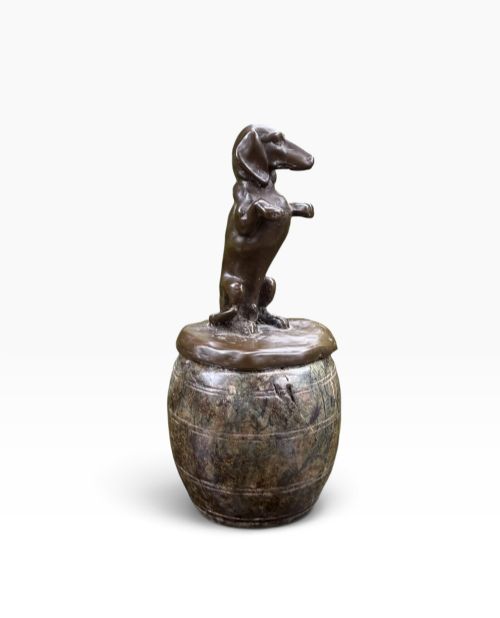
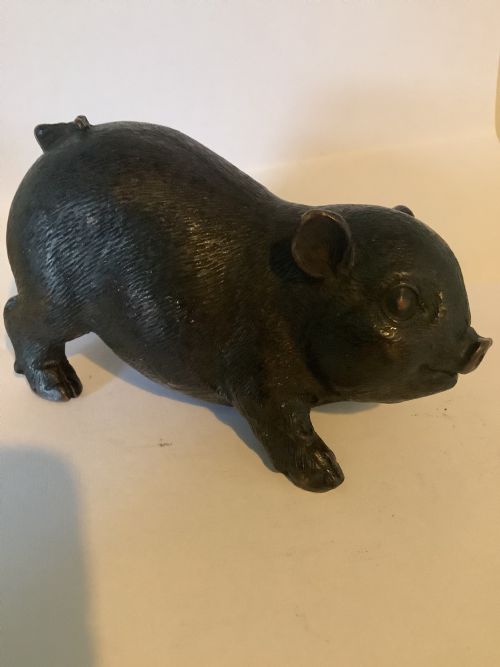
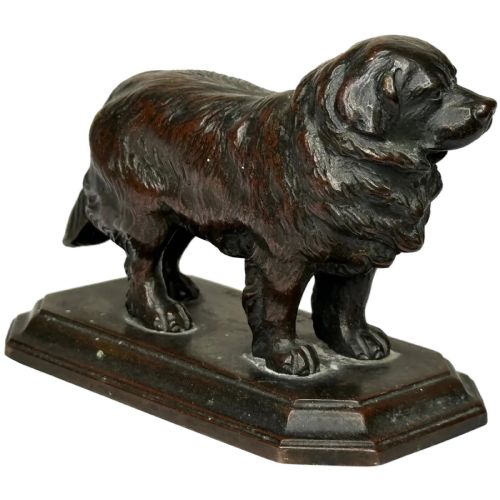
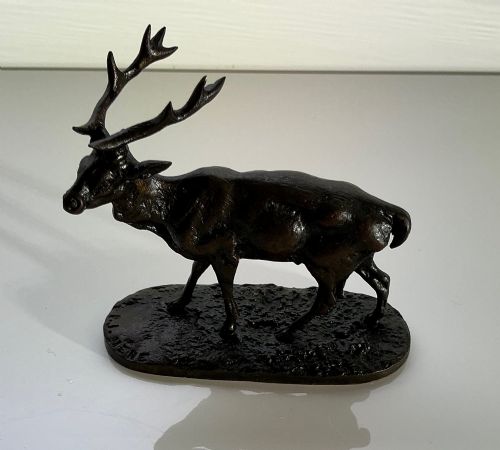
Cast bronze paperweights anchor a desk with figures ranging from realistic dogs and hares to sphinxes and mice. These pieces combine utility with sculptural form, serving as functional desktop anchors.
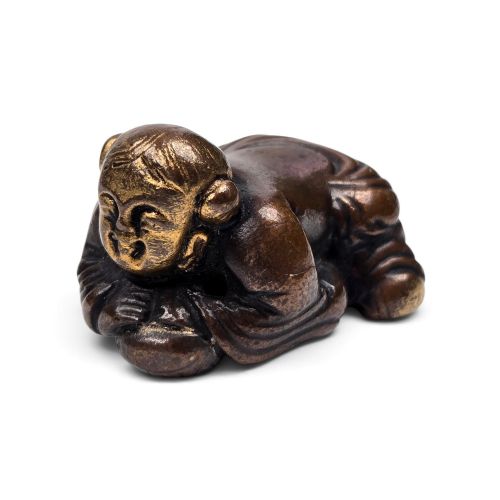
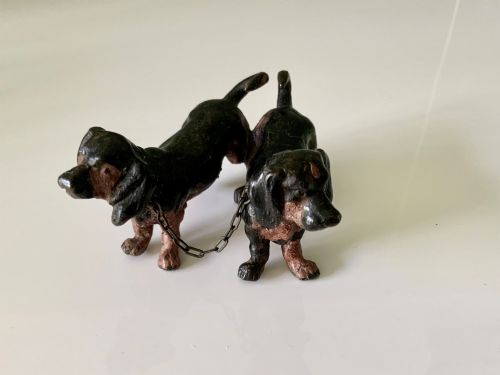
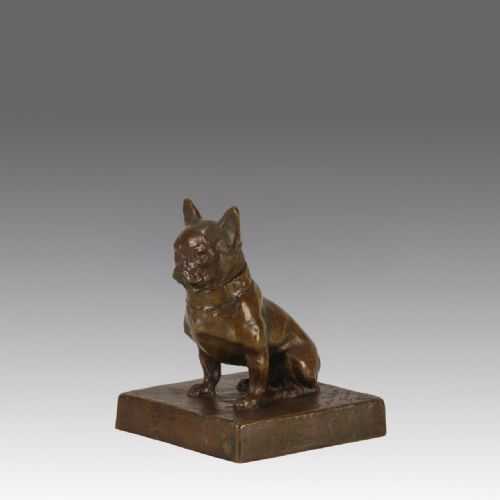
The selections span nineteenth century animalier works, Meiji period Japanese okimono, and twentieth century cold painted Austrian novelties. French animalier studies of hounds and lions sit alongside domestic terriers and dachshunds.
Makers and founders such as Barye and Bergman appear frequently, alongside Grand Tour souvenirs and car mascots adapted for the desk.
Materials and methods
Foundries utilised traditional casting methods to shape molten metal into detailed animal studies and figures. Patination, paint, and gold leaf were applied to the metal surface to alter tone and texture.
Cold painting involved applying polychrome hues directly onto the cold metal after casting, a technique favoured by Austrian workshops. Marble bases and glass eyes frequently complement the primary metal components.
Listings feature nineteen hundred as a frequent production date, alongside Victorian and Meiji period examples utilising bronze, marble, and paint.
Assessing the pieces
The complexity of the subject and the depth of the applied patina dictate the character of the object. Weight, balance, and the preservation of original cold painted surfaces distinguish superior domestic ornaments from routine production.
Antoine Louis Barye·Franz Bergman·Isidore Jules Bonheur·Jennings Brothers·Barbedienne
The Cast Bronze Paperweights Glossary
- Animalier
- A nineteenth century artistic movement focused on the realistic depiction of animals, particularly in bronze. Works often capture beasts in motion or repose.
- Cold-painted bronze
- A method where polychrome paint is applied to a cast bronze object without subsequent kiln firing. This technique creates vivid, colourful finishes on small figurines.
- Grand Tour
- A traditional trip through Europe undertaken by upper class travellers in the eighteenth and nineteenth centuries. Souvenirs included miniature bronzes of classical monuments and sculptures.
- Okimono
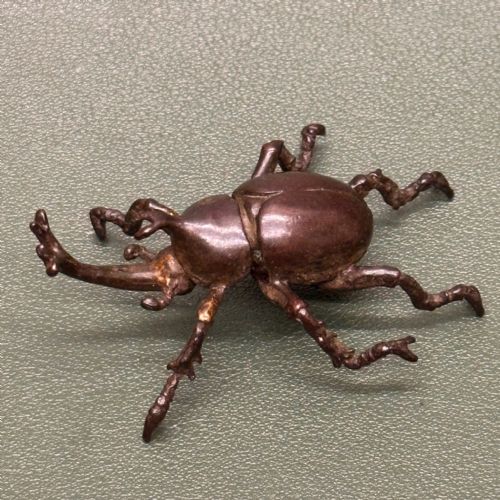
- A Japanese decorative figurine designed for display on a tokonoma or desktop. These carvings and castings often depict animals, insects, or figures with high naturalism.
- Patina
- A surface coloration resulting from oxidation, chemical treatment, or age. It alters the tone of the bronze and protects the metal beneath.
Cast Bronze Paperweights: Frequently Asked Questions
What periods do these pieces date from?
The selections span the nineteenth century through to the mid twentieth century, encompassing Victorian, Edwardian, and Meiji periods. Many date from the peak of animalier production around nineteen hundred.
Earlier examples from the sixteenth century also appear, alongside World War II era items.
How were cold painted bronzes made?
Molten bronze was poured into a mould to create the base figure, which was then cleaned and finished by hand. Artisans applied multiple layers of oil or water based paint to the cold metal without firing.
This technique produced vibrant plumage and fur tones on birds, dogs, and reptiles.
Where should I place a desk ornament?
These heavy figures function naturally on writing desks, libraries, and study tables to hold down loose papers. They sit securely upon flat wooden or leather surfaces.
Smaller pieces like frogs and mice also suit bookshelves or mantelpieces where their fine detail can be inspected closely.
How do I identify a foundry mark?
Foundry stamps, artist signatures, and registration numbers are typically cast into the underside or base of the bronze. Marks such as Geschützt indicate Austrian or German origin and production standards.
Inspection under a magnifying glass helps reveal faint maker signatures near the paws or tail.