

Cast Bronze Metalwork
Cast bronze metalwork encompasses solid figural sculptures, vessels, and household objects shaped through historic foundry traditions.
Cast Bronze Metalwork
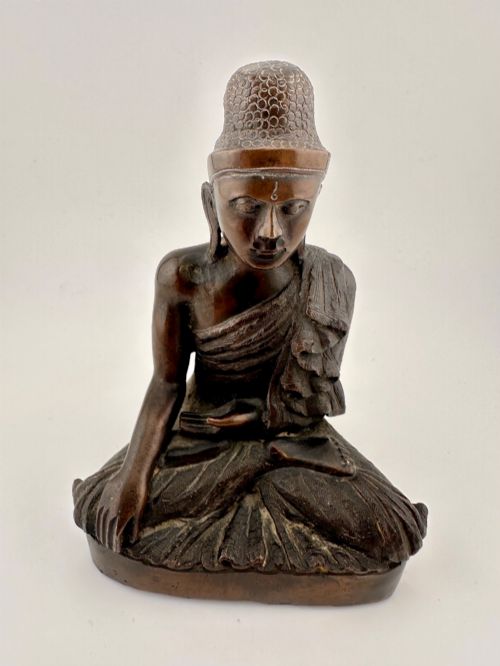
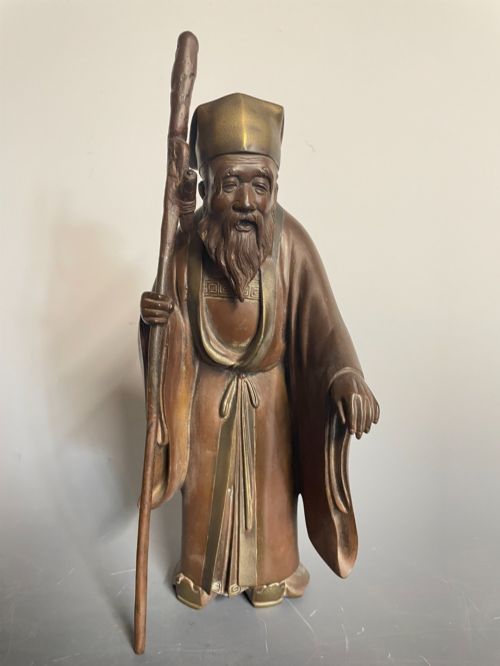
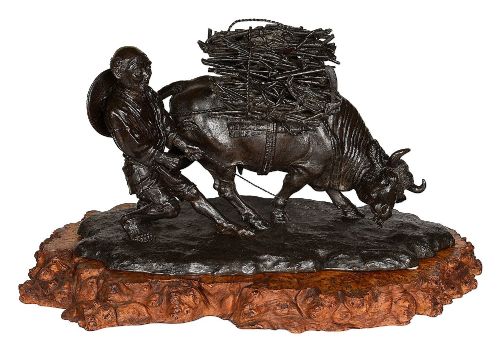
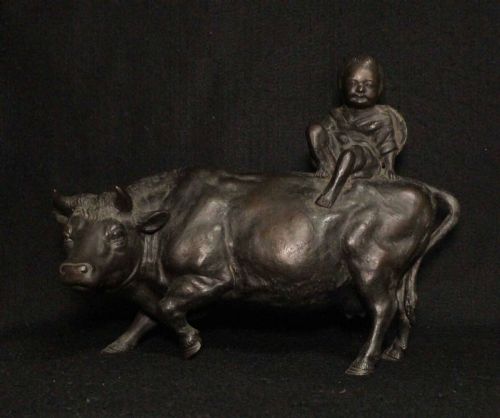
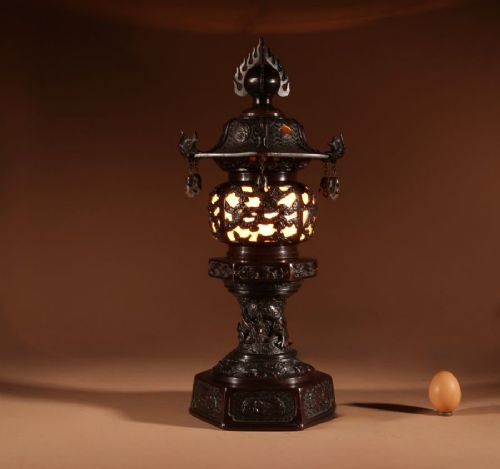
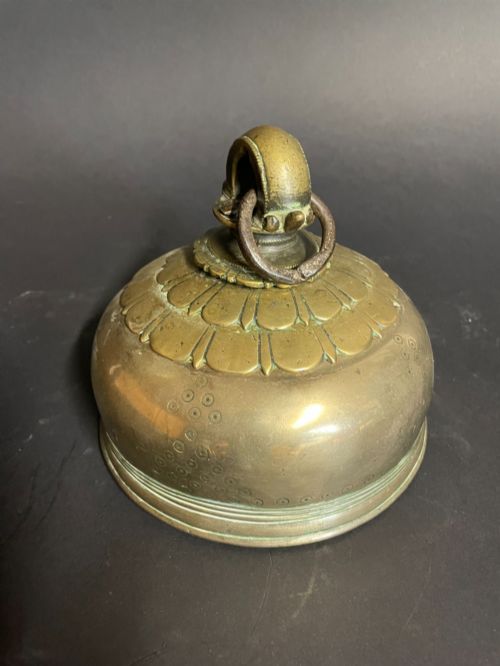
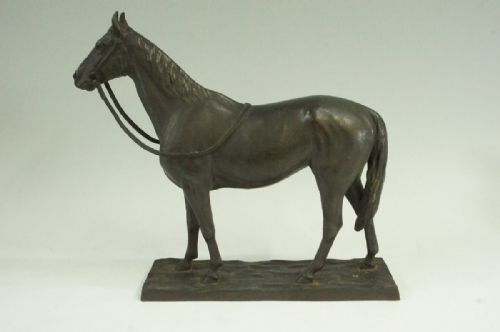
When you search for cast bronze metalwork, you encounter an array of objects spanning the seventeenth century through the early twentieth century. The selection contains domestic vessels, ritual objects, animal figures, and human sculptures originating from Japanese, Chinese, Burmese, Spanish, and English workshops.
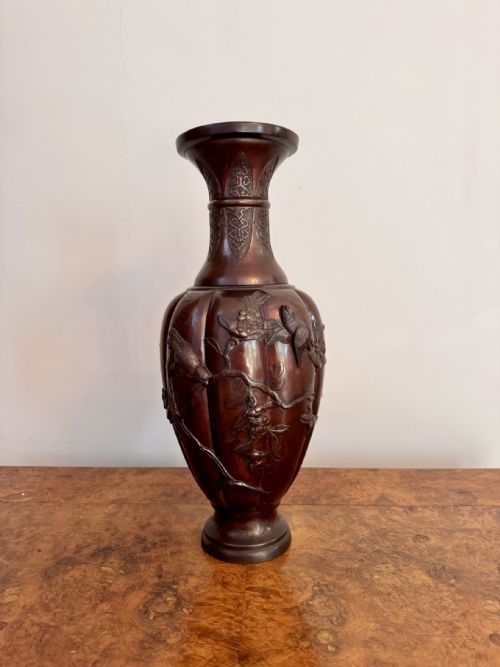
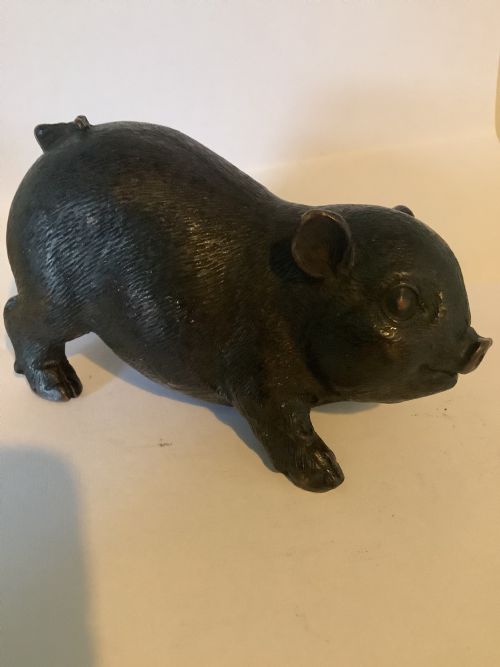
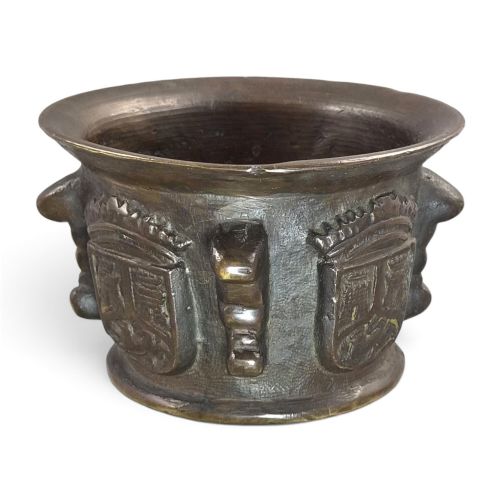
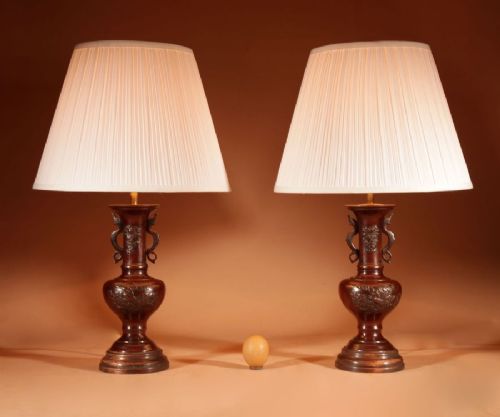
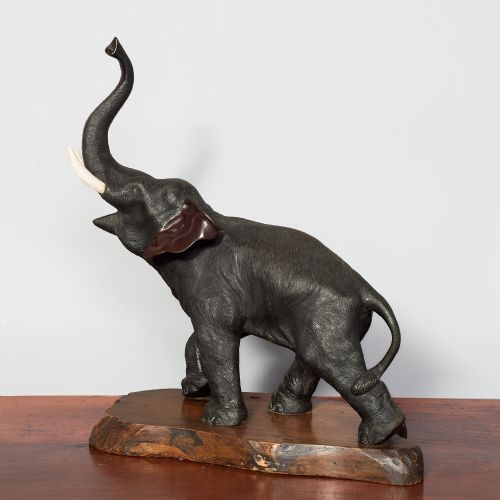
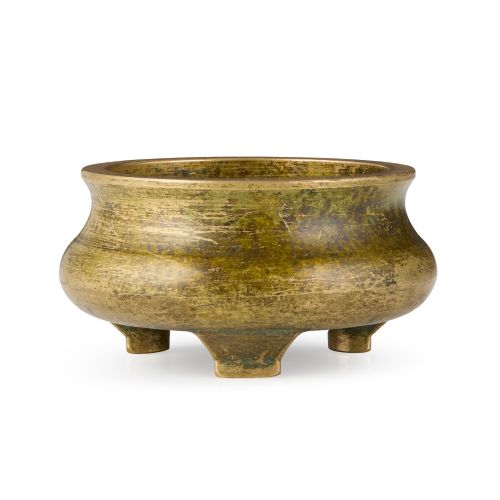
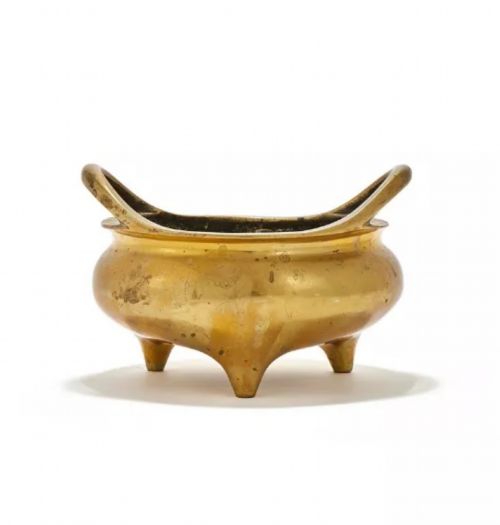
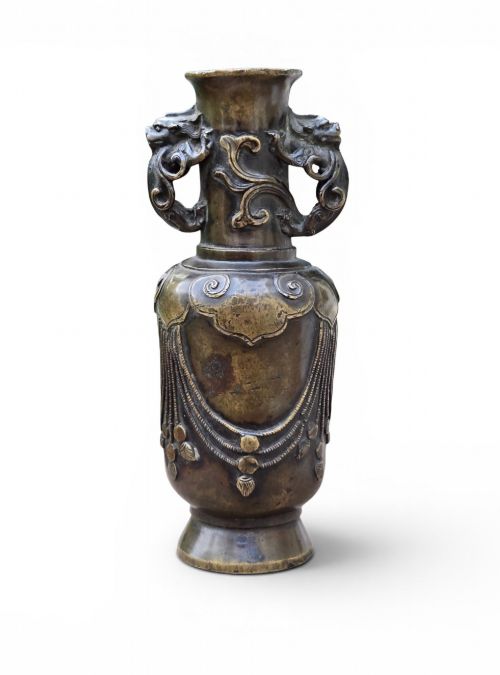
Japanese Meiji period examples dominate the selections, particularly figures of animals, large garden okimono, and vases finished with patination. Alongside these, Chinese tripod censers and ritual vessels appear frequently, alongside European mortars, ewers, and table lamps.
How they were made
Foundries utilised traditional casting techniques, pouring molten copper alloys into moulds to achieve heavy, rigid forms with distinct surface profiles. Many items incorporate patinated bronze surfaces, sometimes enriched with applied details in other materials like bone, burr wood, fabric, and glass.
Finishing methods involved hand-chiselling, polishing, and chemical treatments to create deep patinas on the metal surface. Complex items such as vases, figures, and censers relied on multi-part moulds that required precise joining and chasing after the metal cooled.
Among the creatures frozen in bronze, a rhinoceros beetle stands ready alongside elephants, frogs, and demons.
What varies in quality
The standard of a cast bronze piece rests upon the crispness of the chasing and the depth of the metal patination. Superior examples display sharply defined anatomical details in figures and precise geometric or organic motifs on vessels, whereas lesser items show softened edges and blurred casting seams.
Proportion and weight also dictate quality, as heavier, densely cast items indicate substantial metal usage rather than thin, hollow shells. The integration of auxiliary elements, such as inlaid eyes or secure attachments on complex animal and human figures, distinguishes standard production items from master foundry works.
Kunio Itô·Sakai Kōzan·Tokyo Foundry
The Cast Bronze Metalwork Glossary
- Patinated bronze
- Bronze that has been treated with chemical solutions to produce a specific surface colour or weathered finish. This layer protects the underlying metal while enhancing visual depth.
- Censer
- A vessel designed for burning incense, commonly supported on three feet in East Asian traditions. These often feature elaborate pierced covers and decorative animal finials.
- Okimono
- A Japanese display piece intended for placement on a tokonoma alcove or cabinet. Subjects range from naturalistic animal groups to mythical figures.
- Apothecary mortar
- A heavy metal bowl used with a pestle for crushing medicinal ingredients in historical pharmacies. Examples often feature cast armorial bearings or maker markings.
- Archaistic
- A stylistic approach where later makers replicate the decorative motifs and vessel forms of ancient dynasties. This method honours historical metalwork traditions.
Cast Bronze Metalwork: Frequently Asked Questions
How do I clean antique bronze?
Dust surfaces gently with a soft, dry cloth to prevent accumulation without disturbing the historic patination. Avoid harsh chemical cleaners or abrasive polishes that strip away original surface treatments.
Wax can occasionally be applied in very thin layers to protect exposed metal from moisture. Consult a specialist before attempting any aggressive restoration.
What is a tripod censer?
A tripod censer is a three-legged vessel traditionally used for burning aromatic incense during rituals or scholarly pursuits. These pieces often feature handled sides and removable lids decorated with mythical beasts.
Originating primarily in Chinese dynasties, they demonstrate balanced weight distribution and complex cast ornamentation.
How do I identify Meiji period bronzes?
Meiji period bronzes typically date between eighteen sixty-eight and nineteen twelve, reflecting the opening of Japanese export markets. They frequently depict naturalistic subjects like birds, elephants, and figures engaged in daily labour.
Foundry marks or artist signatures sometimes appear inscribed on the underside or base. The dynamic realism and careful patination are characteristic of this era.
Are these pieces solid metal?
Many items are heavily cast in solid bronze or brass, though larger garden figures and complex sculptures may utilise hollow core casting methods. This technique reduced overall weight and material costs while maintaining structural integrity.
Heavier specimens often indicate higher quality production from established foundries.