




Cast Bronze Lamps
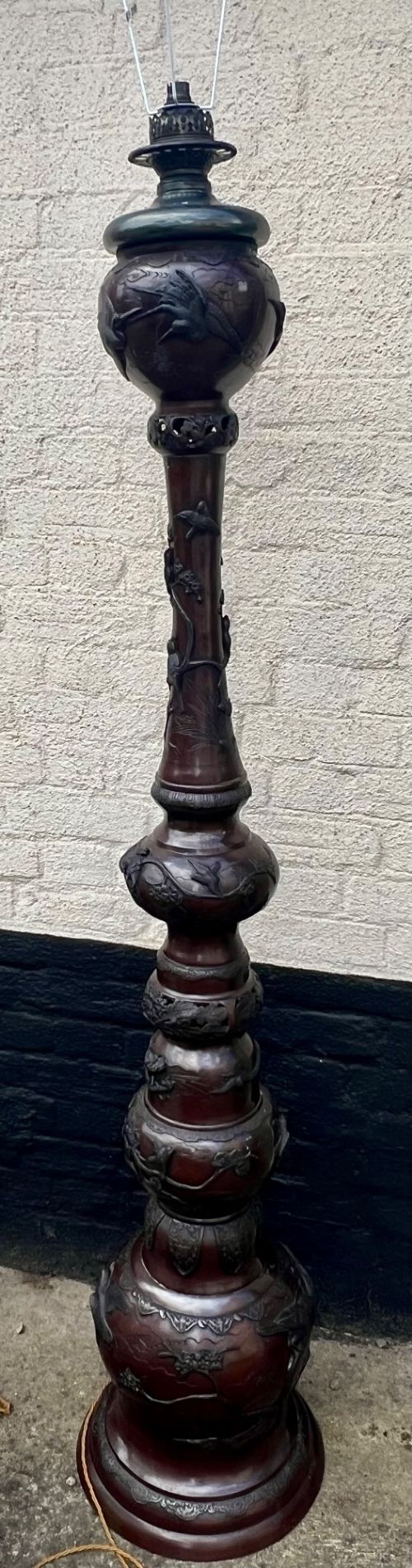
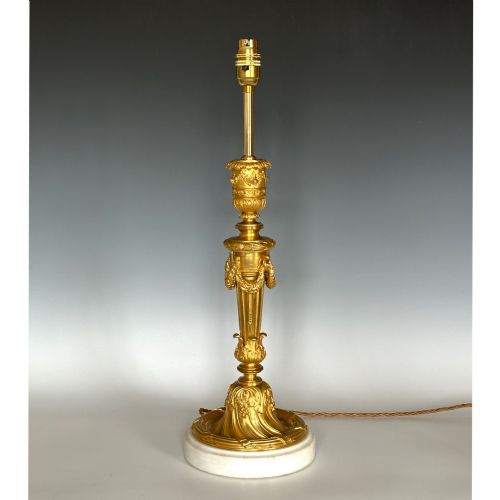
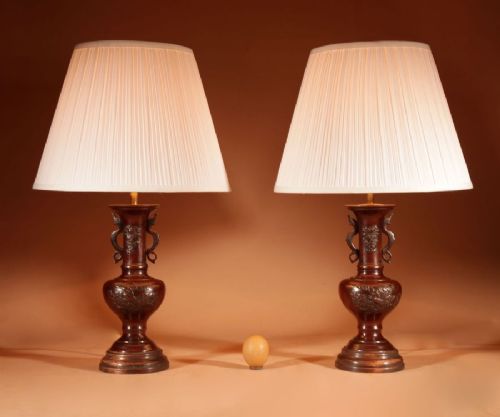
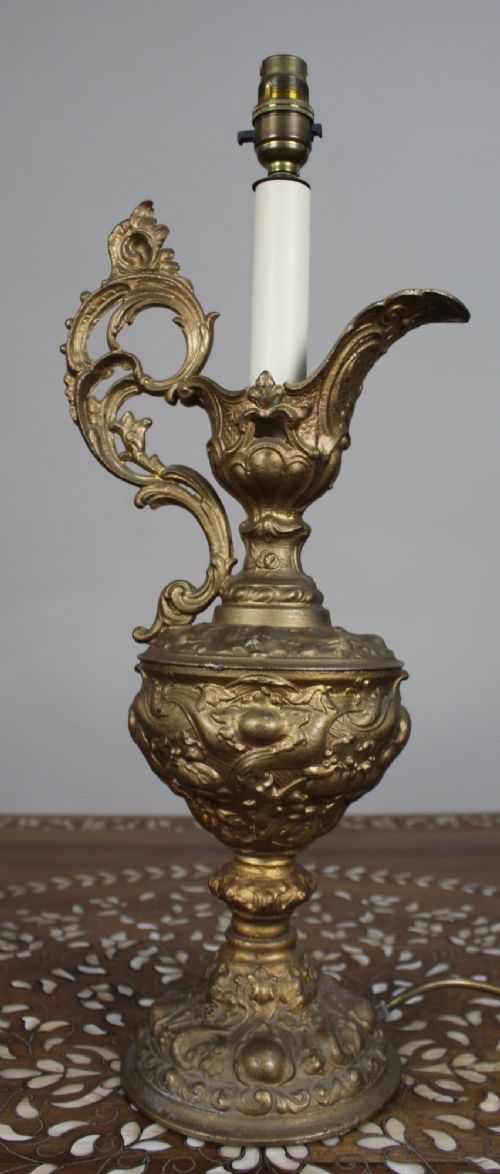
These cast bronze lamps bring heavy metal presence and detailed patination to an interior, moving effortlessly from classical Grecian design to Art Nouveau curves.
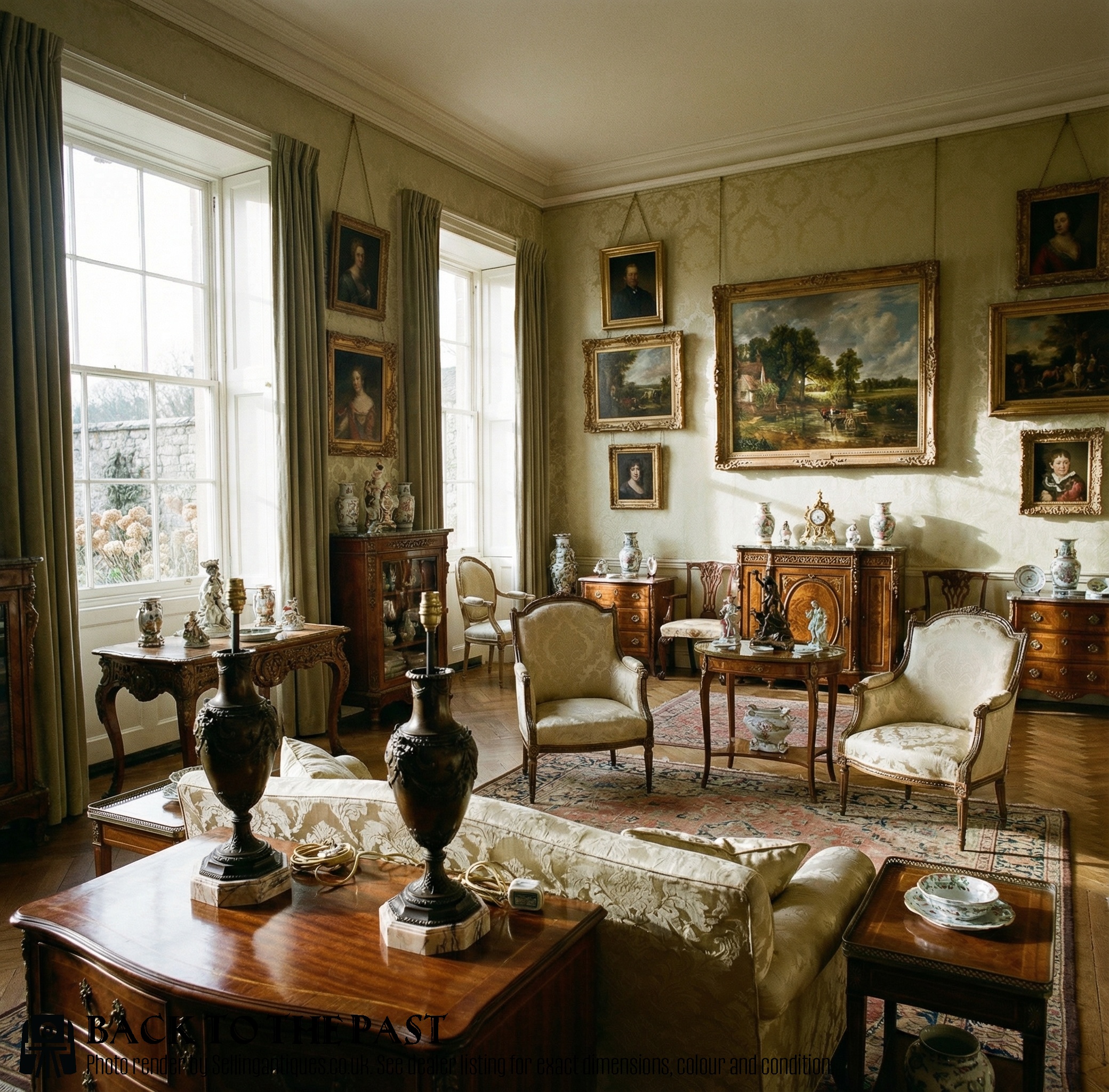
Cast Bronze Lamps
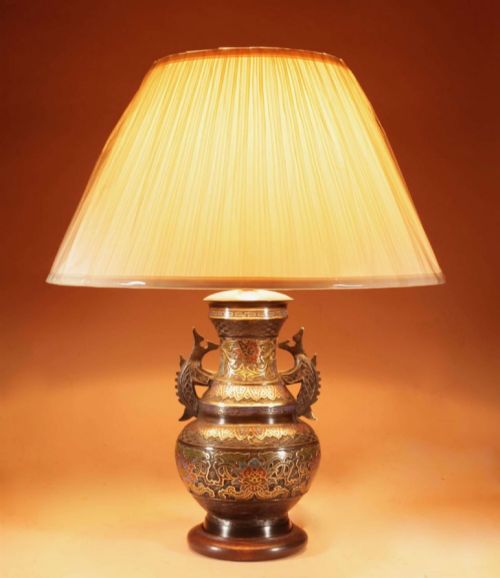
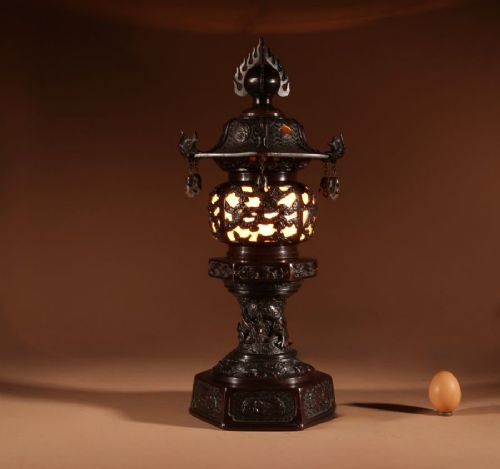
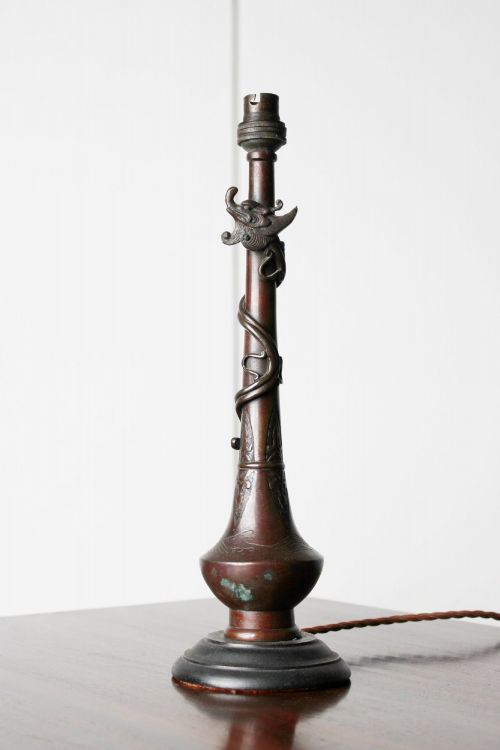
When someone searches for cast bronze lamps, they encounter a heavy concentration of table lamps, standard lamps, and ceiling lights spanning the nineteenth and early twentieth centuries. The selection draws heavily upon Japanese Meiji period bronzes alongside French styles such as Louis XV, Rococo Revival, and Art Nouveau.
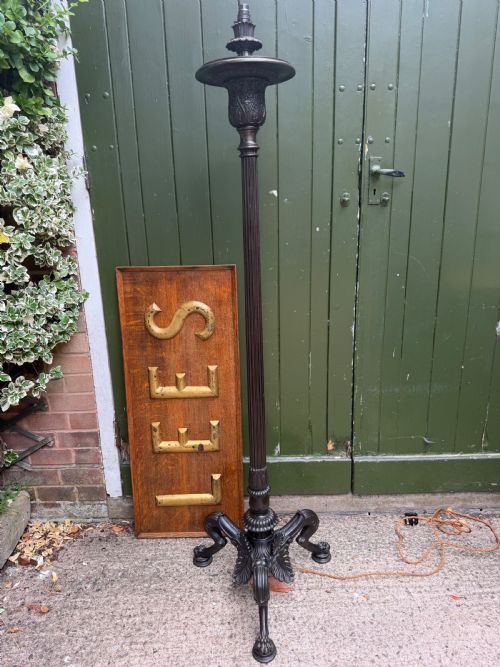
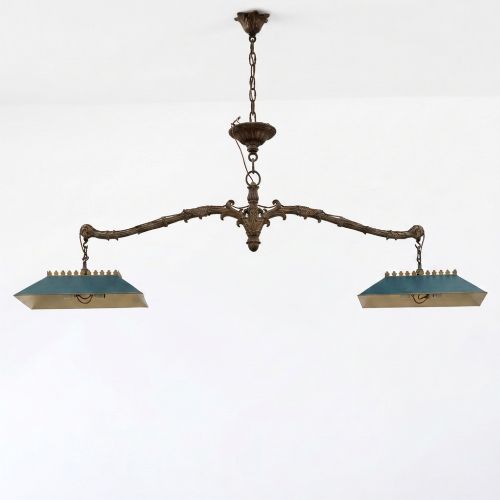
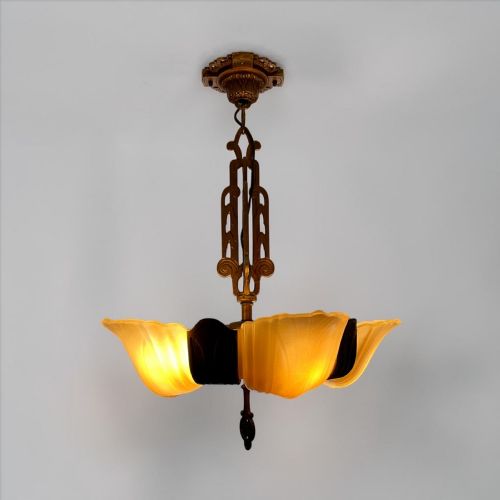
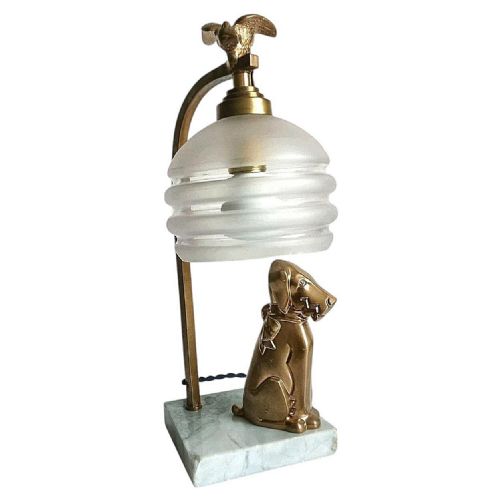
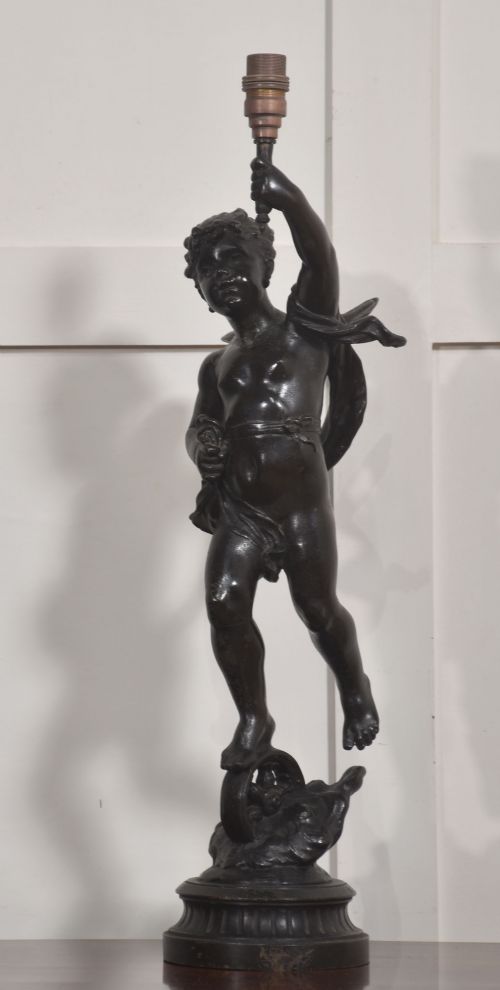
Table lamps dominate the forms available, often incorporating figural elements like cherubs, animals, or classical columns. Floor lamps and chandeliers also appear, utilising the same robust metal foundations combined with contrasting materials.
Origins range across English, French, American, and Japanese workshops, with Victorian and Edwardian examples sitting alongside 1920s and 1930s lighting pieces.
Materials and Technique
Foundries utilised traditional casting methods to shape bronze, brass, and spelter into intricate figural bases and structural columns. Patinated and gilt finishes were applied to the metal surfaces to alter the reflection of light.
Makers integrated supporting elements of marble, glass, fabric, and wood into the metal armature. Opaline glass, cut glass, and shell shades completed the upper sections where illumination was required.
Listings span the nineteenth century, Victorian, Edwardian, and the 1920s to 1930s, using bronze, brass, marble, and glass.
Evaluating Quality
Quality rests in the crispness of the cast detail and the depth of the patination on the metal surface. Finer examples display sharp definition in sculptural figures and ornamentation without soft edges or obscured motifs.
The integration of secondary materials like marble bases and glass shades determines the overall coherence of the piece. Superior construction ensures the heavy bronze components balance correctly with the structural housing.
L & F Moreau·F&C Osler·Joseph Hinks·The Charles Parker Company·Aug. Moreau
The Cast Bronze Lamps Glossary
- Champlevé
- An enamelling technique where cells are carved into the bronze surface and filled with vitreous enamel before firing. This method creates colourful decorative patterns across Japanese and European metalwork.
- Patination
- The natural or artificial ageing of the bronze surface that alters its colour and texture over decades of exposure. A stable patination reveals depth and character in the metal.
- Spelter
- An alloy of zinc and lead used as a cheaper alternative to bronze for sculptural lamp bases. It mimics the appearance of heavier metals while offering a lighter structure.
- Meiji Period
- The era in Japanese history from 1868 to 1912 characterised by bronzes exported to Western markets. These pieces often feature dragons, elephants, and intricate relief work.
- Lucerna
- An antique oil lamp design originating in Italy, typically cast in bronze or brass with multiple spouts and hanging picks. Examples reflect traditional Mediterranean lighting forms.
Cast Bronze Lamps: Frequently Asked Questions
How do I wire old bronze lamps?
Rewiring requires running modern flexible cable through the existing central channel of the bronze column or stem. A qualified electrician should fit contemporary lamp holders that comply with current safety standards while preserving the original metal housing.
Original switches and plugs are normally replaced for daily use, but exterior components like decorative bases and figural mounts remain unaltered during the rewiring process.
Are these lamps heavy?
Cast bronze and brass components create substantial weight, particularly in standard lamps and large table models with marble bases. This heaviness provides stability for tall floor standing lights and multi armed chandeliers.
Care must be taken when placing them on antique furniture surfaces to avoid scratching polished wood.
How do I clean bronze lamps?
Dusting with a dry soft cloth prevents particle buildup in the recessed details of the casting. Avoid harsh chemical cleaners that strip away the historical patination developed over the centuries.
Wax can be applied sparingly to sealed bronze surfaces to maintain a soft sheen without altering the underlying metal tone.
What styles are common?
Art Nouveau and Art Deco designs appear frequently alongside nineteenth century French Rococo and classical Grecian revivals. Japanese Meiji period bronzes also form a distinct category within the available lighting.
Chinoiserie and Oriental motifs regularly influence the decorative vocabulary of these pieces.