



Cast Bronze Lamp Base
A cast bronze lamp base brings substantial weight and sculptural presence to a room, grounding your lighting with enduring metalwork.
Cast Bronze Lamp Base
A cast bronze lamp base combines functional illumination with sculptural form, ranging from compact desk lights to tall floor lamps. When you search for a cast bronze lamp base, you encounter pieces spanning the nineteenth century through the mid-twentieth century.
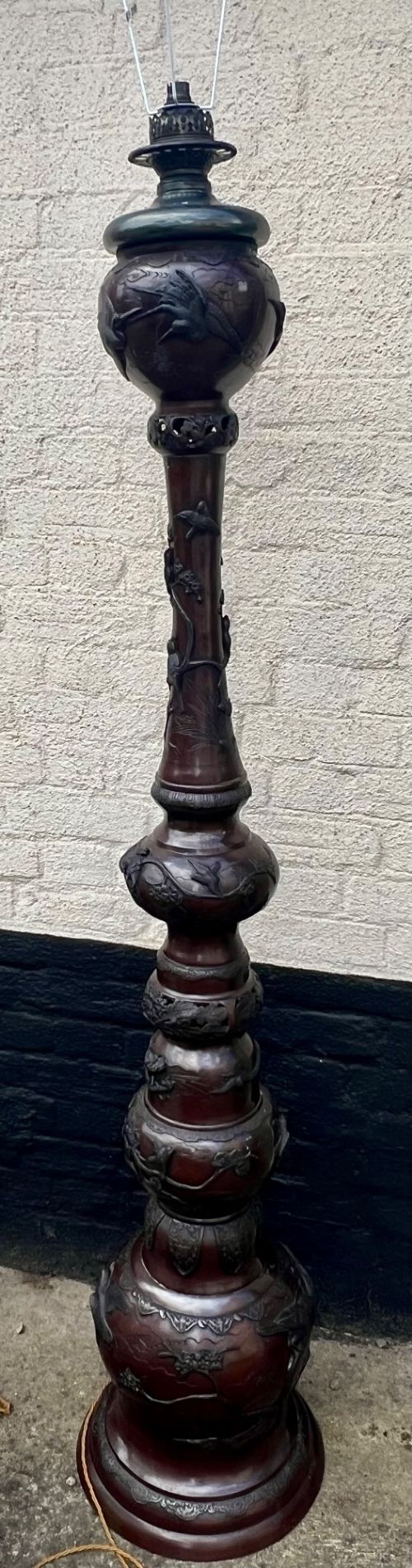
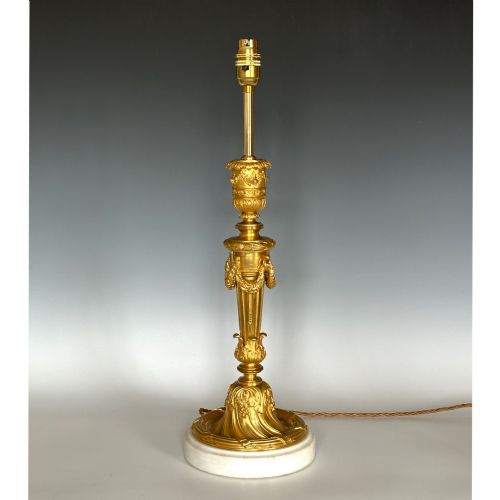
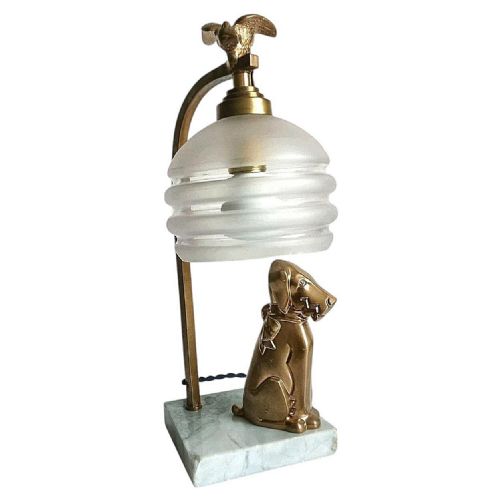
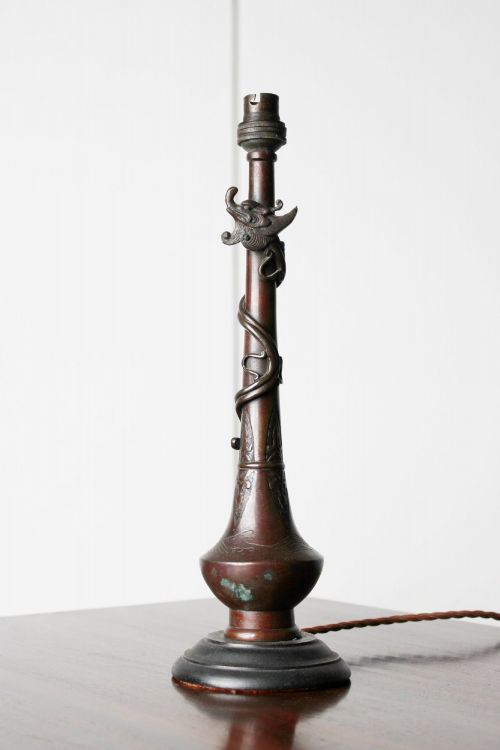
The selections on this page demonstrate considerable stylistic variety, including Japanese Meiji period works, French Art Nouveau florals, Louis XV style ormolu, and geometric Art Deco designs. Many of these bases began life as oil lamps or decorative figures before conversion to electrical lighting.
Makers utilised durable alloys alongside complementary materials such as marble bases, opaline glass, and fabric shades. Table lamps and night lights dominate the available forms, alongside occasional desk and floor standards.
Materials and construction
Foundries produced these pieces primarily through casting techniques, pouring molten metal into moulds to achieve intricate surface detail. Bronze served as the principal medium, often supplemented by gilt bronze, brass, or painted spelter.
Many heavy castings incorporate integrated marble plinths or feature applied patination to enhance visual depth. Structural components frequently show threaded fittings and turned mounts dating from the nineteenth and early twentieth centuries.
Listings feature items from the nineteenth century, Edwardian era, and Art Deco periods, combining bronze, marble, and glass.
Assessing quality and execution
Quality rests in the crispness of the casting and the sensitivity of the finishing work. Superior examples exhibit sharply defined relief ornament, clean chasing, and stable, substantial metal thickness.
Patination and original surface treatments also separate standard production from exceptional pieces. Castings that integrate marble or specialised glass elements require precise engineering to maintain balance and proportion.
JOSEPH HINKS·P.Sega·Hawkins
The Cast Bronze Lamp Base Glossary
- Spelter
- A zinc alloy frequently used as a cost-effective substitute for bronze in decorative figures and lamp bases. It takes a patinated finish well but is softer and lighter than genuine bronze.
- Ormolu
- Gilt bronze produced by applying a finely ground gold-mercury amalgam to a bronze object and heating it. This historic French technique yields a durable, rich golden surface.
- Meiji
- A Japanese imperial period spanning from 1868 to 1912 known for exceptional metalwork and bronze casting. Pieces from this era often feature naturalistic motifs like dragons, elephants, and flora.
- Patina
- The surface sheen and coloration developed through age, handling, or intentional chemical treatment. A stable patina enhances the visual character of antique metalwork.
- Chasing
- The manual finishing process where a metalworker refines a raw casting with hammers and punches. Fine chasing sharpens details and removes surface imperfections.
Cast Bronze Lamp Base: Frequently Asked Questions
How do I date a bronze lamp?
Dating relies on stylistic clues like Art Nouveau curves or Art Deco geometry, alongside construction methods and wiring ports. Nineteenth-century pieces often retain oil burner threads or heavy hand-chased details.
Examining the underside, mounting screws, and any maker marks helps narrow the decade of production.
Are these lamps safe to use today?
Many antique bases have been converted from oil lamps or updated during the twentieth century. You should check the internal wiring and lampholder to ensure current safety standards.
A qualified electrician can easily rewire older brass and bronze standards while preserving the antique metal body.
What is the difference between bronze and spelter?
Bronze is a heavy, durable alloy of copper and tin that resists wear and accepts deep patination. Spelter is a softer, lighter zinc-based metal that mimics bronze appearance at a lower weight.
Tapping the metal gently or checking for wear on high points usually reveals which material forms the base.
Can I replace the shade on an antique lamp?
Replacing a shade is straightforward provided the fitter size matches the original harp or gallery. Many lamps feature contemporary or vintage fabric and glass shades chosen to complement the period style.
Ensure the shade proportions balance the weight and height of the heavy bronze base.