



Cast Bronze Group Sculpture
These cast bronze group sculpture pieces bring dynamic multi-figure narratives into a room, offering rich patination and fine detail.
Cast Bronze Group Sculpture
A cast bronze group sculpture presents multiple figures interacting within a single composition, ranging from mythological putti to naturalistic animal families and historical or genre subjects. Buyers seeking a cast bronze group sculpture will encounter several distinct cultural and stylistic traditions across these listings.
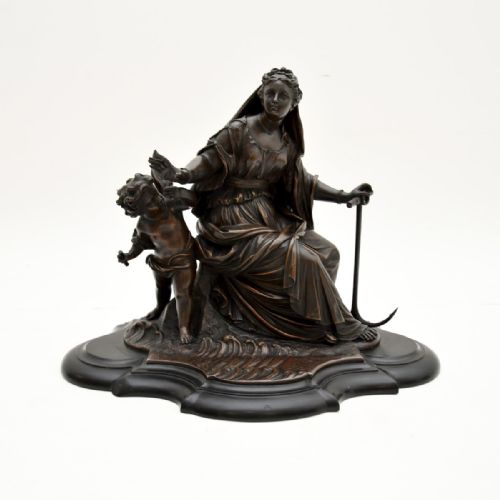
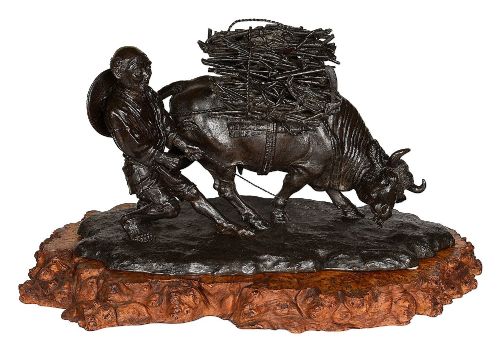
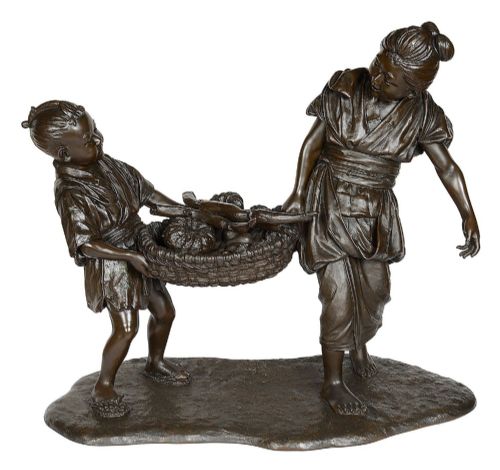
Nineteenth-century European examples heavily feature French animalier works depicting lions, tigers, foxes, and hares, alongside classical mythological scenes involving figures and animals. Japanese Meiji period examples display intricate naturalist studies of bears, woodsmen with buffalo, and mothers with children.
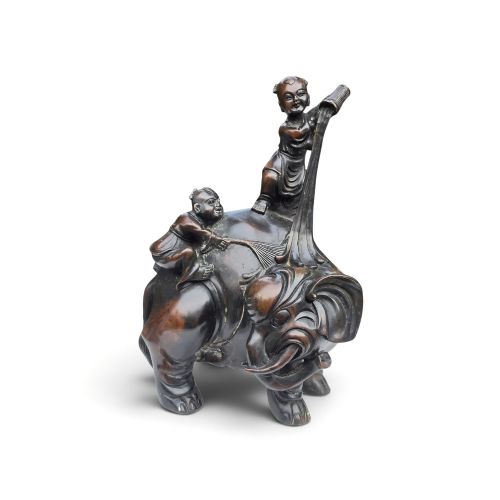
Earlier Asian works also appear, including heavy scholar's groups from the seventeenth and eighteenth centuries depicting boys and elephants. Most pieces on this page originate from nineteenth-century European studios and Japanese Meiji workshops.
Materials and construction
These works utilise cast bronze, frequently finished with a dark patina or patinated surface to accentuate muscle, fur, and drapery. Certain examples incorporate associated elements such as ebonised wood or burr wood bases to support the metalwork.
Cast Bronze Group Sculpture Retail Price Guide 2026
Typical asking prices for cast bronze group sculpture among the pieces listed under this phrase on Sellingantiques today, from the lower quarter to the upper quarter. They describe what is for sale here now, not the wider market.
Listings feature works spanning the eighteenth, nineteenth, and early twentieth centuries, created across France and Japan.
Factors determining quality
Quality in these works rests upon the precision of the casting and the sensitivity of the chisel work in finishing the surface details. Superior pieces retain crisp textures in fur, foliage, and facial expressions without losing definition in the secondary elements of the group.
The depth and richness of the dark patina or surface treatment also distinguish finer examples, alongside the dynamic balance of the multi-figure composition. Sculptures signed by known makers typically demonstrate a higher tier of artistic execution and foundry skill.
Kaniya Kuniharu·G.GARDET·P J Mene·Alfred Dubucand
The Cast Bronze Group Sculpture Glossary
- Animalier
- A nineteenth-century artistic movement focused on the realistic depiction of animals, particularly in action or interaction. Sculptors in this tradition studied anatomy closely through direct observation.
- Patina
- The surface coloration and sheen developed naturally over time or applied chemically by the foundry. This finish protects the metal and defines the visual contours of the sculpture.
- Putti
- Plural of putto, depicting chubby male infants often styled as winged cherubs or mythological attendants. They frequently appear in classical and neoclassical compositions playing with grapes or livestock.
- Meiji Period
- A Japanese historical era lasting from 1868 to 1912 marked by increased international trade and exceptional metalwork. Bronzes from this era often show meticulous naturalistic detail.
- Okimono
- A Japanese decorative statue designed for display in a household interior rather than a temple. These carvings and metal sculptures often depict animals or figures in daily pursuits.
Cast Bronze Group Sculpture: Frequently Asked Questions
What is an animalier group sculpture?
An animalier group sculpture depicts two or more animals interacting, such as a lion and lioness or a tiger with its cubs.
These pieces emerged strongly in nineteenth-century France, where artists focused on accurate anatomical studies of wildlife.
How do I care for bronze sculpture?
Bronze requires minimal maintenance, needing only occasional dusting with a soft, dry cloth to prevent particulate buildup.
Avoid using liquid cleaners, polishes, or abrasive cloths that can strip the original patinated surface.
What does patinated bronze mean?
Patinated bronze refers to metal that has undergone a chemical treatment to produce a specific surface colour, most commonly dark brown or black.
This treatment enhances the visual depth of the casting and protects the underlying bronze alloy.
How do I distinguish Meiji period bronzes?
Meiji period bronzes originate from late nineteenth-century Japan and typically feature extreme naturalism in subjects like bears or rural life.
They often display distinct signature plates or foundry marks associated with that era of decorative arts.