
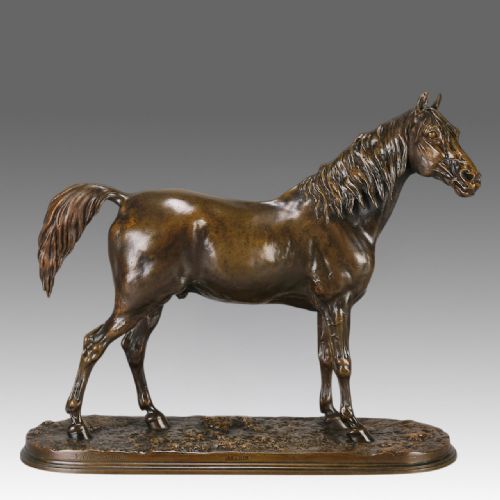
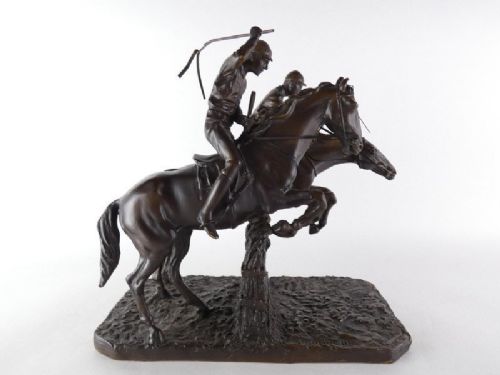


Cast Bronze Equestrian Sculpture
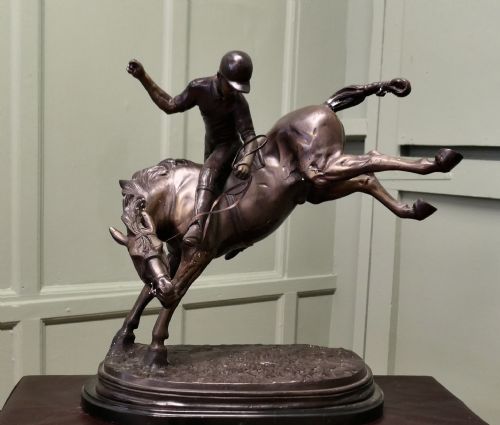
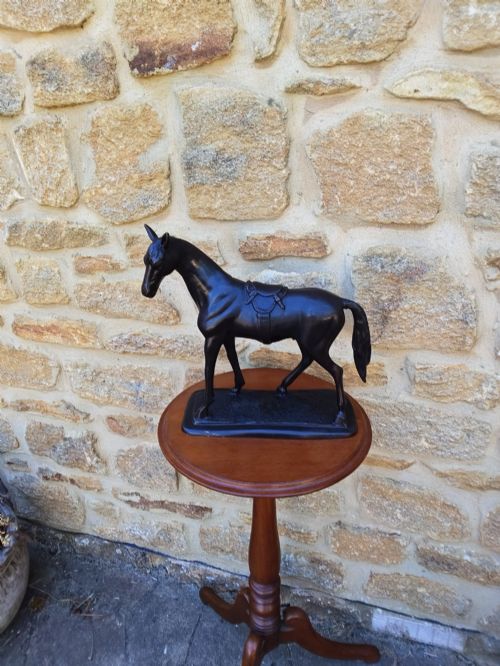
A cast bronze equestrian sculpture captures rider and mount in durable metal, bringing movement and history into a room.
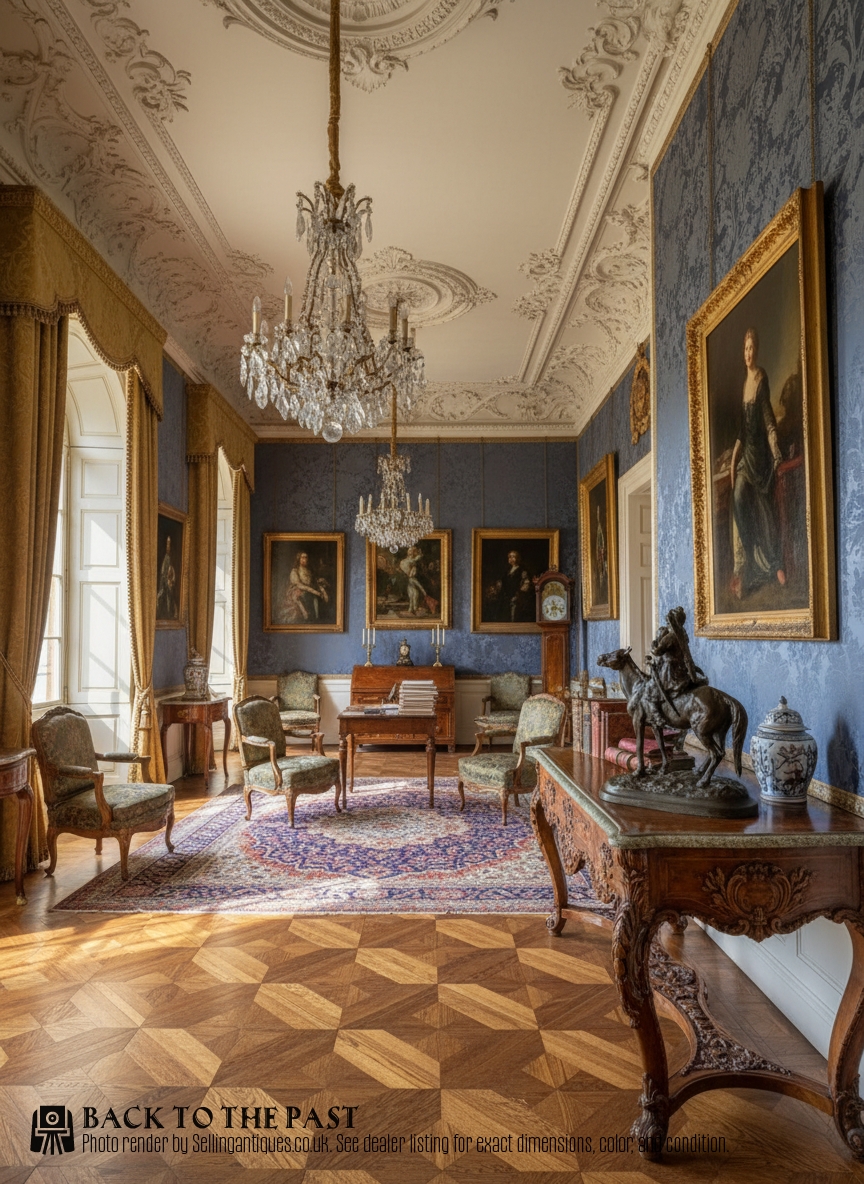
Cast Bronze Equestrian Sculpture
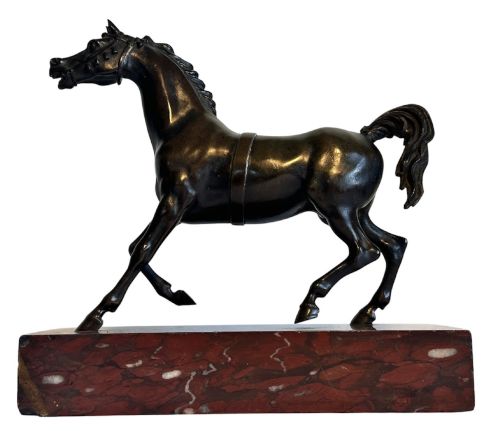
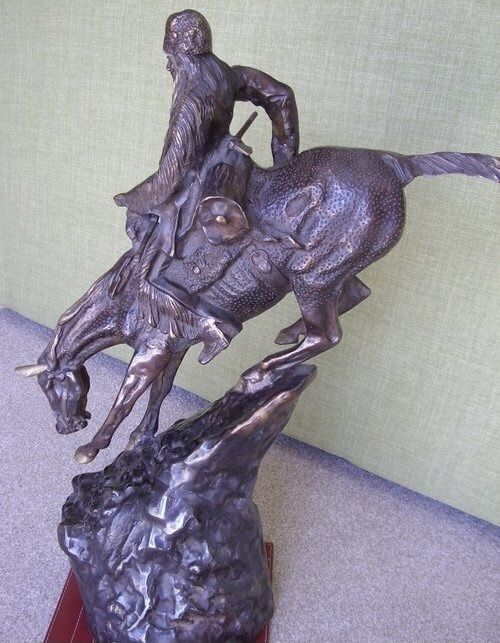
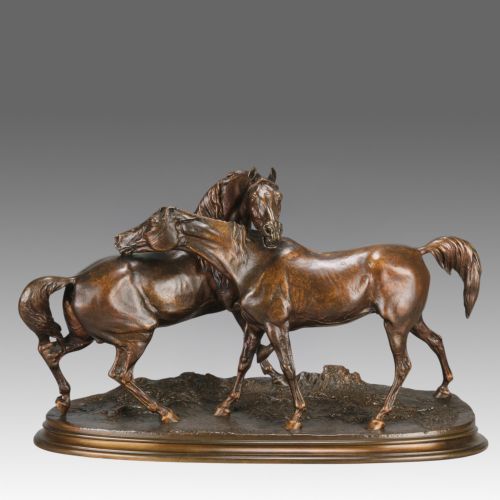
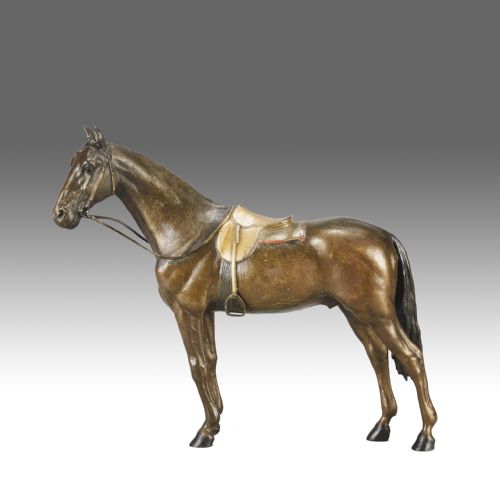
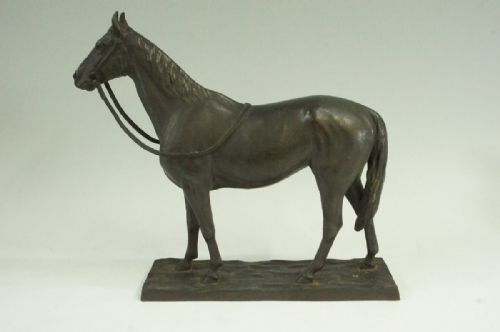
A cast bronze equestrian sculpture depicts horses, riders, or both, appearing across nineteenth and twentieth century periods on this page. These works range from French Animalier studies of stallions to Western Americana figures of cowboys and western subjects. Buyers find varied interpretations spanning Victorian realism, Art Deco styling, and Japanese foundry work.
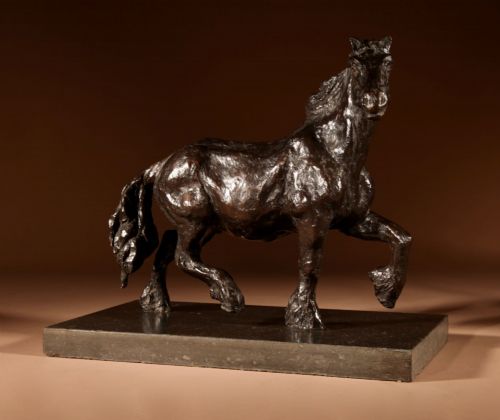
Many examples pair the metal figure with a contrasting stone foundation, such as a marble base. Others take functional forms, operating as table lighters or paperweights while retaining detailed sculptural form. The selection covers European schools alongside distinct international workshops.
Distinctions in craftsmanship
The depth and consistency of the patination contribute significantly to the visual success of the piece. Stronger works maintain balance between heavy metal sculpture and supportive bases like marble without structural weakness.
Monkeys take the reins in one nineteenth century racing sculpture by Paul Joseph Gayrard.
P J Mêne·Franz Bergman·Frederic Remington·Isidore Jules Bonheur·Luigi Secchi·Alfred Dubucand·Philip Blacker·Paul Joseph Gayrard
The Cast Bronze Equestrian Sculpture Glossary
- Animalier
- A nineteenth century artistic movement focused on realistic depictions of animals. Sculptors in this school studied anatomy closely to capture creatures in motion or repose.
- Patinated bronze
- Metal treated with chemical solutions to produce a specific surface colour or tone. This finish protects the alloy and enhances sculptural depth.
- Cold-painted bronze
- Metal painted with colours that are not fired at high temperatures. Austrian workshops applied this technique extensively to smaller decorative figures.
- Cire perdue
- A casting method where a wax model is melted away to leave a mould for molten metal. It allows for intricate undercuts and fine detail.
Cast Bronze Equestrian Sculpture: Frequently Asked Questions
How do I clean a bronze horse sculpture?
Dust the surface regularly with a soft, dry cloth to prevent particulate accumulation. Avoid chemical polishes that strip original patination.
Apply a microcrystalline wax sparingly if the metal requires protection, buffing gently with a clean cloth afterwards.
What periods do these sculptures cover?
The pieces span the nineteenth and twentieth centuries, including Victorian, Edwardian, and Art Deco eras.
Dates range from mid nineteenth century works up to mid twentieth century castings.
Are all these sculptures made of solid bronze?
Most items utilise bronze or patinated bronze as the primary sculptural material. Some listings incorporate cold-painted metal or mixed media elements.
Heavier figures frequently stand upon dedicated marble or stone bases.
What is the difference between Animalier and Western subjects here?
Animalier pieces focus primarily on European wildlife and horses, often studied from life by specialist sculptors. Western Americana figures depict cowboys, Native subjects, and frontier horses influenced by Remington traditions.