
Cast Bronze Animal Figure
A cast bronze animal figure captures life in metal, ranging from French foundry dogs to Japanese Meiji period casting.
Cast Bronze Animal Figure
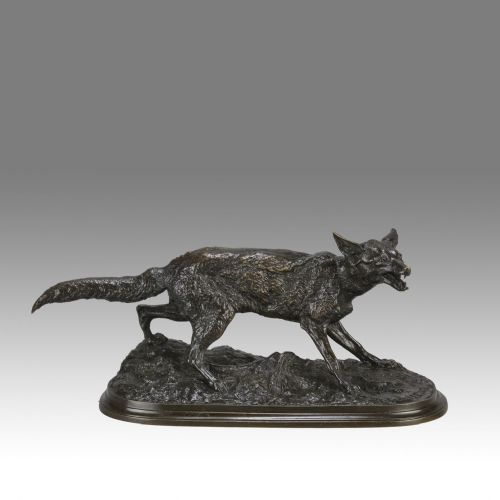
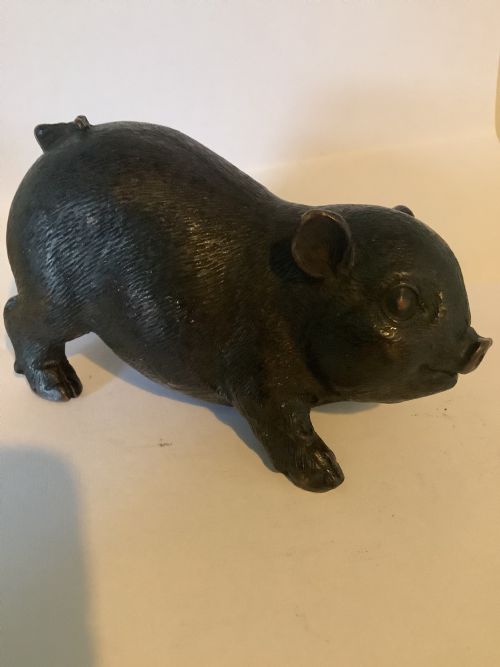
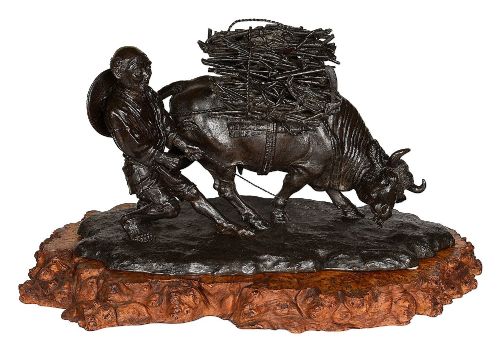
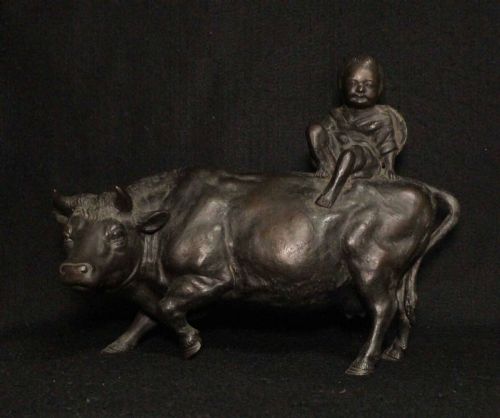
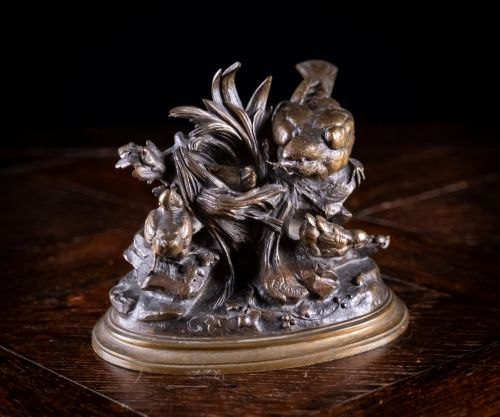
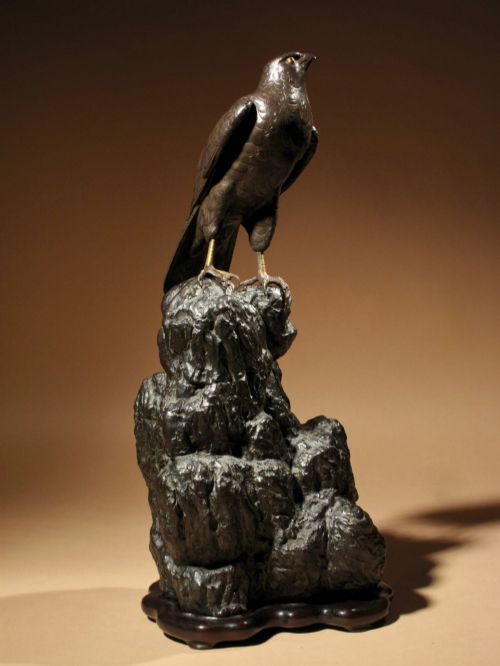
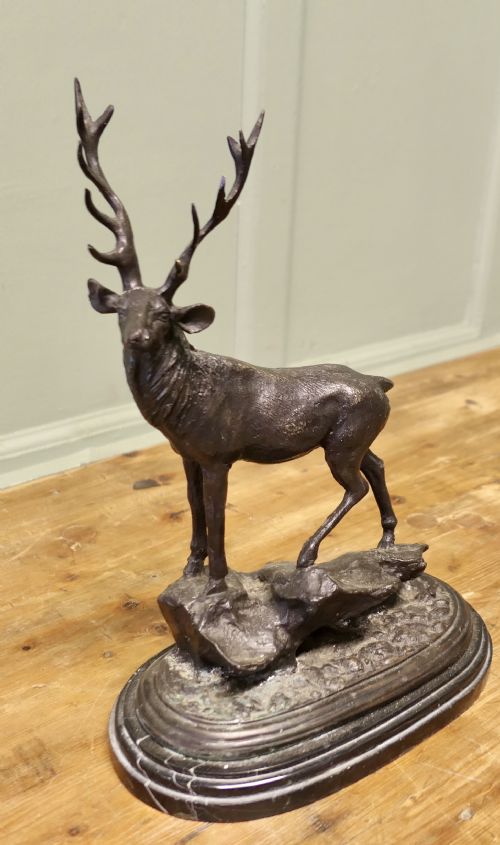
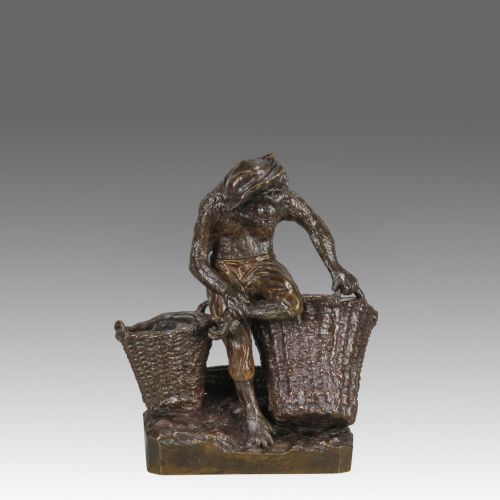
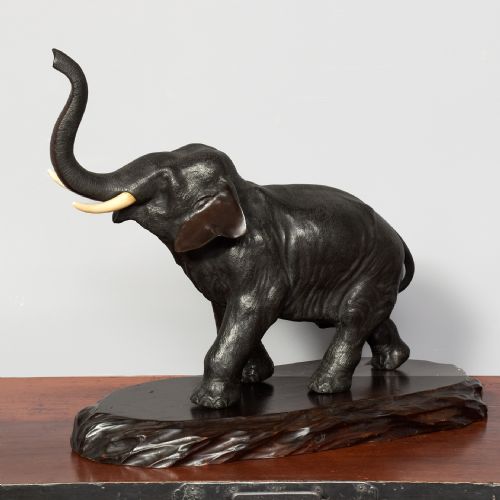
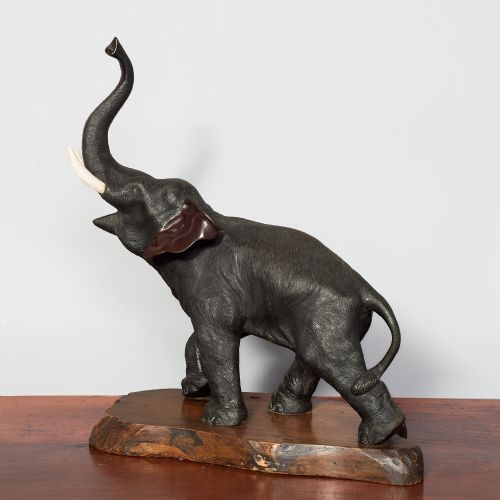
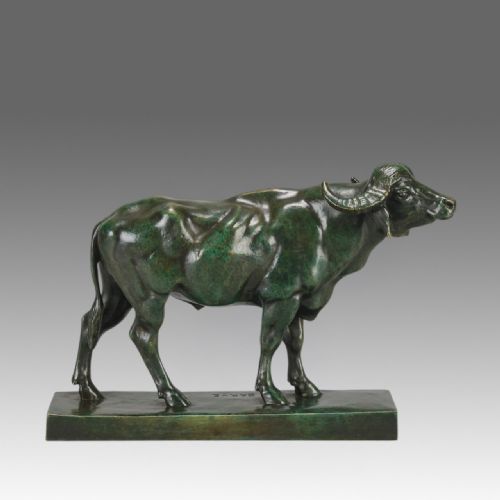
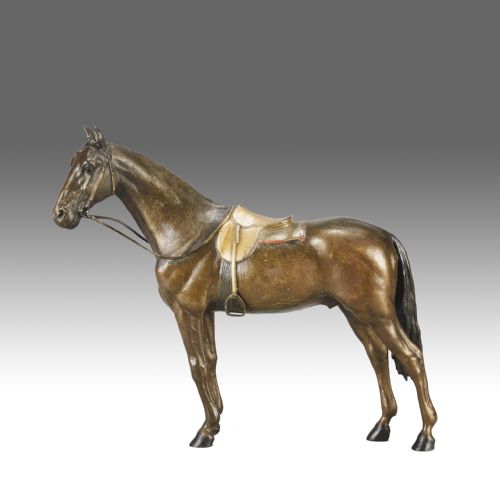
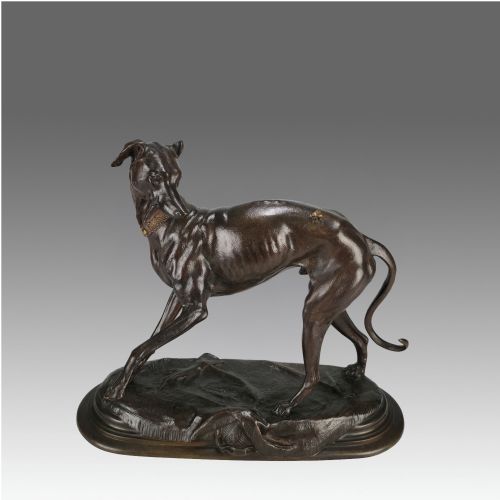
A cast bronze animal figure represents living forms cast in metal across the nineteenth and twentieth centuries. Buyers examine works produced within the European Animalier tradition alongside Japanese Meiji period okimono and Austrian cold-painted pieces.
The objects take the form of small desktop ornaments, paperweights, and substantial cabinet sculptures. European examples focus on domestic hounds, wild stags, and big cats, while Asian works frequently depict elephants, bears, and buffalo.
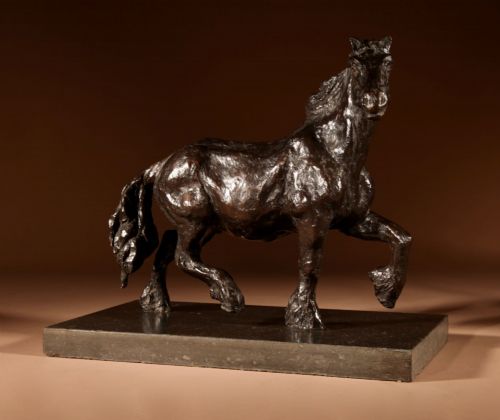
Makers utilised traditional casting methods to render muscular tension and textured coats in solid bronze. These pieces appear mounted on naturalistic bronze bases or set onto heavy marble plinths.
Foundry methods and surface finishes
The manufacturing process typically involved lost-wax casting or sand casting to achieve fine detail in the metal. Founders then finished the bronze surface through manual chasing, filing, and patination.
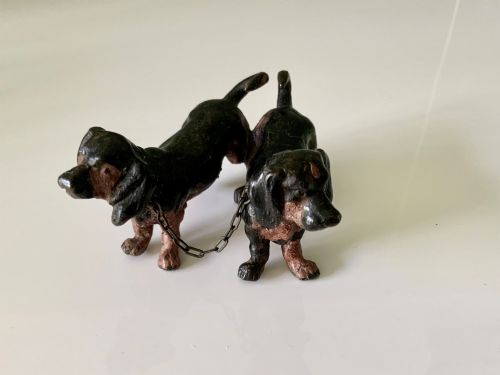
Certain Austrian and Japanese workshops applied cold-painted enamels directly onto the finished bronze surface to render naturalistic colours. Other makers relied on chemical patinas ranging from deep black to warm brown tones, sometimes pairing the metal with ivory, bone, wood, or marble.
Cast Bronze Animal Figure Retail Price Guide 2026
Typical asking prices for cast bronze animal figure among the pieces listed under this phrase on Sellingantiques today, from the lower quarter to the upper quarter. They describe what is for sale here now, not the wider market.
The selection spans nineteenth-century European Animalier studies and Meiji period Japanese okimono cast in bronze.
Foundry execution and surface preservation
The integrity of the surface patina or cold-painted pigments dictates the visual success of the piece. Well-preserved pigment layers and stable patinas indicate careful handling, whereas heavy wear or over-cleaning diminishes the definition of the forms.
P J Mêne·Christophe Fratin·Antoine L Barye·Franz Bergman·Alfred Barye·Alfred Dubucand·Edith Parsons
The Cast Bronze Animal Figure Glossary
- Animalier
- A nineteenth-century artistic movement dedicated to the realistic portrayal of animals. Sculptors in this tradition focused heavily on anatomical accuracy and dynamic movement.
- Okimono
- A Japanese term for a decorative object designed for display on a shelf or in a tokonoma alcove. These figures often depict wildlife with meticulous attention to natural textures.
- Cold-painted bronze
- Metal figures decorated with paint applied after the casting process without subsequent firing. This technique gained prominence in Austrian workshops during the late nineteenth century.
- Patina
- The surface coloration developed naturally through age or applied chemically by the foundry. It protects the metal and defines the tonal depth of the sculpture.
- Geschützt
- An Austrian and German term indicating a registered design or patent. It appears stamped on small bronze figures from the late nineteenth and early twentieth centuries.
Cast Bronze Animal Figure: Frequently Asked Questions
How do I clean a bronze figure?
Dust the surface gently with a soft, dry brush to remove particulate matter without disturbing the underlying patina.
Avoid commercial metal polishes, water, or chemical solvents, which strip historical finishes and permanently damage the metal.
What is cold-painted bronze?
Cold-painted bronze refers to metal sculptures finished with non-fired polychrome paints applied directly to the surface.
This method achieved vivid coloration on small decorative figures, particularly within Austrian foundry production.
How do I identify Meiji period bronzes?
Meiji period works originate from Japan between eighteen sixty-eight and nineteen twelve, frequently displaying exceptional naturalistic detail.
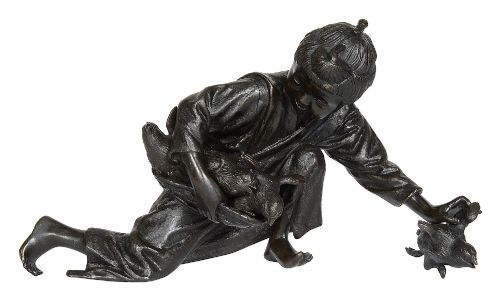
These pieces often represent subjects like elephants, bears, or figures with animals, sometimes incorporating mixed media elements.
Why are some bronzes mounted on marble?
Foundries set sculptures onto heavy marble plinths to provide stability and create an architectural display base.
This presentation became common for nineteenth-century European Animalier desk ornaments and cabinet sculptures.