



Cast Brass Porter Weight
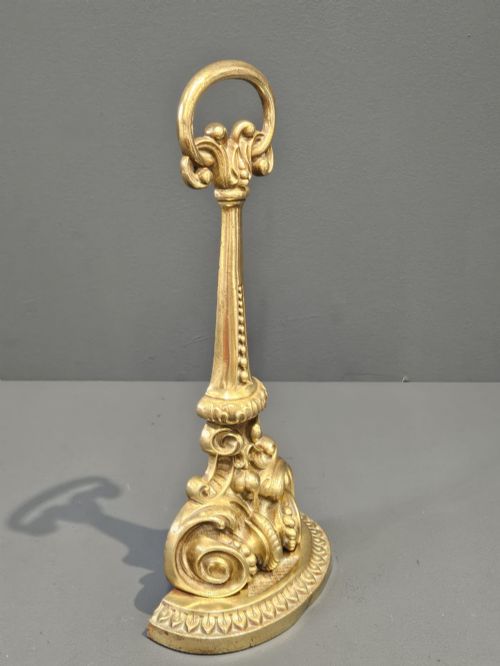
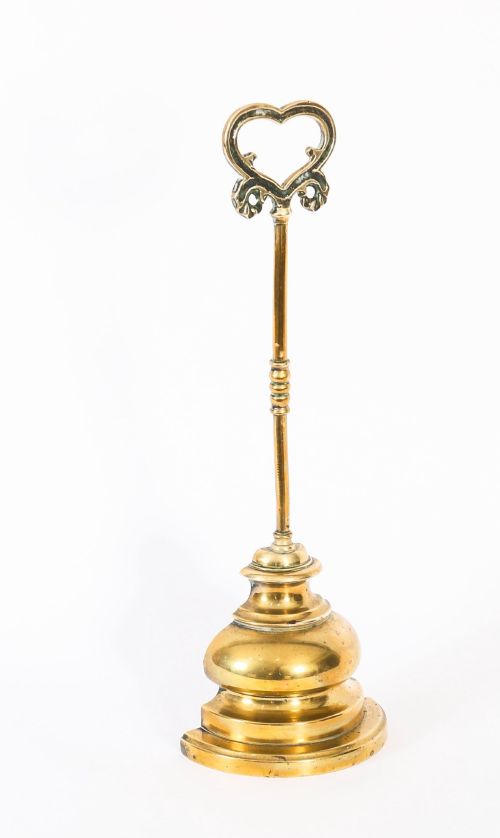
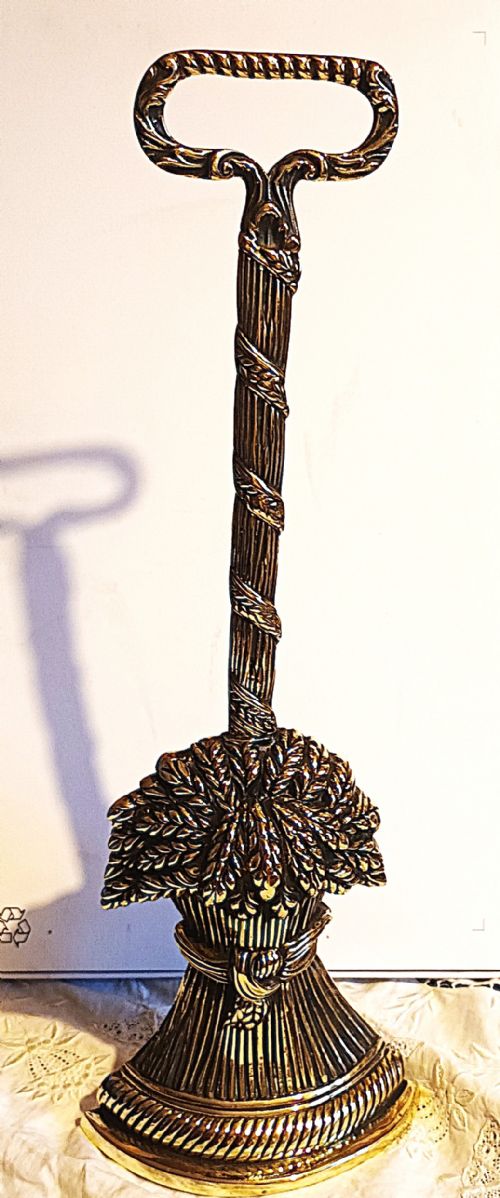
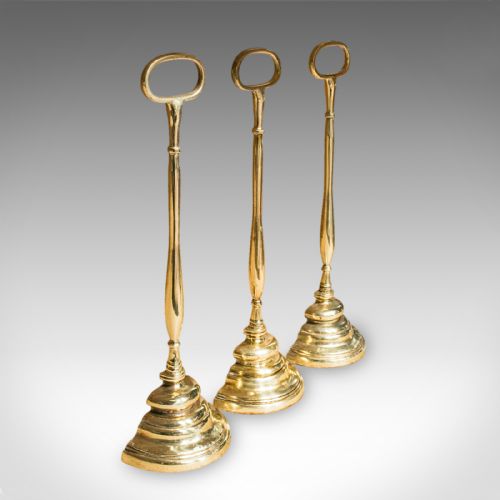
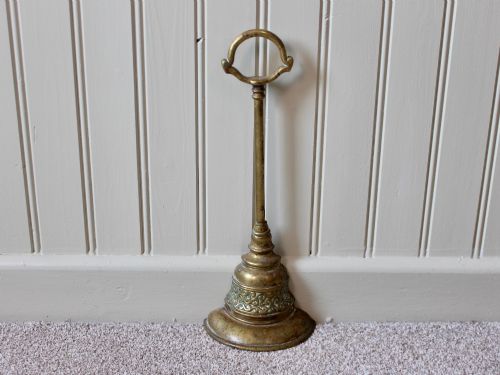
These cast brass porter weight pieces are substantial doorstops designed to hold heavy interior doors open with authority and style.
Cast Brass Porter Weight
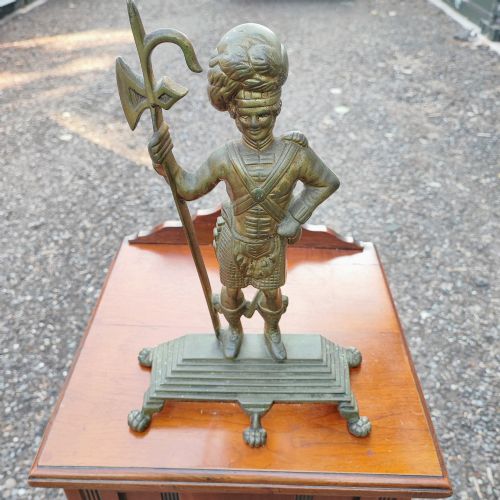
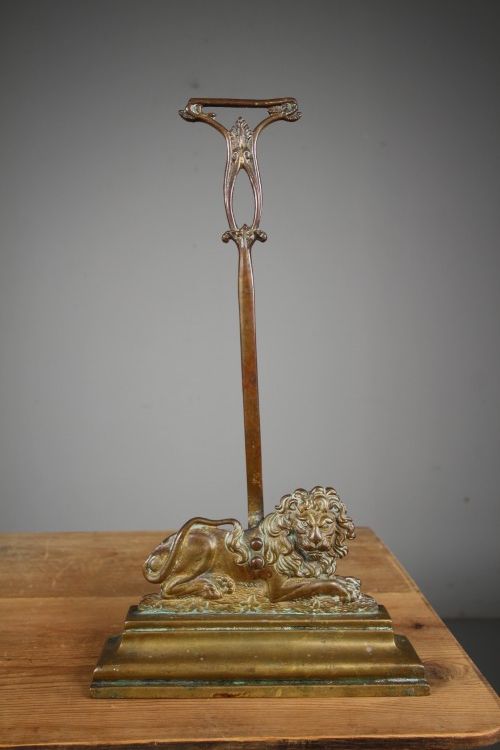
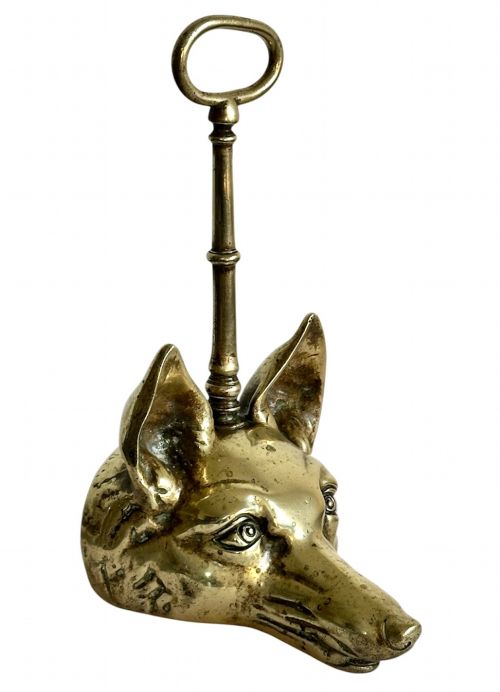
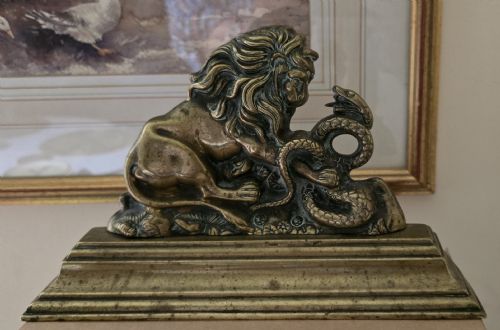
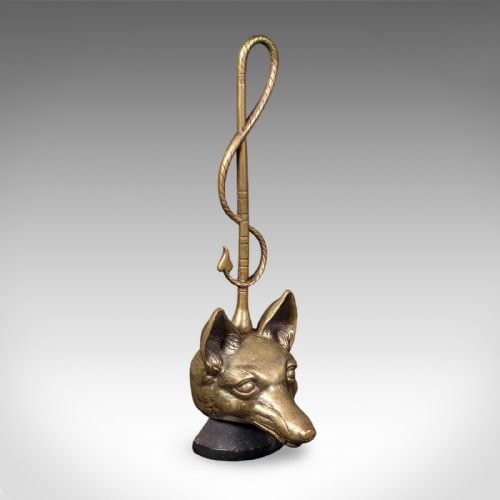
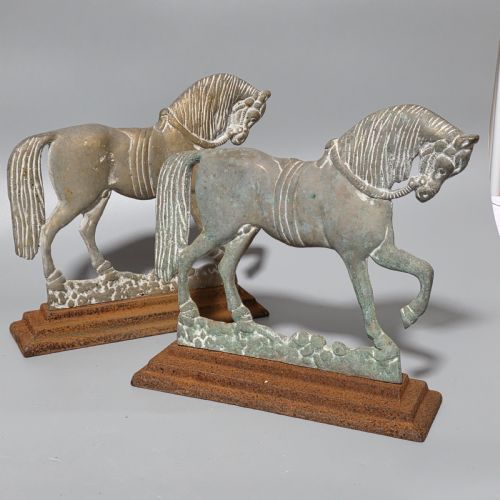
When you search for a cast brass porter weight, you are looking at heavy metal doorstops and door porters originating from the Georgian, Victorian and Edwardian periods. These functional objects take many figural and decorative forms, including lions, horses, soldiers, cherubs and foxes.
The version you are most likely to meet on this page is the Victorian cast brass doorstop, often modeled as a domestic animal or a classical figure. English country house examples frequently combine cast brass with iron or lead weighting to achieve the necessary heft.
How they were made
Maker foundries produced these pieces using traditional sand-casting techniques in brass, frequently incorporating lead or cast iron internals for added weight. Metalworkers then finished the cast brass surfaces by hand, polishing the details or leaving them with a natural aged patina.
Makers sometimes combined materials within a single piece, pairing a polished cast brass figural handle or front with a heavier cast iron base or lead filling to ensure the doorstop remained firmly planted.
Mr Punch makes regular appearances on heavy brass doorstops, ready to scold any door that dares to slam.
What varies in quality
Proportion and weight distribution also dictate the tier of a piece, as superior items rely on solid metal construction rather than hollow shells filled with lesser materials. The integrity of the handle attachment and the stability of the base complete the distinction between ordinary hardware and finished decorative art.
Tonks·William Tonks
The Cast Brass Porter Weight Glossary
- Cast brass
- Molten alloy poured into a mould to create solid decorative objects. This method allows for intricate sculptural shapes that define antique doorstops.
- Door porter
- A traditional term for a heavy weight used to keep interior doors from swinging shut. These objects were essential in draughty period houses.
- Regency
- An English design period spanning the early nineteenth century. Pieces from this era often feature classical motifs and restrained ornamentation.
- Figural
- Art that represents human or animal figures. Many porter weights take the form of soldiers, animals or mythical creatures.
Cast Brass Porter Weight: Frequently Asked Questions
How heavy are these doorstops?
These pieces possess substantial weight to hold heavy wooden doors open against strong draughts. Their heft comes from solid brass casting combined with internal lead or iron weighting.
Most examples weigh several kilograms, making them purely functional as well as decorative.
Where were they used?
Porters sat on the floor inside grand reception rooms and hallways of country houses. Servants moved them from door to door as rooms were ventilated throughout the day.
They lived near heavy timber doors where reliable door control mattered most.
How do I clean cast brass?
Most collectors prefer to leave an aged patina rather than polishing the brass to a bright shine. Gentle dusting with a soft cloth preserves the historic surface.
Avoid harsh chemical cleaners that strip away centuries of natural oxidation.
Are these pieces English?
The majority of listings on this page originate from English workshops operating during the nineteenth century. Regional foundries produced specific animal and military figures popular at the time.
Continental European examples, such as Dutch pieces, also appear occasionally.