


Cast Brass Lamps
Cast brass lamps are substantial metal light fittings offering enduring utility, and collectors seek them for period character and weight.
Cast Brass Lamps
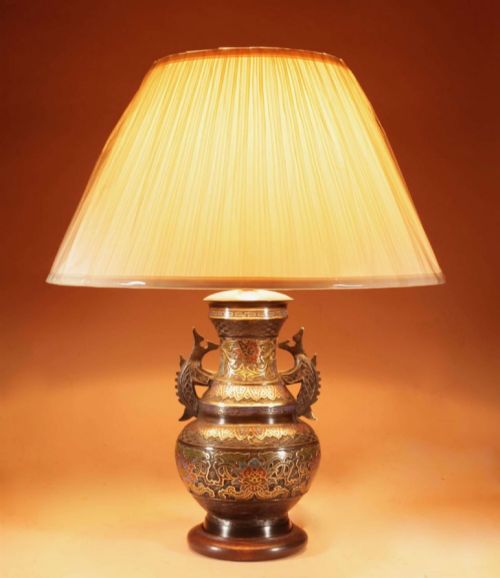
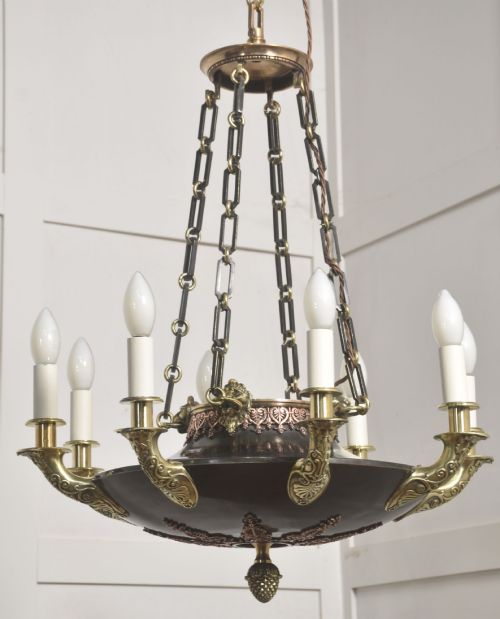
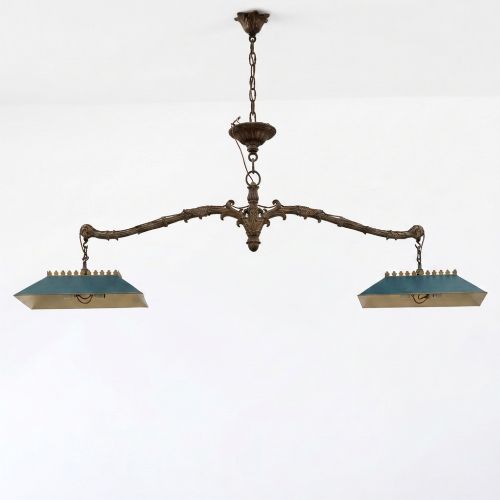
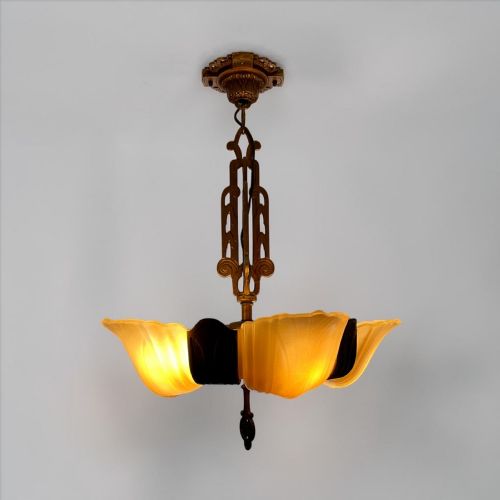
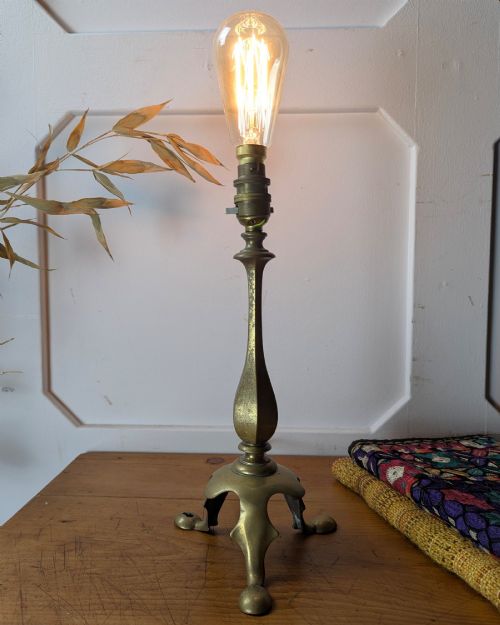
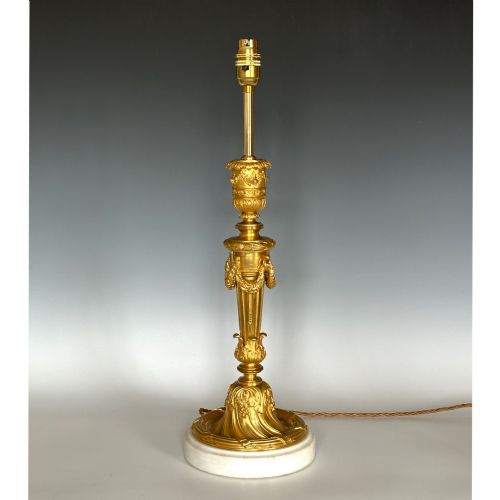
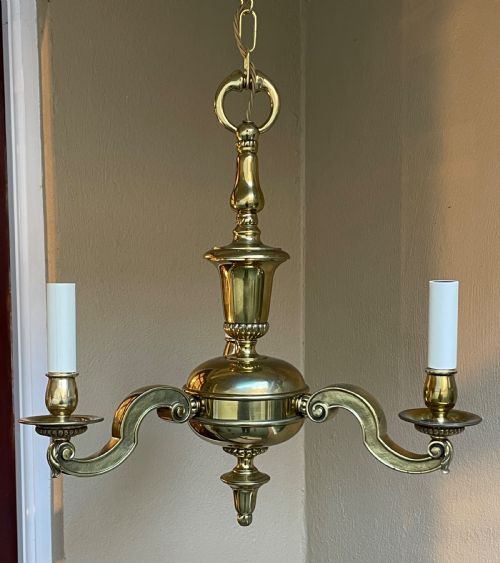
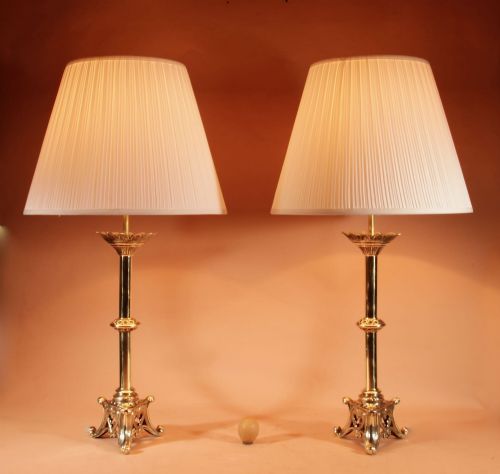
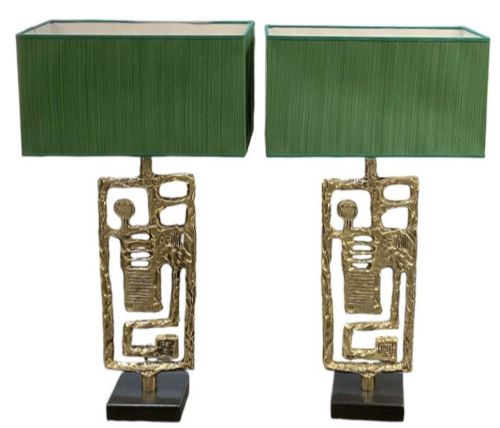
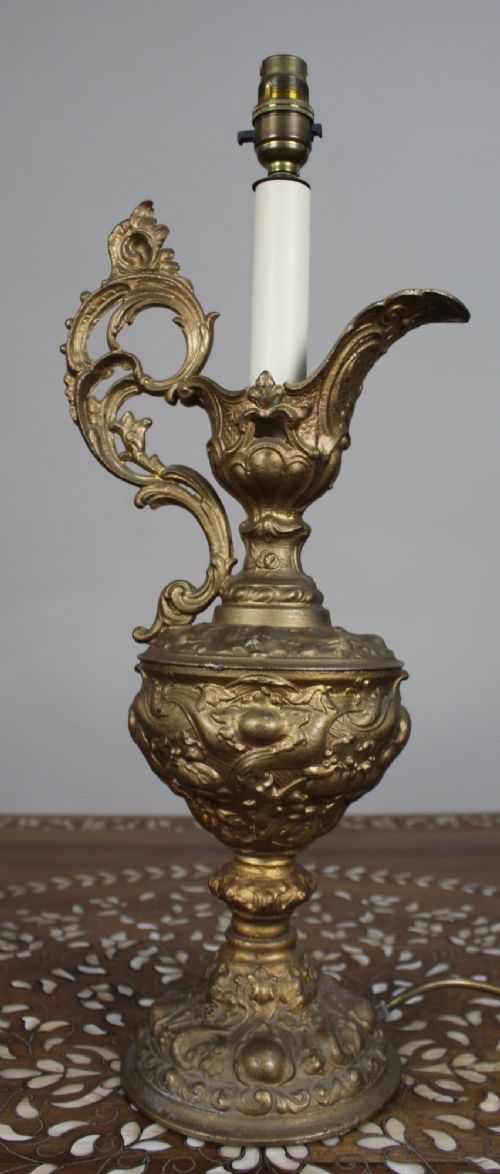
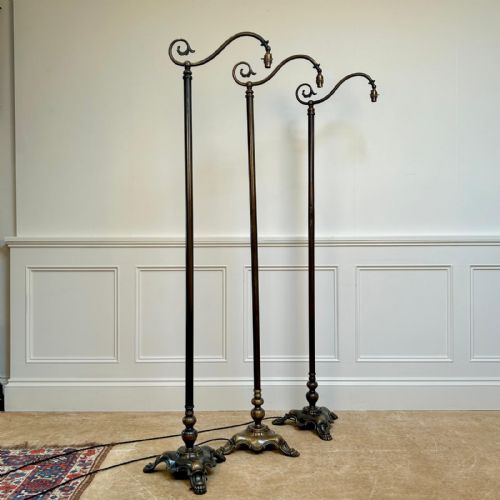
Cast brass lamps encompass a diverse array of forms, including table lamps, standard lamps, chandeliers, and wall lights designed to illuminate interiors.
The pieces appearing on this page span the nineteenth century, the Edwardian era, and the early decades of the twentieth century, reflecting varied historical revivals.
Buyers frequently encounter table lamps and standard lamps shaped by Victorian, Gothic, and Art Nouveau stylistic influences.
How they were made
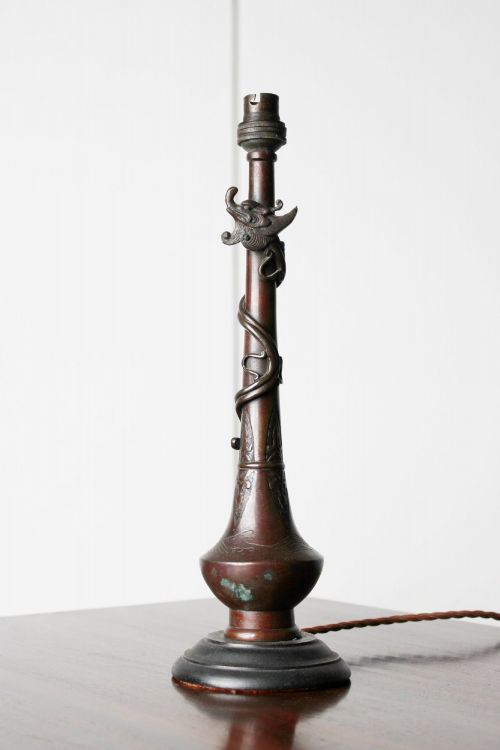
Craftsmen utilised molten metal poured into moulds to create heavy, detailed components of cast brass, bronze, and gilt metal.
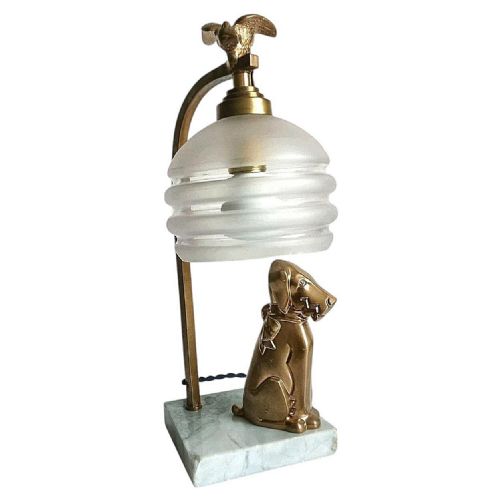
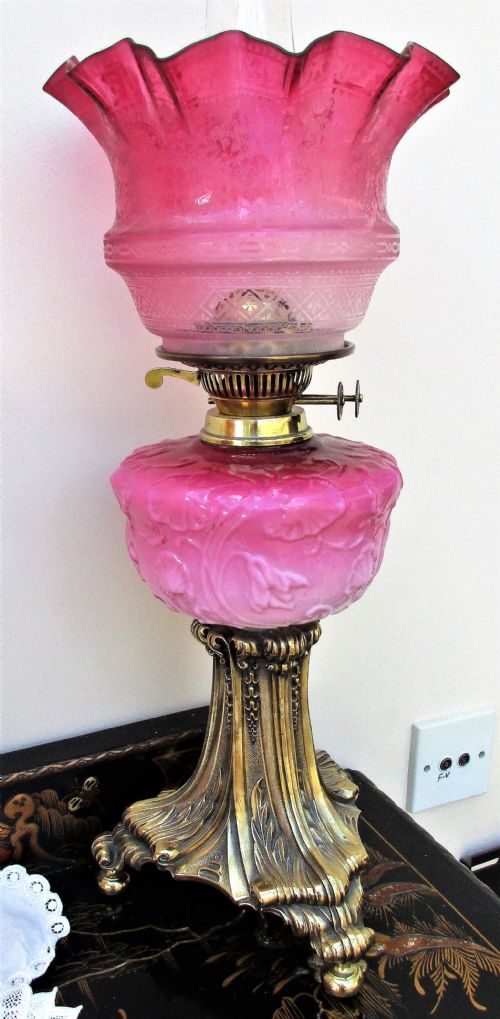
Makers integrated secondary elements such as glass shades, marble bases, and fabric components to complete the functional design of each lamp.
Canine motifs make an appearance, with novelty dog and parrot table lamps standing ready to guard the corner of a room.
What varies in quality
The crispness of the casting work distinguishes finer examples, where chased surface details remain sharp and well-defined.
Substantial weight, solid mounting materials like marble, and integrated original components such as specialised glass shades elevate a piece above standard production.
Angelo Brotto for Esperia·L & F Moreau·JOSEPH HINKS·Bleriot
The Cast Brass Lamps Glossary
- Cast brass
- Metal formed by pouring molten alloy into a mould rather than beating or spinning it from sheet metal. This method produces rigid and decorative structural components.
- Standard lamp
- A tall floor-standing light fitting designed to illuminate a room from a standing position. These pieces often feature weighted bases for stability.
- Ormolu
- Finely ground high-carat gold applied in a mercury amalgam to a bronze base. This technique creates a rich decorative surface seen on French revival pieces.
- Chandelier
- A branched suspended ceiling light fixture holding multiple illumination points. Examples in the evidence range from multi-light brass frames to cut glass lanterns.
Cast Brass Lamps: Frequently Asked Questions
How do I date a cast brass lamp?
Dating relies upon stylistic clues such as Victorian ornamentation, Edwardian proportions, or Art Nouveau botanical motifs visible in the metalwork. Examining manufacturing methods and accompanying materials like opaline glass also assists in placing a piece within its historical period.
Makers' marks, signatures, or specific structural hardware can provide further chronological context. Comparing the casting depth and patination against documented examples helps narrow down the decade of production.
Were these lamps originally electrified?
Many of these pieces began life as oil lamps, gas fixtures, or candleholders before receiving later conversions for electricity. Standard lamps and table lamps often show evidence of these functional adaptations.
When purchasing, expect to find wiring configurations that reflect modern safety updates rather than original factory installations. The primary structure typically retains its antique metalwork while internal channels accommodate modern electrical cords.
How should I clean a brass lamp?
Maintenance requires gentle dusting with a soft cloth to preserve the accumulated patina that develops on older metal surfaces over decades. Aggressive polishing agents can strip away historical coloration and soften crisp casting details.
If cleaning is necessary, mild soap and water applied sparingly will remove surface grime without harming the metal. Protecting the original finish maintains both the visual character and the collector interest of the piece.
Where were these lamps placed in period homes?
Standard lamps and large table lamps stood in principal reception rooms to provide ambient light alongside wall lights and chandeliers. Desk lamps and smaller table models served functional roles in studies and libraries.
Matching pairs frequently illuminated mantelpieces or flanking furniture arrangements in formal parlours. Heavier standard lamps anchored seating areas while smaller brackets mounted directly to walls for targeted illumination.