

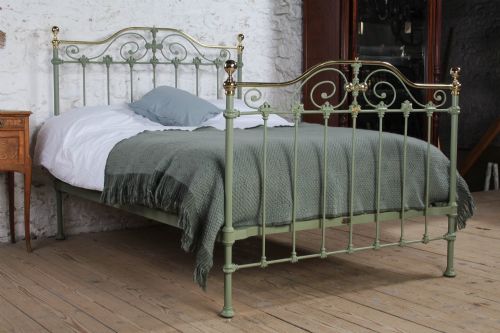
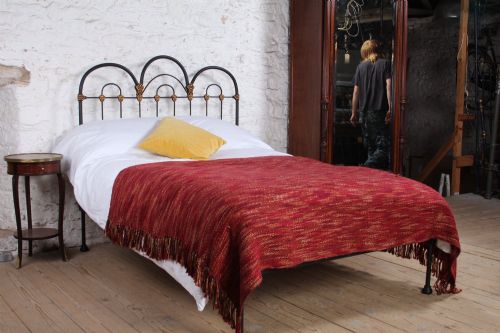
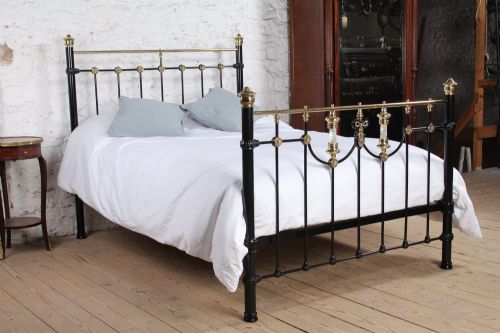
Cast Brass Bed Frame
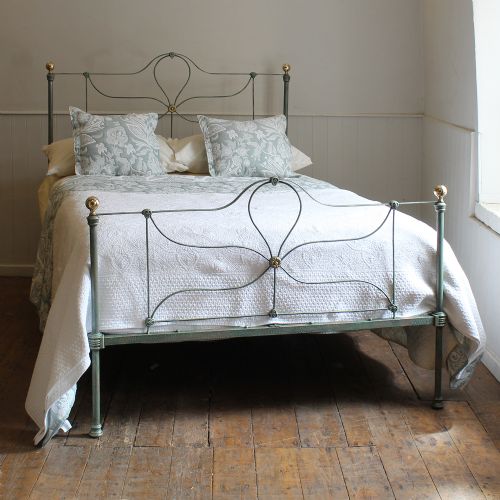
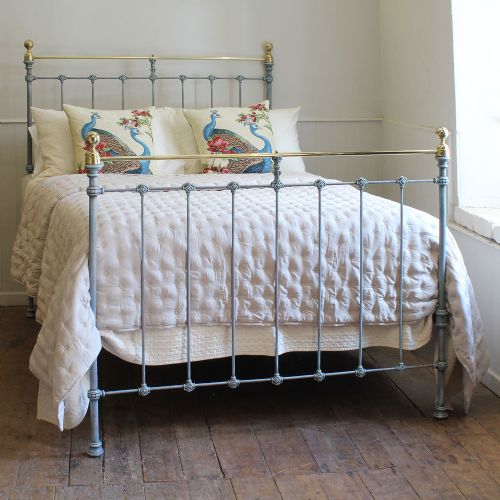
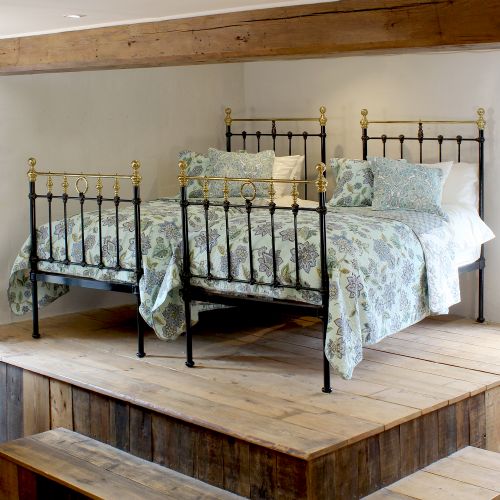
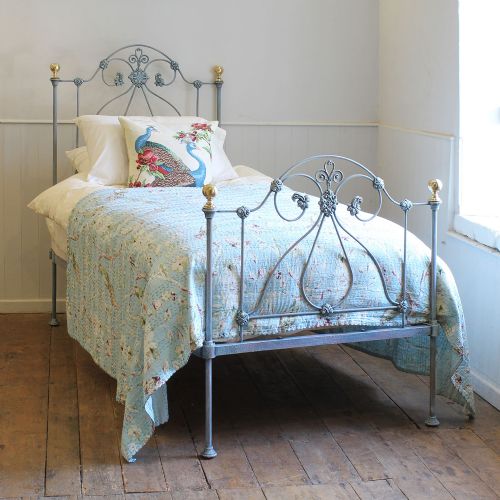
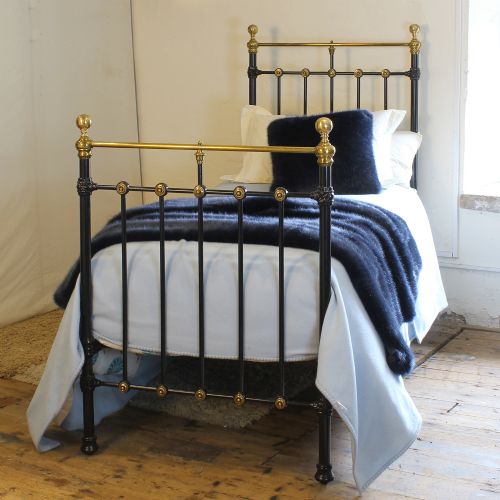
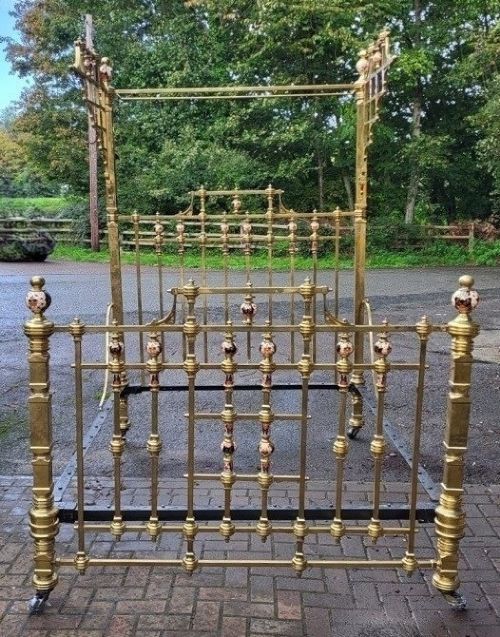
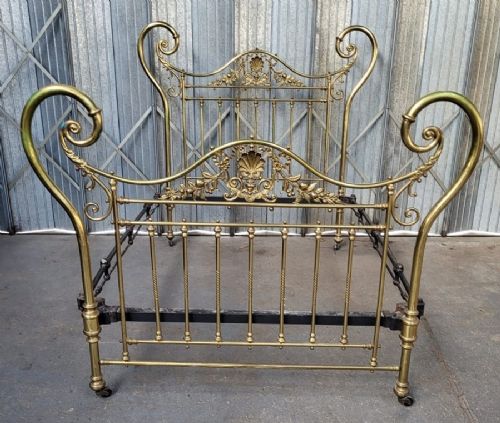
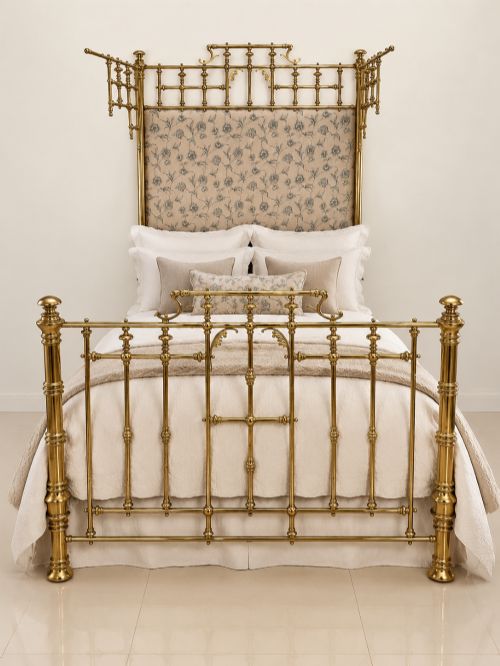
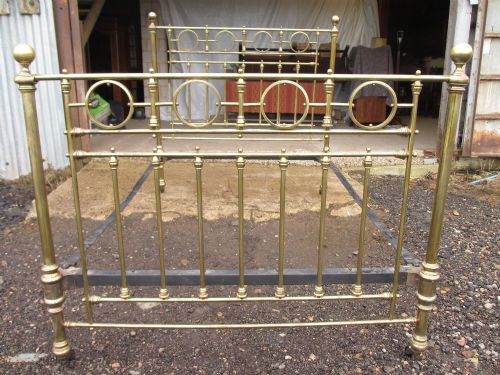
A cast brass bed frame brings substantial Victorian and Edwardian character to a bedroom through polished metal and heavy structural castings.
Cast Brass Bed Frame
When you search for a cast brass bed frame, you look at robust metal furniture primarily originating from the Victorian and Edwardian eras, spanning the mid-nineteenth century up to the early twentieth century. The selection on this page shows pieces catalogued as beds, bedsteads, and bed frames, incorporating both solid brass construction and mixed metal builds.
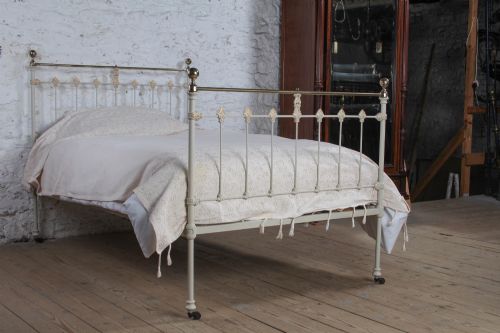
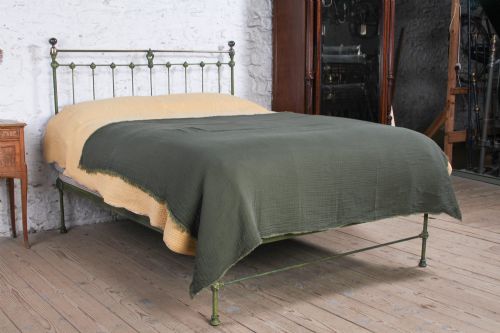
The most common versions met here combine gleaming brass components with sturdy iron frames, frequently featuring slot-in structures set on castors for mobility. Sizes range widely from large single and small double formats up to king, super king, and exhibition quality half tester proportions.
Stylistic influences across these listings encompass classic Victorian designs, Edwardian refinements, Victorian Aesthetic Movement pieces, and French Belle Epoque or French Country aesthetics. Many examples include decorative elements such as attractive castings, ceramic or mother of pearl details, and painted finishes.
How they were made
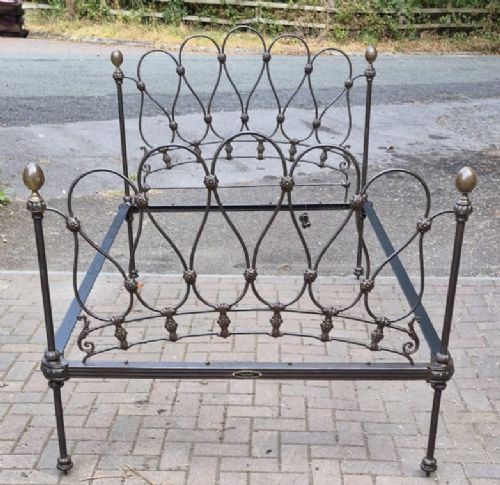
Makers constructed these frames using combinations of brass, cast iron, wrought iron, and solid brass components, often pairing structural iron strength with decorative brass tubing and finials. Metalwork techniques involved pouring molten iron into moulds for detailed castings, alongside hand-finishing and polishing the brass elements.
Selected pieces incorporate secondary materials including ceramic inlays, mother of pearl accents, and protective paint layers on the iron sections. Frames were engineered with practical components like slot-in joints and iron subframes designed to support heavy bedding securely.
Listings feature Victorian, Edwardian, and nineteenth-century periods alongside materials such as cast iron, solid brass, ceramic, and mother of pearl.
What varies in quality
The distinction between standard production items and exhibition quality pieces lies in the crispness and complexity of the brass castings and the overall weight of the metal used. Superior examples display intricate detailing, heavy-gauge tubing, and specialised maker attribution.
Structural integrity also separates the range, with finer pieces retaining original iron slot-in frames, functioning castors, and intact decorative inlays without compromise to the primary metalwork.
Winfield·R W Winfield·RW Winfield
The Cast Brass Bed Frame Glossary
- Bedstead
- The complete framework of a bed, including the headboard, footboard, and side rails. This term frequently appears in nineteenth-century listings.
- Half Tester
- A canopy bed style where the tester or canopy projects only partway over the head of the bed. It often supports fabric drapery.
- Castor
- A small wheel mounted on a swivel assembly attached to the base of the bed legs. This allows the heavy metal frame to be moved across floors with greater ease.
- Dip Rail
- A bedstead footboard or headboard rail curved downward in the centre. This style provides a softer profile than straight top rails.
- Aesthetic Movement
- A late nineteenth-century design style emphasising visual and compositional beauty over narrative content. Pieces from this movement often feature refined geometric or stylized ornamentation.
Cast Brass Bed Frame: Frequently Asked Questions
Are cast brass bed frames sturdy?
These frames rely on heavy cast iron and solid brass components designed to support substantial weight. Their robust construction allows them to withstand daily use over many decades.
The metal joints and slot-in side rails lock together securely to maintain structural stability. Proper assembly ensures the frame remains rigid and dependable.
How do I fit a modern mattress?
Many antique frames feature dimensions slightly different from standard modern mattress sizes. Checking the internal measurements of the side rails against contemporary mattress widths is essential.
Additional slatted bases or support platforms are often utilised inside the iron frame to accommodate modern mattresses properly. This ensures correct support without altering the antique exterior.
How do I clean brass and iron?
Routine maintenance involves dusting the metal surfaces with a dry or slightly damp cloth. Avoid harsh chemical cleaners that can strip protective lacquers or damage aged patinas.
Iron frames with painted finishes require gentle cleaning to preserve the original paint. Brass elements can be polished periodically if a brighter finish is preferred.
Can these beds be dismantled?
Most nineteenth-century bedsteads utilise a knock-down system with wedge joints or slot-in brackets. This design enabled easier transport and room placement during the Victorian period.
Dismantling requires loosening the integrated metal joints carefully without forcing stuck components. Having two people simplifies the process of separating the heavy headboards and footboards.