


Cased Clock
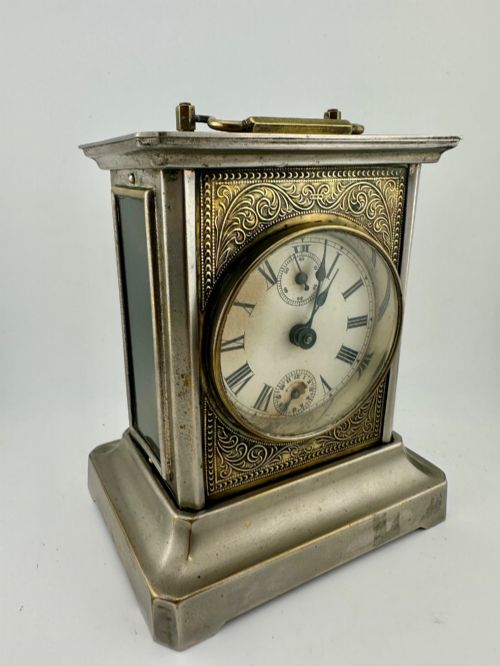
A cased clock is an instrument housed in glass, wood or brass, offering timekeeping alongside architectural presence in a room.
Cased Clock
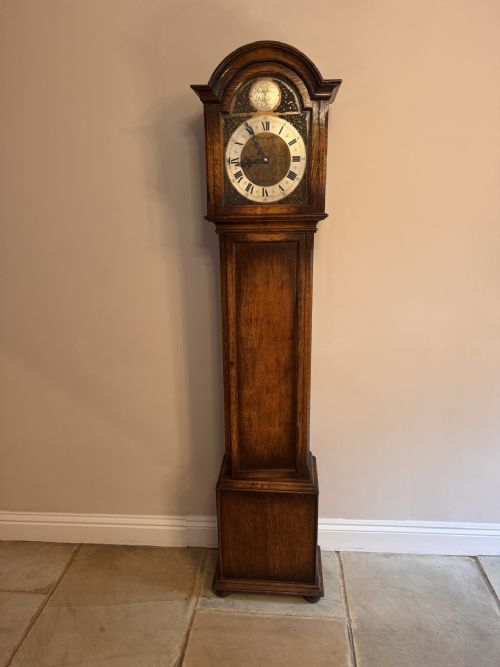
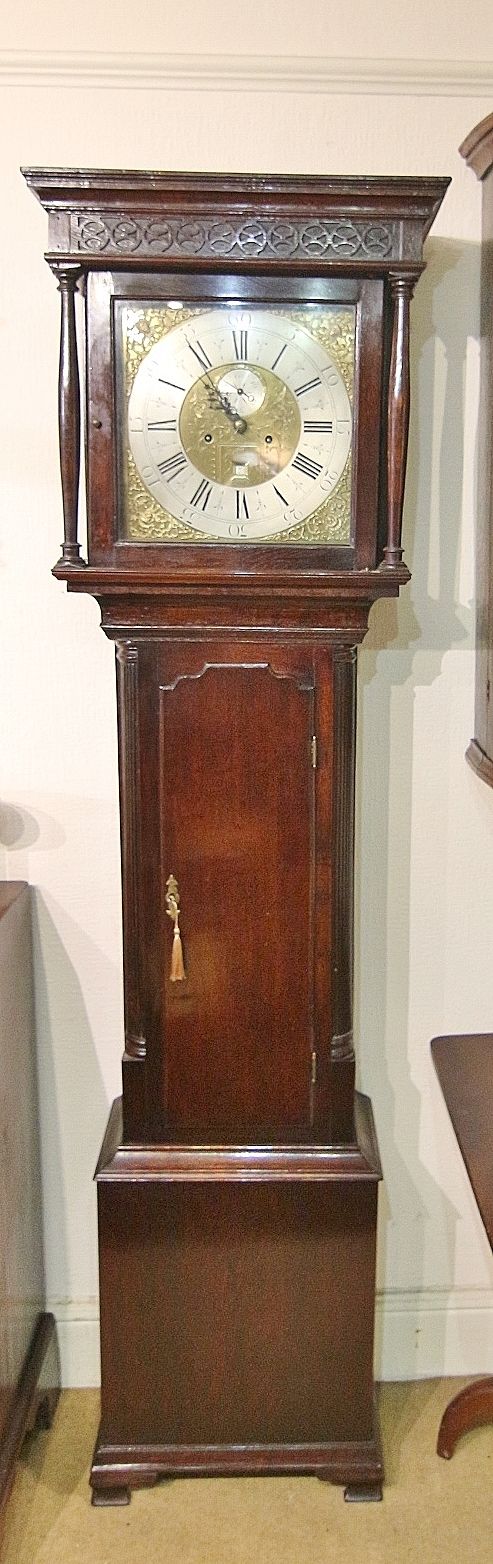
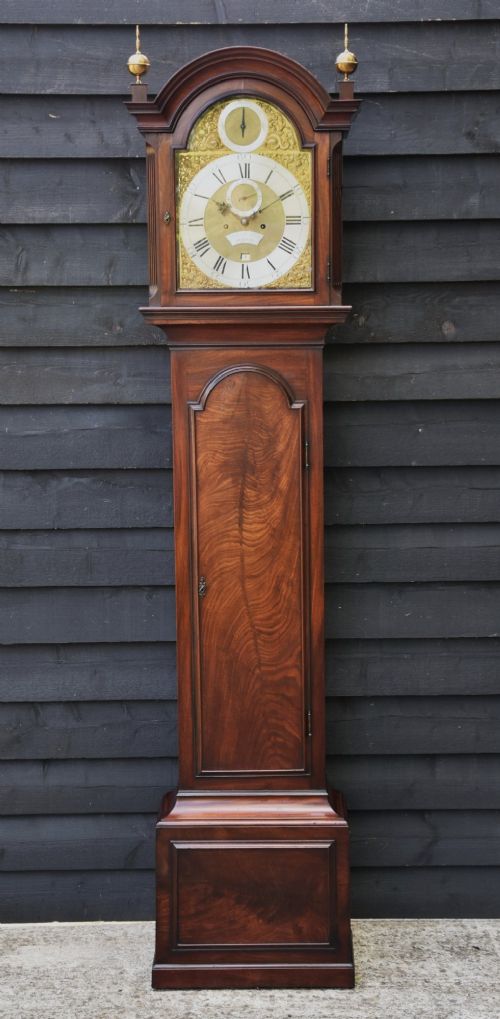
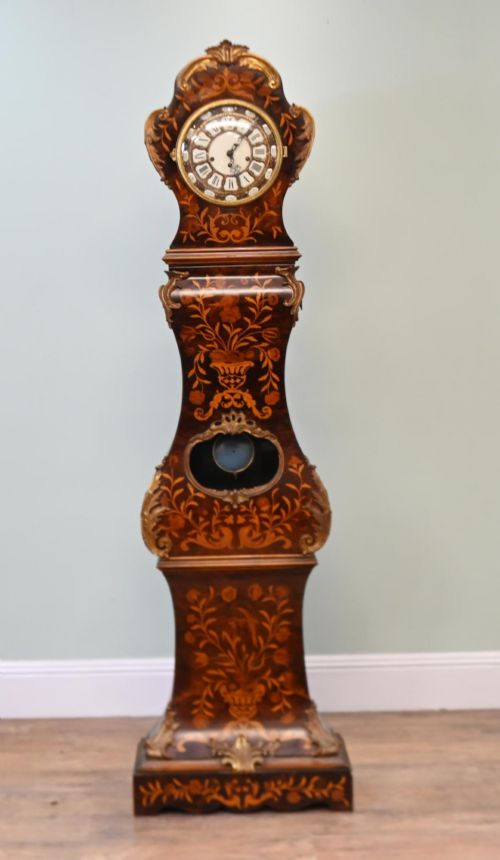
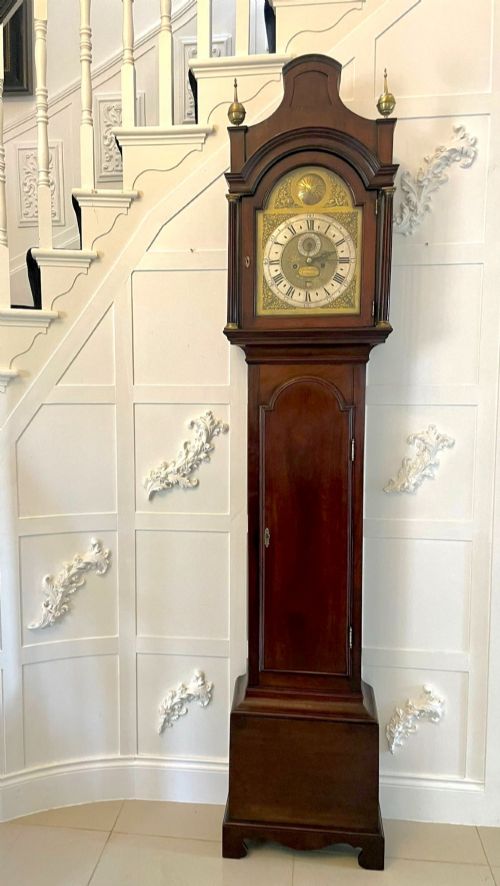
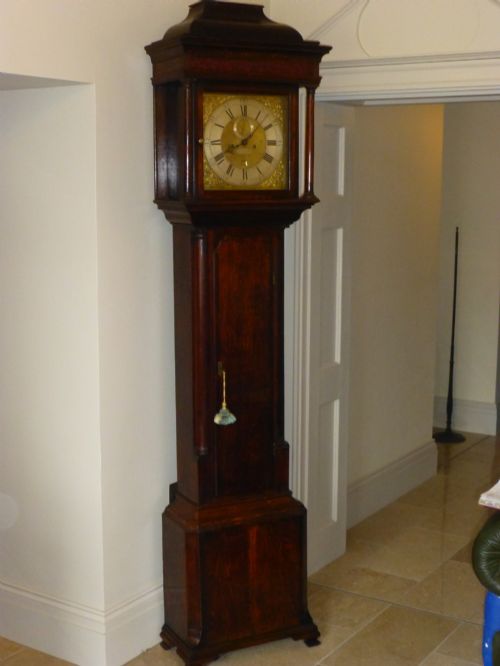
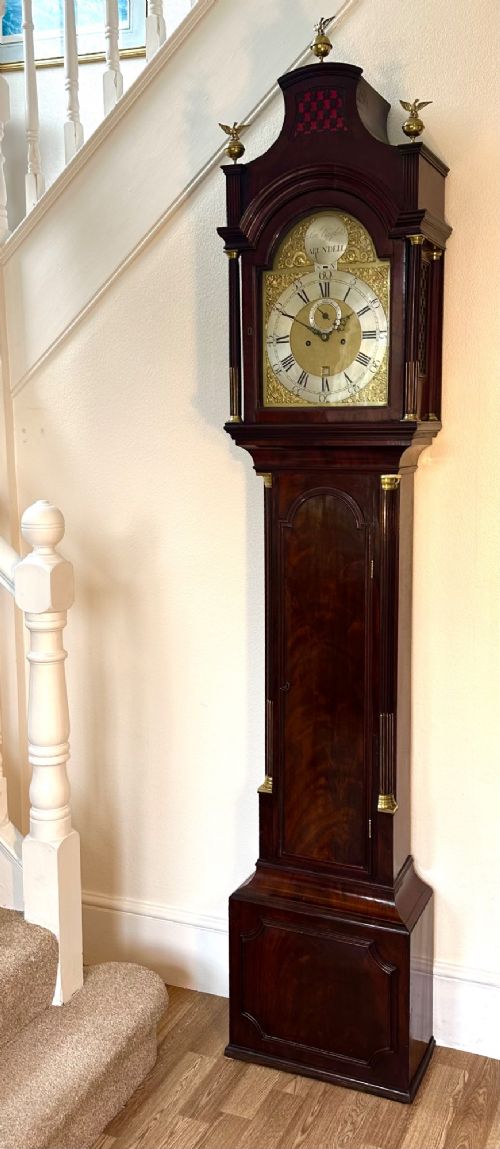
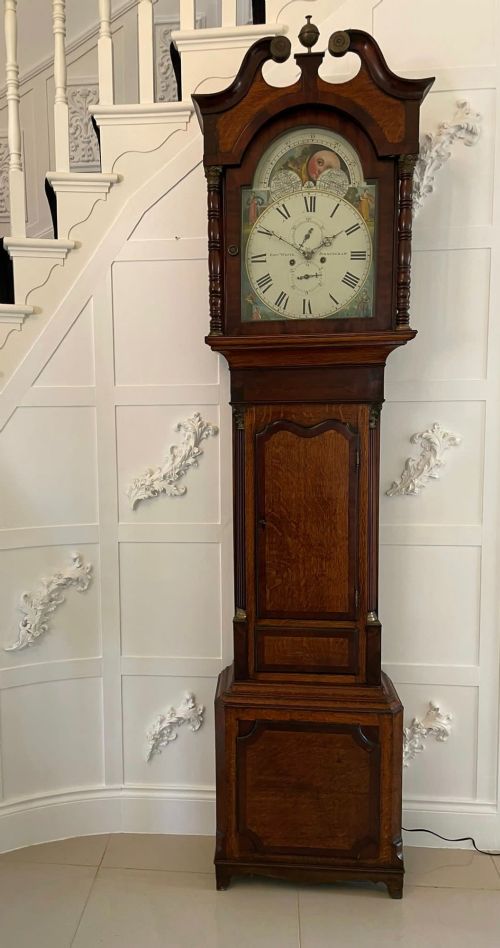
When you search for a cased clock, you meet objects ranging from towering floor-standing longcase examples to compact mantel and wall-mounted timepieces. The selection spans Georgian, Victorian and Edwardian periods, appearing in mahogany, oak, walnut and ebonised wood.
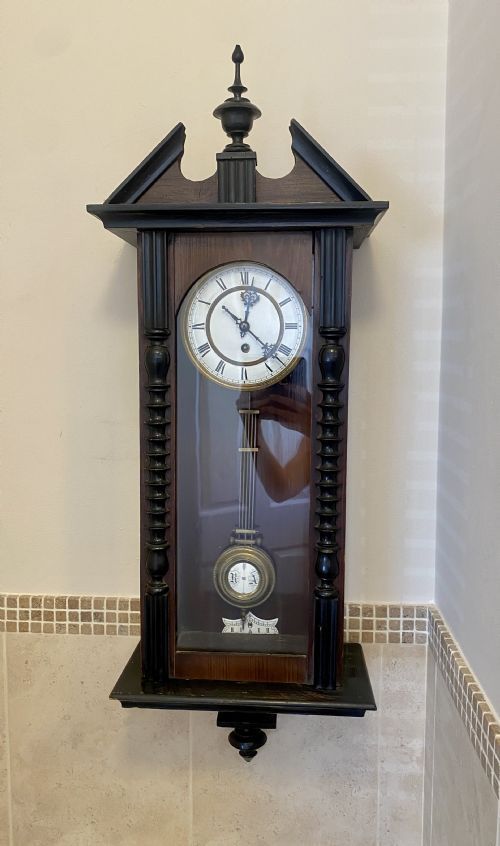
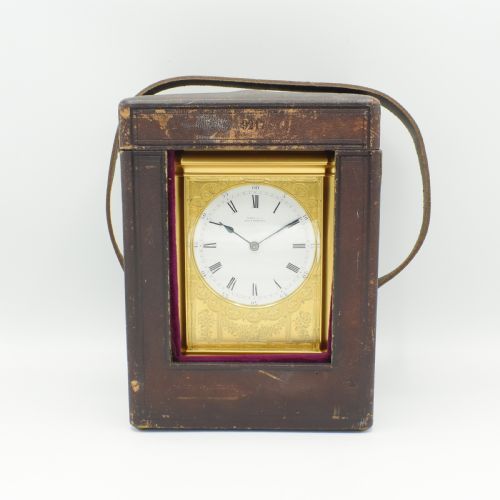
Floor-standing grandfather and grandmother models dominate the larger formats, while smaller dial clocks, carriage clocks and Vienna regulators provide alternatives for shelf or wall placement. These pieces cross domestic spaces, taking architectural form in hallways, parlours and libraries.
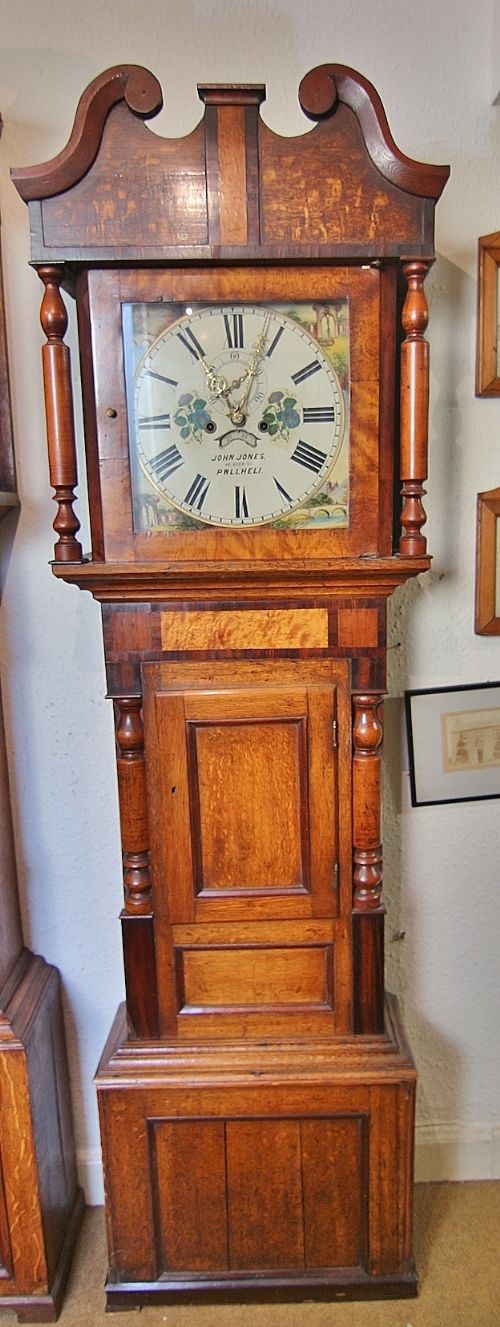
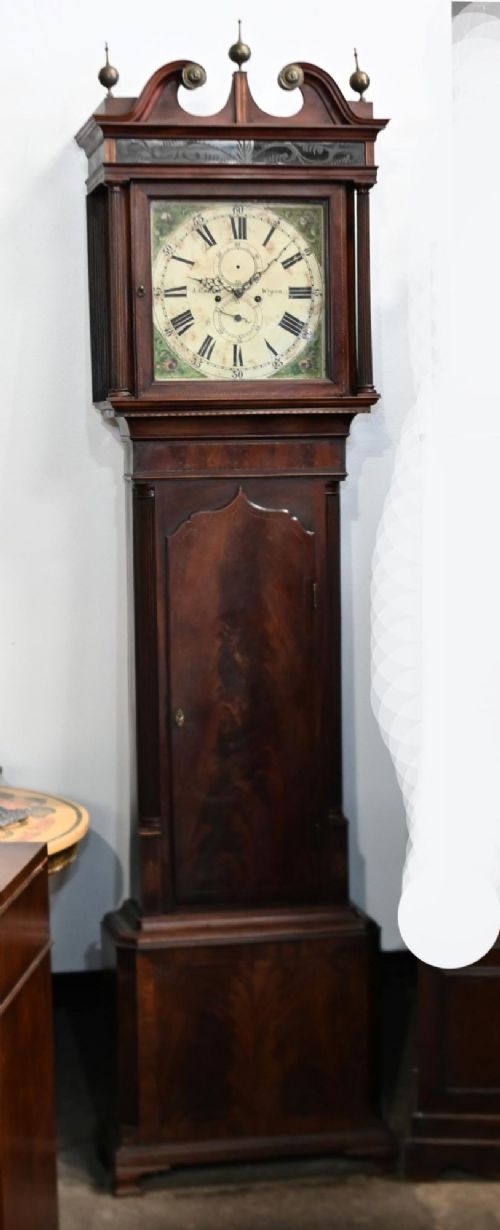
Regional variations appear frequently, with Scottish and Welsh longcase makers contributing distinct dial paintings and cabinet proportions alongside London workshop standards. Enamel, brass and gilded dials anchor the visual weight of these housing styles.
How they were made
Cabinetmakers constructed the wooden housings using native and imported timber, applying mahogany, oak, walnut and satinwood veneers or solid planks. Glass panes protected delicate dials, while brass and enamel formed the visible face plates for the movements.
Movements relied on brass and steel components, driven by weights or springs depending on whether the format was a floor-standing longcase or a portable carriage clock. Dial decoration involved hand-painted numerals, brass spandrels and engraved signatures from provincial and metropolitan clockmakers.
Cased Clock Retail Price Guide 2026
Typical asking prices for cased clock among the pieces listed under this phrase on Sellingantiques today, from the lower quarter to the upper quarter. They describe what is for sale here now, not the wider market.
Duck egg blue paint occasionally interrupts traditional wood finishes on smaller Georgian grandfather clock bodies.
What varies in quality
Quality rests in the precision of the dial engraving, the crispness of timber inlay and the integration of the movement within its wooden or brass housing. Superior examples display balanced proportions, uncompromised cabinet patination and clear signatures from recorded makers.
The sophistication of the mechanical movement, such as moonphase indicators or strike-silent functions, separates standard production from high-grade commissions. Cabinet woodwork showing careful grain selection and minimal structural alteration distinguishes finer survivals.
John Taylor London·Edward White Birmingham·Charles Shuckburgh London·Hendrie Ogg Dunfermline·Gordon of Aberdeen·Gillett & Johnston of Croydon·Lee of Great Marlow·D. Straiton Montrose·Elliott·Jn° Smith Macclesfd·Tait Peebles·James Field of Hempstead·Richard Corless of Stockport·Henri Jacot·James McCabe
The Cased Clock Glossary
- Longcase clock
- A tall floor-standing timekeeper, frequently called a grandfather clock, enclosed in a wooden trunk with a weighted movement. These housing units protect the pendulum and weights while displaying the dial at eye level.
- Fusee
- A conical pulley used in spring-driven clocks to equalise the torque as the mainspring unwinds. This mechanism helps maintain consistent timekeeping accuracy.
- Moonphase
- A dial mechanism tracking the lunar cycle through a rotating painted disc visible through an aperture on the clock face. It appeared on regional and metropolitan longcase examples.
- Regulator
- A precision timekeeper designed for high accuracy, often housed in a wall-mounted glass-fronted case. These mechanisms derive from observatory standards.
- Dial
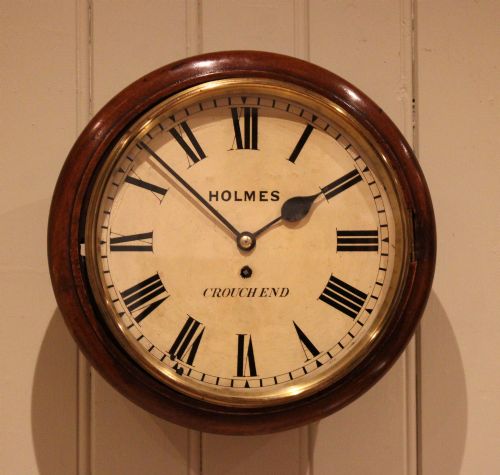
- The face of the clock where hours and minutes are indicated, constructed from brass, painted iron or enamel. They frequently bear the signature of the maker and their town of origin.
Cased Clock: Frequently Asked Questions
Where should I place a longcase clock?
Floor-standing pieces require a stable, dry interior wall with adequate vertical clearance to accommodate the wooden trunk and swinging pendulum.
Avoid placing them near heat sources or in areas subject to dampness, which can affect the wooden housing and internal metal components.
How do weight-driven clocks operate?
Weights suspended by cords or chains inside the trunk provide the power required to drive the gear train and escapement.
As the weights slowly descend over days or weeks, they require manual winding using a key or crank fitted to the dial.
What is a carriage clock?
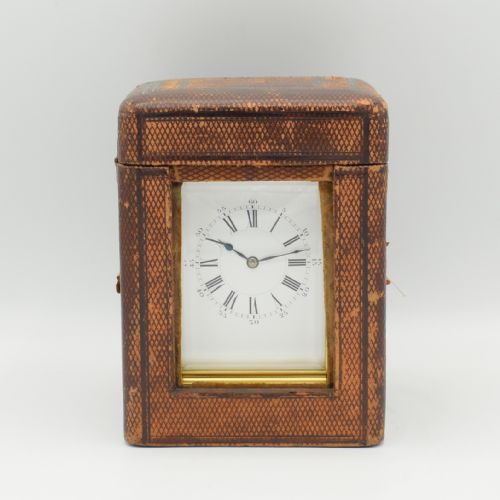
A portable spring-driven timepiece enclosed in brass and glass panels, originally designed for travel during the nineteenth century.
These pieces feature a small handle on top and often retain their original leather travel cases.
How do I identify a regional longcase style?
Regional longcases often display distinctive painted dial artwork, cabinet woods native to the area, and cabinet proportions specific to local workshops.
Signatures painted or engraved on the dial connect the piece to makers working outside London, such as in Scotland, Wales or northern English towns.