
Cased Silver
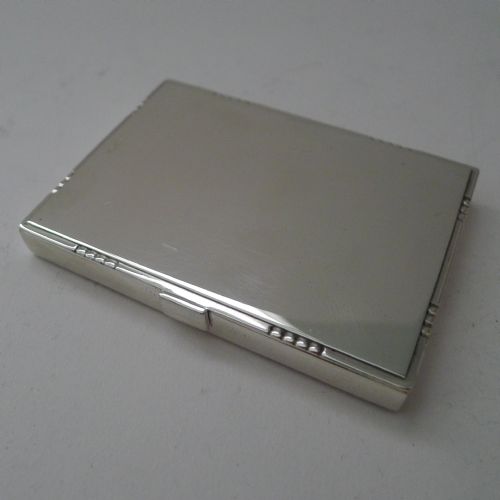
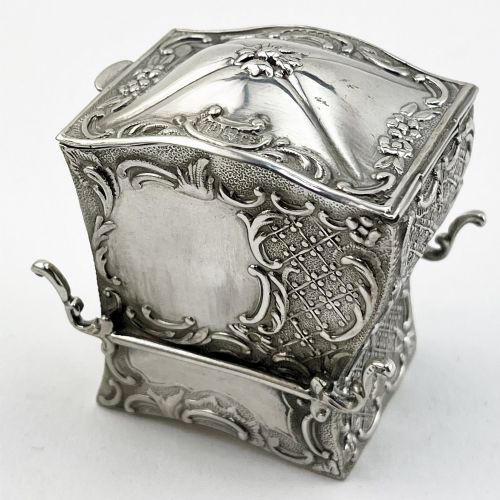
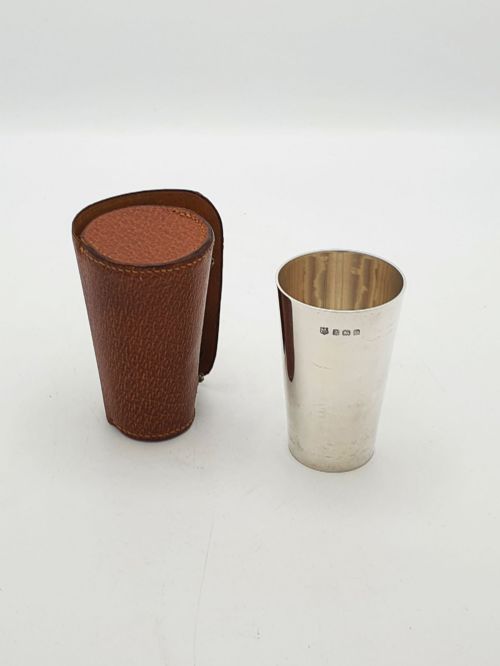
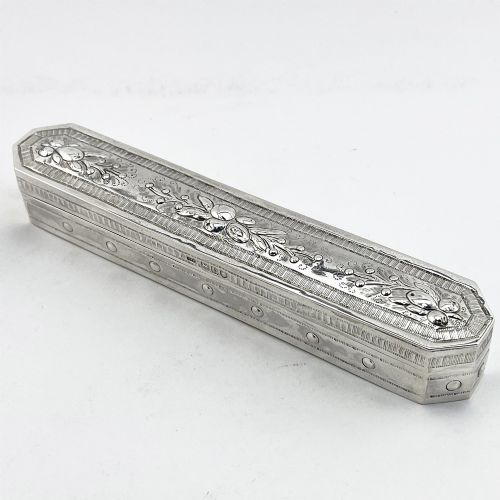
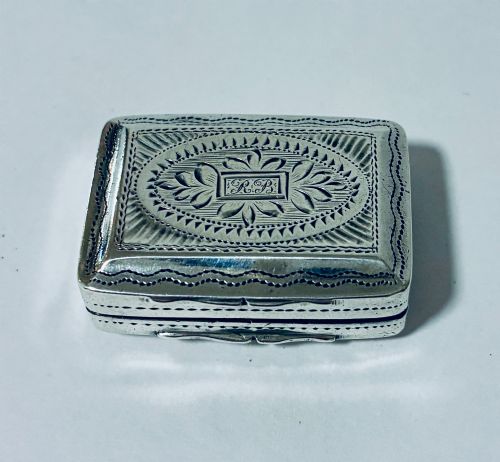
Cased antique silver brings together fitted presentation boxes and precious metal tableware, cutlery, and personal items made to be preserved and displayed.
Cased Silver
Cased antique silver comprises matched sets and individual items housed in protective fitted enclosures designed for gifting, travel, or formal dining.
The selections span Victorian, Edwardian, and Art Deco eras, capturing shifts in design from ornate floral motifs to geometric lines.
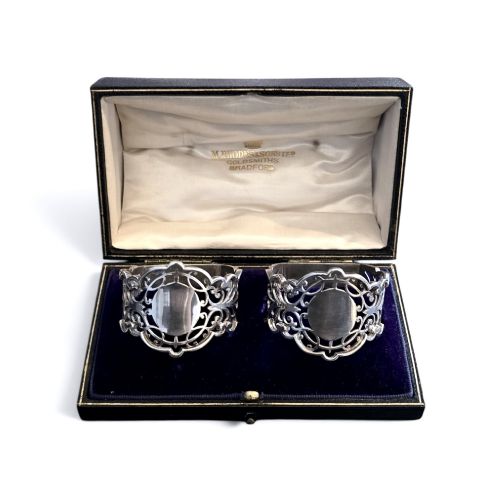
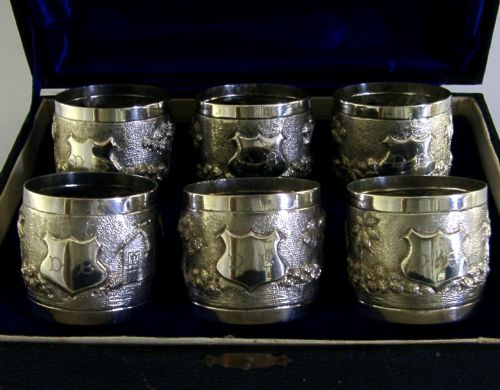
Common forms include spoon sets, napkin rings, cruet sets, and vanity accessories, each resting securely in custom-moulded slots.
How they were made
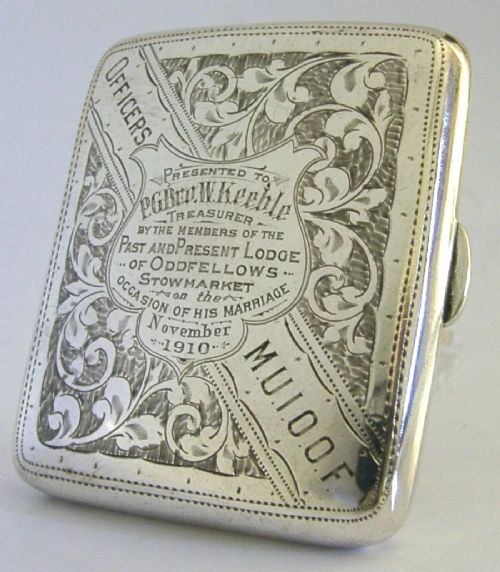
Silversmiths shaped solid sterling silver through hammering, casting, and piercing, often applying engraved details or hand-painted enamel highlights.
The protective cases utilised rigid wooden or card foundations lined with tactile fabrics such as velvet, silk, satin, or leatherette to cushion the metal contents.
Materials recorded across the archive include velvet, silk, satin, leatherette, and glass alongside sterling silver.
What varies in quality
Quality rests upon the crispness of the silversmith's chasing and stamping, alongside the structural integrity and original lining of the housing box.
Complete sets with matching hallmarks and undamaged interior fabric command greater regard than assembled groups or those with replacement elements.
Charles Penny Brown·Henry Wilkinson·Aaron Lufkin Dennison·Levi and Salaman·Howard James·EV Pledge and Son·Robert Chandler·Horton and Allday·FA Barrett
The Cased Silver Glossary
- Sterling silver
- A standard alloy consisting of 925 parts of silver per thousand by weight. This metal provides the durable foundation for nearly all the flatware and presentation pieces found here.
- Hallmark
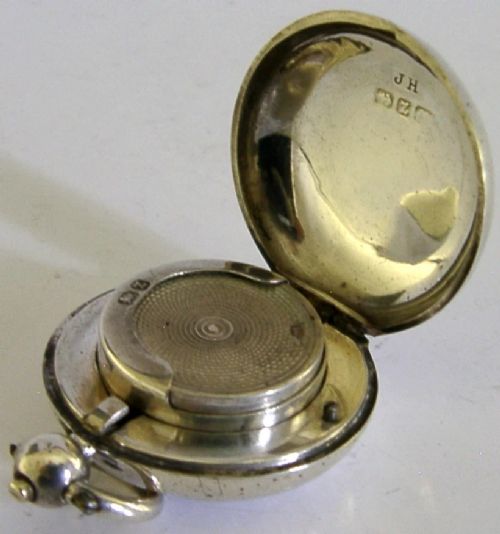
- An official stamp applied by an assay office to indicate metal purity, the maker, and the year of testing. These tiny marks allow precise dating of Victorian and Edwardian items.
- Cruet set
- A matched group of small containers designed to hold condiments like salt, pepper, and mustard. They frequently appear paired with bespoke glass liners and miniature spoons inside fitted boxes.
- Etui box
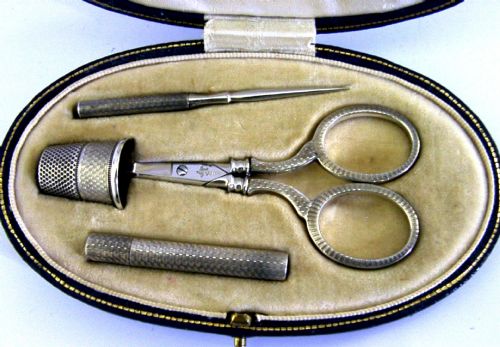
- A small decorative container used to house needlework implements or personal trinkets. These pocket-sized cases often feature intricate exterior engraving or enamel work.
- Vesta case
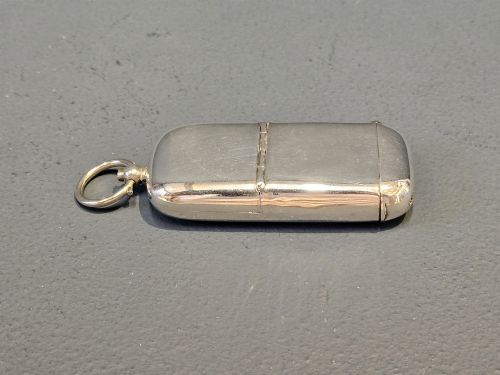
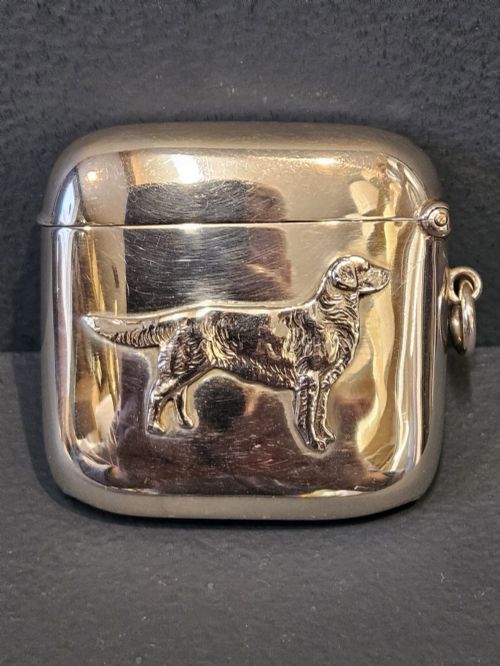
- A small matchsafe equipped with a striking surface on the base for lighting cigars or pipes. Many examples from the late nineteenth century feature engraved monograms or figural designs.
Cased Silver: Frequently Asked Questions
How do I clean tarnished cased silver?
Use a soft microfiber cloth specifically formulated for silver maintenance, applying gentle pressure to avoid wearing down engraved details or hallmarks.
Keep the metal away from the delicate fabric linings inside the presentation boxes during cleaning to prevent staining the antique interior.
Were these boxes meant for travel?
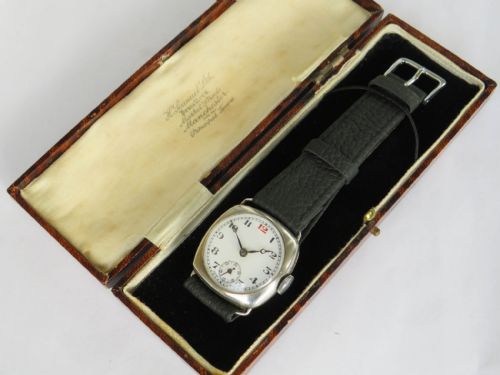
Many fitted cases were constructed for transport, particularly travelling communion sets, pocket watch housings, and grooming kits used by Victorian and Edwardian owners.
Other enclosures served purely for presentation and domestic storage on dining tables or sideboards rather than frequent journeys.
How can I tell the date?
Examine the stamped hallmarks on the silver components, which typically include a date letter corresponding to the assay office and year of manufacture.
The style of the exterior case and its interior silk or velvet typography can also provide secondary clues to the production era.
Can I use antique silver daily?
Sterling silver flatware and napkin rings are durable enough for regular dining use, provided they are washed by hand rather than placed in an automatic dishwasher.
Storing the items back inside their fitted velvet or satin-lined cases after use helps protect the soft metal from scratches.