


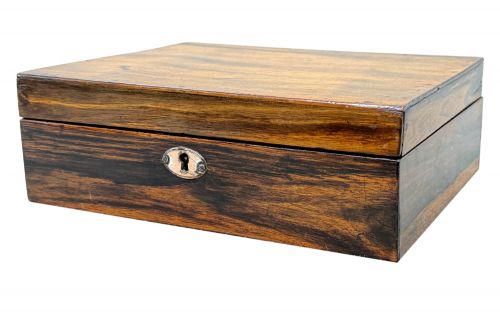


Carved Writing Box
When you search for a carved writing box, you seek a portable repository for correspondence that carries the weight of centuries through its ornamentation and timber.
Carved Writing Box
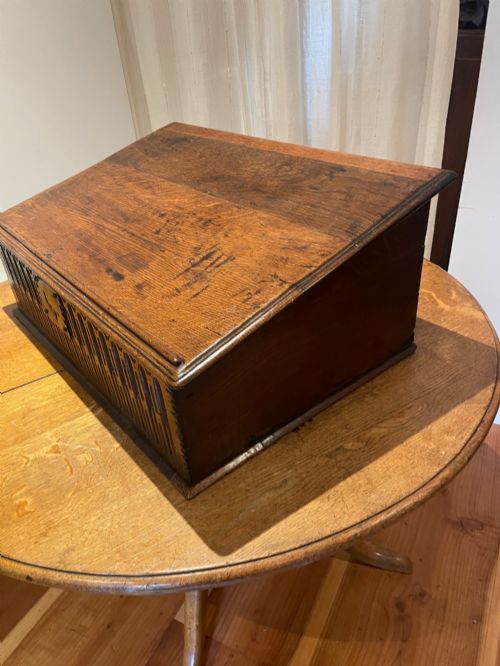
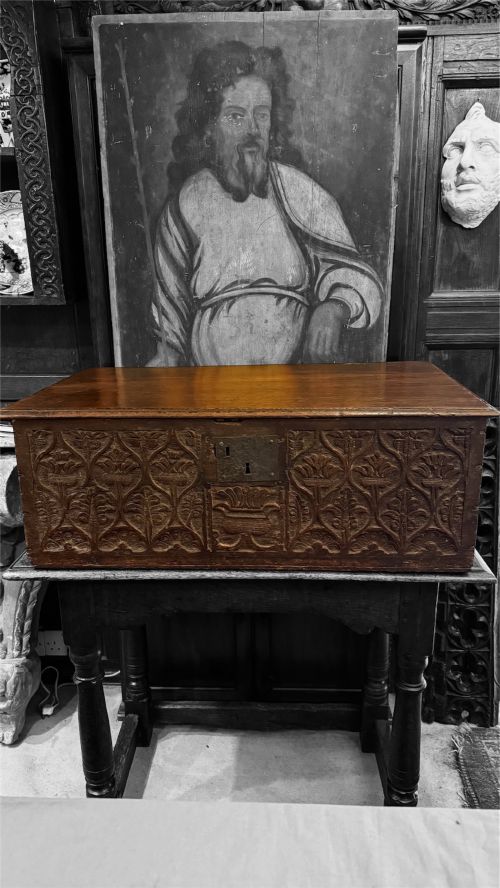
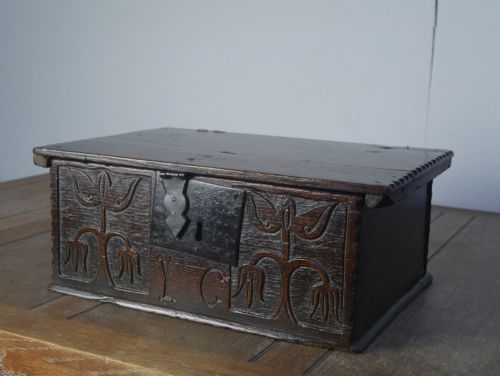
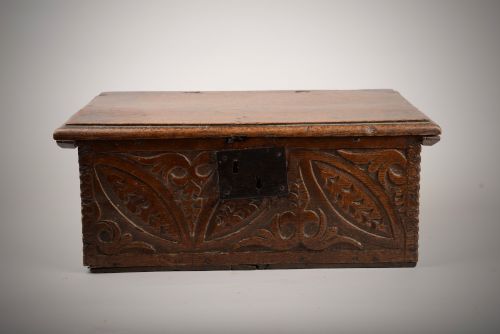
A carved writing box is a portable chest designed to hold writing materials, correspondence, and documents, frequently featuring a sloped lid for working. The pieces you encounter most often on this page date from the seventeenth, eighteenth, and nineteenth centuries, taking the form of oak bible boxes, document chests, and writing slopes in woods like mahogany, coromandel, and ebony.
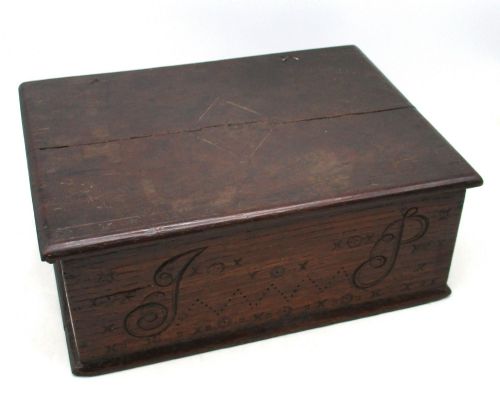
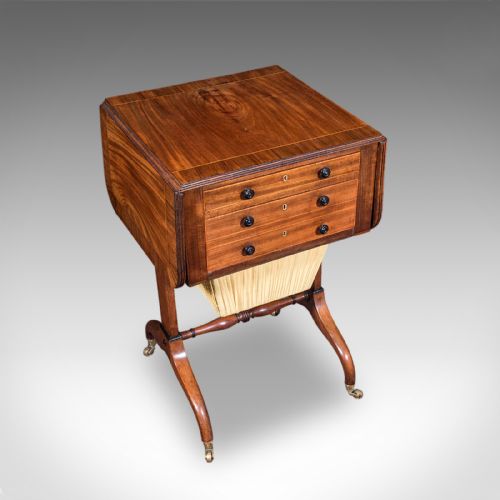
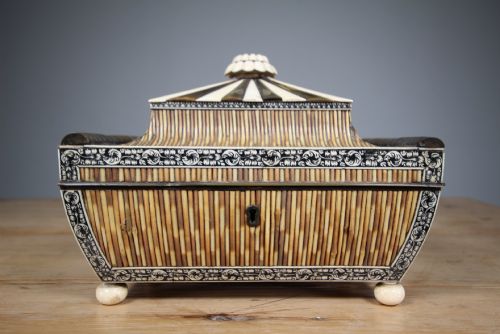
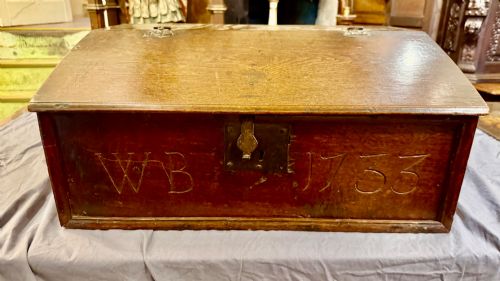
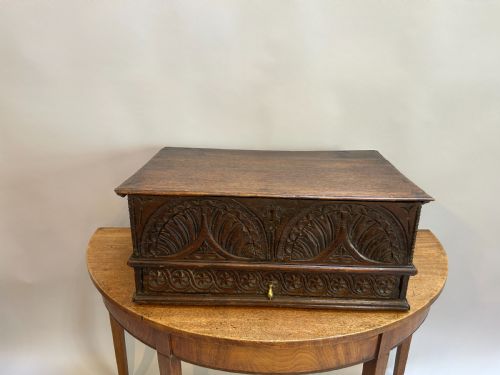
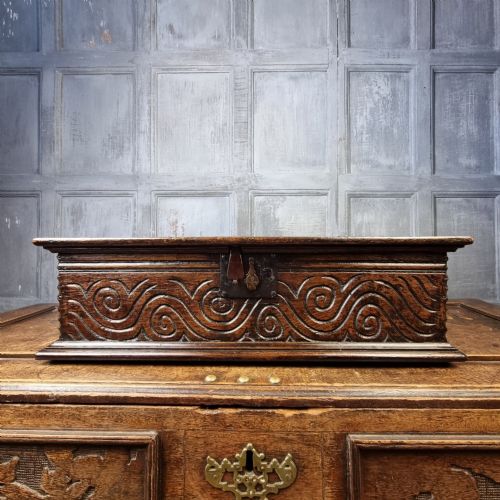
Earlier examples typically originate from seventeenth century English workshops, constructed in solid oak with deep chip-carved geometric patterns, scrolling foliage, or owner initials. Later nineteenth century pieces often reflect Anglo-Indian, Ceylonese, or Victorian influences, utilising exotic tropical hardwoods adorned with intricate relief carving, bone inlay, and reeded decoration.
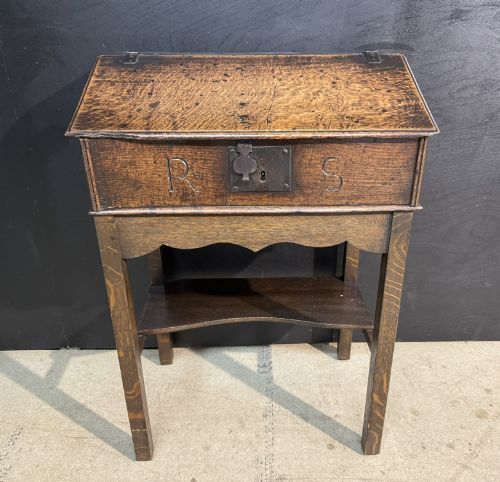
Functional variants range from simple table-top document repositories with internal drawers to elaborate sarcophagus-shaped quill boxes and fitted writing slopes. These objects served literate households, clergy, and travellers, functioning as both practical stationery storage and prominent desktop furnishings.
Materials and construction
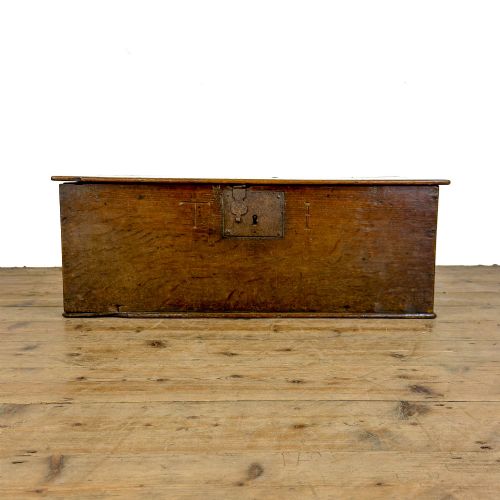
Construction relies heavily on sturdy domestic timbers like oak for seventeenth and eighteenth century pieces, jointed with traditional pegged framing to withstand heavy daily use. Nineteenth century boxes often employ dense exotic woods such as ebony, burr walnut, coromandel, and mahogany, chosen for their rich grain and ability to hold crisp detail under the carver's chisel.
Decoration is achieved through direct wood carving, low-relief vegetal motifs, and applied elements like bone, ivory, and contrasting stringing in holly or bog oak. Hardware such as brass hinges, escutcheons, and iron locks secure the lids and internal compartments, combining structural utility with decorative metalwork.
Carved Writing Box Retail Price Guide 2026
Typical asking prices for carved writing box among the pieces listed under this phrase on Sellingantiques today, from the lower quarter to the upper quarter. They describe what is for sale here now, not the wider market.
Assessing quality and execution
Quality rests in the crispness and depth of the carving, where master carvers achieved sharp, clean lines in stubborn oak or intricate detail in dense tropical ebony. The integration of secondary woods, the retention of original brass hardware, and the complexity of internal compartments - such as secret drawers and dedicated pen trays - distinguish superior examples.
The integrity of the construction, including dovetailed joints, original hinges, and undisturbed timber patination, separates standard utility boxes from exceptional collector pieces. Surface finish also plays a role; untouched beeswax finishes on early oak reveal grain and tooling marks more honestly than heavy modern restorations.
The Carved Writing Box Glossary
- Bible box
- A small lidded desk box, usually in oak, originally made to hold a family Bible or important household documents. They often feature sloping lids that served as a writing surface when placed on a table.
- Writing slope
- A portable box with an angled hinged lid that opens to reveal a slanted writing surface, inkwell compartments, and storage for stationery. Many nineteenth-century versions fold flat to create a dual-surface leather-lined desk.
- Anglo-Indian
- A term describing items made in India during the British colonial period, often by native artisans combining traditional local carving techniques with European furniture forms. These pieces frequently utilise ebony, coromandel, and bone inlay.
- Document box
- A utilitarian chest designed for storing deeds, letters, and paper records securely before the widespread use of vertical filing cabinets. They generally feature robust iron or brass locks and carrying handles.
- Tunbridge ware
- A type of decorative woodwork produced in Kent, characterised by intricate mosaic patterns assembled from thousands of tiny tinted wood blocks. These geometric designs often adorn nineteenth-century box lids.
Carved Writing Box: Frequently Asked Questions
What is a bible box?
A bible box is a small, heavy wooden chest with a flat or sloped lid, originally built to house a large family Bible and vital documents.
In early homes without dedicated desks, these boxes sat on tables and served double duty as portable writing surfaces when the owner needed to draft a letter.
How do I date an oak writing box?
Dating relies on examining the construction methods, such as hand-cut dovetails, iron wrought hinges, and the style of the carved decoration.
Seventeenth-century pieces typically show pegged frame-and-panel construction with chip-carved strapwork, whereas eighteenth-century examples feature simpler box joints and cleaner rectilinear proportions.
How should I care for an antique wooden box?
Antique wooden boxes require stable indoor humidity away from direct heat sources and sunlight to prevent the timber from splitting or warping.
Applying a sparing amount of microcrystalline wax or traditional beeswax periodically helps nourish the wood and maintain the natural lustre of the patination.