




Carved Wooden Window Stool
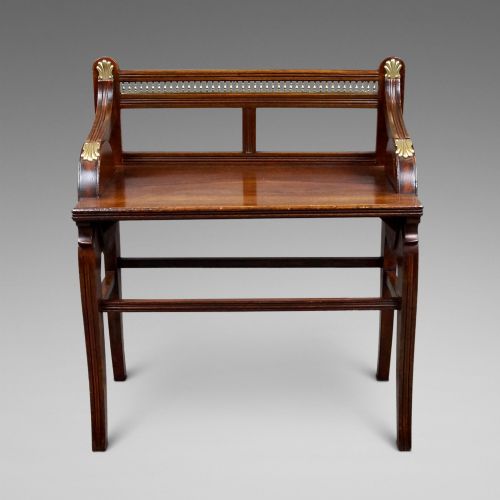
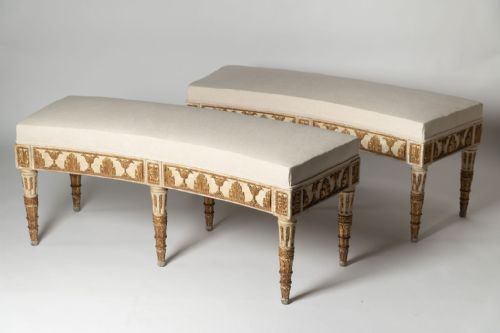
A carved wooden window stool offers low seating designed specifically for the bay, bringing varied regional forms from Victorian walnut to Gustavian painted pine.
Carved Wooden Window Stool
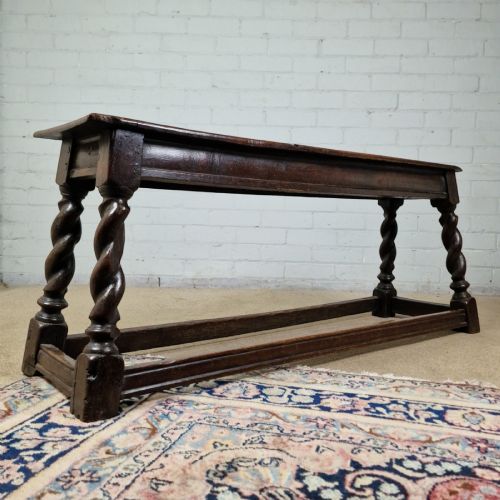
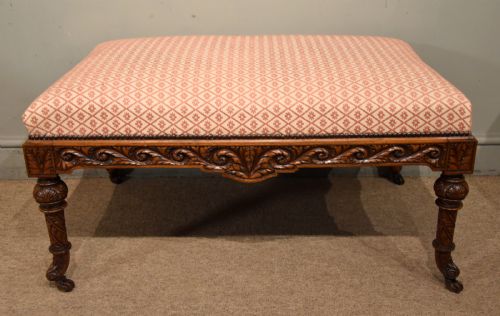
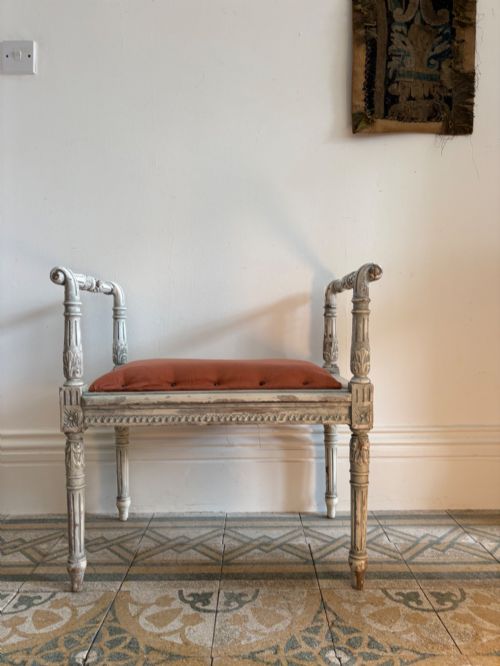
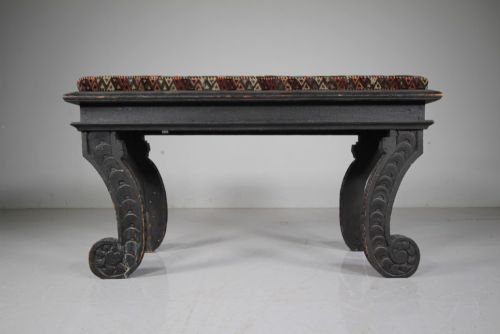
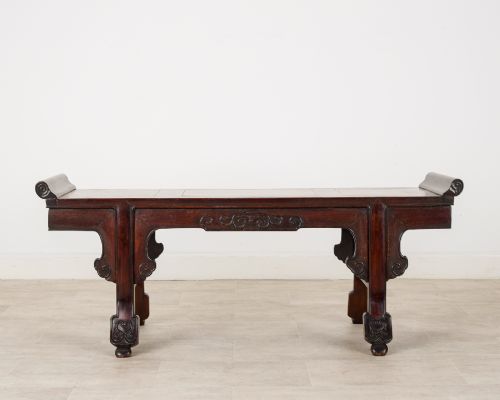
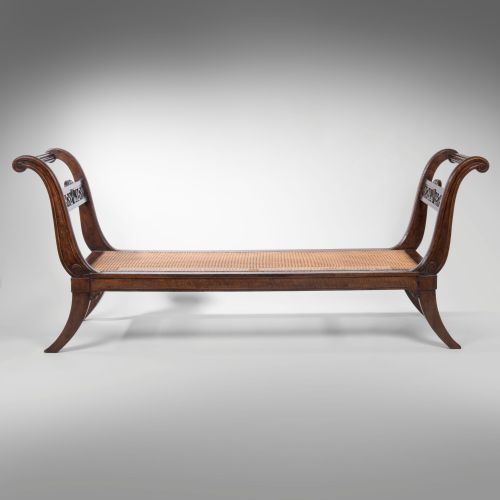
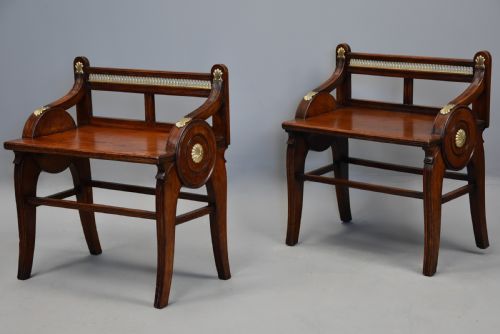
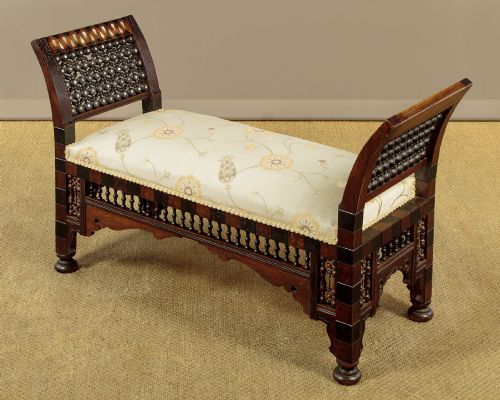
A carved wooden window stool functions primarily as low seating or a long bench placed beneath a sill, drawing on forms recorded from the eighteenth century through the early twentieth century. Buyers seeking a carved wooden window stool encounter diverse regional expressions, ranging from English oak and mahogany frames to French walnut and Chinese hardwood examples.
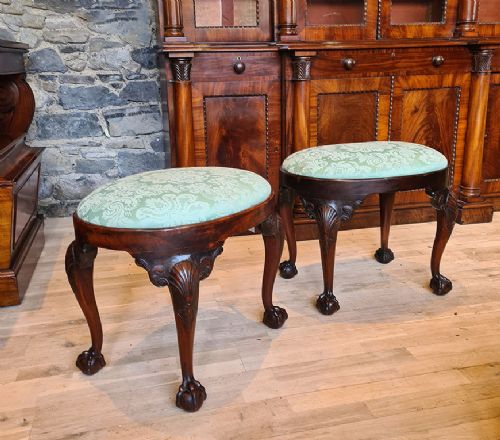
The inventory on this page includes long benches, X-frame supports, and oval stools alongside traditional window seats. Makers applied styles spanning the Gothic manner, Regency, and Aesthetic Movement to create pieces suited for hallways, dressing rooms, and living spaces.
Materials and construction
Joiners built these frames using solid timbers such as oak, walnut, mahogany, pine, and exotic hardwoods like huali, often incorporating brass mounts, pearl inlay, or cane work. Carvers shaped structural elements by hand, producing intricate details from hunting dog heads to classical foliage and floral motifs.
Upholstery completed the pieces, utilising silk, linen, tapestry, and modern textile recoveries fastened over traditional stuffing or solid wooden platforms. Painted and giltwood surfaces received specific preparation layers, preserving the colour and texture of the original decorative scheme.
Listings feature oak, walnut, mahogany, and pine timbers alongside silk, brass, and cane materials.
Assessing craftsmanship
Quality rests in the depth and clarity of the carving, distinguishing workshop pieces shaped by skilled hands from simpler moulded output. Superior examples display tight joinery, carefully selected timber grains, and harmonious proportions between the timber frame and the upholstered seat.
The integrity of the structural timber and the retention of original surface finishes determine the standing of an individual piece. Finer examples maintain crisp edges on ornamental details and display authentic patination accumulated over generations of use.
James Shoolbred and Co
The Carved Wooden Window Stool Glossary
- Gustavian Neoclassical
- A Swedish aesthetic movement characterised by pale painted finishes, restrained carved detail, and clean classical lines. These pieces often feature light wood tones and simple upholstery.
- X-frame
- A structural support formed by intersecting diagonal members that cross in an X shape beneath the seat. This ancient form reappears frequently in Regency and Empire designs.
- Huali
- A prized Chinese hardwood utilised for traditional furniture construction. It exhibits a dense grain and rich natural colour suited to elaborate carving.
- Reformed Gothic
- A nineteenth-century design approach that reinterpreted medieval architectural motifs for domestic furniture. Pieces in this manner display geometric tracery and sturdy oak construction.
Carved Wooden Window Stool: Frequently Asked Questions
Where should I place a window stool?
These low seats suit positions beneath low sills, along narrow hallways, or at the foot of a bed. Their modest height avoids blocking natural light from glass panes.
They also function effectively as freestanding benches or low tables when topped with a tray, adapting easily to modern living layouts.
How do I care for the upholstery?
Protect delicate textiles such as silk and antique tapestry by keeping them away from direct sunlight to prevent fading. Vacuum fabric surfaces gently using a soft brush attachment.
For pieces recovered in modern linen, follow standard textile maintenance suitable for natural fibres while avoiding harsh chemical cleaners near the wooden frame.
How do I identify a Victorian piece?
Victorian examples often employ dense timbers like walnut and rosewood, featuring dark patination and substantial carving. Common motifs include animal heads, heavy foliage, and buttoned upholstery.
Construction methods from this era involve machine assistance alongside hand carving, resulting in heavier frames designed for durability.
What is the difference between a window seat and a hall bench?
Window seats generally feature compact proportions or upholstered tops designed specifically for prolonged sitting by a window. Hall benches often present longer, firmer wooden or cane surfaces intended for transit areas.
Despite their original functions, both forms share similar architectural carving and structural framing across the periods represented here.