

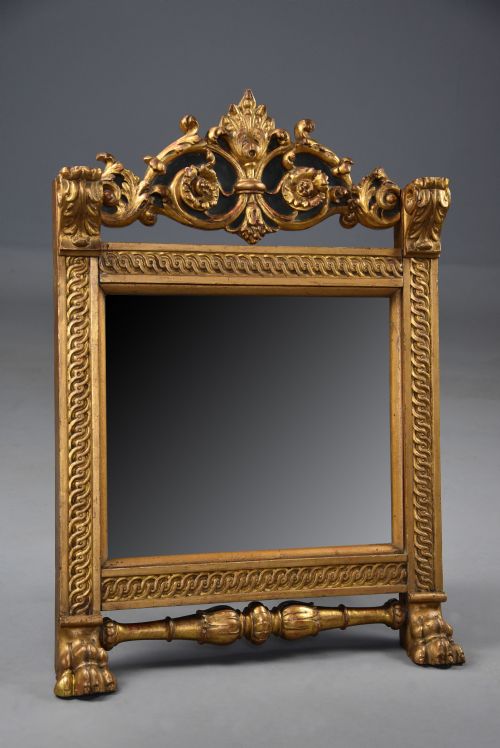
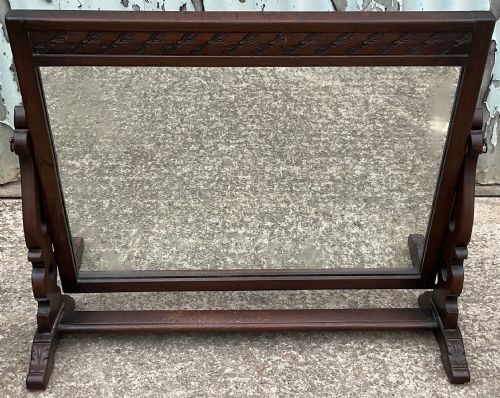

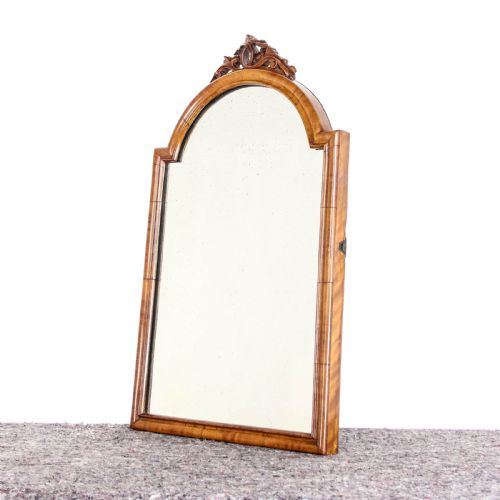


Carved Wooden Vanity Mirror
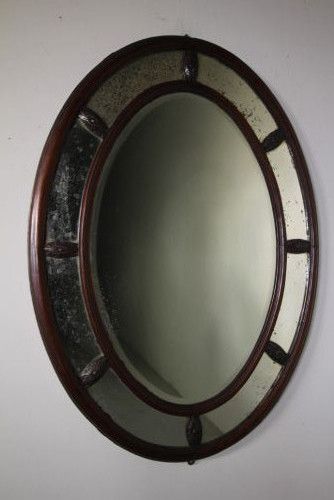
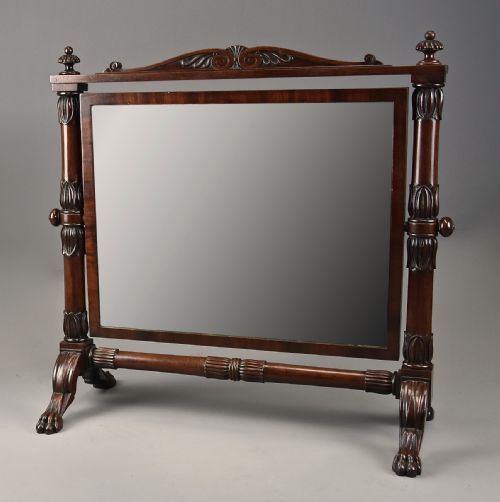
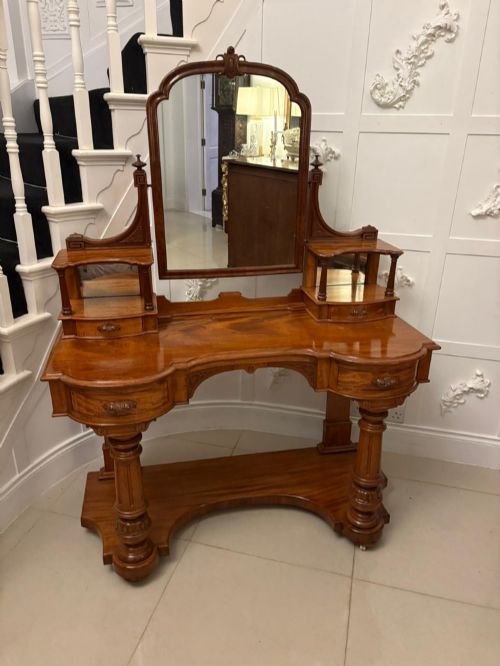
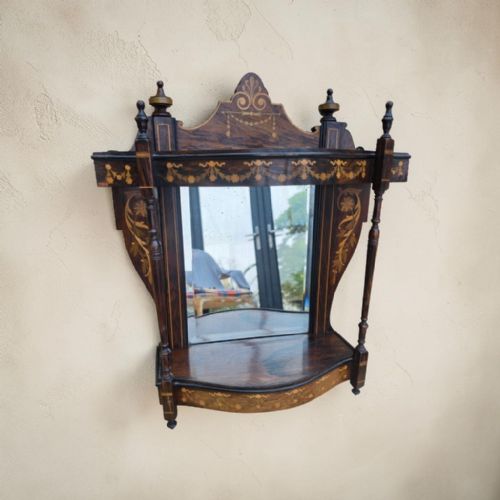
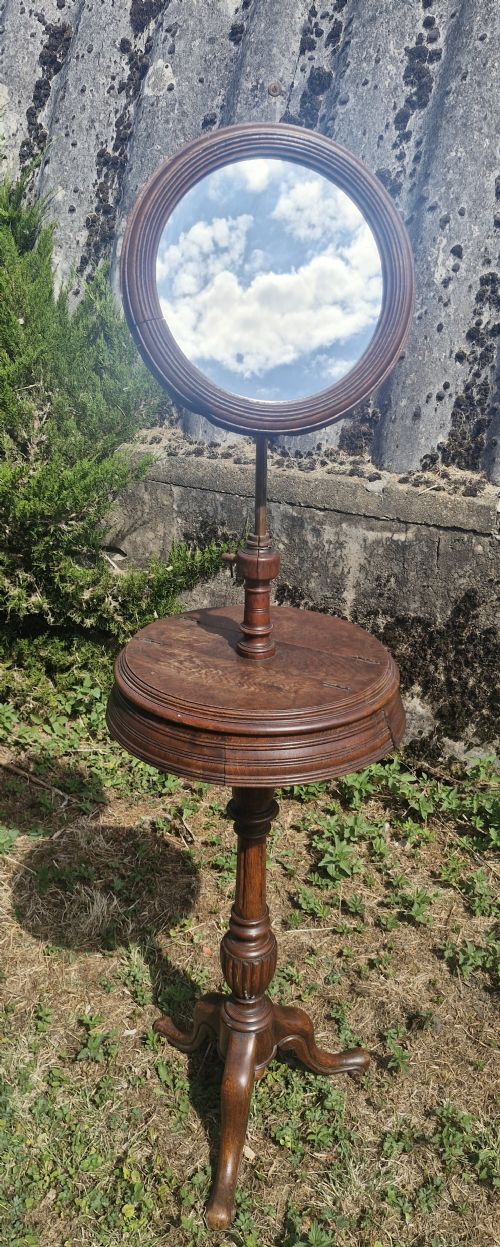
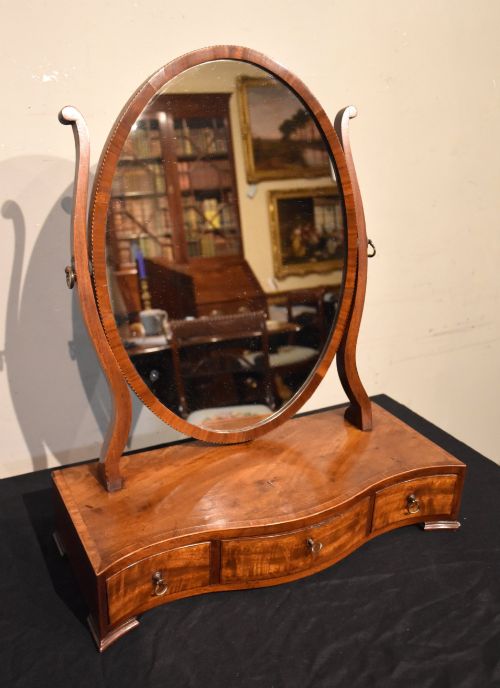
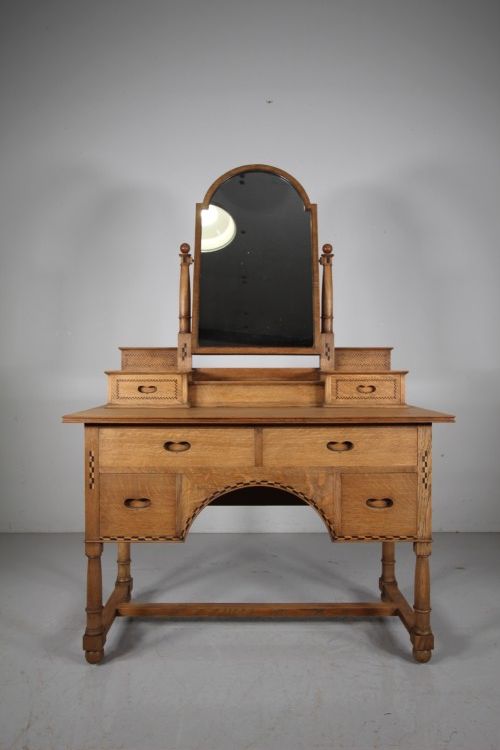
A carved wooden vanity mirror is a dressing surface that brings warmth to a room, and the pieces here range from mahogany swing frames to oak toilet glasses.
Carved Wooden Vanity Mirror
A carved wooden vanity mirror sits upon dressing tables, chests and desks to reflect the face during grooming. When you search for a carved wooden vanity mirror, you encounter pieces designed to tilt or swing on side supports.
The selections span the nineteenth century into the twentieth, taking forms such as dressing mirrors, toilet mirrors and shaving stands. Victorian and Edwardian examples predominate alongside Georgian and later interpretations.
How they were made
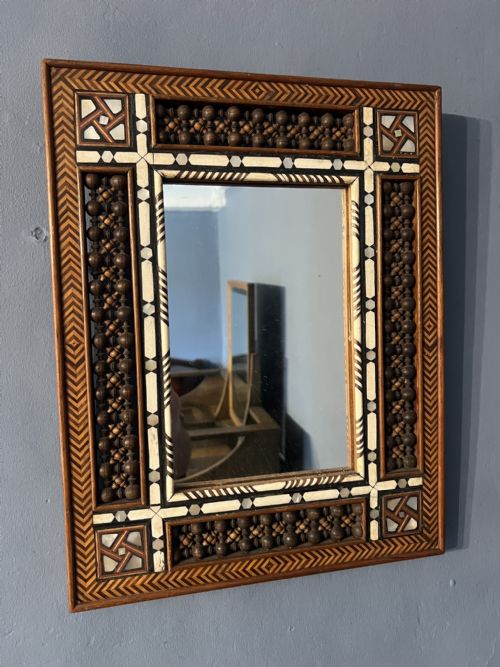
Cabinetmakers constructed these frames using dense timbers like mahogany, walnut and oak, often shaping the wood with carved details. Giltwood, beech and inlaid bone or mother of pearl also appear across the selection.
Glass plates rest within rebated wooden surrounds, secured by backboards and supported by pivoting brass or wooden brackets that allow the mirror angle to alter.
Some shaving stands hid subtle compartments for soap and razors, ensuring morning routines stayed entirely self-contained.
What varies in quality
The distinction lies in the crispness of the carving and the selection of figured wood veneers, such as burr walnut or Cuban mahogany. Superior execution shows in the joinery of the frame corners and the weight of the supporting standards.
Hardware such as original brass adjustment screws and backboards indicate a higher grade of manufacture, while proportion and balance dictate how well the glass sits on its stand.
P and MA Nicholson·Heals
The Carved Wooden Vanity Mirror Glossary
- Swings mirror
- A glass plate hung between two upright pillars on pivots so it tilts back and forth. This allows the user to adjust the angle of reflection easily.
- Toilet mirror
- A smaller glass designed to stand on a dressing table or chest of drawers. These often incorporate small drawers in the base for trinkets.
- Cheval mirror
- A full length floor standing glass in a heavy frame. The name derives from the French word for horse, referring to the four supporting legs.
- Giltwood
- Timber that has been coated with a thin layer of gold leaf or gesso paint. It catches candlelight and daylight alike in period interiors.
Carved Wooden Vanity Mirror: Frequently Asked Questions
How do I clean the mirror glass?
Use a soft cloth dampened slightly with water or a mild glass cleaner, applying it to the cloth rather than spraying directly onto the frame. This prevents moisture from seeping behind the silvered backing or damaging the timber.
Keep wooden surrounds nourished with appropriate wax rather than silicone polishes, ensuring the finish remains protected over decades of daily use.
Were these mirrors part of larger furniture?
Many dressing mirrors originally sat atop matching chest of drawers or dedicated dressing tables as part of a suite. Over time, pieces often became separated through house moves or interior redecoration.
Freestanding table mirrors were also manufactured as independent items designed to sit on any suitable surface within a bedroom or dressing room.
How do I secure a loose swing mirror?
Check the pivot screws or wooden nuts situated on the upright pillars where the frame attaches. Tightening these threaded fittings usually restores tension so the glass stays at the chosen angle.
Avoid forcing rusted metal components; instead, apply a tiny drop of lubricant to ease the thread without staining the surrounding wood.
Can I hang a table mirror on the wall?
Most vanity mirrors are balanced for tabletop use and feature supporting feet or a base drawer structure rather than wall fixings. Converting them requires proper load bearing brackets attached securely to the rear frame.
Wall mounting a heavy wooden frame demands careful assessment of the timber integrity and the weight of the glass plate.