
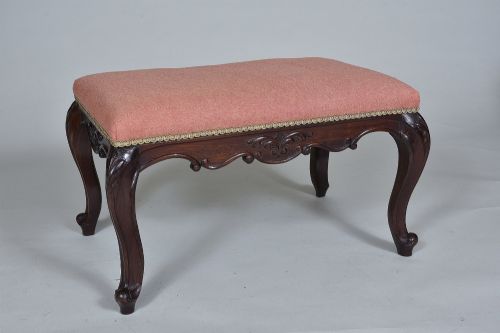


Carved Wooden Vanity Bench
A carved wooden vanity bench brings character and low-profile seating to a dressing room, offering the charm of period craftsmanship.
Carved Wooden Vanity Bench
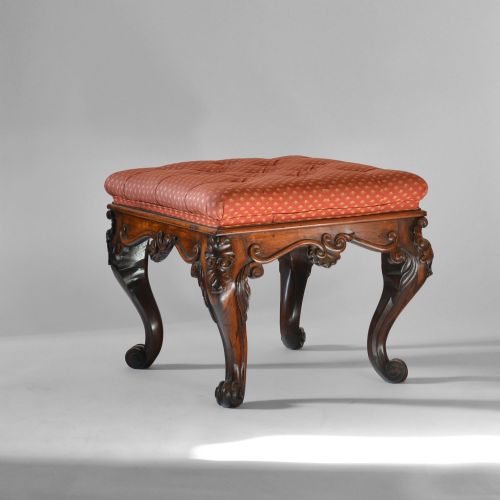
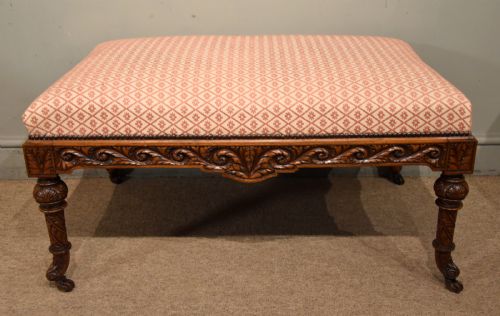
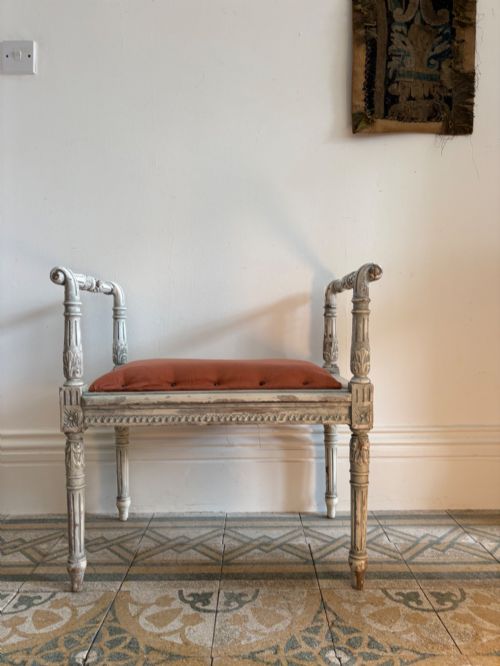
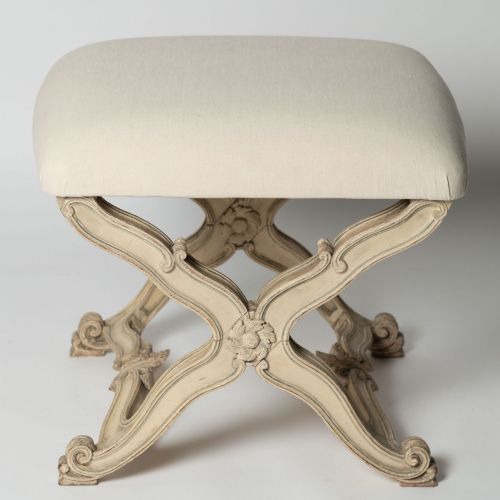
When searching for a carved wooden vanity bench, buyers encounter a variety of compact seating pieces primarily catalogued as stools, footstools, and dressing table stools. These items span periods from the nineteenth century to the early twentieth century, reflecting diverse regional tastes.
The selection ranges from British Victorian and Arts and Crafts examples to continental European styles such as French Provincial, Gustavian, and Baroque. Pieces also include Anglo-Indian and Chinese Qing Dynasty hardwood designs, providing rich global variety in low seating.
Most examples function as dressing room seats, window seats, or footstools. They frequently feature upholstered tops in fabric, silk, linen, or tapestry alongside woven rattan and traditional wooden seats.
How they were made
Cabinetmakers utilised dense timbers including walnut, mahogany, rosewood, teak, oak, and huali hardwood, often shaping frames through hand carving. Some pieces received painted or gilded finishes, including white painted and ebonised surfaces.
Upholstery techniques involved securing textiles, silk, linen, or woven rattan directly to wooden frames. Joinery and carved ornamentation defined the regional aesthetics of the nineteenth century and the early twentieth century.
Listings feature walnut, mahogany, rosewood, and painted wood alongside specialist materials like woven rattan and silk.
What varies in quality
The crispness and depth of the hand carving separate standard commercial seating from finer bespoke pieces. Pierced details, moulded edges, and sculptural cabriole legs reflect the skill invested in the timber frame.
The integrity of the original wood and the choice of covering materials indicate the tier of a piece. Finer examples retain their structural stability and period upholstery materials such as silk, tapestry, or woven rattan.
The Carved Wooden Vanity Bench Glossary
- Cabriole leg
- A furniture leg that curves outward and tapers downward, commonly terminating in a pad or scroll foot. This form appears frequently on eighteenth-century inspired seating.
- Ebonised
- Wood treated with a chemical stain or finish to imitate ebony. This dark, formal treatment appeared on nineteenth-century design-influenced pieces.
- Rattan
- A naturally pliable palm stem woven to form porous seat surfaces. It provides a lightweight texture distinct from solid wood or upholstered pads.
- Gustavian
- The Swedish neoclassical style characterised by restrained classical carving and pale painted finishes. These pieces offer lighter proportions than heavier Victorian designs.
Carved Wooden Vanity Bench: Frequently Asked Questions
What is a carved wooden vanity bench used for?
These low seats traditionally serve at a dressing table or vanity for grooming and mirror work. They also function as window seats or occasional footstools in bedrooms and sitting rooms.
Their compact size allows them to tuck neatly beneath tables or fill narrow alcoves without dominating the floor space of a room.
How do I care for antique upholstery?
Protect delicate textiles such as silk, linen, and tapestry from direct sunlight to prevent fading and fibre degradation. Regular gentle vacuuming with a soft brush attachment removes surface dust.
Avoid chemical cleaning sprays on historic fabric and wooden frames to preserve the original surface integrity and patina.
Are these benches comfortable to sit on?
Many feature padded or upholstered tops designed for short periods of seating at a dressing table. Some variants offer woven rattan or solid wooden seats intended primarily for decorative utility.
Their primary design focus centres on compact proportions and visual elegance rather than deep lounge comfort.
How can I tell a French style from a British one?
French and continental pieces frequently display lighter painted, gilded, or carved decorative motifs like those found in Gustavian and Baroque styles. British examples often showcase the natural grain of walnut, mahogany, or oak with restrained turnings and cabriole legs.
Regional carving patterns and timber choices provide clear clues to the geographic origin of each frame.