
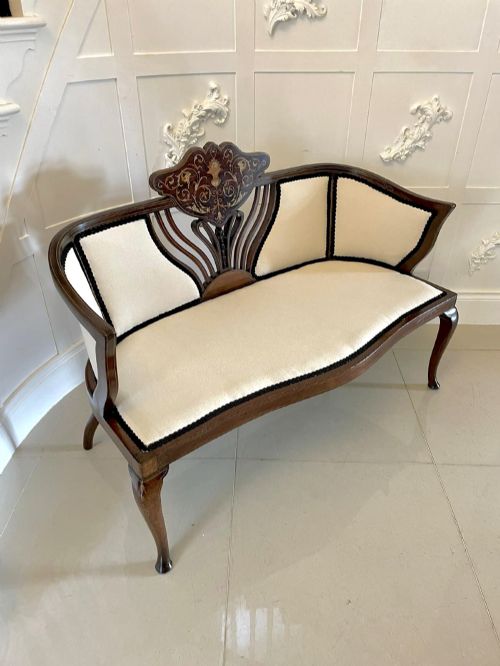
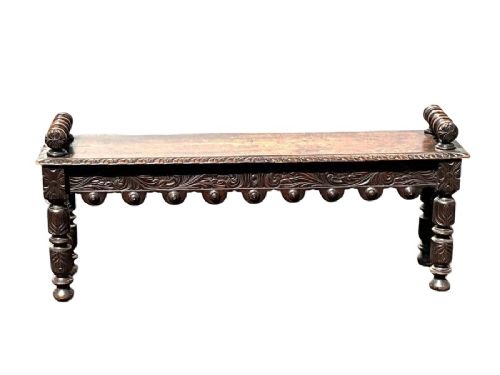


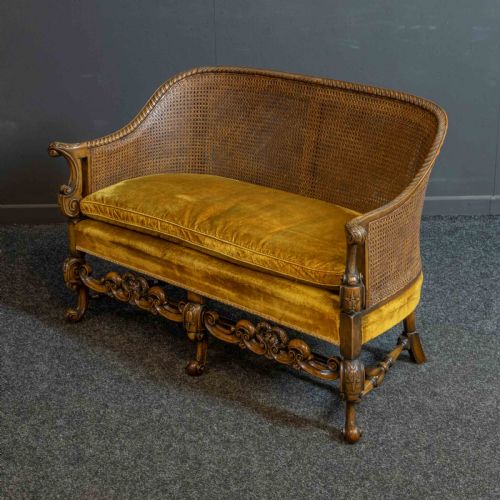

Carved Wooden Two Seater
These carved wooden two seater pieces are compact seats designed for two, blending timber frames with period styles to anchor a room.
Carved Wooden Two Seater
A carved wooden two seater offers a compact spot for sitting, taking the form of settees, small sofas, and window seats across this selection. These pieces date from the Victorian and Edwardian eras, stretching from eighteen sixty into the nineteen thirties.
Most examples found here hail from the Edwardian period or nineteen hundred, alongside Victorian items and French revival designs. Makers shaped these frames from mahogany, walnut, oak, and satinwood inlay to suit parlours, bedrooms, and reception rooms.
Forms range from chairback settees and conversation seats to window seats and French bergere sofas. Each piece provides room for two occupants within a structured timber framework.
Construction and materials
Workshops built these frames using solid hardwoods like mahogany, walnut, and oak, often incorporating satinwood inlay for decorative contrast. Artisans carved the timber directly to shape cabriole legs, fluted supports, and structural rails.
Upholstery completed the builds, utilising fabric, velvet, and various textiles for seats and backrests. Frames relied on traditional joinery to support the weight of two sitters over decades of use.
Listings feature mahogany, walnut, and oak across Victorian, Edwardian, and twentieth century periods.
Distinctions in quality
The crispness of the timber carving separates standard production from finer examples, as deeper hand-chiselled details require greater skill. Superior pieces exhibit well-balanced proportions and precise satinwood inlay rather than plain surfaces.
Timber selection dictates the baseline strength and grain figure, with dense mahogany and figured walnut sitting above basic woods. The integrity of the original frame structure governs how well a seat survives centuries of daily occupation.
The Carved Wooden Two Seater Glossary
- Settee
- A long upholstered seat for more than one person, sharing characteristics with a small sofa. These items function as primary seating in smaller rooms.
- Inlay
- A technique where pieces of contrasting timber, such as satinwood, are inserted into the primary wood surface to create decorative patterns. This work enhances the visual depth of Edwardian and Victorian frames.
- Cabriole leg
- A furniture leg that curves out and then narrows down in a graceful arc, terminating in a pad or foot. This form appears frequently on revival pieces inspired by French and English history.
Carved Wooden Two Seater: Frequently Asked Questions
Where should I place a two seater in my home?
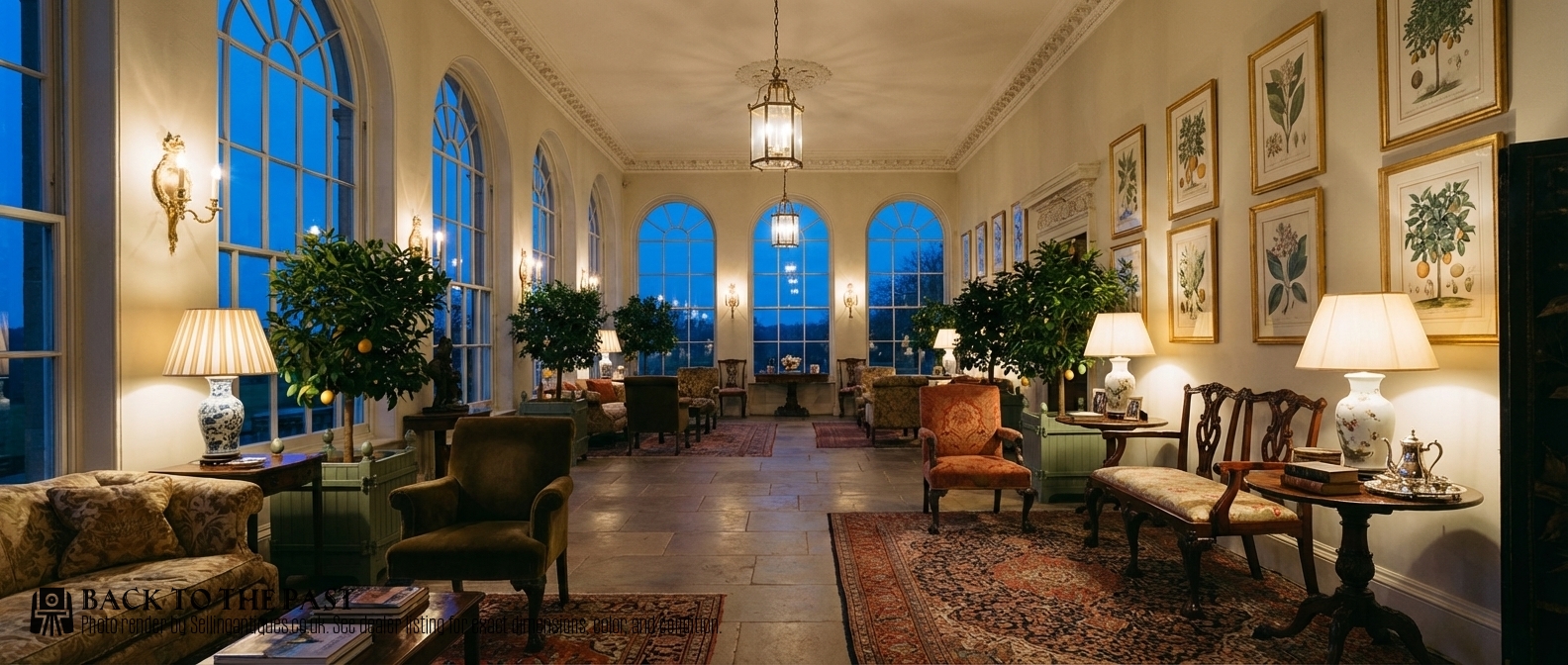
These compact seats fit well in bay windows, at the foot of a bed, or within a smaller sitting room where a full-size sofa proves too large. Their shallow depth allows them to sit comfortably in hallways and reception spaces without blocking pathways.
Positioning a carved wooden two seater against a panelled wall or near a fireplace highlights the timber frame and decorative inlay. They offer practical seating while maintaining an open floor plan.
How do I identify a Victorian piece from an Edwardian one?
Victorian examples from eighteen sixty to eighteen eighty often display heavier proportions, darker mahogany or oak timbers, and deep carving. Edwardian pieces around nineteen hundred lean towards lighter satinwood inlay, delicate frames, and brighter polished surfaces.
Looking at the joinery and secondary woods helps confirm the manufacturing era. Revival styles from different periods often blend historical motifs with the construction standards of their actual production date.
What fabrics work best for re-upholstering these seats?
Traditional textiles such as velvet, woven fabrics, and patterned upholstery match the historical character of these timber frames. Selecting a fabric weight appropriate for the scale of the settee ensures the piece remains balanced visually.
Matching the era of the textile to the period of the woodwork creates a cohesive appearance. Many pieces retain original styling cues that guide the choice of modern replacement fabric.
Are these settees comfortable for everyday sitting?
Most of these designs served as salon or window seating, meaning their proportions prioritize upright posture over deep lounging. Firm padding and supportive backrests make them suitable for reading or brief conversations.
Adding small cushions can adjust the seating depth to personal preference. The internal webbing and springs dictate the exact bounce and comfort level of each individual frame.