




Carved Wooden Tray Top Table
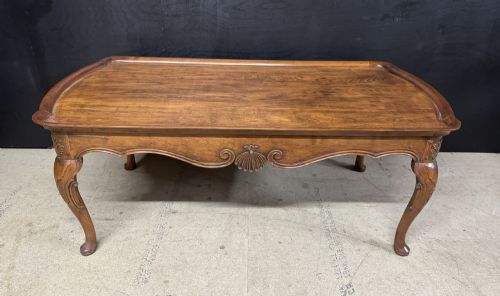
A carved wooden tray top table brings portable utility and intricate craftsmanship into a room.
Carved Wooden Tray Top Table
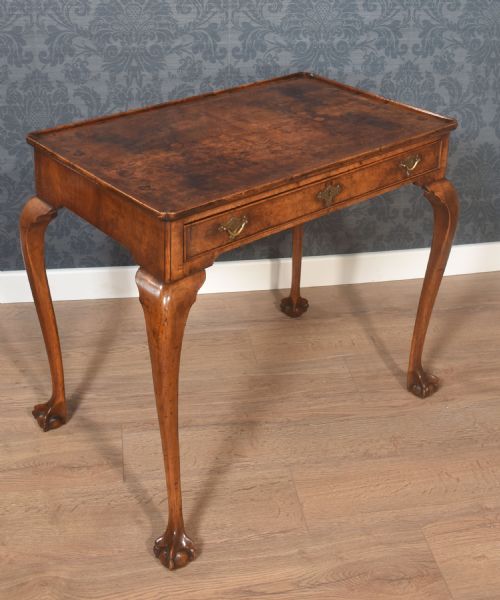
A carved wooden tray top table functions as a versatile piece of furniture designed for serving or display, taking the form of occasional tables, coffee tables, side tables, bedside tables, and tray tables. When searching for a carved wooden tray top table, buyers encounter examples originating from the 18th century, the Victorian era, the 19th century, and the early decades of the 20th century up to 1930.
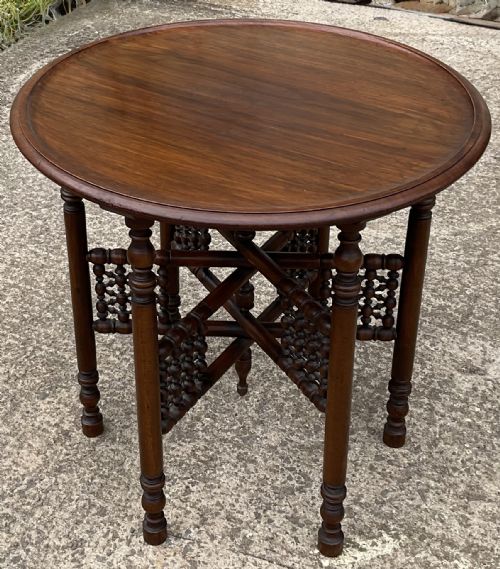
The construction typically pairs a removable or folding tray with a supporting stand, which manifests in varied geographical styles such as Anglo-Indian, Georgian, Edwardian, English Country, and Queen Anne. Many pieces feature folding or collapsible stands intended for convenient storage and movement between rooms.
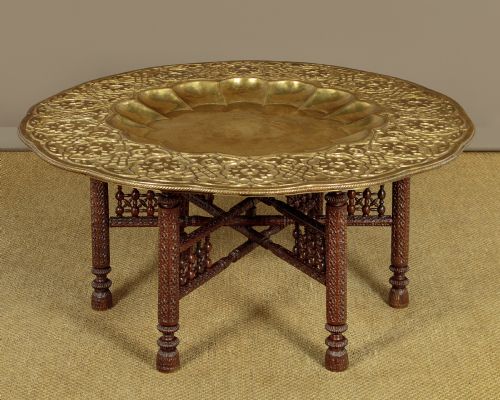
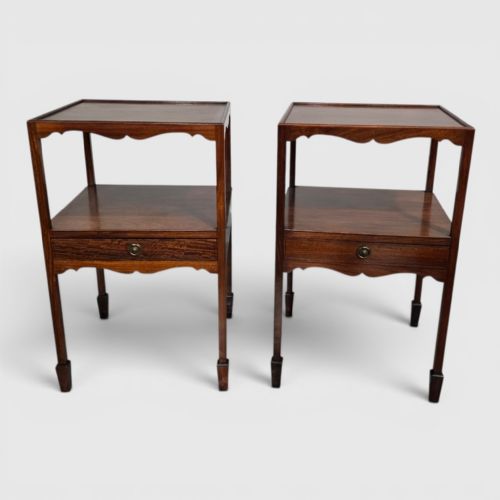
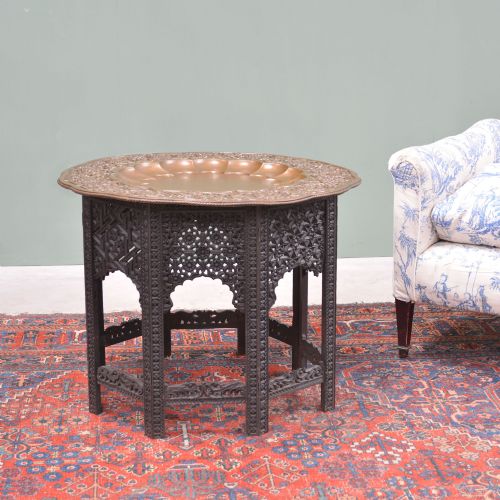
Makers utilised diverse regional aesthetics, producing items ranging from traditional English mahogany bedside night tables to octagonal Indian hardwood tables with metal insets. Buyers frequently meet pieces that integrate traditional European forms with detailed oriental or eastern carving traditions.
How they were made
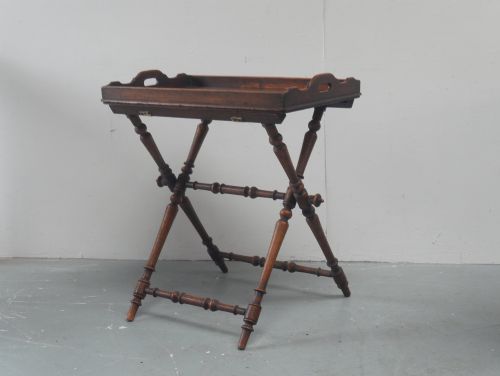
Carpenters constructed the foundational frames using dense timbers like mahogany, walnut, teak, oak, hardwood, and hongmu, often selecting figured veneers for enhanced visual depth. These wooden structures frequently incorporate hand-carved surface ornamentation and raised gallery edges designed to secure items placed upon the surface.
Many examples incorporate contrasting inset trays fashioned from brass or copper, secured directly into the wooden framework or resting upon folding stands. Artisans combined traditional joinery for the bases with intricate metalwork and surface carving to create stable yet portable furniture.
Object types span occasional tables, coffee tables, side tables, bedside tables, and folding tray tables.
What varies in quality
The standard of execution in the hand-carving defines the upper tier of these pieces, distinguishing sharp, deeply incised botanical and geometric motifs from shallow, mechanical work. Timber selection equally dictates quality, with beautifully figured burr walnut and dense mahogany elevating the presence of a table.
Structural integrity in the folding mechanisms and the snugness of fit between the removable tray and its stand separate superior examples from more rudimentary production. The harmonious integration of inset metal tops with the surrounding wooden frame also marks the distinction between standard items and finer commissions.
The Carved Wooden Tray Top Table Glossary
- Tray top table
- A table featuring a removable or integrated tray top with raised edges designed to prevent items from sliding off. This form allows the surface to function independently for serving.
- Anglo-Indian
- A descriptive term for furniture made in India during the British colonial period, typically combining British forms with traditional Indian carving and materials. These pieces often showcase dense floral patterns.
- Butlers tray
- A portable rectangular wooden tray traditionally used for carrying dining items, usually mounted upon a folding X-frame stand. They appear frequently in 19th-century English contexts.
- Hongmu
- A traditional Chinese term for dense hardwoods used in fine furniture construction, translating literally as red wood. It provides a durable and dark foundation for folding tables.
- Occasional table
- A small, light table designed for intermittent use in various domestic settings such as beside a chair or sofa. These versatile items form a large portion of available stock.
Carved Wooden Tray Top Table: Frequently Asked Questions
What is a tray top table used for?
These tables originally served practical functions for hospitality and dining, allowing staff or hosts to transport food and drink on the removable upper surface. In modern spaces, they function effectively as coffee tables, bedside stands, or lamp tables.
The raised edges make them secure surfaces for displaying decorative objects while maintaining their portable nature.
How do I care for a wooden tray top table?
Maintenance requires regular dusting with a dry, soft cloth to protect the polished wood surfaces and intricate carvings from accumulating grit. Avoid placing hot or wet items directly on the bare wood to prevent staining.
Applying a suitable wax periodically helps nourish hardwood timbers such as mahogany and walnut.
Are the trays removable on these tables?
Many examples feature independent trays that lift completely off the folding or rigid wooden stand beneath. Other variations integrate the tray surface permanently into the frame.
Collapsible models are specifically designed so the supporting base folds flat for effortless storage.
How do I distinguish between regional styles?
English styles often adhere to Georgian or Victorian furniture proportions using mahogany, walnut, or oak with restrained decorative carving. Anglo-Indian and Eastern variants rely heavily on dense all-over floral carving, octagonal geometries, and inset brass or copper tops.
Examining the underlying timber and the nature of the joinery clarifies the probable geographical origin.