


Carved Wooden Storage
Carved wooden storage pieces offer both practical utility and historical presence, ranging from early oak coffers to substantial Edwardian cupboards.
Carved Wooden Storage
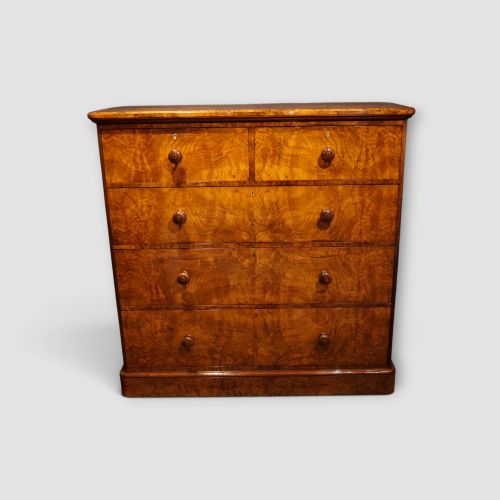
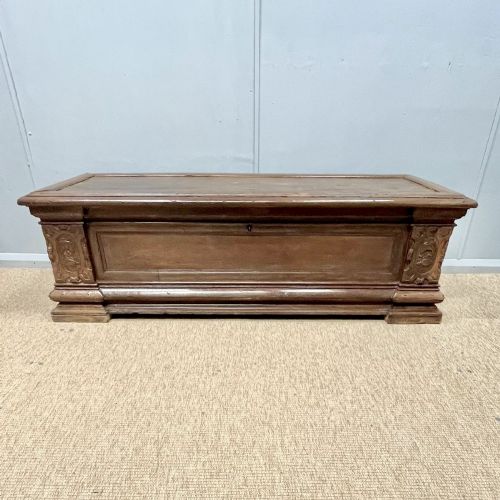
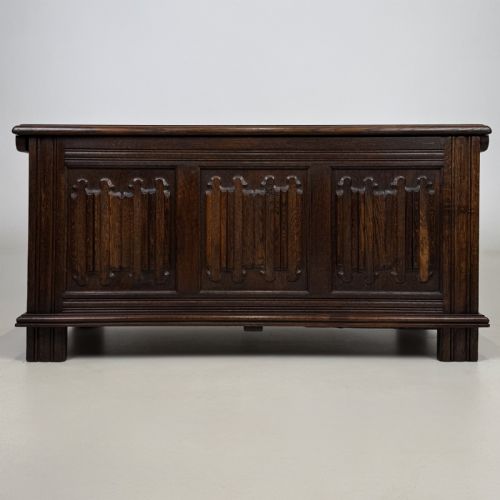
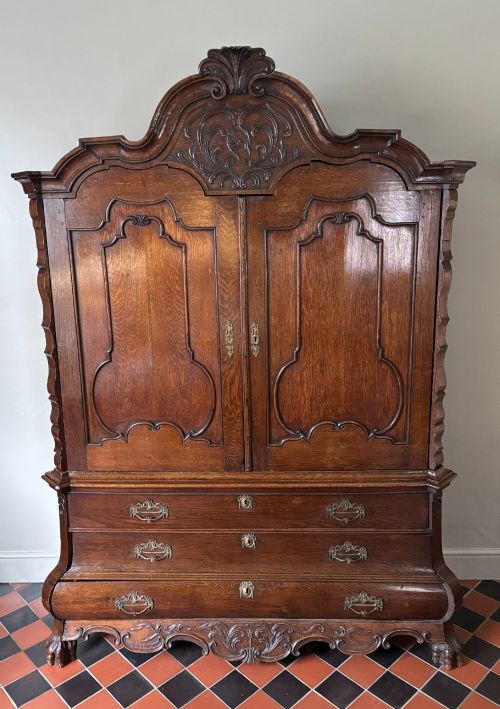
When you search for carved wooden storage, you encounter a diverse group of domestic furniture designed to hold belongings while displaying ornamental relief work. The selection spans several centuries, touching periods from the sixteenth century through the Edwardian era and into the early twentieth century.
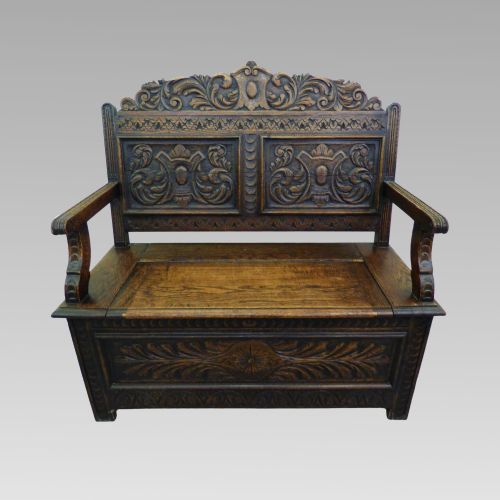
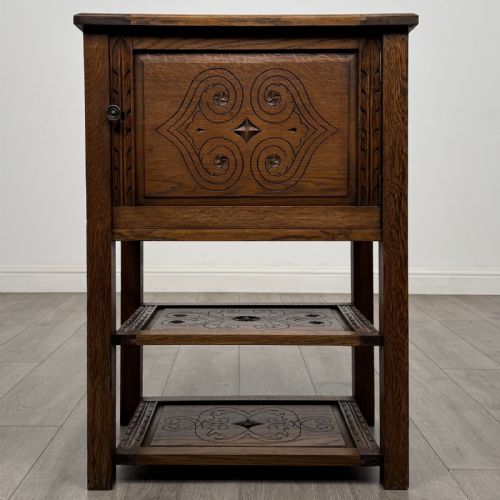
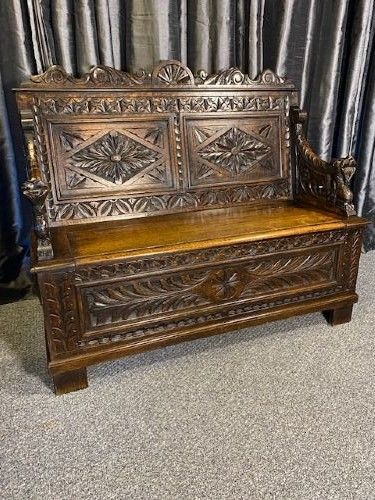
The forms vary widely depending on their original domestic function. You will find low bible boxes, joined oak coffers, tall wardrobes, hall benches with hinged seats, and corner cupboards designed to utilise domestic space.
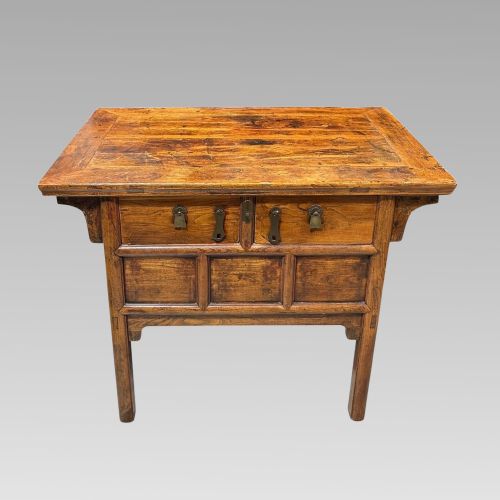
Origin and regional style also introduce distinct variations in these items. Pieces emerge from diverse traditions, including vernacular English oak work, continental European walnut pieces, colonial Indian hardwood items, and Tibetan painted chests.
Materials and construction methods
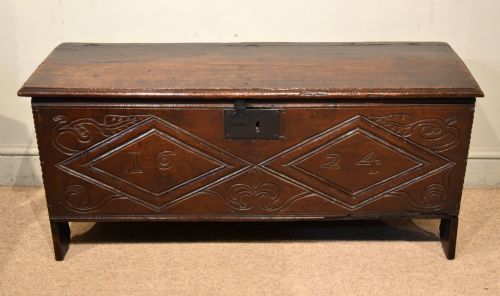
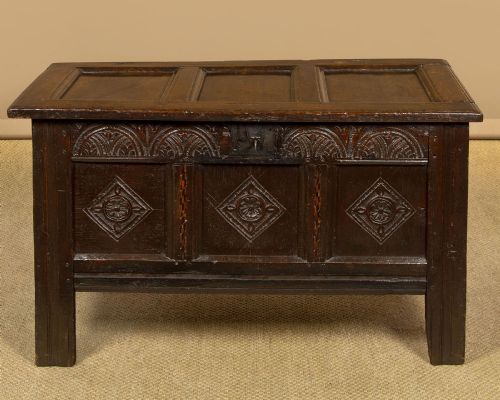
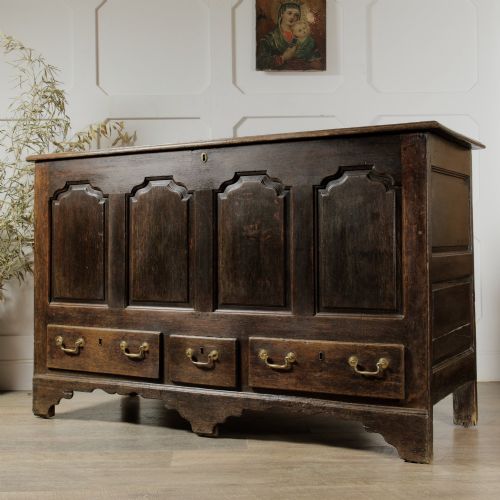
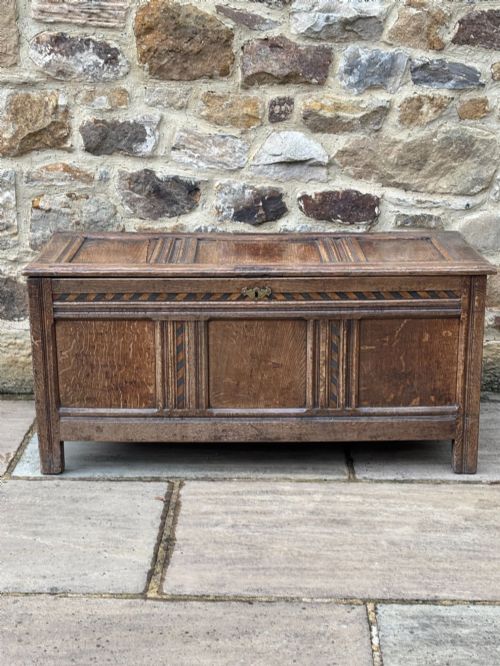
Oak dominates the earlier vernacular items, utilised extensively in seventeenth-century joined and panelled coffers, sword chests, and coffer bachs. Carpenters built these robust items using pegged tenons and panel construction to accommodate seasonal wood movement.
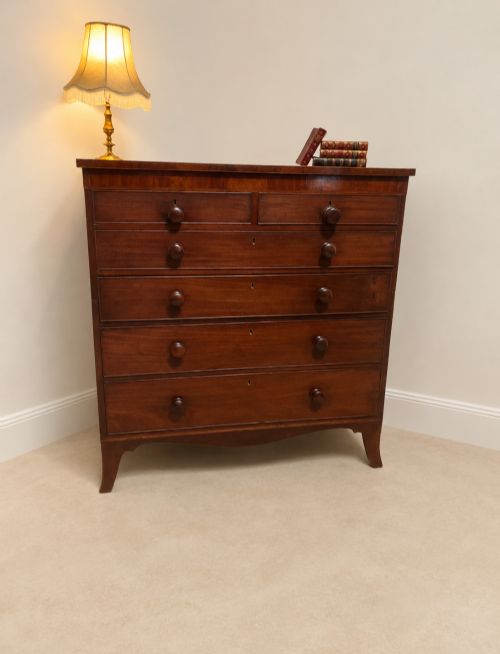
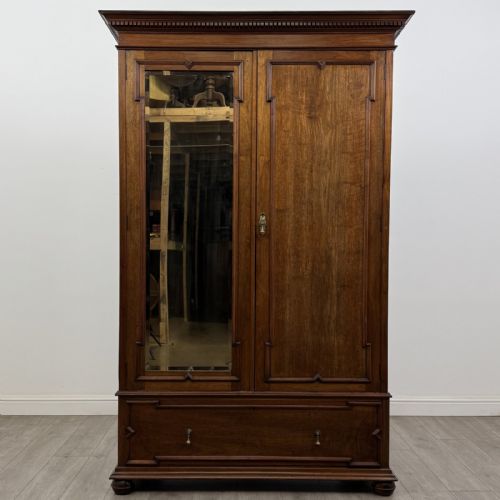
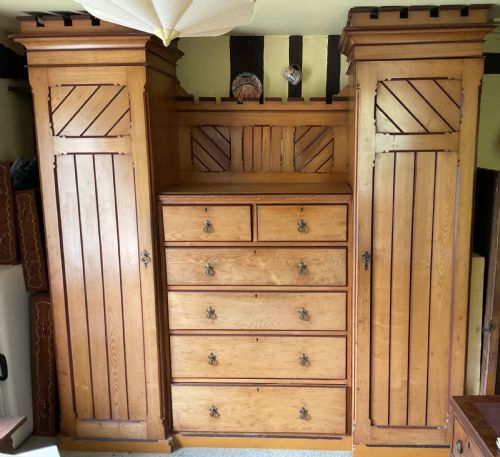
Mahogany, walnut, and satin birch appear frequently in later nineteenth-century pieces such as chests of drawers, sideboards, and wardrobes. Cabinetmakers shaped these finer timbers to take detailed carving, applied mouldings, and turned legs.
Metal hardware plays a functional role in many examples. Brass hinges, iron locks, and brass-mounted coal scuttles provide structural reinforcement and operable security for heavy lids and doors.
Carved Wooden Storage Retail Price Guide 2026
Typical asking prices for carved wooden storage among the pieces listed under this phrase on Sellingantiques today, from the lower quarter to the upper quarter. They describe what is for sale here now, not the wider market.
Object types range from joined coffers and bible boxes to hall benches, wardrobes, and purdoniums.
Distinctions in quality and execution
The crispness and depth of the carved ornament distinguish finer examples from plain utilitarian boxes. Skilled carvers cut deep, confident lunettes, geometric panels, or figural motifs that retain sharp edges and clear relief.
Integrity of timber and construction methods separate superior pieces. Original panel work, matching boards, and period-appropriate joinery without excessive later replacement timbers sustain the historical value of items like early oak coffers.
Proportion and scale influence desirability, particularly in smaller items such as apprentice chests, bible boxes, and sword chests where compact dimensions demand precise proportioning by the maker.
The Carved Wooden Storage Glossary
- Coffer
- A heavy wooden chest with a lid, traditionally used for storing valuables, linen, or documents. These form the backbone of early domestic furniture.
- Coffer Bach
- A small Welsh oak chest raised on feet or a short stand, traditionally made as a gift for a marriage or birth.
- Purdonium
- A specialised domestic cabinet designed to house a coal scuttle or bucket near a fireplace, often executed in carved oak during the Arts and Crafts period.
- Lunette
- A semicircular decorative motif often carved in repeating rows along the frieze of Jacobean and revival style chests.
- Apprentice Chest
- A small-scale chest of drawers made by a craftsman to demonstrate mastery or used by travelling salesmen as a sample.
Carved Wooden Storage: Frequently Asked Questions
What is the difference between a coffer and a chest?
A coffer is traditionally a boarded or panelled box with a flat lid, often joined with pegged framing, whilst a chest may refer to later drawer-based storage forms.
In early vernacular furniture, the terms often overlap, though coffer generally implies a sturdier, older receptacle for household valuables.
How do I care for antique carved wood?
Keep wooden storage pieces away from direct heat sources and drastic humidity changes to prevent the timber from splitting or warping.
Apply a traditional beeswax polish sparingly and buff with a soft cloth to maintain the natural lustre of the aged surface.
Where were these storage pieces used in the home?
Earlier coffers and blanket boxes typically stood in hallways, bedchambers, or living spaces to hold heavy textiles and household provisions.
Later Victorian and Edwardian examples found places in boot rooms, hallways, and formal dining areas as sideboards, hall benches, and wardrobes.
How can I tell the age of an oak coffer?
Examine the construction joints, tool marks, and timber shrinkage to determine whether pegs, hand-riven boards, and original hinges are present.
Early pieces from the seventeenth century typically feature joined panel construction with pegged framing and hand-planed surfaces rather than modern machine finishing.