
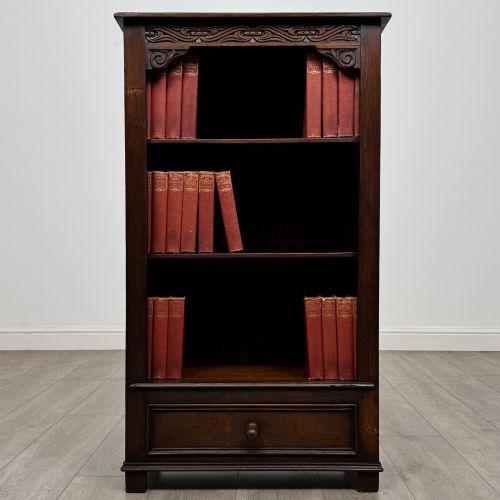
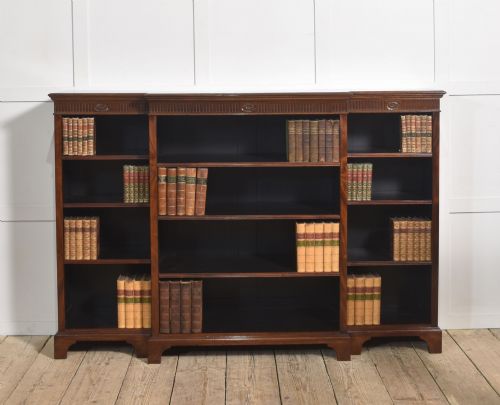
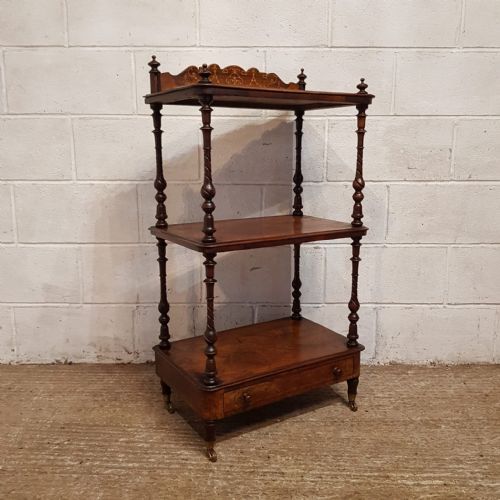
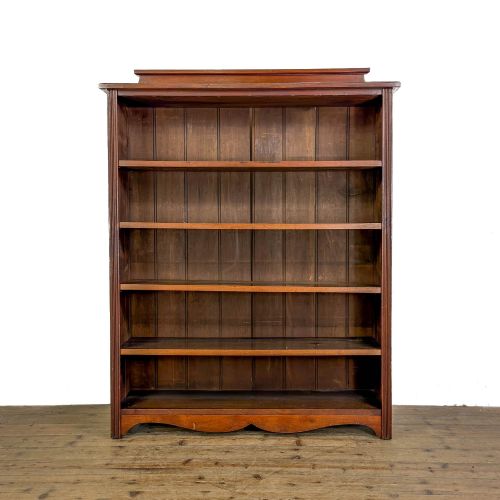
Carved Wooden Shelf Unit
A carved wooden shelf unit brings architectural timber into a room, offering open display for books and ceramics while anchoring domestic space.
Carved Wooden Shelf Unit
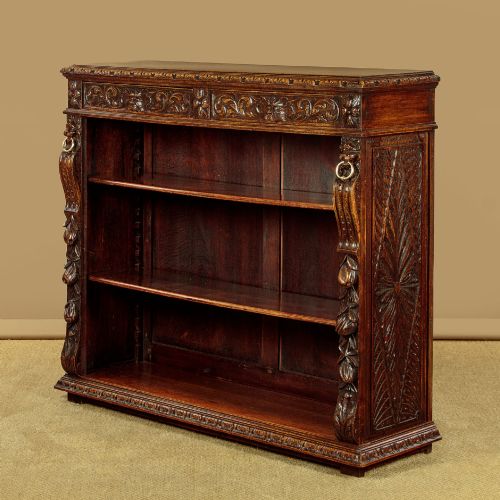
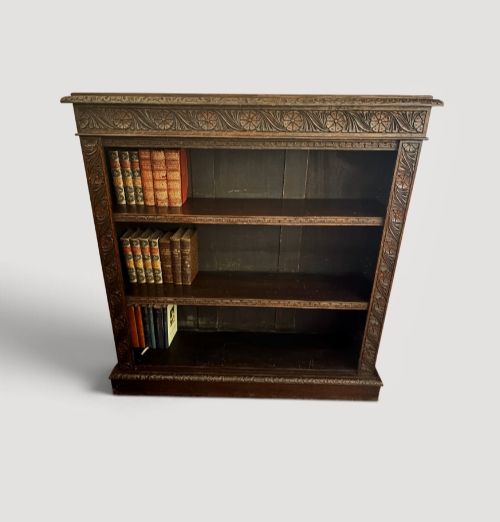
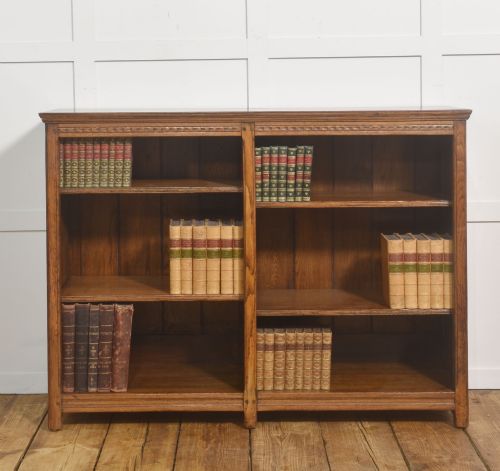
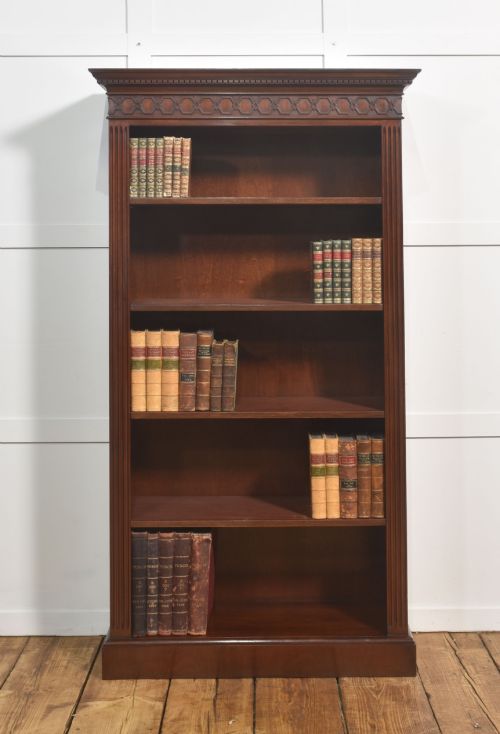
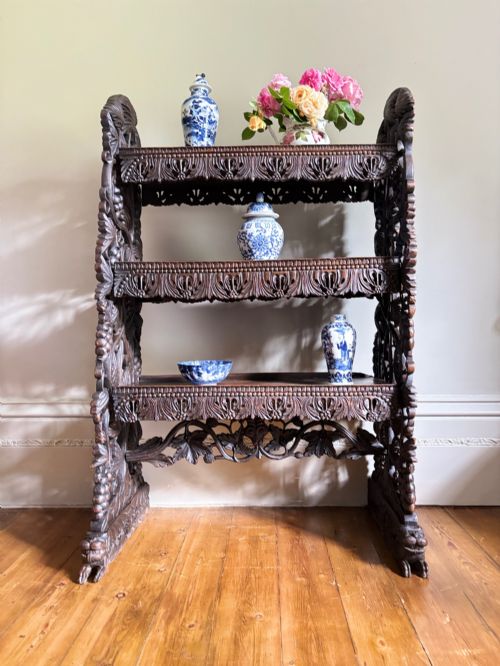
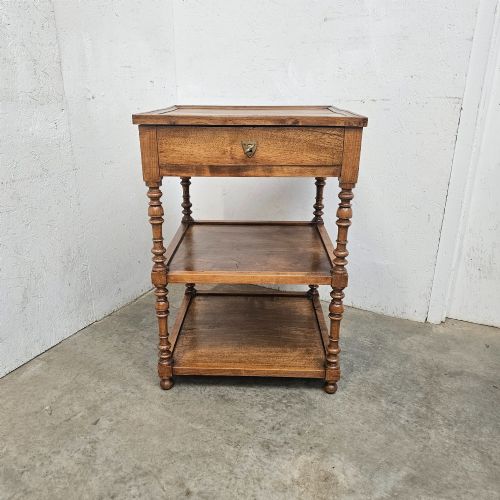
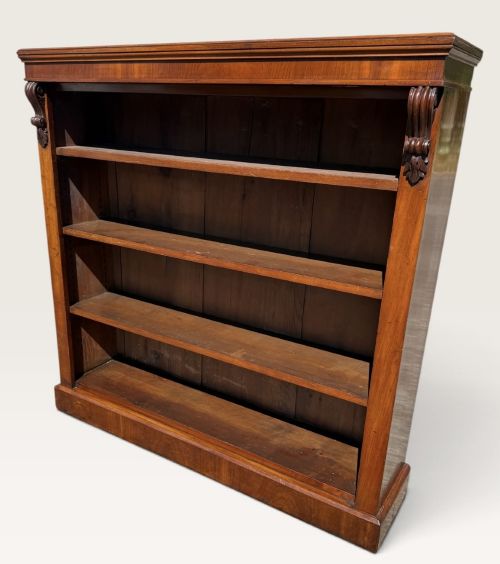
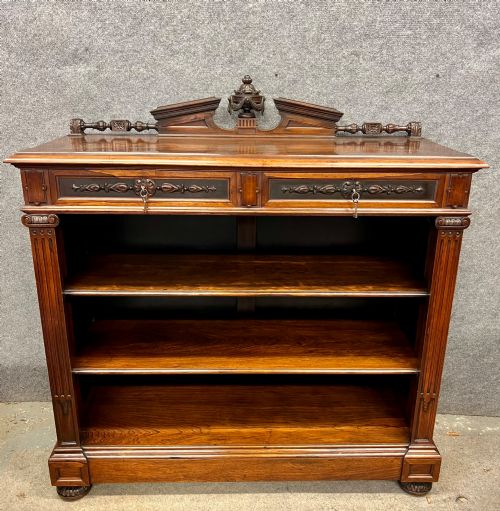
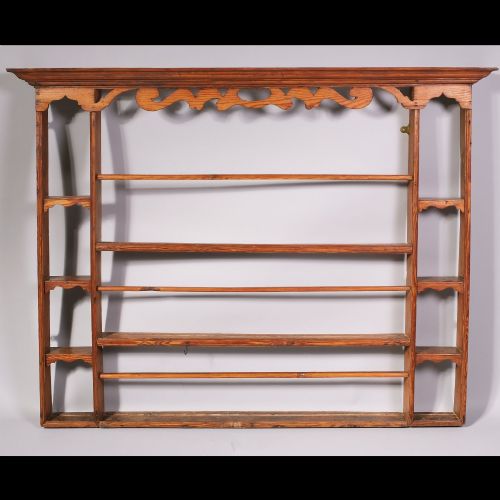
A carved wooden shelf unit encompasses open bookcases, wall shelves, etageres, and whatnots spanning the eighteenth, nineteenth, and early twentieth centuries. These pieces originate from diverse workshops and regional styles, ranging from British country houses to French provincial interiors.
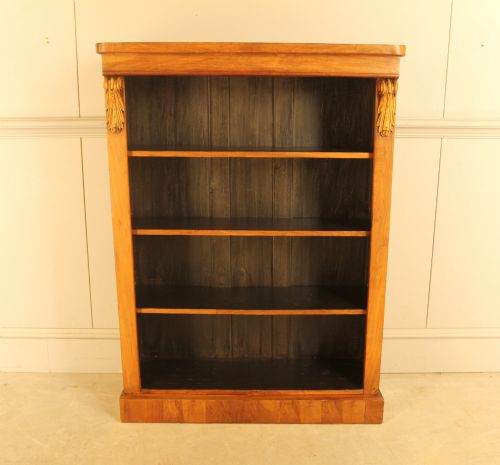
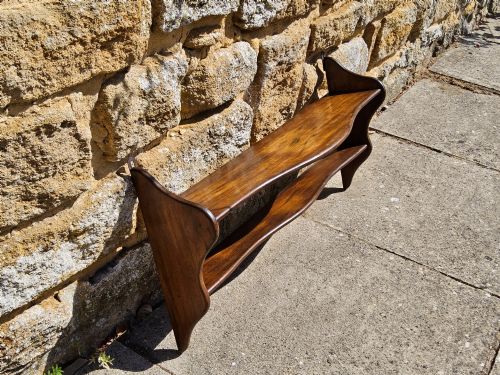
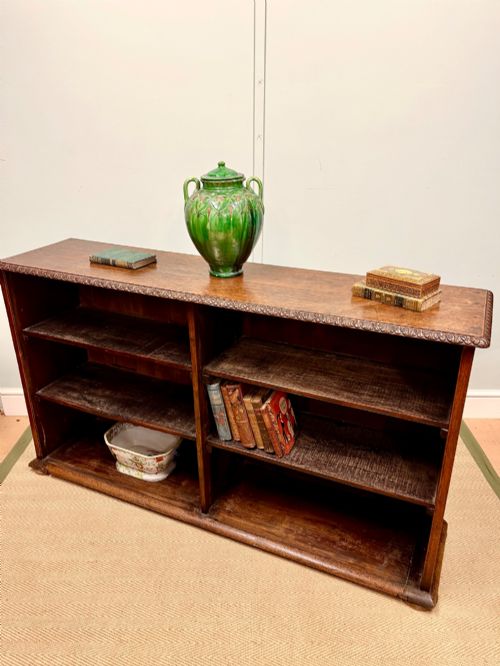
The version most commonly encountered on this page is the Victorian or Edwardian open bookcase and wall shelf. These items often feature adjustable shelving or tiered display platforms designed for practical household use.
Makers utilised various regional aesthetics, including Jacobean Revival, Arts and Crafts, and Anglo-Indian traditions. This variety ensures that forms range from heavy oak library bookcases to delicate walnut wall units.
Materials and Technique
Cabinetmakers constructed these pieces primarily from solid hardwoods such as oak, mahogany, and walnut, alongside softer pines and limes for specific regional pieces. Timber selection dictated the weight and durability of each shelf unit.
Construction techniques combined traditional joinery with decorative carving, turning, and occasional inlay work in olive wood or brass fittings. Surfaces received hand-applied finishes that highlighted the natural grain of the wood.
Some Victorian whatnots possess tiny secret drawers behind the mirrors, originally meant for hiding love letters or postage stamps.
Distinctions in Execution
Quality rests upon the depth and crispness of the hand carving and the selection of figured timber veneers like burr walnut. Superior examples demonstrate thoughtful proportion and harmonious integration of decorative elements.
The integrity of the internal construction, such as the mechanism of adjustable shelves and the stability of tiered etageres, separates standard utility items from exhibition pieces.
The Carved Wooden Shelf Unit Glossary
- Whatnot
- A multi-tiered piece of freestanding furniture designed to hold books, ornaments, or collections. Victorian iterations frequently incorporate mirrors and small drawers.
- Breakfront
- A piece of furniture where the central section projects forward from the flanking wings. This architectural arrangement adds visual depth to large library bookcases.
- Padauk
- A heavy tropical hardwood known for its deep reddish-brown colour and durability. It frequently appears in Anglo-Indian furniture imported during the nineteenth century.
- Burr Walnut
- Timber taken from a tree growth or burl, yielding intricate, swirling grain patterns. Cabinetmakers utilised these veneers on high-status Victorian display furniture.
Carved Wooden Shelf Unit: Frequently Asked Questions
What is an etagere?
An etagere is a multi-tiered freestanding piece of furniture designed specifically for displaying ornaments, ceramics, and small books.
Originating in France, these units use open shelves supported by turned or carved uprights to create an airy display surface.
How do I style a wall shelf?
Wall shelves provide vertical storage that frees up floor space while creating a focal point on a plain wall.
Balance heavier books on lower tiers with lighter ceramics, plants, or decorative objects placed on upper ledges to maintain visual equilibrium.
What is a whatnot?
A whatnot is a multi-shelf unit designed for general display in nineteenth-century parlours and drawing rooms.
Many examples include small drawers at the base or an integrated mirror to reflect light and enhance the display of collected curiosities.
How do I date a wooden shelf unit?
Dating relies on observing wood species, construction methods, and stylistic cues such as hardware and carved ornamentation.
Victorian and Edwardian pieces often exhibit machine-assisted joinery or adjustable shelf brackets, whereas eighteenth-century examples rely entirely on hand-cut joinery.