

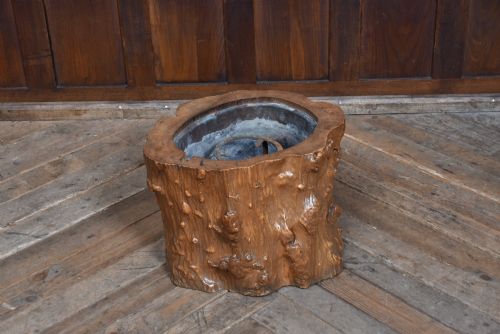
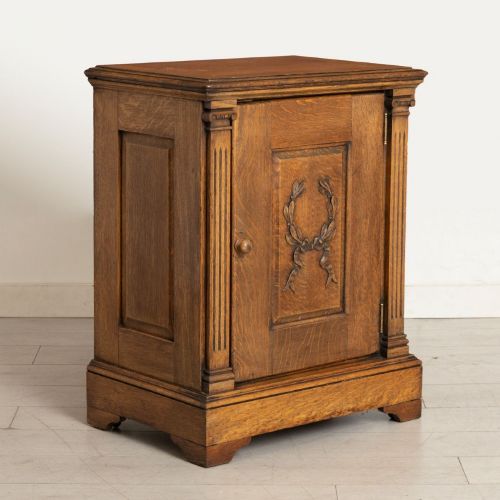
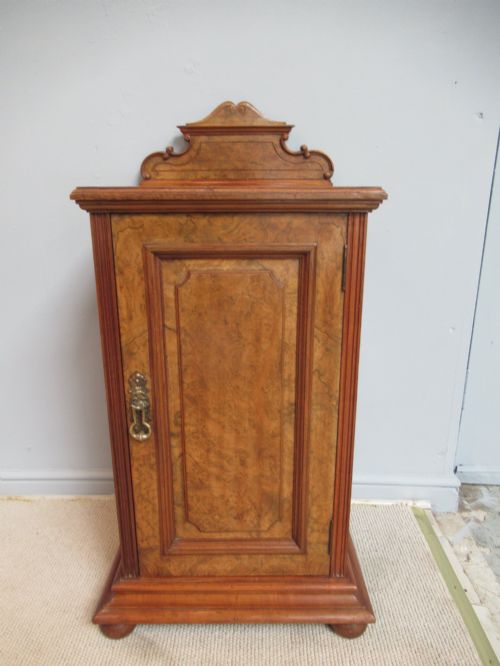
Carved Wooden Pot
These carved wooden pot examples encompass vessels, receptacles, and stands shaped by hand from oak, walnut, ash, and pine across the nineteenth and twentieth centuries.
Carved Wooden Pot
A carved wooden pot covers domestic containers, tobacco jars, brush pots, and small stands recorded across Victorian, Edwardian, and nineteenth-century periods.
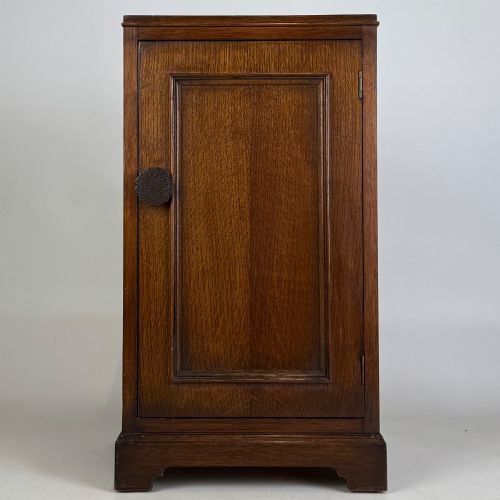
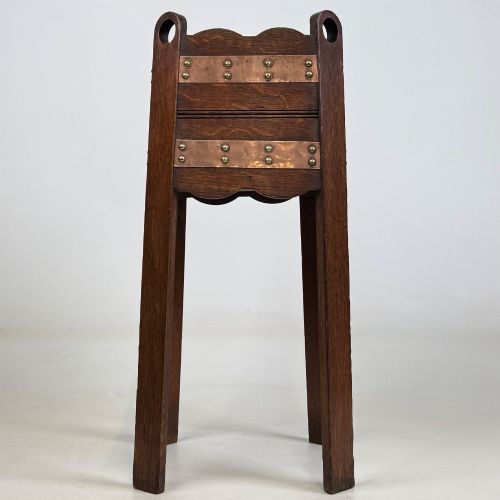
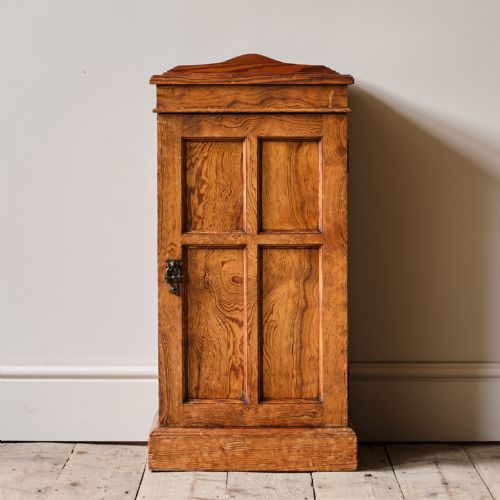
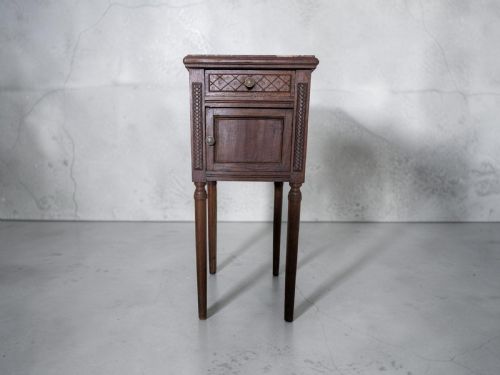
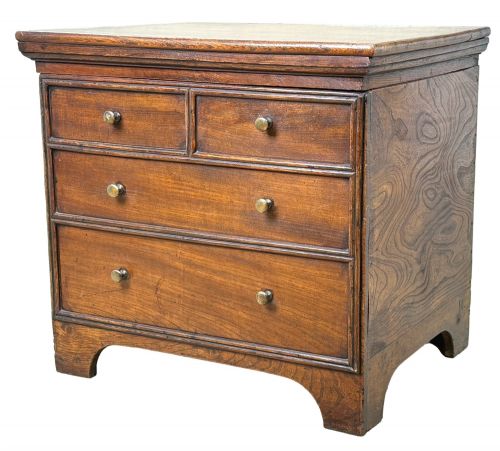
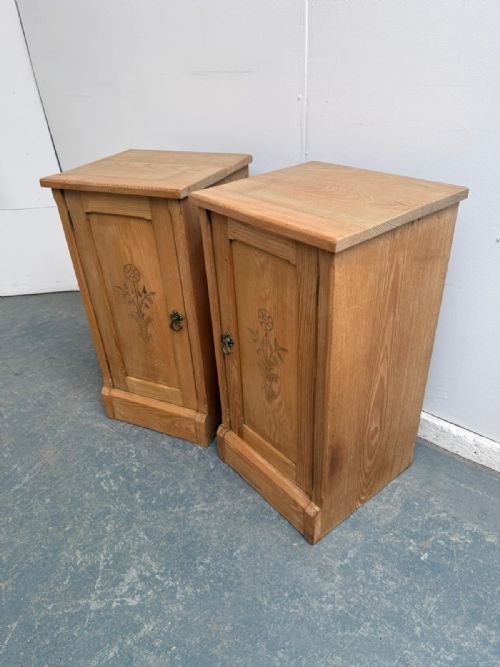
Buyers frequently meet bedside cabinets, plant stands, and tobacco containers fashioned from oak, mahogany, walnut, and pine.
Origins stretch from English workshops to French provincial makers, Japanese Meiji studios, and Black Forest carvers.
How they were made
Carpenters and carvers shaped timber using hand chisels and gouges on native hardwoods like oak, walnut, ash, and elm.
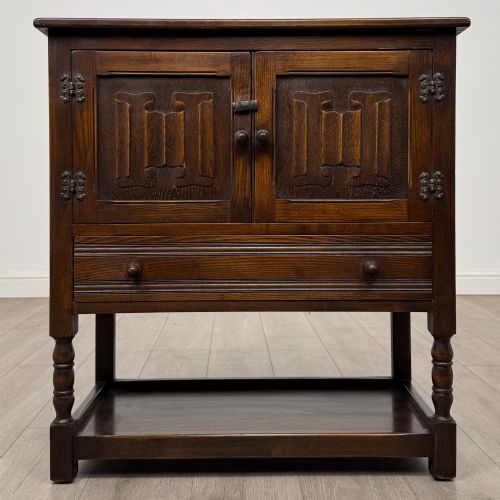
Surface finish relies on wax, polish, or paint applied over carved linenfold panels, figural motifs, and geometric details.
Listings span the seventeenth through twentieth centuries, utilising oak, walnut, mahogany, pine, ash, elm, and marble.
What varies in quality
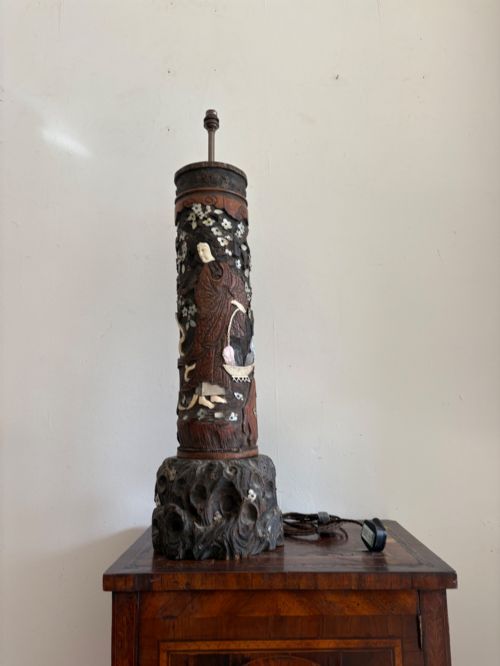
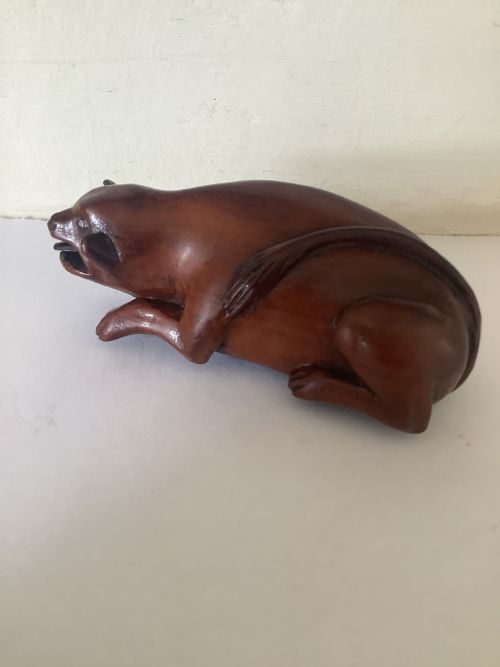
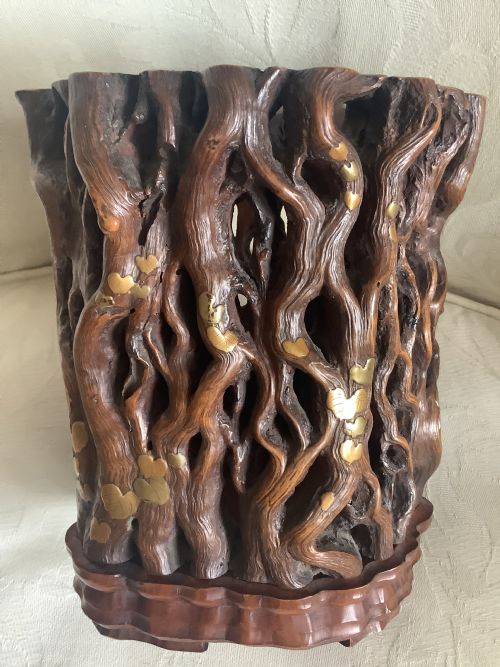
Depth and precision of the chisel work separate ordinary turned vessels from finely sculpted Black Forest animals and Japanese brush pots.
Selection of timber figure, such as burr walnut, figured mahogany, and quarter-sawn oak, dictates the standing of the piece.
Liberty of London·Heals·Gillows
The Carved Wooden Pot Glossary
- Treen
- Small handmade wooden domestic objects and treen items include boxes, bowls, and tobacco jars. These pieces display everyday craftsmanship from past centuries.
- Hibachi
- A traditional Japanese heating device fashioned from wood and metal. These portable braziers often feature carved wooden bodies.
- Linendfold
- A carved wooden panel moulding imitating folded linen cloth. This technique appears frequently on nineteenth-century cupboards and cabinets.
- Jardiniere
- An ornamental pot or stand designed to hold plants and flowers. Examples are found in carved wood, marble, and brass.
Carved Wooden Pot: Frequently Asked Questions
What is a carved wooden pot used for?
These vessels held tobacco, brushes, and small personal items in domestic rooms.
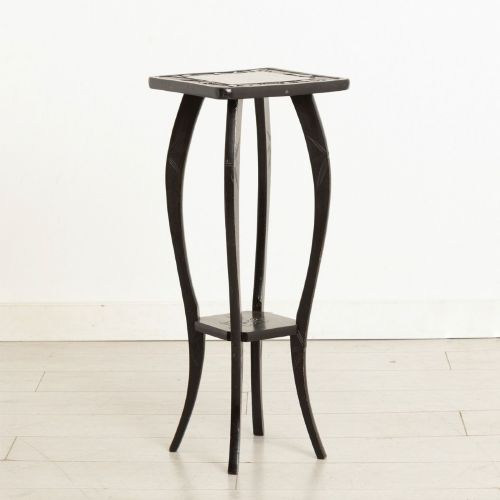
Larger versions serve as plant stands, jardinieres, and bedside storage.
How do I identify a Victorian piece?
Victorian items often employ dense timbers such as mahogany, walnut, and oak.
Stylistic cues include Gothic Revival details, heavy carving, and specific period hardware.
Are Black Forest pots common?
Black Forest carvers produced figural tobacco holders depicting animals like bears and dogs.
These pieces originate from nineteenth-century European mountain workshops.
What timber was used most often?
Oak and walnut appear frequently across English and French bedside cabinets and stands.
Pine, ash, and exotic hardwoods also feature in specific regional items.