






Country Wooden Vessel
These country wooden vessel examples are utilitarian containers shaped from timber to hold grain, dairy, water or household stores.
Country Wooden Vessel
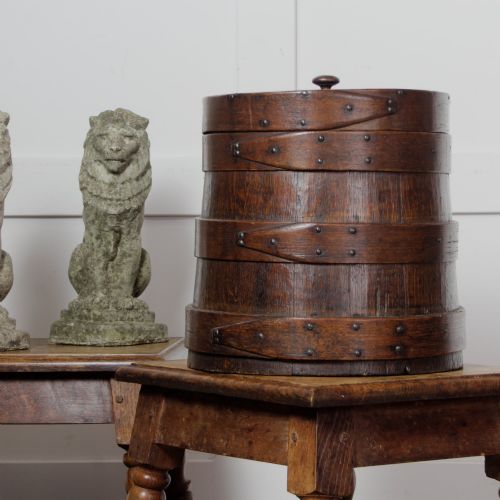
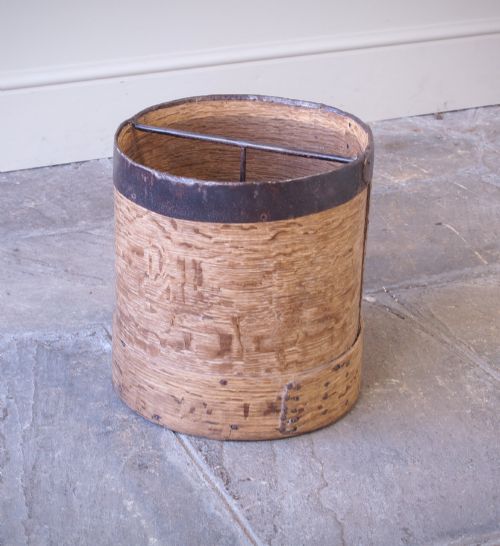
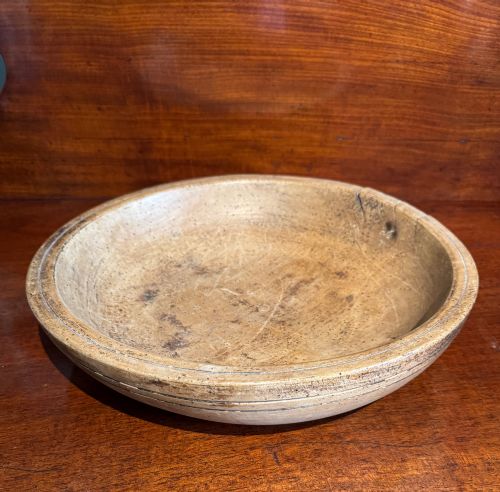
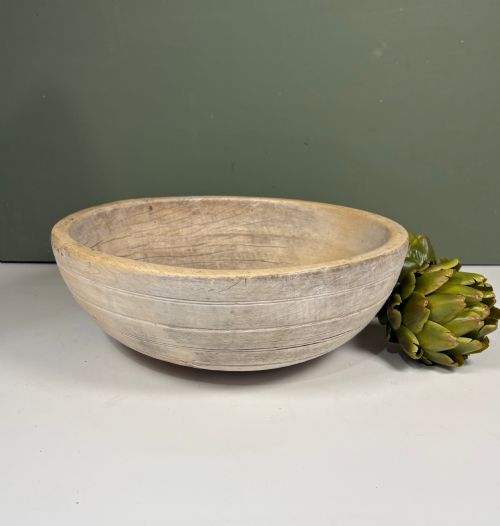
A country wooden vessel encompasses utilitarian containers shaped from timber for agrarian and domestic tasks across several centuries. When exploring a country wooden vessel selection, the most frequent forms encountered are dairy bowls, storage bins, well buckets, and coopered barrels.
The objects stem from various regional traditions including English, French, Swedish, and Dutch workshops. Their designs directly reflect the rural demands of dairying, grain storage, and water carriage.
Pieces range from simple dug out tree trunks to complex coopered containers reinforced with iron, brass, or wrought metal bands. This variety reveals the diverse woodworking methods employed in rural communities.
Distinguishing quality across pieces
Quality rests in the integrity of the original construction and the survival of surface treatments, such as early paint layers or patinated bare timber. Worn metal bindings and honest signs of historic agrarian use add character without compromising structural strength.
The balance of proportions and the skill required to cooper or hollow a large trunk dictate desirability. Pieces showing careful tool marks and thoughtful timber selection stand apart from purely utilitarian items.
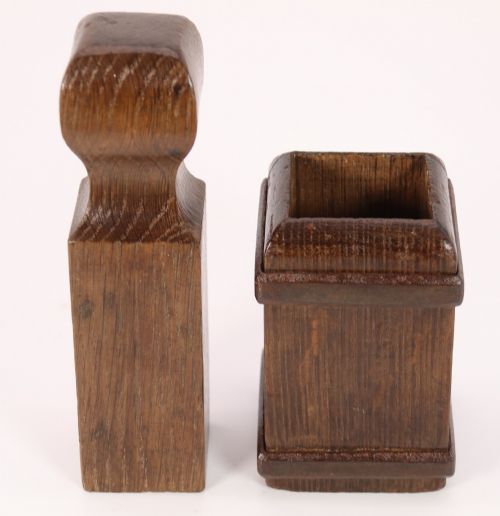
A tiny container sits quietly among the barrels, suspected of collecting the remnants of old wine dregs.
The Country Wooden Vessel Glossary
- Coopered
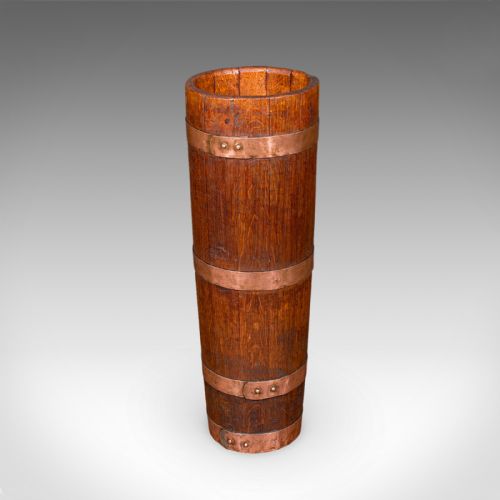
- Assembled from curved wooden staves held tightly together by metal or wooden hoops. This method allowed makers to construct water-tight vessels like buckets and barrels.
- Dug out
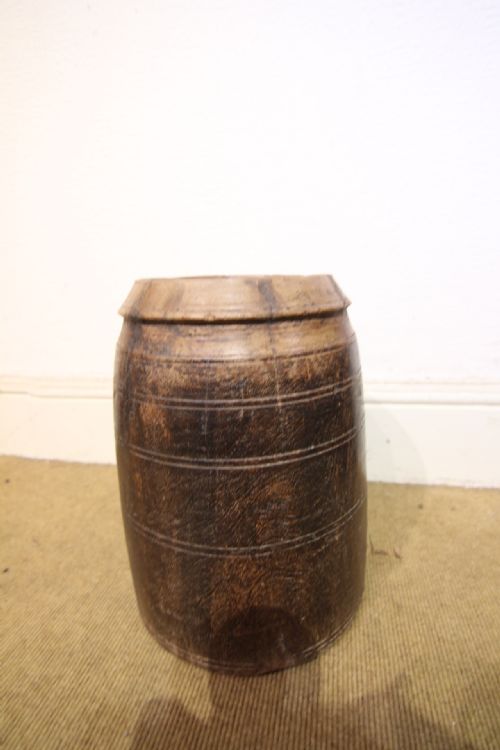
- Formed by hollowing out a solid section of a tree trunk rather than assembling separate pieces. This ancient technique produced heavy, robust troughs and bowls.
- Dairy bowl
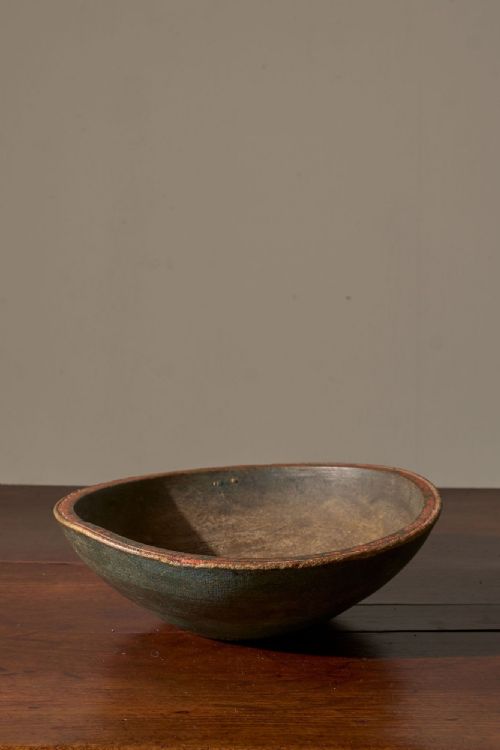
- A shallow vessel traditionally utilised for setting milk and allowing cream to rise to the surface. Sycamore was the preferred wood for these domestic utensils.
- Grain measure
- A standardised container employed for quantifying dry goods such as corn or flour in markets and farmhouses. These often bear official capacity markings or regional sizing.
Country Wooden Vessel: Frequently Asked Questions
How were these wooden vessels used originally?
Rural households and farms utilised these containers for daily tasks such as storing grain, holding water, churning butter, and setting milk in dairies. Their robust construction handled heavy loads of liquid, earth, or produce.
Larger tubs and buckets served fireside storage or garden duties, while specialised items held wine dregs or apothecary ingredients.
Can I use an antique well bucket outside?
Placing a well bucket outdoors exposes dry historical timber to moisture fluctuations that cause cracking and rot. If utilised in a garden or patio, keeping them sheltered prolongs the life of the wood.
Using a modern inner liner protects the historic timber from direct soil contact and dampness.
How do I clean and care for old wood?
Dusting with a dry, soft cloth preserves the dry surface and accumulated patina of centuries of handling. Avoid applying modern polishes or aggressive liquid cleaners that strip historical finishes.
Keeping the vessel away from direct heat sources and radical humidity shifts prevents the timber from splitting.
How can I tell the age of a wooden container?
Tool marks left by adzes, drawknives, or early lathes provide clues to the manufacturing era and technology used. Hand-forged iron bands and specific wood choices also help narrow down the period.
Wear patterns around handles and bases indicate the intensity of historic use over generations.