
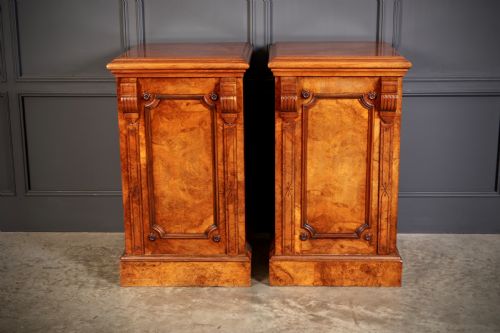
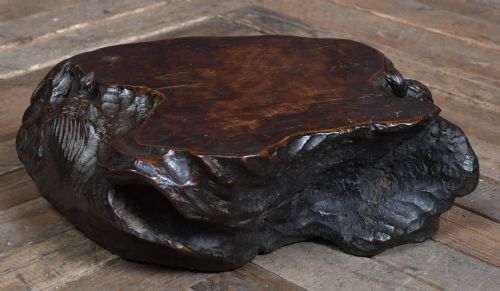
Carved Wooden Plinth
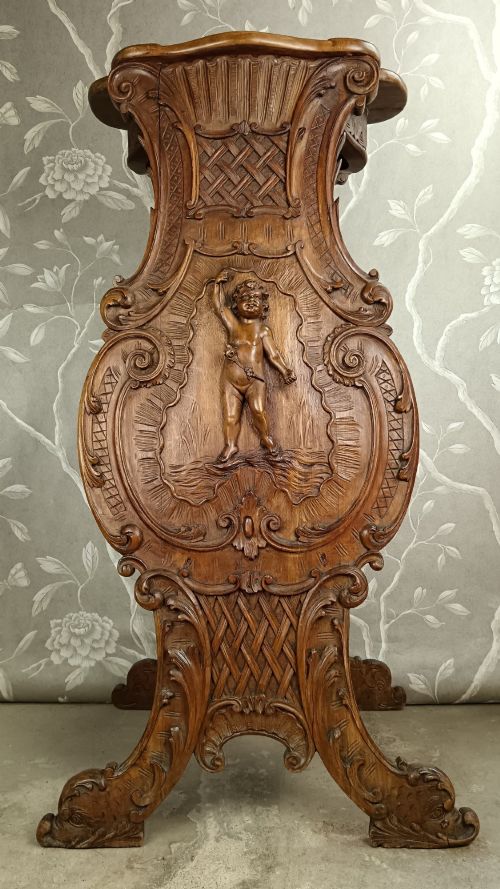
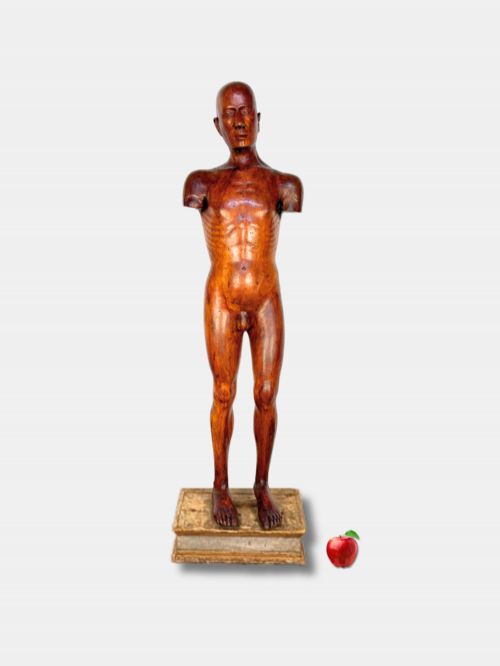
A carved wooden plinth elevates a sculpture, urn or decorative object, bringing presence and architectural strength to a room.
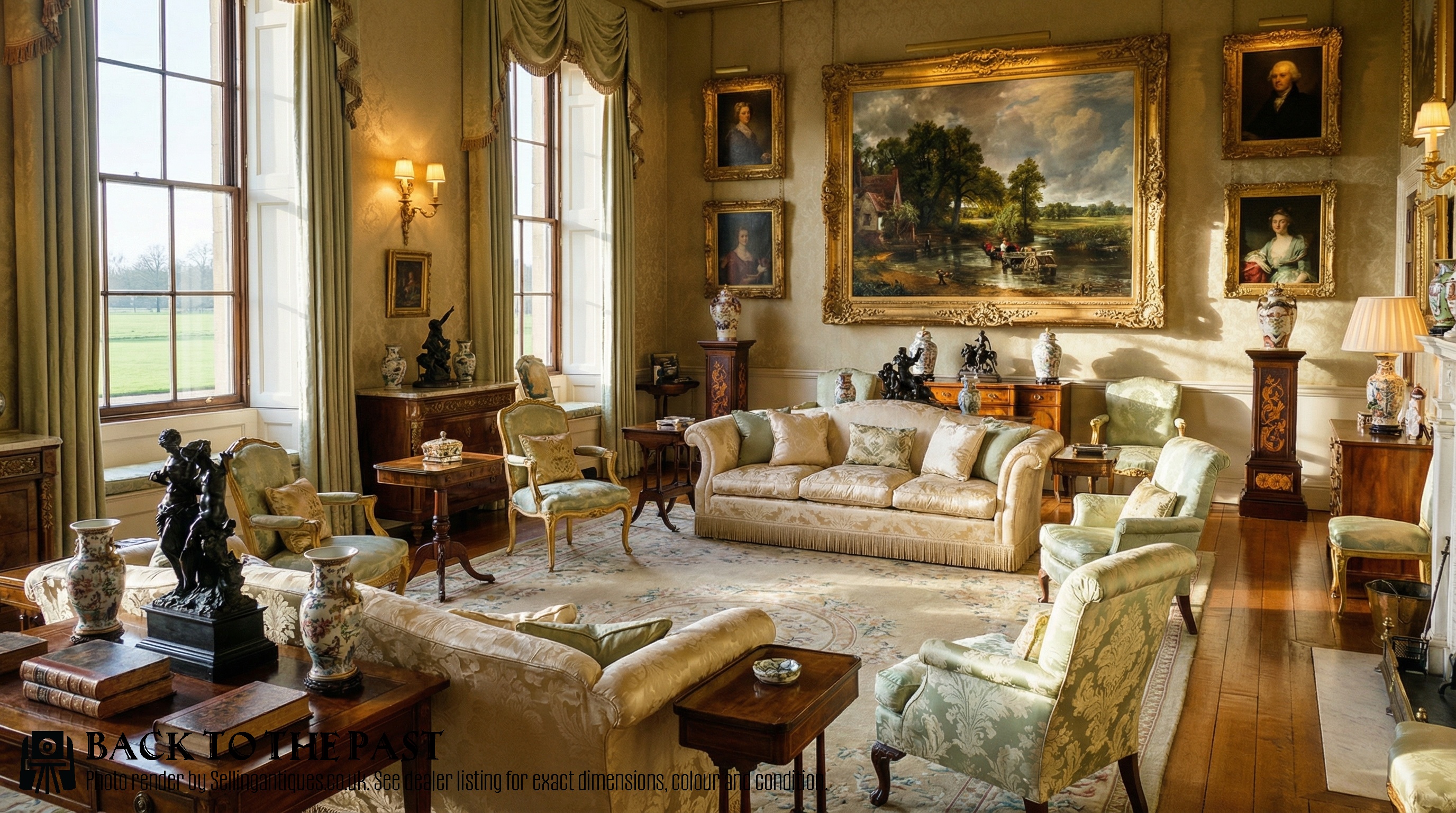
Carved Wooden Plinth
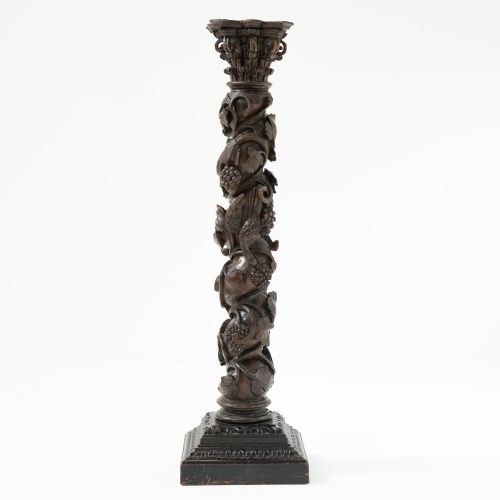
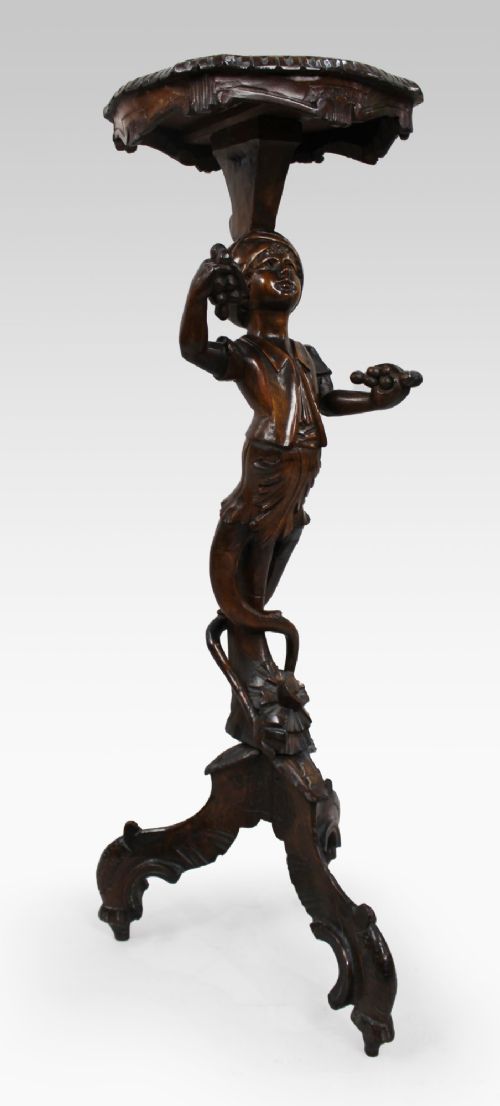
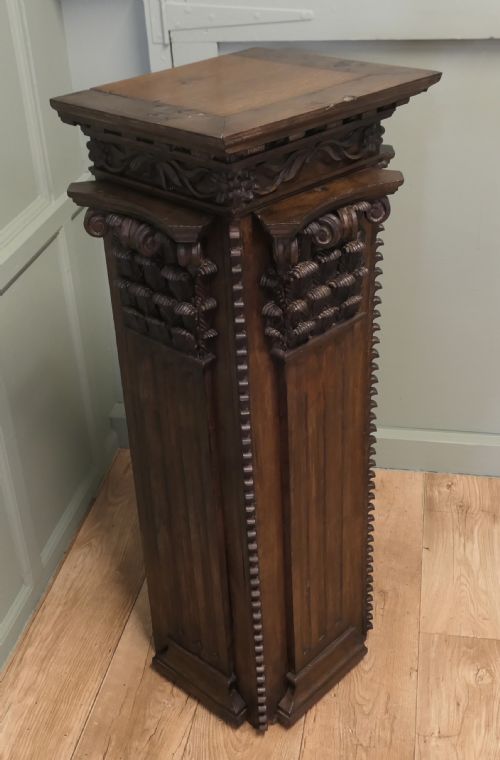
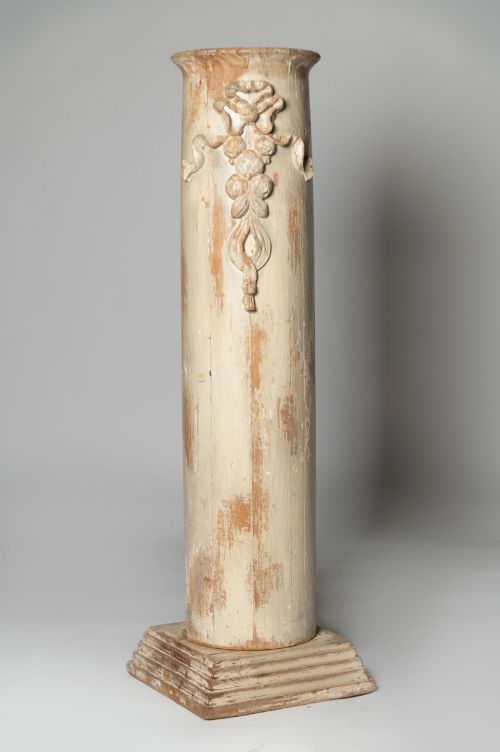
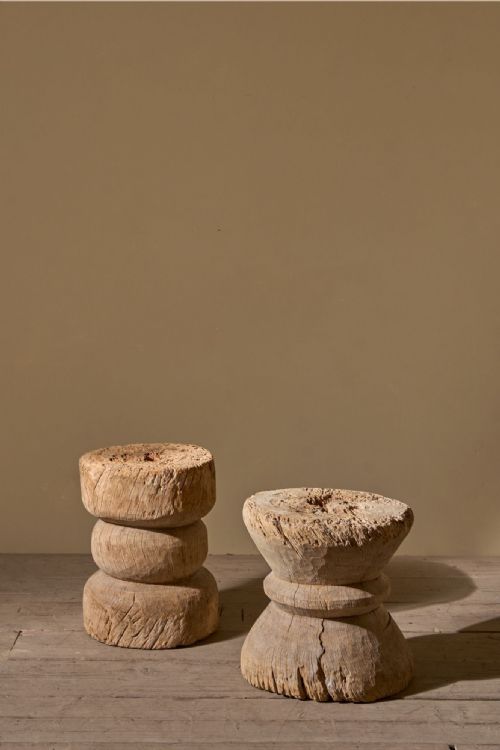
A carved wooden plinth serves to support and display sculptural works, vessels and ornamental objects within a room. When you examine this selection, you encounter forms that range from classical columns and pedestals to figural bases and display stands.
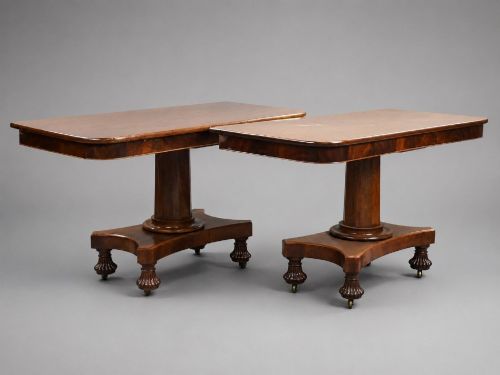
The pieces span multiple periods, with strong representation from the nineteenth century alongside eighteenth-century examples and earlier works. Alongside dedicated pedestals and columns, the selection includes related display furniture such as vase stands and wall brackets.
Origins vary widely across these listings, encompassing English, French, Italian, Scandinavian and Asian craftsmanship. Whether you seek a simple turned pillar or an elaborate carved column, each piece functions primarily to elevate art and objects within an interior scheme.
How they were made
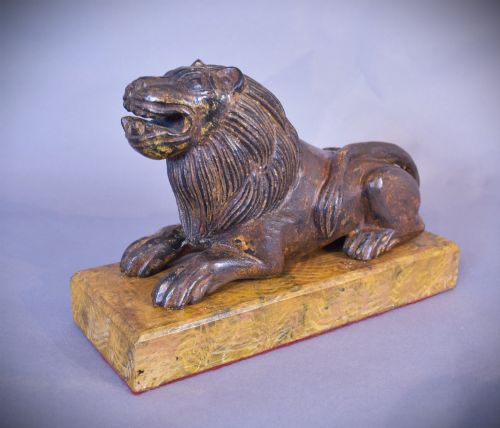
Makers shaped these supports primarily from hardwoods and softwoods such as oak, mahogany, walnut, pine and satinwood, occasionally applying paint, gesso or gilding to the surface. Carving defines the ornamentation, ranging from crisp foliate motifs to figural elements like griffins and lions.
Construction techniques combine sturdy internal framing with turned column shafts and decorative applied carvings. Finish details include parcel gilding, grain painting and polished wood surfaces that highlight the natural grain of the timber.
Periods represented span from the 17th century through the Victorian era and into the early 20th century.
What varies in quality
The ambition of the carving separates standard joinery from exceptional display pieces, particularly where figurative work or intricate architectural detailing is involved. Crisp execution in high-relief elements demonstrates the hand of a skilled artisan rather than routine workshop production.
Material selection and surface preservation dictate the overall character of a plinth. Choice figured timbers, well-preserved original gilding and integrated structural balance distinguish the finest examples from simpler utility supports.
The Carved Wooden Plinth Glossary
- Solomonic
- A helical or spiral column shaft twisting upwards, often found in Baroque and revival furniture. This distinctive form creates dynamic movement and visual weight.
- Torchere
- A tall stand designed to hold a light source or a decorative object. These slender supports frequently feature carved wooden shafts and circular tops.
- Gesso
- A plaster-like mixture applied to wood surfaces to prepare them for gilding or painting. It provides a smooth ground for intricate carved details.
- Triform
- Having a triangular plan or base supported by three feet or sides. This configuration offers stability for tall display columns.
- Parcel gilt
- Partially covered in gold leaf, usually highlighting specific carved details against a painted or dark wood ground. This technique contrasts metallic brilliance with warm timber tones.
Carved Wooden Plinth: Frequently Asked Questions
What goes on a carved wooden plinth?
These supports are designed to hold heavy ornamental objects, bronze figures, marble busts and large ceramic vessels. Placing an object on a pedestal separates it from surrounding furniture and gives it independent focal presence in a room.
Selecting a top that matches the footprint of your object ensures stability. Many buyers use them specifically to display gallery-quality sculptures or treasured family collections.
How do I date an antique pedestal?
Dating relies on identifying the prevailing style, such as Neoclassical, Gothic Revival or Baroque, combined with timber analysis and construction methods. Secondary woods used inside the structure often reveal the manufacturing era.
Examining the tool marks and the composition of surface finishes helps confirm the period. Comparing proportions against known furniture design manuals from the eighteenth and nineteenth centuries provides further guidance.
Are these columns strong enough for heavy stone?
Solid hardwood columns and heavy pedestals are engineered to bear substantial vertical loads, including marble and bronze. The internal core and broad base design provide the necessary weight distribution for heavy display items.
Checking the width of the base relative to the height gives a clear indication of stability. Pieces designed with triform bases or wide mahogany columns handle considerable weight with ease.
Where should I place a display column at home?
Tall columns work effectively in room corners, entrance hallways or framing architectural doorways where they do not obstruct daily movement. Pairing them with adequate vertical clearance allows the displayed sculpture or urn to draw the eye naturally.
Freestanding pedestals require a stable floor surface to prevent any rocking when weighted. Placing them away from direct heat sources protects the timber joints and surface finishes over time.