






Carved Wooden Pendulum Clock
A carved wooden pendulum clock brings mechanical movement and rich timber cases into a room, spanning wall, mantel, and longcase formats.
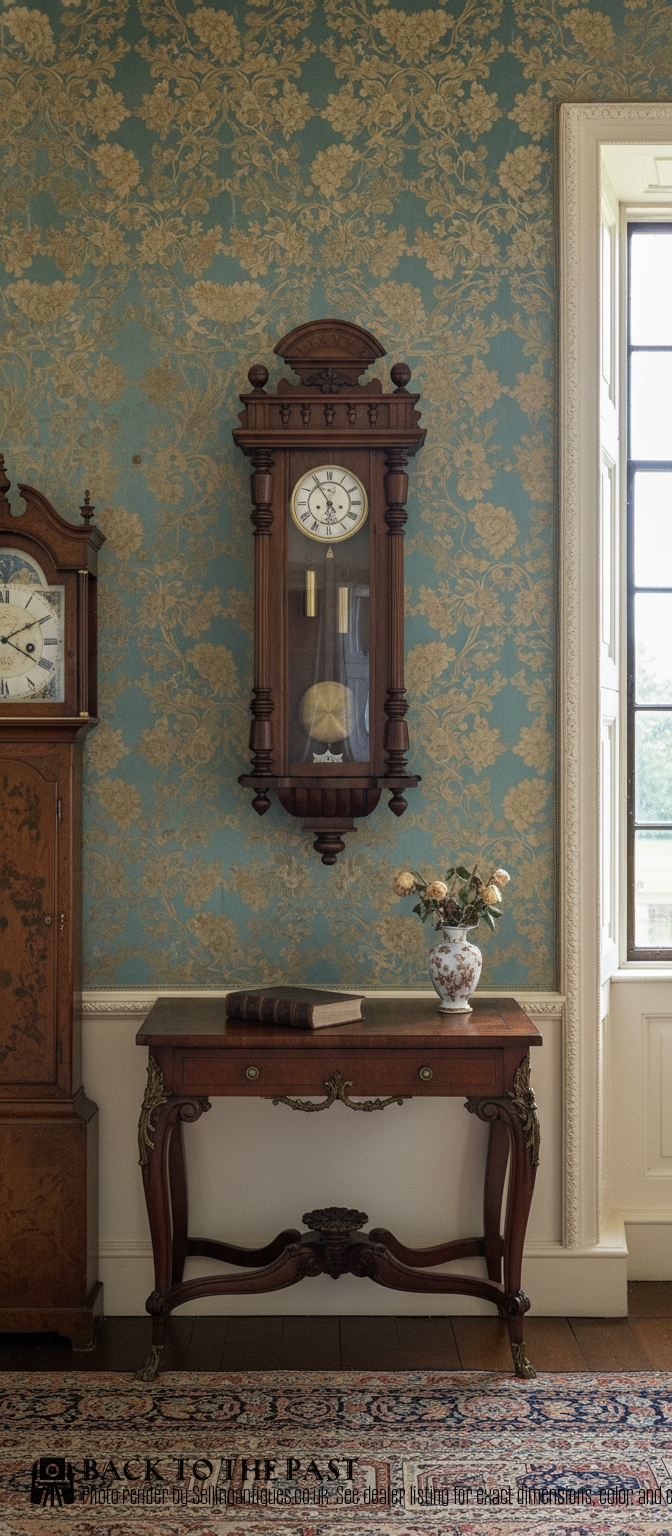
Carved Wooden Pendulum Clock
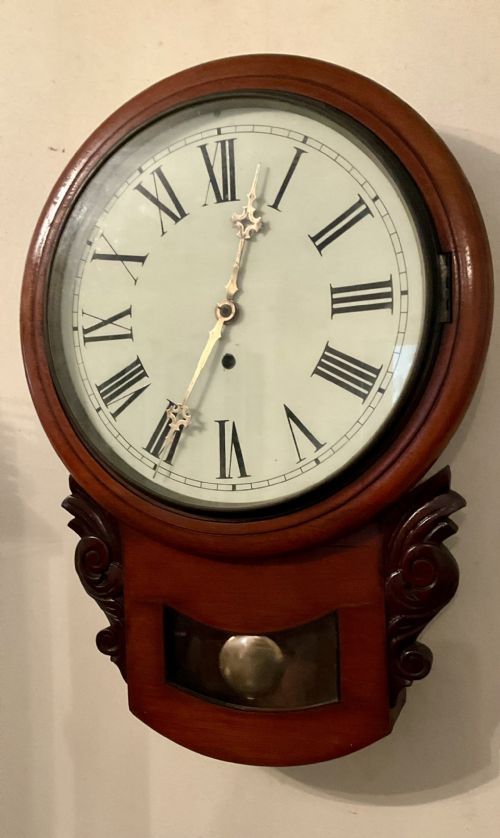
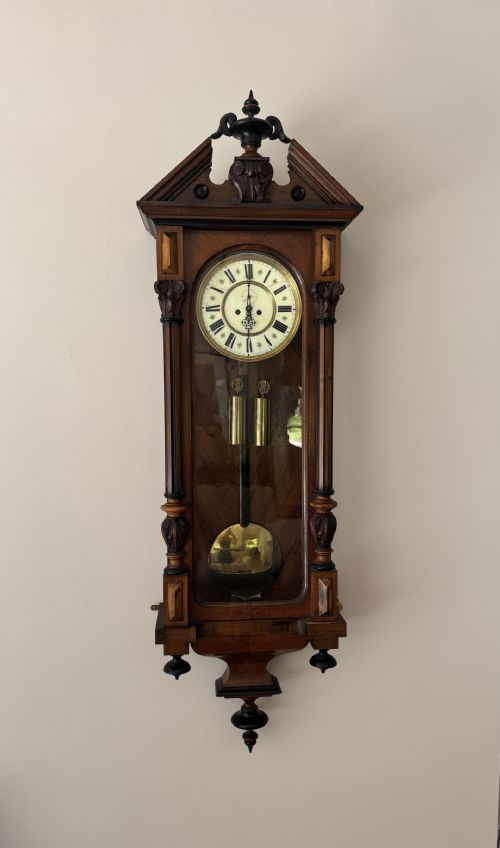
When you search for a carved wooden pendulum clock, you encounter timepieces shaped by Victorian, Georgian, and Art Deco design movements. These objects encompass wall clocks, mantel clocks, and grander longcase or grandfather formats originating from British, German, American, and French workshops.
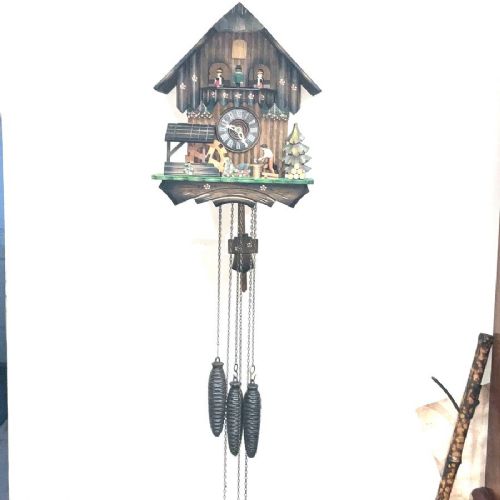
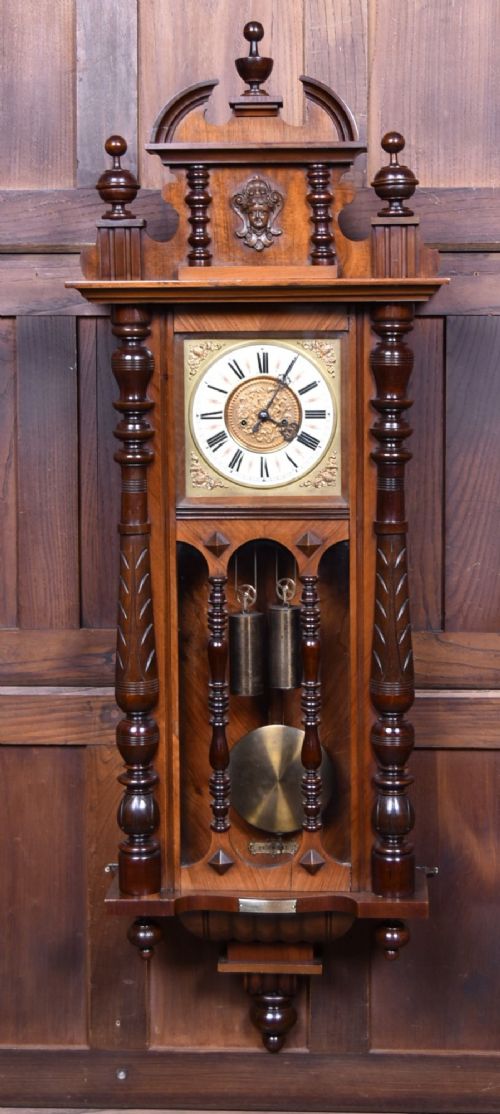
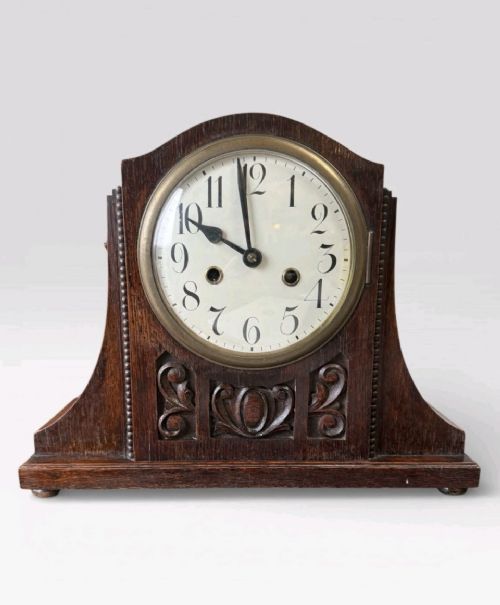
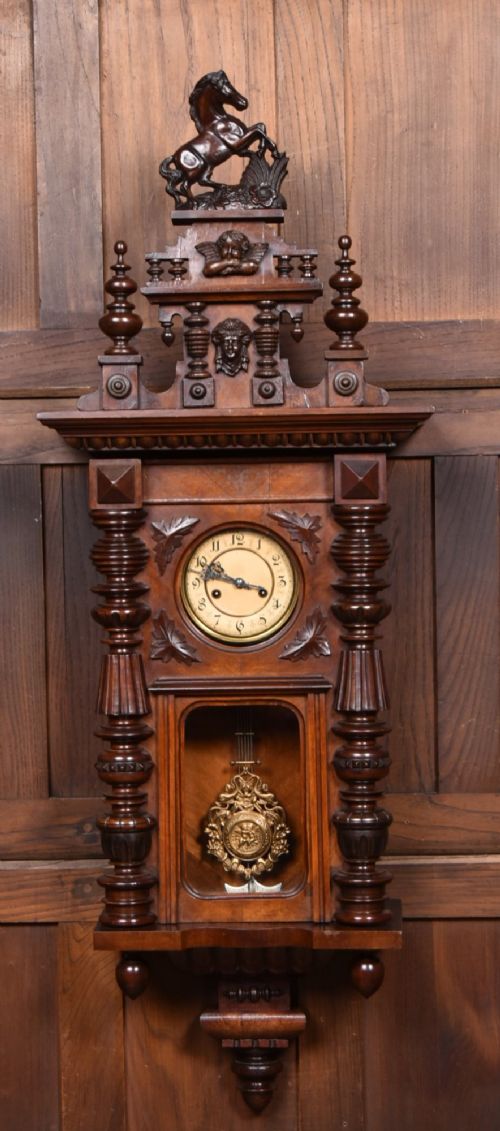
The specimens on this page lean heavily toward Victorian walnut wall clocks and Vienna regulators, alongside Black Forest carvings and oak mantel pieces from the early twentieth century. Buyers select these items for their visible mechanical motion and architectural timber presence.
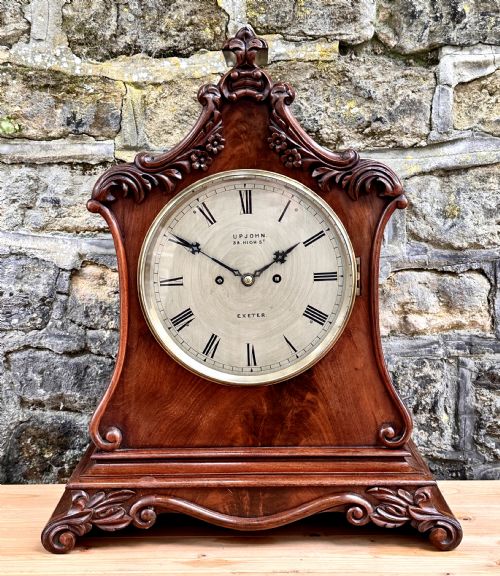
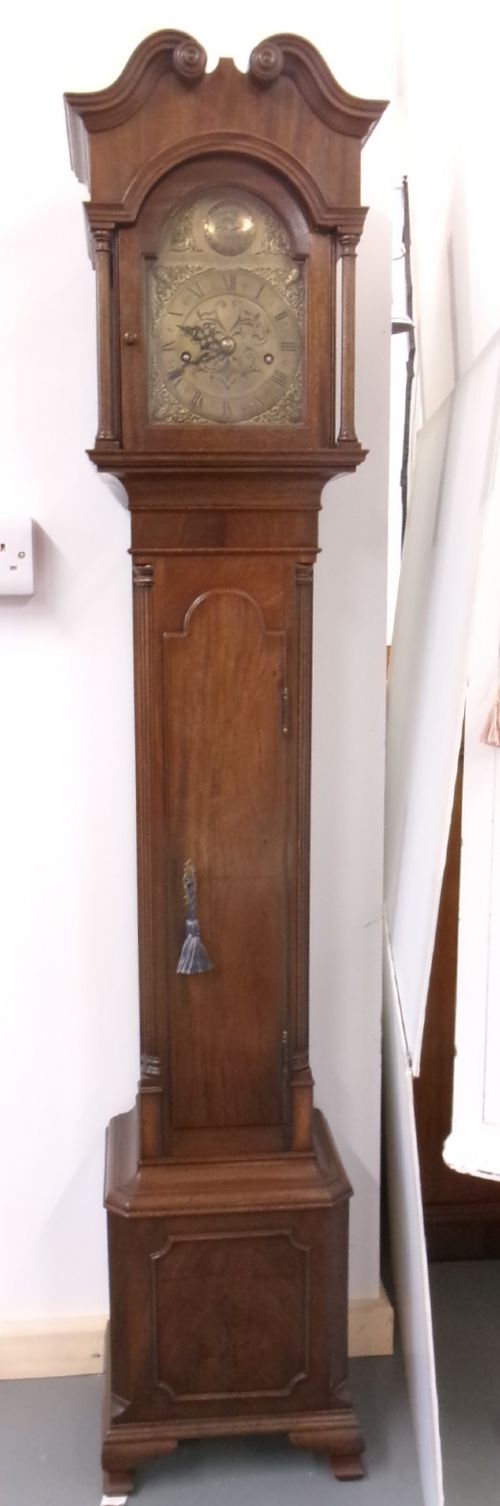
Tall longcase clocks sit alongside compact drop-dial wall formats and shelf-standing bracket clocks. Each variation utilises timber housings designed to enclose weights, springs, and swinging pendulums while displaying Roman or Arabic numerals on enamel or wooden dials.
Assessing craftsmanship and execution
Superior examples reveal crisp hand-carving in the walnut or linden wood, with deep relief work that remains sharp and well-defined. Lesser items show soft, mechanical moulding or flat timber surfaces lacking depth.
Movement quality distinguishes standard production from finer horology, evidenced by heavy brass plates, polished arbors, and signed dial plates. The integration of quarter-chimes, musical mechanisms, or double-fusee gear trains marks higher ambition in design.
The documented pieces range across Victorian, Georgian, Art Deco, and Black Forest aesthetic traditions.
Mappin & Webb·Geo. Carter
The Carved Wooden Pendulum Clock Glossary
- Pendulum
- A suspended weight that swings back and forth to regulate the speed of a clock mechanism. Its precise length determines the timing accuracy of the movement.
- Fusee
- A conical pulley used with a cord, chain, or wire to maintain even force on the clock movement as the mainspring unwinds. This device improves timekeeping consistency across the power reserve.
- Drop Dial
- A wall clock featuring a circular dial face positioned above an extended wooden box that encloses the swinging pendulum. This form became common in offices, railway stations, and domestic hallways.
- Bracket Clock
- A portable spring-driven clock originally designed to sit on a wall bracket or table. Many Victorian examples feature arched wooden cases and carrying handles.
- Longcase Clock
- A tall floor-standing timekeeper enclosed in a wooden trunk that protects the hanging weights and pendulum. These pieces are frequently referred to as grandfather or grandmother clocks depending on their height.
Carved Wooden Pendulum Clock: Frequently Asked Questions
How do I wind a mechanical pendulum clock?
Most spring-driven clocks require a key inserted into holes on the dial face to tension the mainsprings every week or fortnight. Weight-driven wall and longcase clocks involve pulling the chains or winding the cords to raise the heavy brass weights back to the top of the case.
Care must be taken not to overwind the mechanism, stopping when resistance increases. Ensuring the clock hangs completely vertical on a secure wall mount keeps the pendulum beating evenly after winding.
Why does my clock stop ticking?
Pendulum clocks rely on a precise vertical alignment to maintain an even beat between the pallet and the escape wheel. If the case shifts or the surface is uneven, the motion falters and the movement stops.
Dust accumulation in the brass gear train can also halt the mechanism over time. Gentle adjustment of the suspension spring or professional cleaning usually restores reliable operation.
How do I tell a Vienna regulator from a standard wall clock?
Vienna regulators feature long glazed trunk doors designed to showcase the refined movement and the gridiron or wooden-rod pendulum swinging inside. The dials are typically porcelain enamel with fine subsidiary seconds hands.
Standard wall clocks often use simpler wooden cases with shorter apertures or drop-dial configurations. Vienna-style pieces prioritize horological display and architectural walnut or mahogany framing.
Where should I place a longcase clock in my home?
Longcase clocks require a stable, dry interior wall attached firmly to solid studs or masonry to support their considerable height and weight. Direct sunlight and damp rooms should be avoided to protect the polished mahogany or oak veneer from warping.
Sufficient clearance is needed around the base for the pendulum to swing without obstruction. Hallways and quiet living spaces suit these pieces best, allowing the chime and tick to resonate cleanly.