

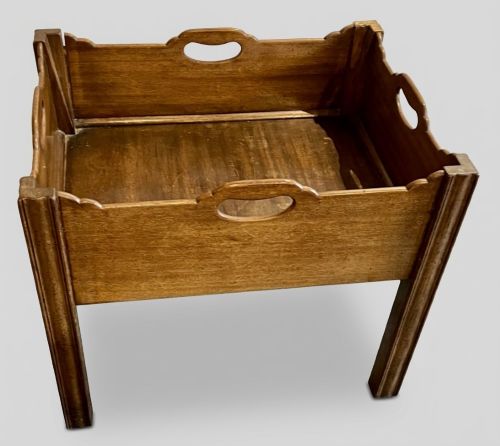
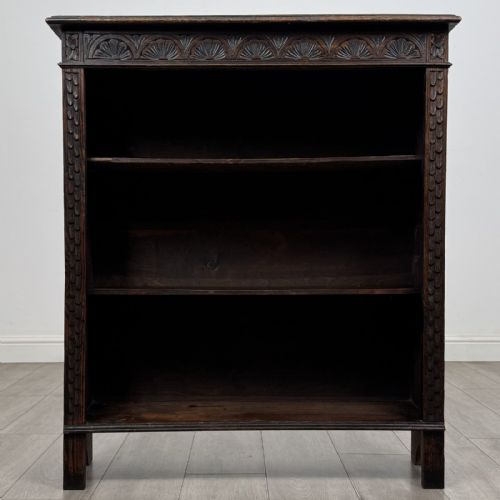
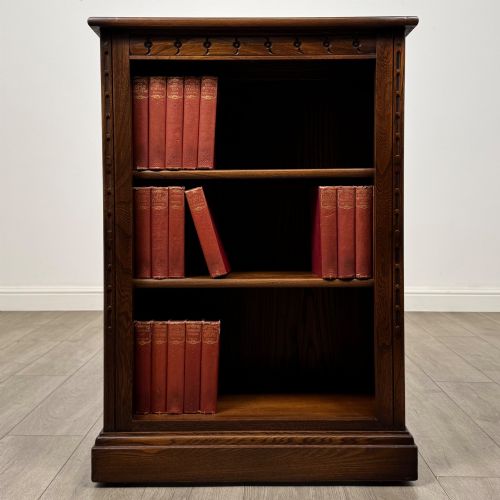
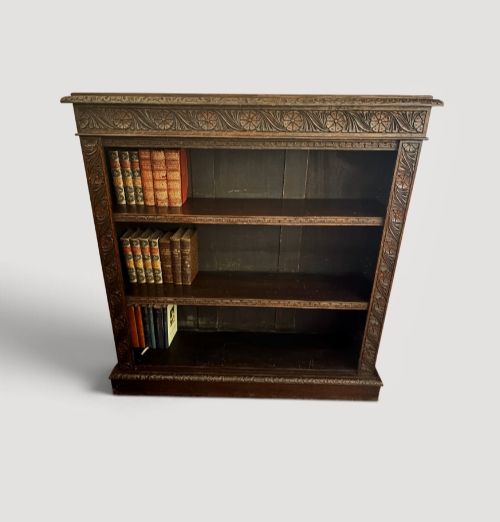

Carved Wooden Low Stand
A carved wooden low stand offers a sturdy surface for lamps or display, bringing warm timber tones and period character into a room.
Carved Wooden Low Stand
A carved wooden low stand is essentially a small, elevated surface designed for practical domestic use or ornamental display. When buyers search for a carved wooden low stand, they encounter various forms including side tables, low coffee tables, and compact stools.
The pieces appearing on this page span several distinct periods, notably the Victorian era, the Edwardian period, and the early twentieth century. Origins range from English workshops to continental Europe and Asian traditions, providing a broad selection of decorative vocabularies.
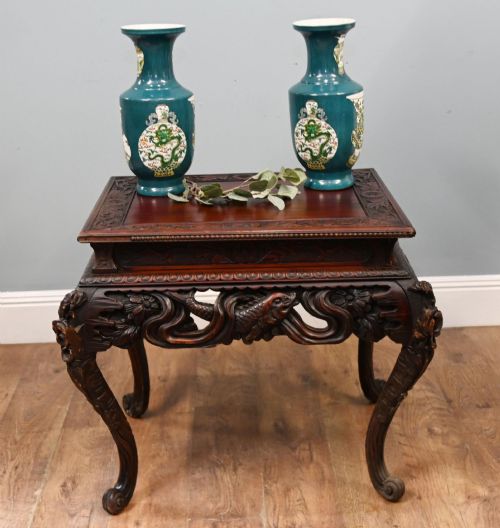
Makers and craftsmen utilised specific forms to serve everyday functions, resulting in items like opium tables, plant stands, and occasional tables. These low objects anchor a room visually by drawing the eye downward and providing a useful resting place for small items.
Materials and construction methods
Construction relies heavily on traditional timbers such as oak, mahogany, walnut, rosewood, and general hardwood. Craftsmen selected these woods for their grain patterns and structural stability, often enhancing the surfaces with carved ornamentation or polished finishes.
Joining techniques typical of the period, from joint construction to secure pegging, ensure the longevity of these small stands. Metal elements like brass occasionally appear as supporting hardware or decorative accents, complementing the rich tones of the timber.
Carved Wooden Low Stand Retail Price Guide 2026
Typical asking prices for carved wooden low stand among the pieces listed under this phrase on Sellingantiques today, from the lower quarter to the upper quarter. They describe what is for sale here now, not the wider market.
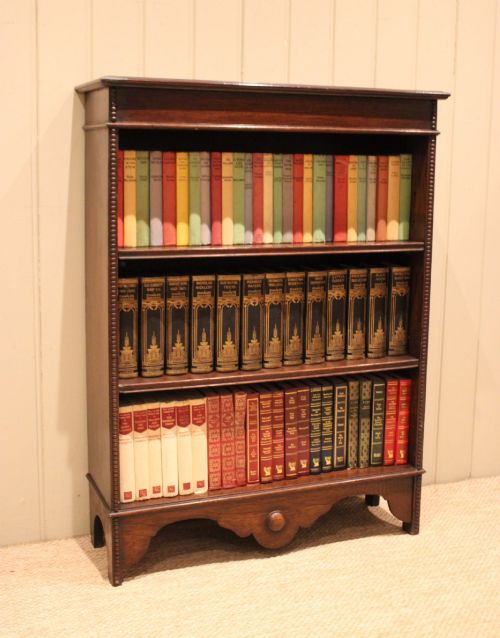
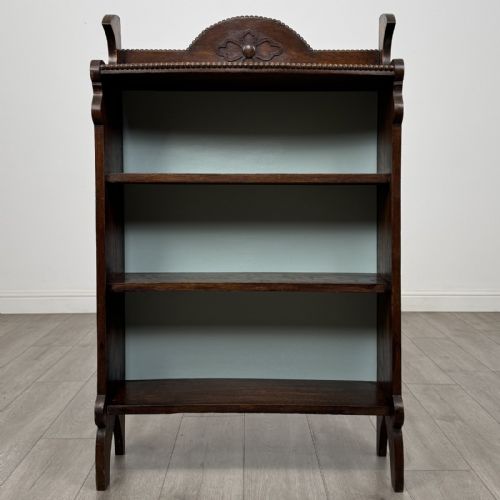
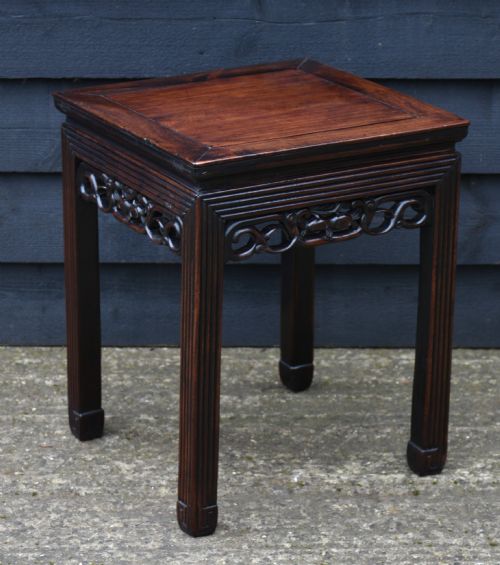
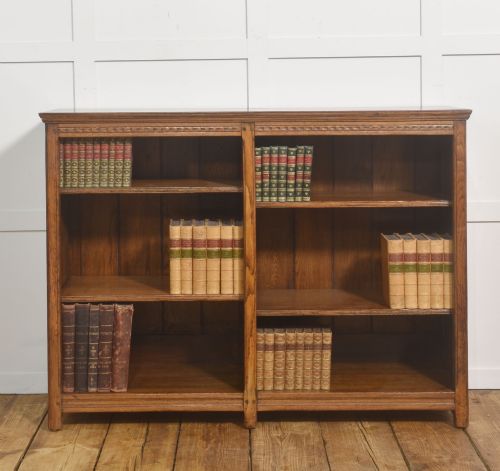
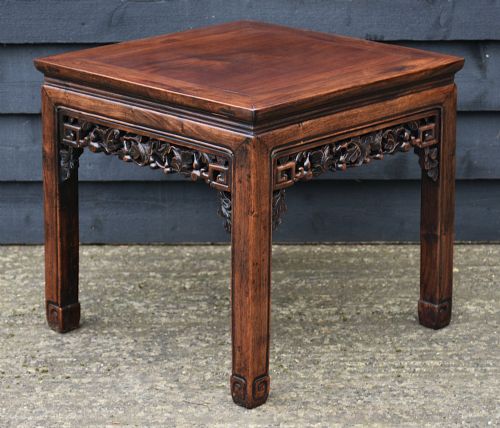
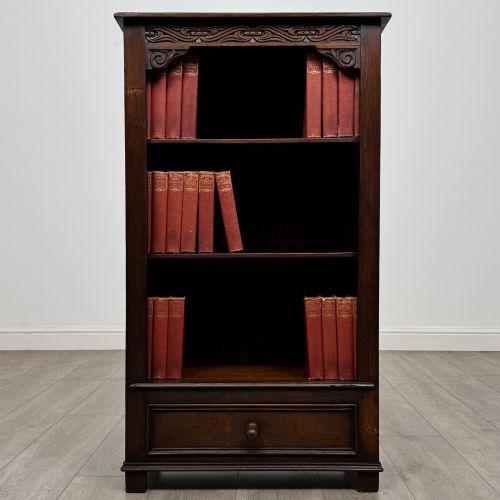
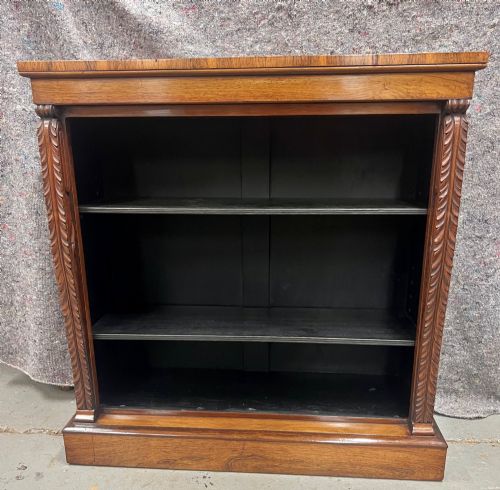
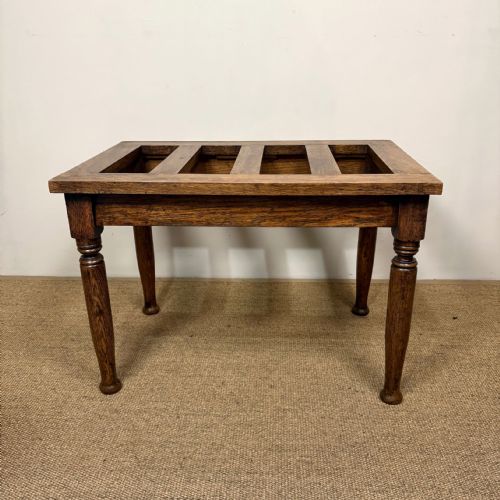
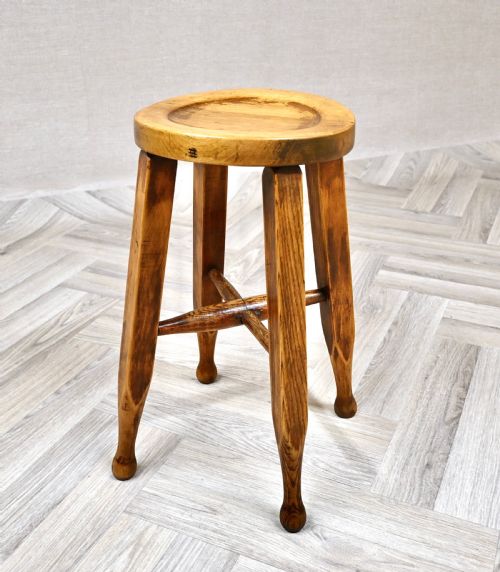
The object types span open bookcases, occasional tables, milking stools, and low Kang tables.
Assessing quality and craftsmanship
The distinction between ordinary pieces and superior examples lies in the crispness of the carving and the selection of timber. Finer pieces display deliberate hand-carved detail that remains sharp, whereas lesser items show softer or more mechanical ornamentation.
Proportion and structural integrity also dictate value, with top-tier examples demonstrating balanced dimensions and tight joints. The natural figure of the wood, particularly in burr walnut or figured mahogany, elevates the visual appeal of a well-made stand.
Liberty and Co·Ercol
The Carved Wooden Low Stand Glossary
- Kang table
- A low Chinese table traditionally used on a heated brick platform for dining or writing. These pieces feature low profiles and intricate hardwood carving.
- Occasional table
- A small, versatile table designed to be moved around a room as needed. They serve multiple functions for afternoon tea or holding lamps.
- Joint stool
- An early form of wooden stool constructed with mortise and tenon joints. They provide sturdy, low seating or auxiliary surface space.
- Hardwood
- Timber derived from broad-leaved trees, including oak, mahogany, and walnut. These dense woods are prized for durability and fine grain figure.
Carved Wooden Low Stand: Frequently Asked Questions
What is a low stand used for?
These pieces function primarily as auxiliary surfaces for holding small decorative items, lamps, or everyday objects within reach. Their compact height makes them suitable for placement beside seating or as display platforms.
Historically, various cultures utilised low tables for specific domestic tasks, from serving tea to supporting reading materials. Today, they integrate easily into modern interiors as versatile accent pieces.
How do I date a wooden stand?
Dating relies on observing the timber species, the style of carving, and the construction methods visible on the underside or joints. Different eras favoured distinct decorative motifs, such as Jacobean revival styles or clean Edwardian lines.
Examining tool marks and the type of fixings used can also point toward a specific century or decade. Comparing the piece to documented examples helps narrow down the period of manufacture.
Are these stands durable for daily use?
Solid wood construction provides inherent strength, allowing these stands to withstand regular placement of household items. Dense timbers like oak and mahogany resist normal wear effectively.
Careful handling and appropriate placement away from extreme heat sources protect the polished finish. Periodic maintenance preserves the structural integrity of the joints.
How do I fit a low stand into my room?
A low stand works well paired with low-profile seating or positioned in corners to display plants and sculptures. Their modest footprint allows them to occupy awkward spaces where larger furniture fails to fit.
Mixing periods, such as placing an Edwardian oak piece alongside modern furnishings, adds textural contrast. The natural wood tones complement diverse interior colour palettes.