
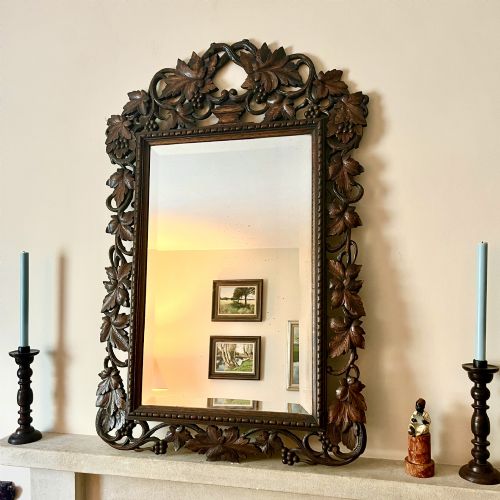


Carved Wooden Looking Glass
These carved wooden looking glass pieces bring warmth and craftsmanship to any room, offering historic character through timber and glass.
Carved Wooden Looking Glass
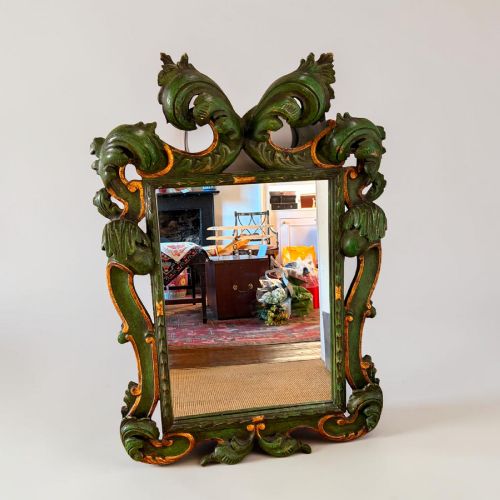
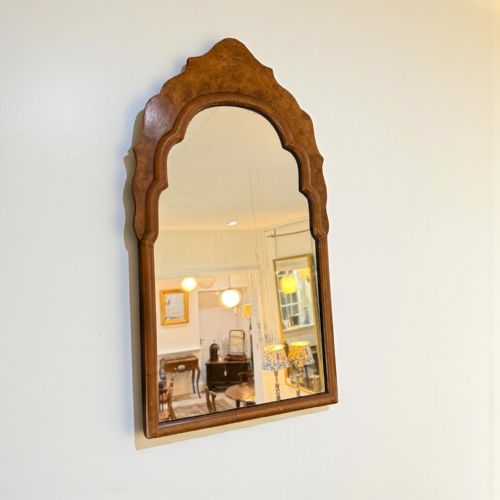
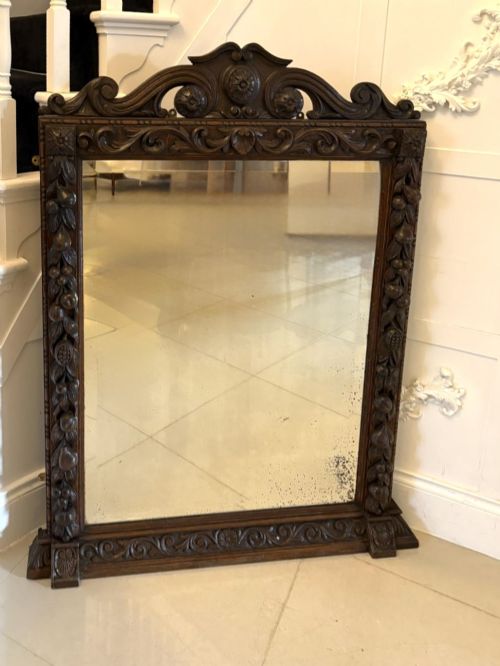
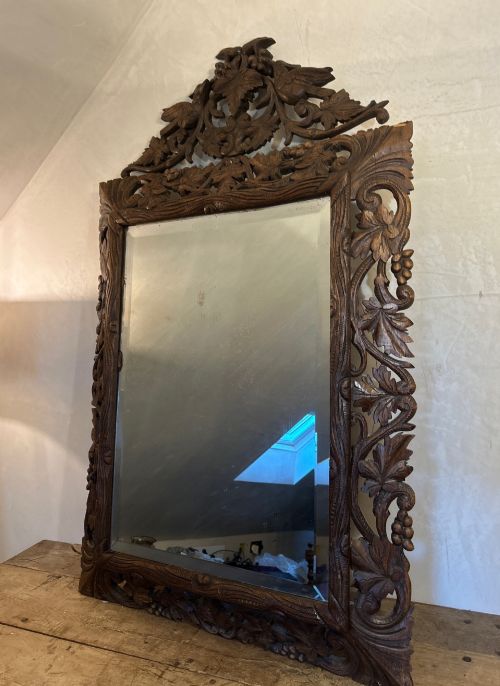
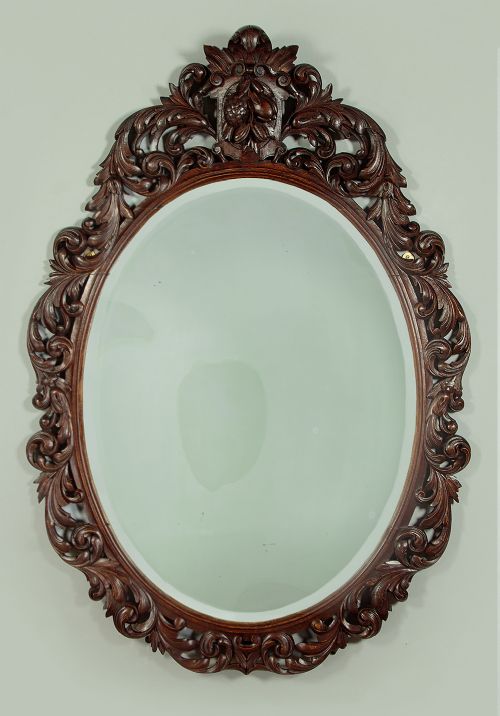
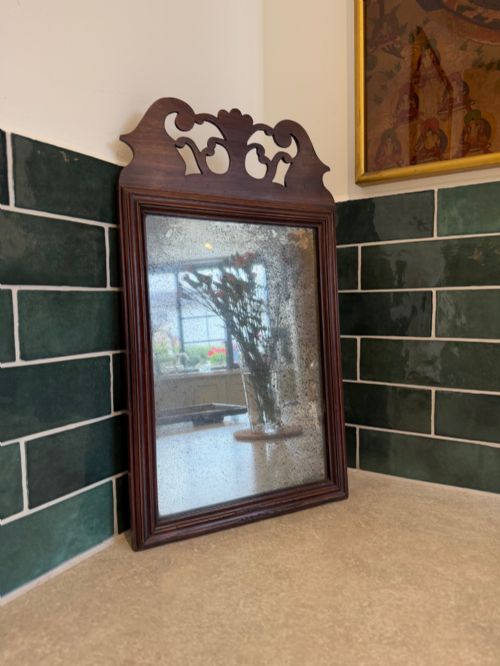
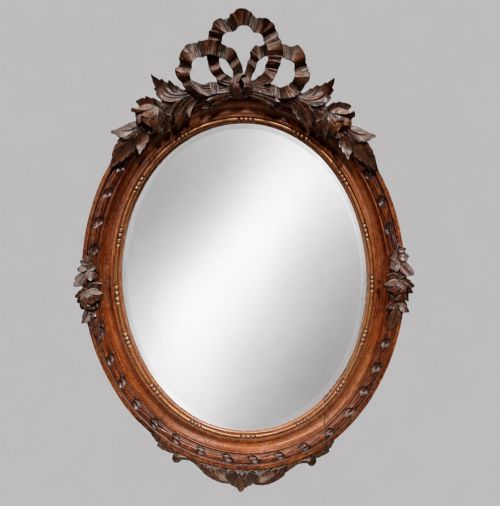
A carved wooden looking glass is a wall-hanging mirror framed in timber, designed to reflect light and ornament a room. You will encounter various formats on this page, from compact Georgian fretwork designs to large Victorian and Edwardian examples.
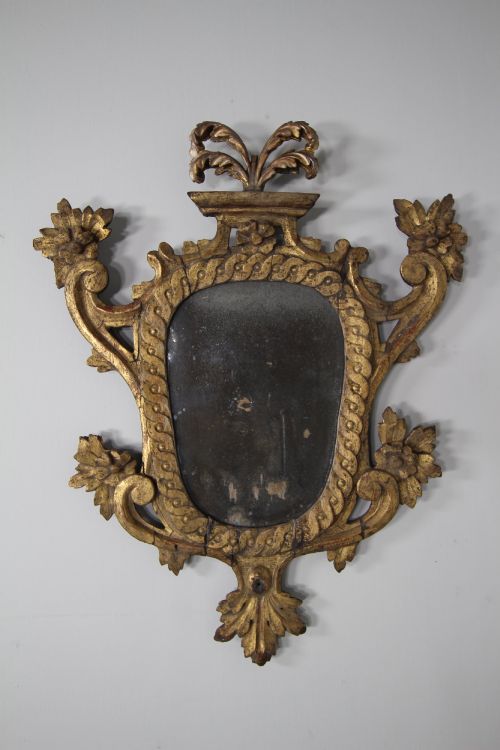
The selection ranges across several centuries, with particular emphasis on 18th century walnut and mahogany forms alongside robust 19th century carved oak pieces. Wall mirrors dominate the inventory, spanning styles from Chippendale revival to French Renaissance revival and Italian Rococo.
How they were made
Cabinetmakers constructed these frames using hardwoods such as oak, walnut, mahogany, and sycamore, often shaping the timber through intricate fretwork and manual carving. Some examples incorporate giltwood elements, gold leaf, or parcel gilt highlights to enhance the decorative detail around the glass plate.
Mirrors from earlier periods frequently utilise bevelled or engraved plates held within the wooden rebate, sometimes retaining original glass alongside secondary veneers. Joinery techniques varied by era, utilising pegged frames in earlier centuries and layered veneers in later revival pieces.
Listings feature oak, walnut, mahogany, and sycamore frames spanning the eighteenth, nineteenth, and early twentieth centuries.
What varies in quality
The distinction between ordinary and superior examples lies in the depth and precision of the manual carving rather than standard surface decoration. Crisp detailing on foliage and scrollwork indicates a skilled hand, whereas softer or shallower moulding points to simpler production.
Material selection also dictates overall merit, particularly the figure within walnut and mahogany veneers or the integrity of the original gilt slip. Cohesion between the timber frame and the glass plate contributes to the enduring appeal of each piece.
The Carved Wooden Looking Glass Glossary
- Fretwork
- Openwork ornamentation cut from a thin board of timber, commonly seen on Georgian and later walnut frames. This technique allows for delicate geometric or scroll patterns along the outer edges.
- Giltwood
- Timber carved and subsequently coated with gold leaf or gesso, creating a bright reflective surface. It frequently highlights specific sections of a mirror frame.
- Overmantle
- A large mirror designed specifically to be hung above a fireplace mantel. These pieces often feature horizontal proportions suited to architectural settings.
- Vauxhall plate
- An early mirror glass plate characterised by its bevelled edge and specific manufacturing origins in London. These plates often show subtle historical imperfections in the glass.
- Parcel gilt
- Partial gilding applied to selected areas of a wooden frame, allowing the underlying walnut or mahogany grain to remain visible. This creates a contrast between the timber and the gold finish.
Carved Wooden Looking Glass: Frequently Asked Questions
How do I hang a heavy wooden mirror safely?
Ensure the wall fixings engage directly with structural studs or masonry rather than depending solely on plaster. Heavy frames require appropriate weight-rated mirror brackets fixed securely to the timber backing.
Check that the hanging wire or integrated D-rings are firmly attached to the frame itself. Professional framing hooks distribute the weight evenly across the wall.
How should I clean antique mirror glass?
Apply a mild, non-ammonia glass cleaner to a soft microfibre cloth rather than spraying the liquid directly onto the glass. This prevents moisture from seeping behind the plate and damaging the silvering.
Wipe gently across the surface, taking care near the edges where the reflective backing meets the wooden frame. Older mirrors often have delicate seals that benefit from minimal moisture.
How do I identify a Georgian mirror?
Georgian mirrors frequently utilise walnut, mahogany, or sycamore timbers shaped with symmetrical fretwork or scrolling pediments. Look for period construction methods such as hand-cut joinery and older mirror plates.
Stylistic markers include gilt slips, parcel gilt accents, and proportions suited to 18th-century domestic interiors. Examining the backboards and fixings often confirms the period of manufacture.
Can I place these mirrors in a bathroom?
High humidity and fluctuating temperatures can damage historic wood finishes and degrade the silvering on antique glass plates. It is best to keep these pieces in dry, stable living areas.
If placed near a wash basin, steam can penetrate older veneers and loosen the glue holding the frame together. Dry interior walls provide the most suitable environment for preservation.
What is the difference between oak and walnut frames?
Oak frames generally present a heavier, more pronounced grain structure suited to robust Victorian and Edwardian wall mirrors. They often feature deep carving and substantial proportions.
Walnut offers a finer, smoother grain that was favoured for sophisticated Georgian and revival fretwork mirrors. The timber accepts intricate cutting for delicate scrolls and decorative crests.