



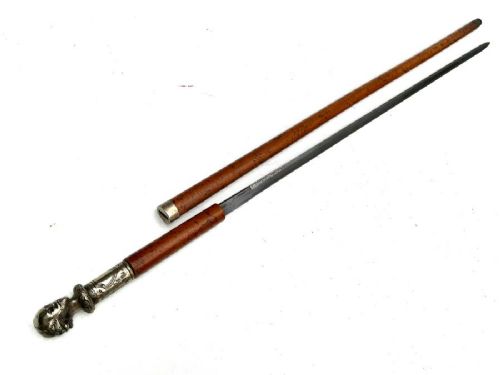
Carved Wooden Head
Every carved wooden head brings immediate presence into a room, carrying the distinct hand of a past maker in timber, walnut or oak.
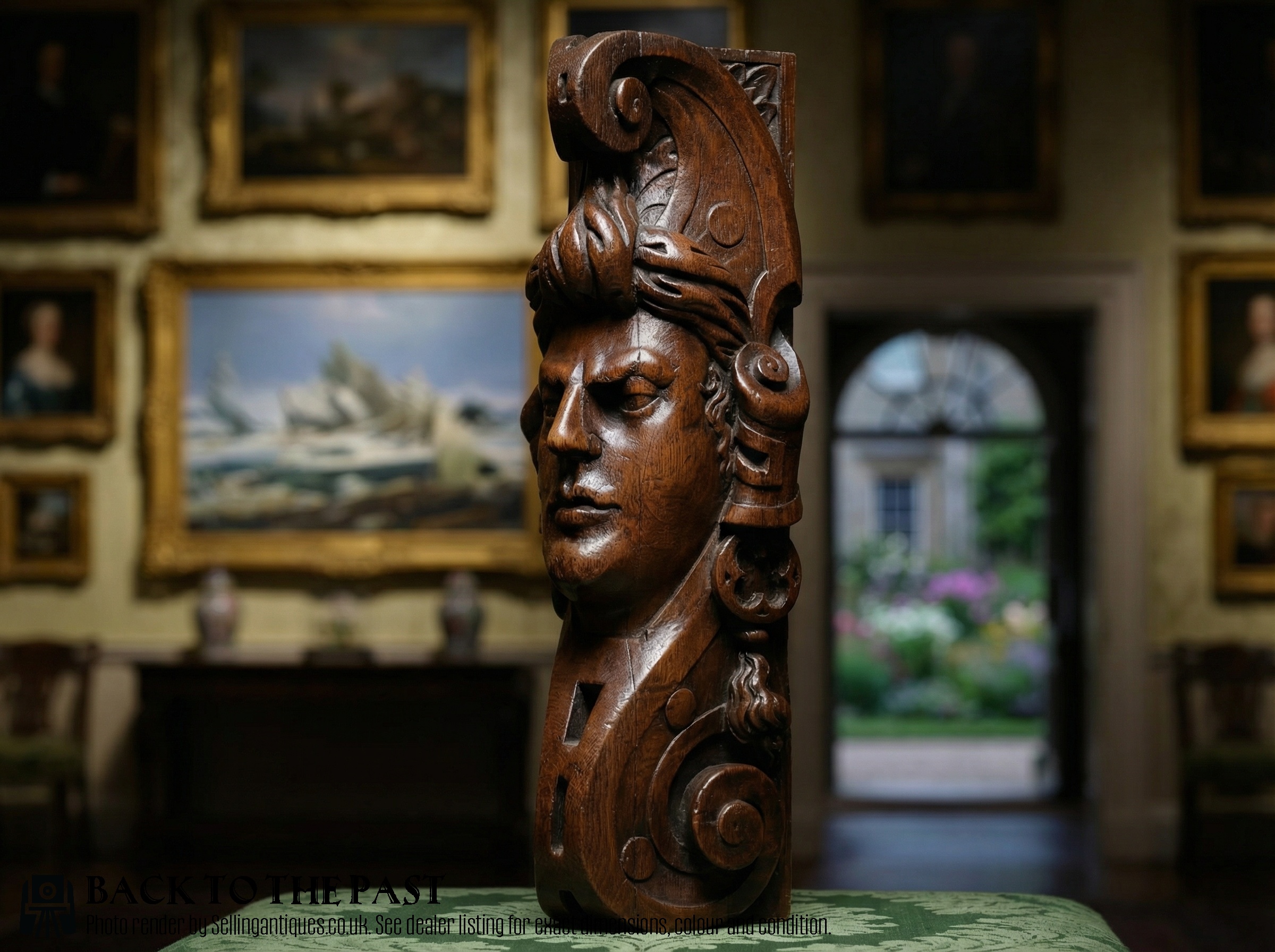
Carved Wooden Head
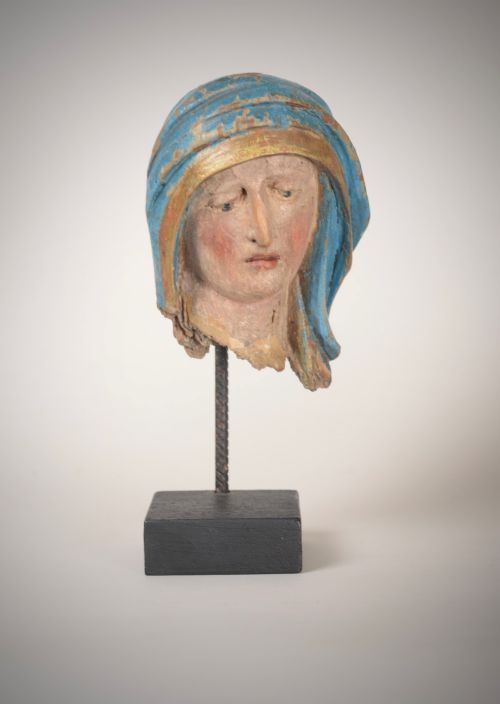
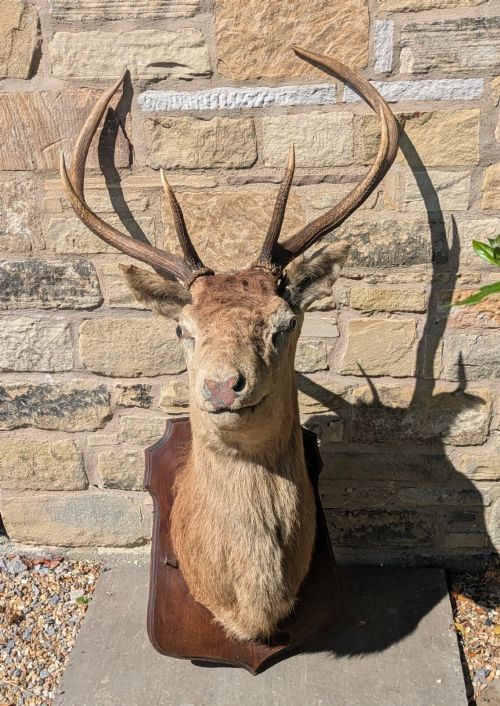
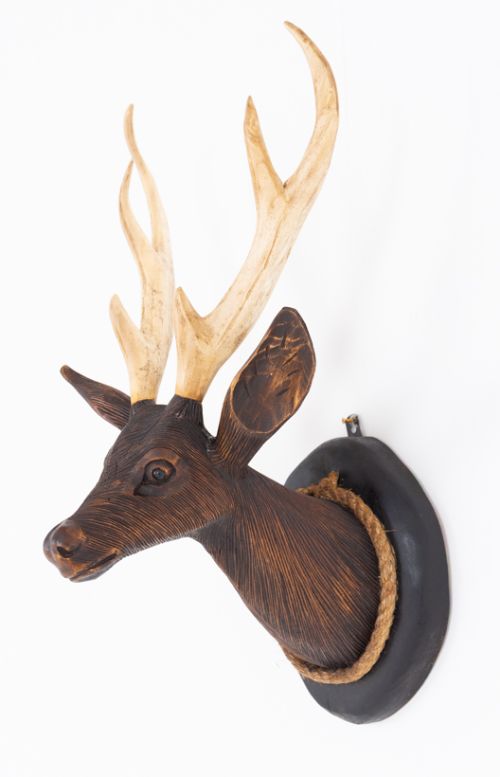
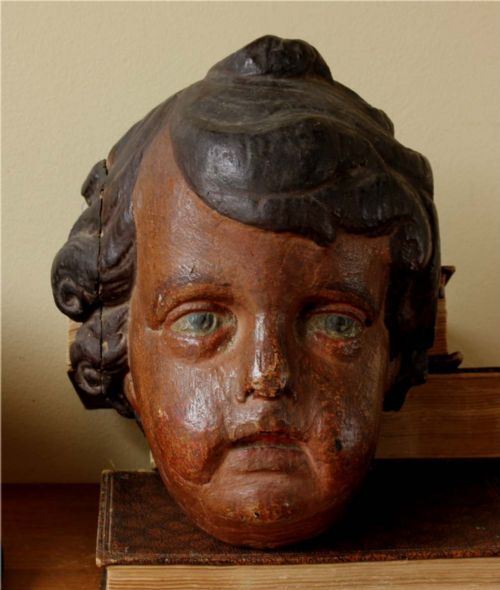
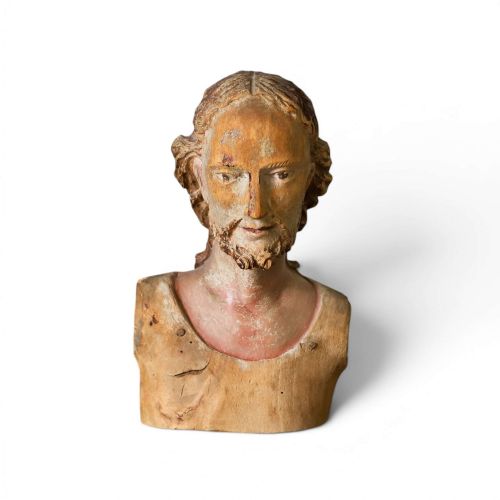
A carved wooden head encompasses everything from European Black Forest animal trophies and ecclesiastical putti to African tribal reliquary guardians and domestic millinery hat blocks. Buyers encounter diverse cultural traditions, ranging from 18th-century French and Italian polychrome putti to 19th-century folk art animal heads and Asian masks.
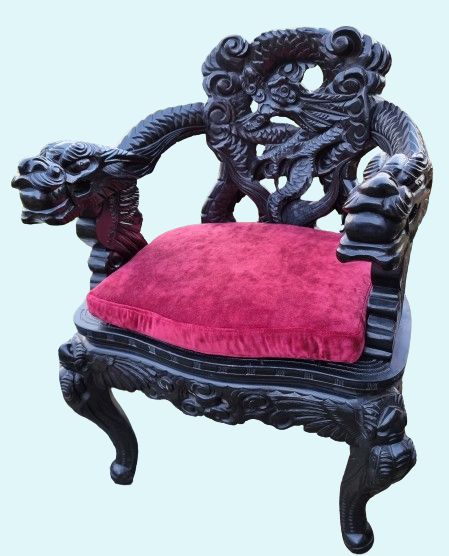
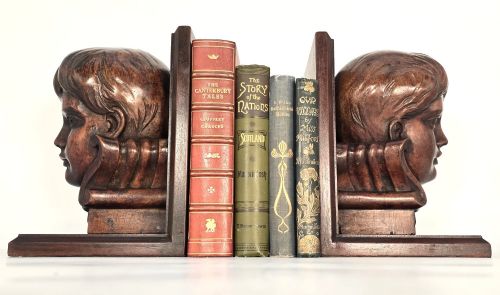
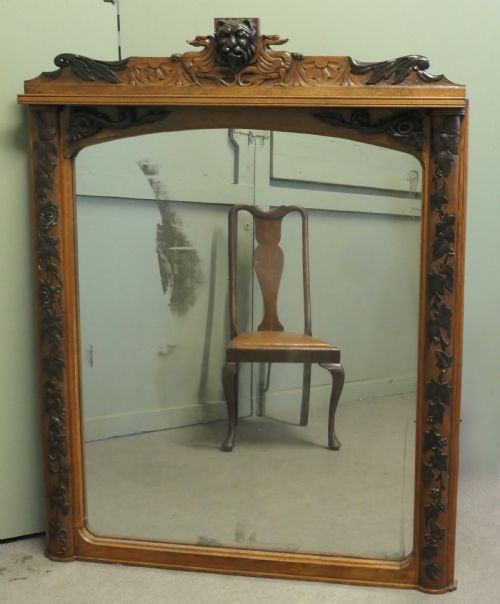
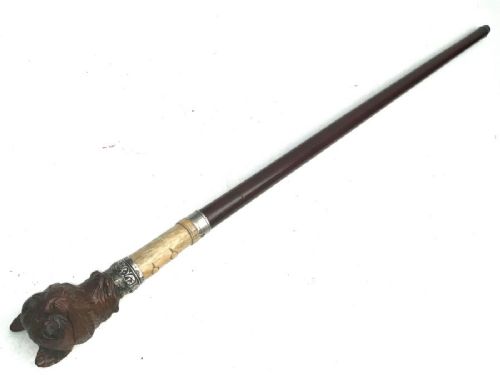
The selections span utilitarian objects like hat blocks alongside purely sculptural busts and architectural fragments. Many pieces double as functional items or furniture elements, including walking stick handles, clock cases, bookends and wall brackets.
Materials and construction
Artisans carved these pieces from local and exotic timbers, utilising oak, walnut, pear wood, teak, yew burr and various hardwoods. Some surfaces retain polychrome paint, giltwood accents or natural wax finishes that highlight the grain.
Detailing often involved hand chiselling, incising and occasionally incorporating secondary materials like bone, glass eyes or metal hardware. The integration of carving directly into larger functional objects demonstrates traditional woodworking and joinery methods of the period.
Listings feature woods such as oak, walnut, teak, pear wood and yew burr across the 18th, 19th and early 20th centuries.
Evaluating the carving
The preservation of original surface finishes, such as early polychrome paint or patinated bare timber, significantly elevates a piece. Evidence of dry timber, crisp detailing without later sanding, and authentic historical wear distinguish finer works from lesser production.
George Henry Paulin RBS·V Ramirez Bolivia·Thomas Hope
The Carved Wooden Head Glossary
- Polychrome
- Decorated in multiple colours. This term describes carved wooden surfaces painted with pigments or gilt.
- Millinery head
- A wooden block used for shaping hats. These carved forms often double as sculptural objects.
- Putto
- A representation of a naked cherubic child. These carved figures frequently appear in 18th-century ecclesiastical and decorative fragments.
Carved Wooden Head: Frequently Asked Questions
How do I clean a carved wooden head?
Dust the surface gently with a soft, dry brush to prevent dirt accumulation in the carved recesses.
Avoid using water, liquid cleaners or modern polishes, as these can strip original painted surfaces or damage aged wood.
Were these pieces originally displayed indoors?
Most carved wooden heads were created for interior domestic decoration, churches, shops or private collections.
Keeping them away from direct sunlight and dramatic humidity changes protects the timber from splitting.
How can I tell the age of the carving?
Examine the tool marks left by the carver, the oxidation of the wood and the overall wear patterns.
Historical joinery techniques, nail types and the composition of underlying grounds on polychrome pieces also help determine the period.
What is a millinery head used for?
Millinery heads served as structural blocks for hat makers to design, shape and display headwear.
Today, collectors appreciate them primarily for their sculptural presence and historical utility.