


Carved Wooden Hand
Carved wooden hand objects are tactile sculptures shaped from timber, prized for their expressive detail and historical folk art charm.
Carved Wooden Hand
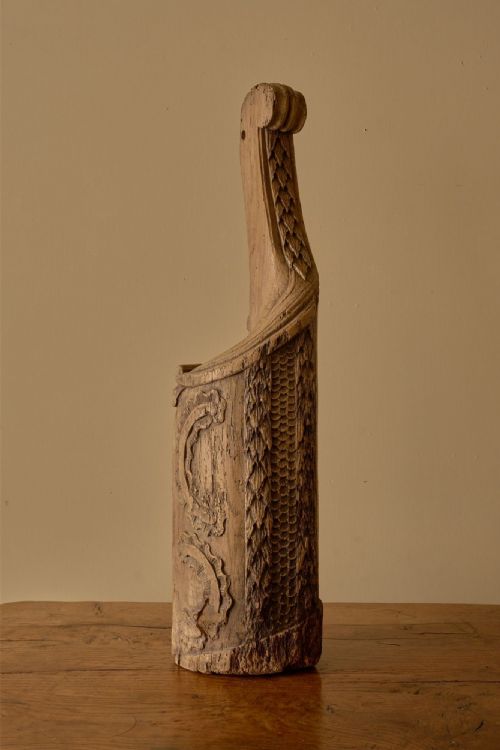
A carved wooden hand is a sculptural object shaped by hand from various timbers, often appearing within folk art traditions and decorative items. These pieces range from utilitarian items like knitting sheaths to pure decorative carvings originating across the nineteenth and early twentieth centuries.
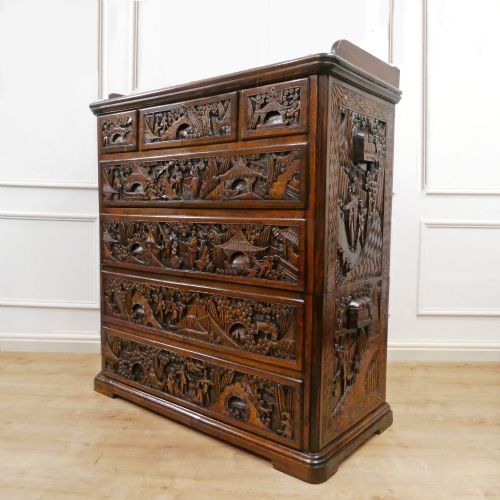
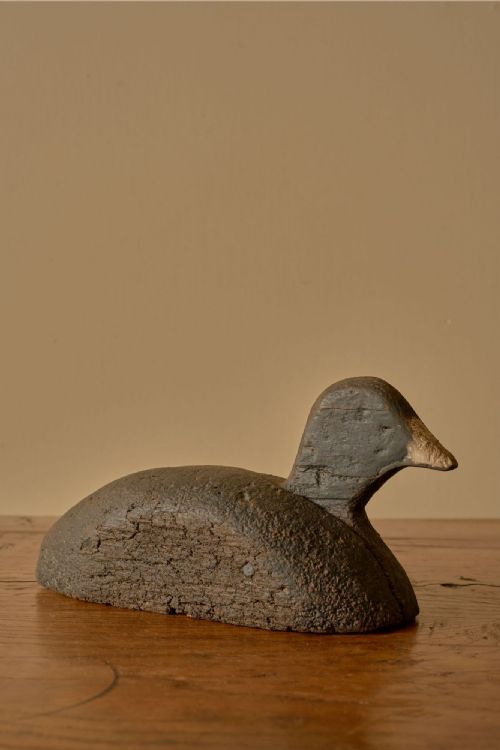
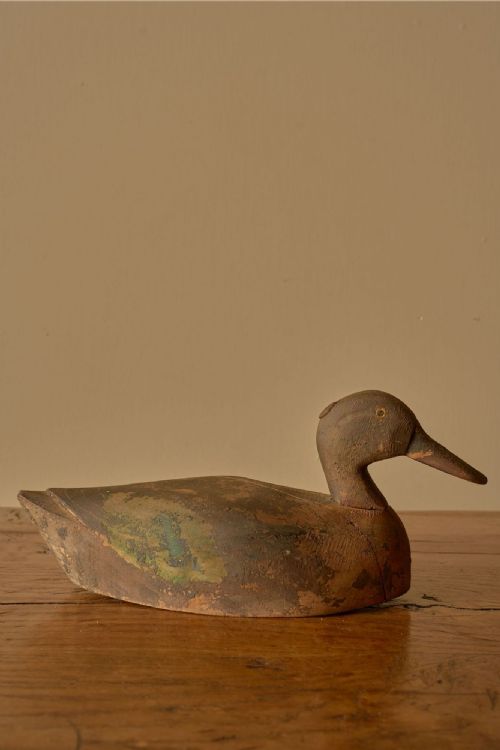
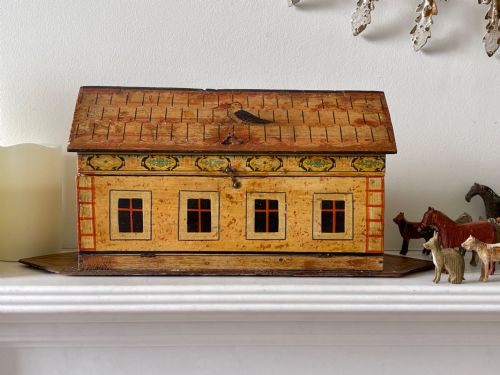
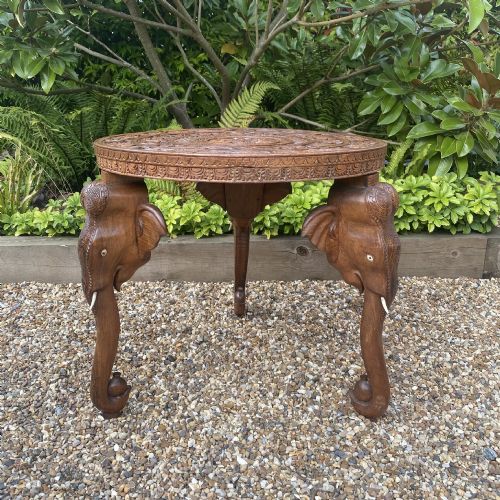
Buyers encountering this phrase often find items associated with broader vernacular woodcarvings, including figures, animals, and architectural fragments. The selection reflects diverse regional workshops spanning European folk traditions to Anglo-Indian craftsmanship.
Materials and construction
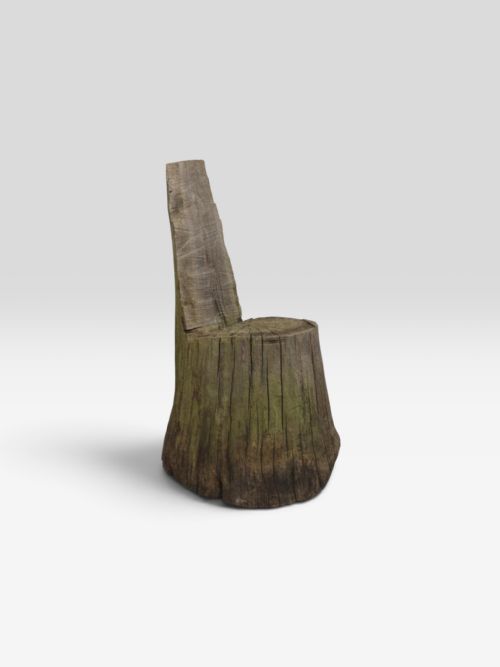
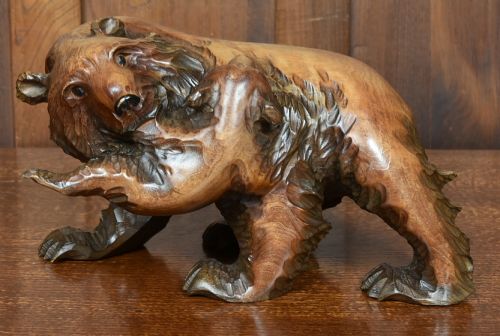
Makers utilised available hardwoods and softwoods, frequently selecting walnut, oak, and linden wood for their grain and stability. Hand tools such as gouges and chisels shaped the timber directly from solid blocks or trunk sections.
Surface finishes include applied paint, polished wax, and natural patination developed through handling and age. Details were hand-incised or shaped to accentuate the tactile qualities of the grain.
Listings featuring this search phrase draw from nineteenth and early twentieth-century periods, encompassing walnut, oak, and painted surfaces.
Assessing quality
Quality rests in the anatomical accuracy or the expressive charm of the carving, distinguishing confident handwork from stiffer execution. The depth of the relief and the crispness of the tool marks define the skill of the carver.
Condition matters, particularly the preservation of the original surface patina and the absence of structural shrinkage splits in the wood. Pieces retaining their early paint or untouched beeswax finish command greater interest.
The Carved Wooden Hand Glossary
- Folk art
- Objects created by self-taught or traditional artisans outside formal academic traditions. These pieces prioritise utility or charm over strict academic proportion.
- Treen
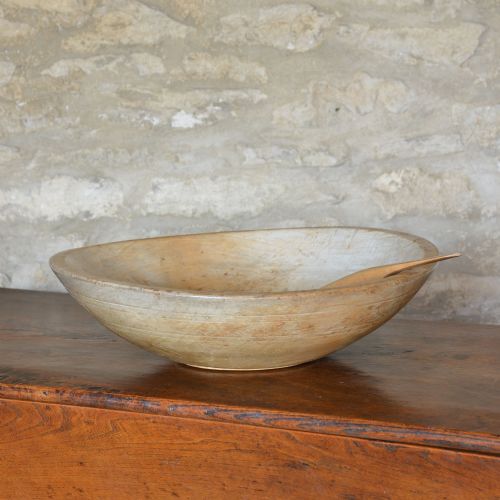
- Small handmade wooden household objects intended for everyday use. Examples include ladles, boxes, and knitting sheaths shaped by turners and carvers.
- Patina
- The surface sheen and colour developed on wood through age, wear, and handling. A rich patina indicates long-term care and natural ageing.
- Polychrome
- Painted in several colours. This surface treatment appears on figurative sculptures and folk carvings to add realism or decoration.
Carved Wooden Hand: Frequently Asked Questions
What were carved wooden hands used for?
These items served various decorative and functional purposes within domestic and regional settings, often functioning as display pieces or specialised tools.
Their exact role depends on the specific carving style and the traditions of the workshop that produced them.
How do I care for antique wood carvings?
Keep wooden objects away from direct sunlight and sudden temperature shifts to prevent the timber from drying out or splitting.
Apply a light coat of microcrystalline wax occasionally to protect the surface without building up sticky residues.
How can I tell the age of a wooden carving?
Examine the tool marks left by the carver, as hand-wrought incisions differ significantly from modern machine production.
Inspect the dry nature of the timber and the depth of the surface patina accumulated over decades.
Are these carvings solid wood?
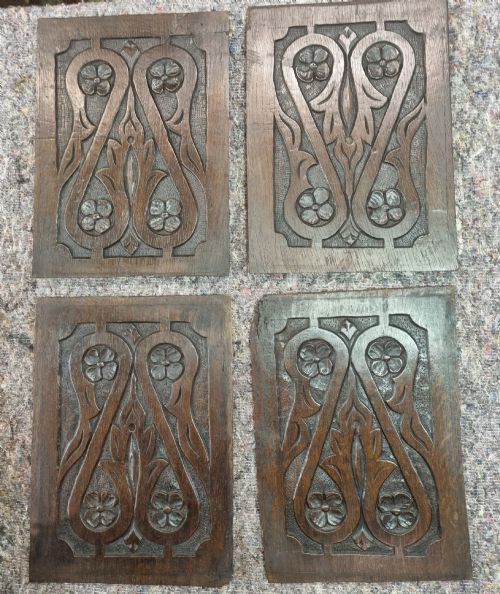
The pieces recorded in these traditions are shaped from solid blocks, trunks, or assembled panels of timber rather than veneers.
This solid construction allows for deep relief carving and natural ageing throughout the core material.