




Carved Wooden Frame Painting
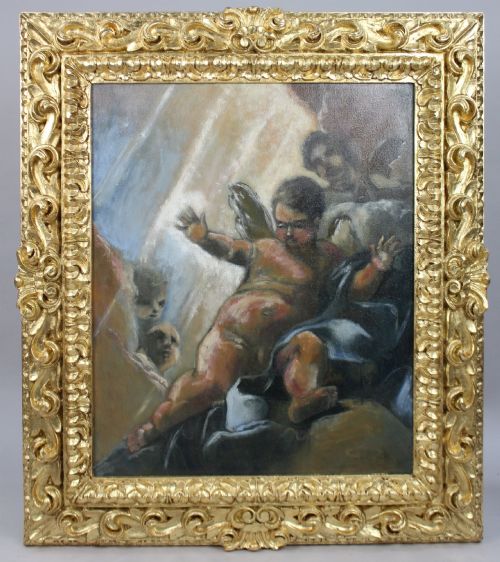
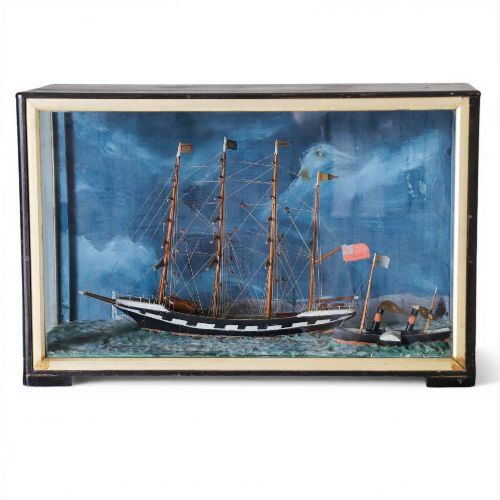
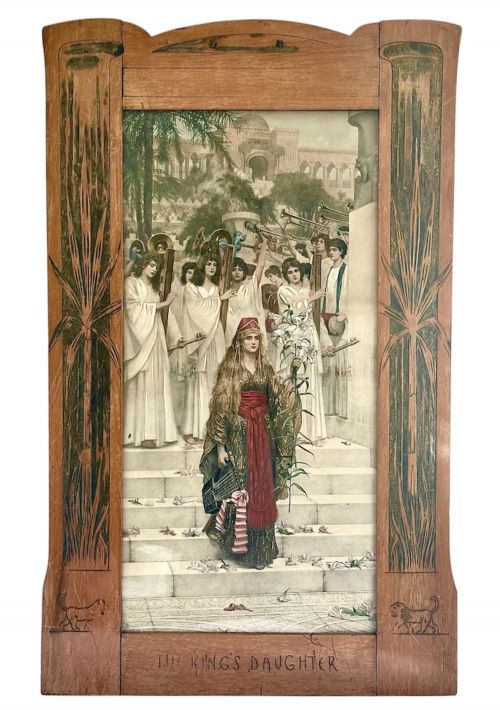
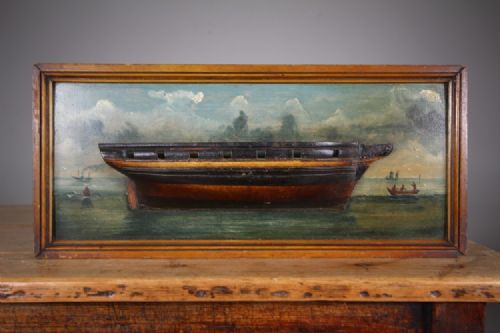
These pieces unite carved wooden frame painting across diverse periods, bringing together structural timber and applied pigment for interior settings.
Carved Wooden Frame Painting
A carved wooden frame painting brings together structural timber supports and painted canvases, panels, or boards, often found within nineteenth century or early twentieth century contexts.
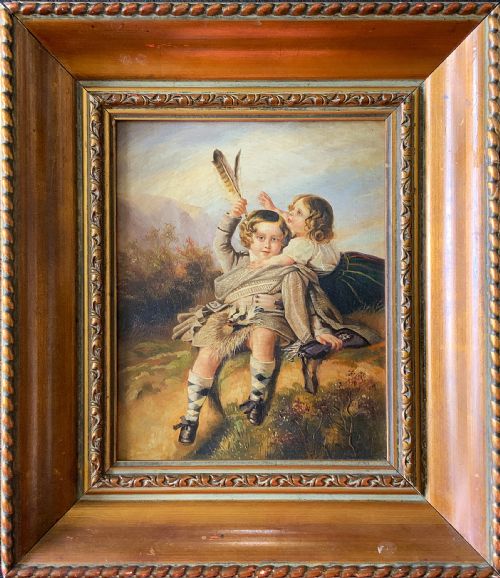
Buyers encounter oil paintings, watercolours, and mixed media works housed in intricately worked wood, gesso, and gilt housings.
The selections span English, French, and Italian origins, ranging from domestic portraits to landscape scenes and architectural overdoor panels.
Materials and construction
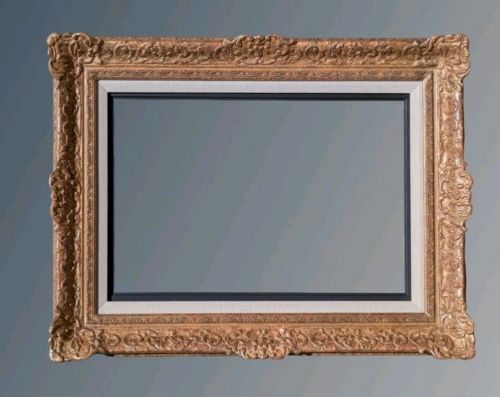
Makers shaped solid timber using traditional hand-carving techniques, building up profiles with gesso before applying paint, gold leaf, or giltwood finishes.
Canvases and boards received oil or watercolour pigments, secured within rebated wooden mouldings that protected the artwork while adding decorative weight.
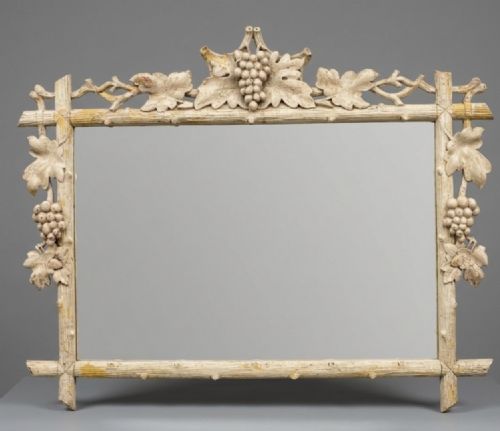
Object forms span picture frames, wall art, oil paintings, and mirrors originating from French, English, and Italian makers.
Judging quality in frames and paintings
Quality rests in the crispness of the wood carving and the harmony between the frame's style and the artwork it encloses.
Depth of gesso work, retention of original gold leaf, and the skill evident in the brushwork separate standard decorative items from finer examples.
Miles and Edwards·White Allom and Co·Maple and Co
The Carved Wooden Frame Painting Glossary
- Gesso
- A plaster-like mixture applied to wood frames to create a smooth surface for gilding or painting. It allows carvers to achieve sharp relief details.
- Giltwood
- Wood that has been coated with thin sheets of gold leaf. This finish reflects light and highlights carved decorative motifs.
- Oil on canvas
- Pigment mixed with drying oils applied to a stretched cloth support. It forms the primary medium for many period paintings.
- Overmantle
- A large mirror or painting designed to be hung specifically above a fireplace mantel. These pieces often feature substantial carved frames.
- Rococo
- A decorative style characterised by asymmetry, scrollwork, and organic plant motifs. It heavily influences many nineteenth century frame designs.
Carved Wooden Frame Painting: Frequently Asked Questions
How do I hang a heavy carved wooden frame painting safely?
Heavy carved frames require robust wall fixings anchored directly into structural studs or masonry rather than standard plasterboard hooks. Utilising two load-bearing brackets distributes the substantial weight evenly across the wall.
Ensure the hanging wire or integrated D-rings on the reverse are securely fastened to the wooden frame structure itself rather than relying on older, degraded fixings.
Can I clean the carved wooden frame without damaging the paint?
Dust accumulated within the recesses of carved wooden frames should be removed gently using a soft-bristled artist's brush or dry microfibre cloth. Avoid applying moisture or chemical cleaning agents directly to painted or gilded surfaces.
Professional conservation advice is recommended if the gesso or gold leaf shows signs of flaking or instability during maintenance.
What interior settings suit these framed paintings best?
These works suit period living spaces, hallway overmantles, or traditional drawing rooms where their architectural presence complements existing wooden furniture and moulding. They serve as focal points above mantelpieces or console tables.
Positioning them away from direct sunlight protects both the painted canvas surface and the underlying wooden frame from drying out.
How can I tell the period of a carved wooden frame?
Dating relies on examining the tool marks left by carvers on the reverse of the wood, the composition of the underlying gesso layers, and the specific stylistic vocabulary of the carving. Nineteenth century interpretations often revive earlier Rococo or Renaissance motifs.
Wear patterns around the hanging points and the type of fixings used also provide reliable clues regarding the age of the piece.