
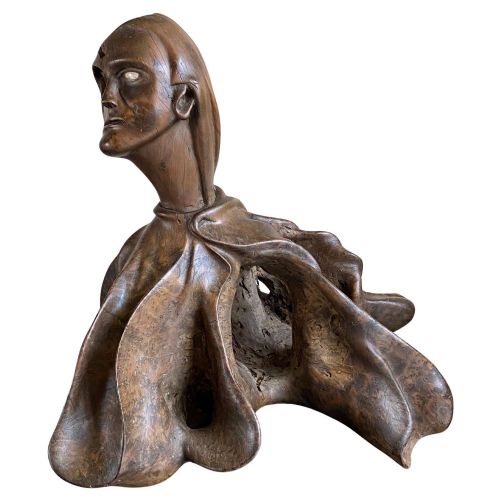


Carved Wooden Form
These pieces under carved wooden form bring together everything from folk art sculptures and animals to utilitarian hat blocks shaped from solid timber.

Carved Wooden Form
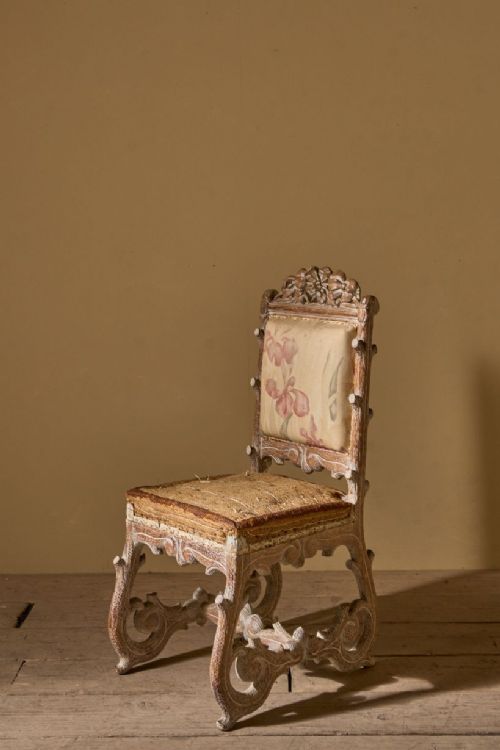
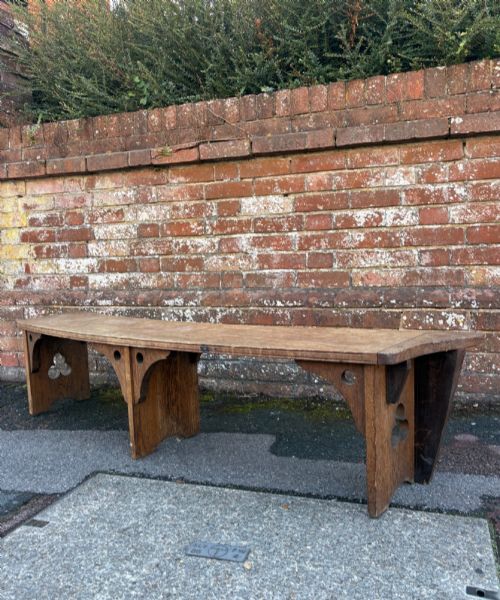
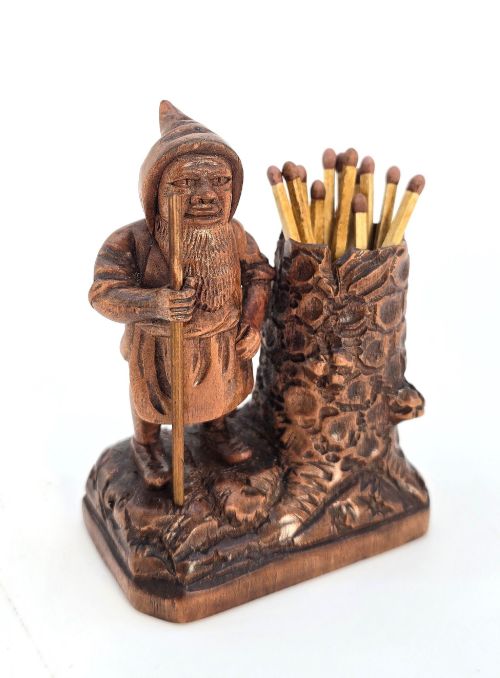
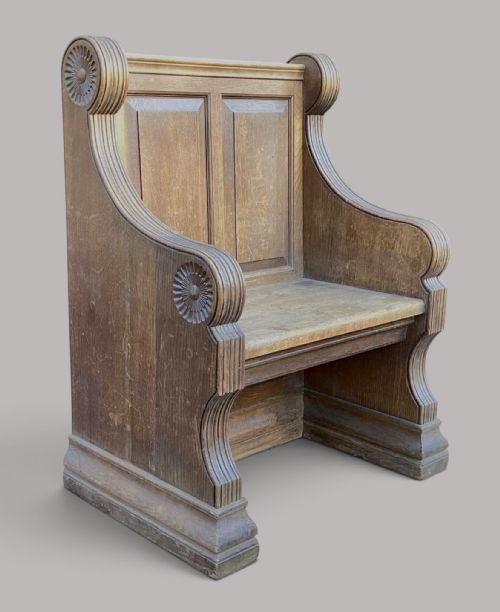
A carved wooden form encompasses a diverse group of objects where timber is shaped into figures, animals, architectural structures, and everyday items. When searching for this phrase, you encounter everything from whimsical Black Forest bears and owls to utilitarian milliner hat blocks and architectural hall seats.
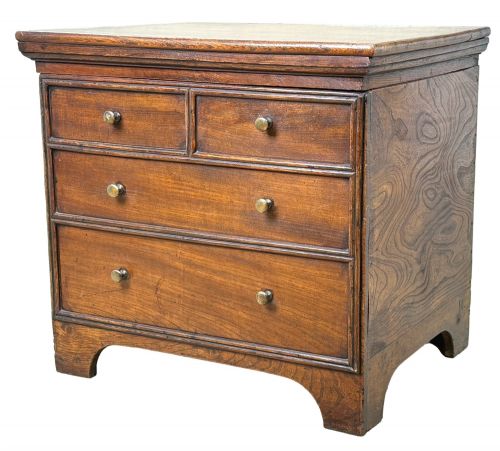
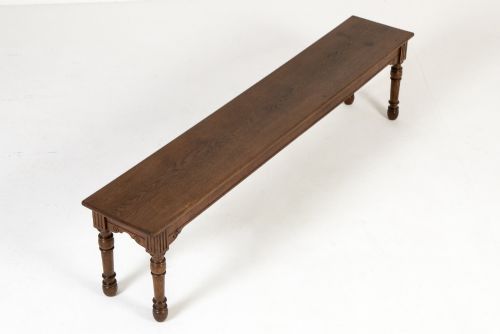
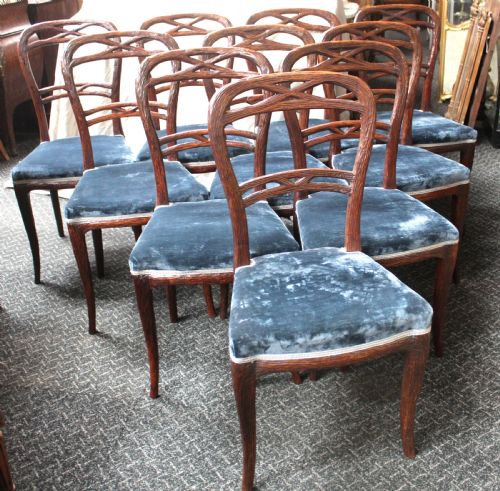
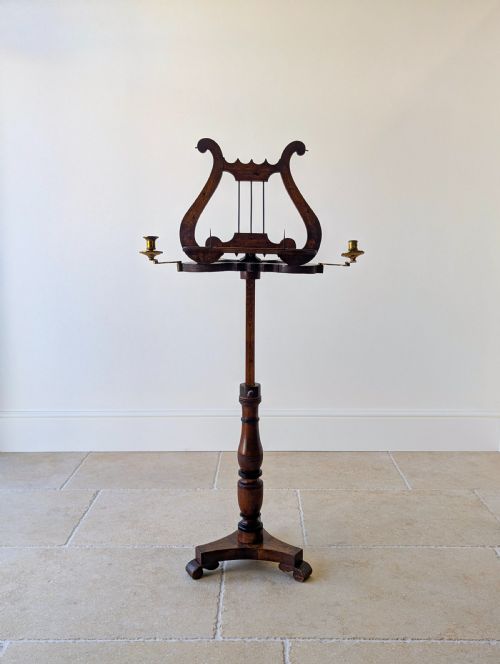
The selection ranges across multiple centuries, featuring 17th-century Gothic oak stools, Georgian elm close stools, and various 19th-century works. Folk art traditions blend with formal Regency and Gothic Revival styles, producing items that served both practical daily uses and purely decorative functions.
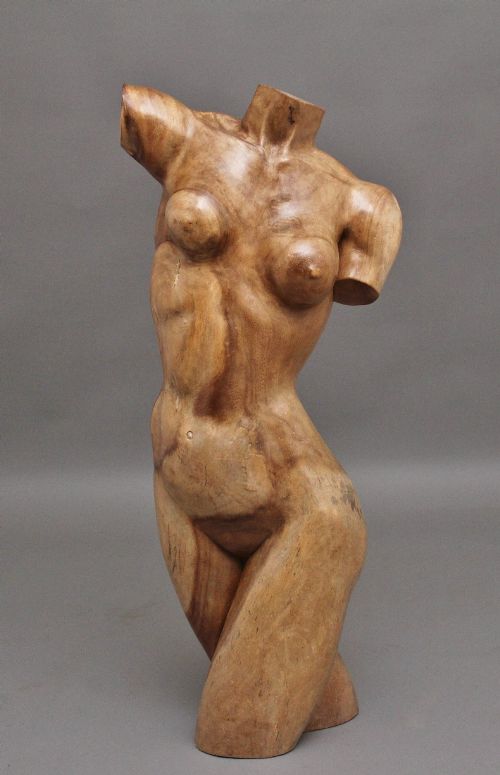
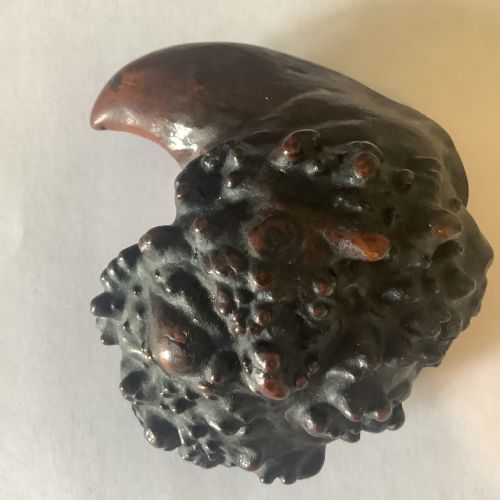
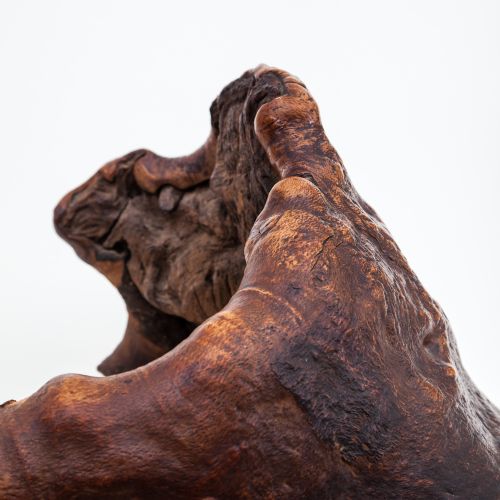
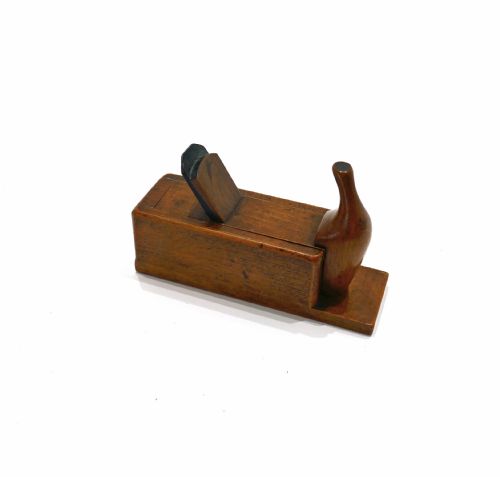
Objects on this page extend to small treen snuff boxes carved as hands or books alongside life-size human torsos and natural root sculptures. The unifying element across all these items is the deliberate shaping of wood into a distinct physical configuration.
How they were made
Craftsmen utilised a wide variety of timbers depending on the object's purpose and regional tradition, choosing oak and walnut for sturdy furniture, fruitwood and limewood for detailed carving, and burr walnut, yew, and elm for their natural grain patterns and knots. Solid wood blocks provided the blank canvas for large sculptures and hat forms, while smaller treen boxes required dense fruitwoods capable of holding fine lines.
Techniques combined hand chiselling, chip carving, and turning on a lathe, often enhanced by inlay work using contrasting materials such as brass or light woods. Black Forest pieces demonstrate deep relief cutting in linden wood, whereas folk art items rely on direct, robust knife work to shape figures and animals from single logs.
Among the carved animals, an oak owl stands ready alongside barking hounds and a brown bear holding a tobacco box.
What varies in quality
The standard of a carved wooden form rests upon the crispness of the chisel work and the natural character of the timber selected. Superior pieces display anatomical accuracy in figures and animals, or precise symmetry in architectural forms, without losing the tactile warmth of the grain.
An object's quality also depends on the depth of the patina built up through handling and age. Pieces that retain their original surface texture, whether polished yew or untreated fruitwood, show greater integrity than those stripped or overly restored.
Freemans of Norwich
The Carved Wooden Form Glossary
- Treen
- Small handmade wooden domestic objects. These items range from pocket snuff boxes to utilitarian kitchenware shaped with utilitarian skill.
- Faux Bois
- Simulated wood grain or wooden appearance applied to non-wood materials or painted onto surfaces. This style mimics natural timber forms through artistic technique.
- Cellarette
- A lockable container used for holding bottles of wine or spirits. They frequently took architectural sarcophagus or box forms during the Regency period.
- Milliner Hat Block
- A solid wooden form used by hatters to shape millinery. They are carved from dense beech or fruitwood to withstand repeated pressing.
- Black Forest
- Carved wooden ornaments produced in the Swiss and German border regions during the nineteenth century. These items typically depict realistic animals and foliage.
Carved Wooden Form: Frequently Asked Questions
What is a carved wooden form?
A carved wooden form refers to any object shaped from timber, ranging from functional items like hat blocks and cellarettes to decorative sculptures and animal carvings.
These pieces draw on centuries of woodworking traditions, incorporating styles from Gothic Revival to nineteenth-century folk art.
How were antique hat blocks used?
Milliners and hatters used solid wooden forms to shape, stretch, and store hats made from felt, straw, or fabric.
Because they were working tools subjected to daily pressure, they were carved from durable hardwoods like beech and fruitwood.
What is treen?
Treen encompasses small, functional wooden objects intended for the home, such as snuff boxes, match holders, and inkstands.
Collectors prize these items for their tactile surfaces, inventive shapes, and the skill required to carve them from dense woods.
How do I identify Black Forest carvings?
Black Forest carvings are distinguished by their naturalistic depictions of animals, particularly bears, hounds, and deer, executed in linden wood or walnut.
Originating in Central Europe during the nineteenth century, these pieces often function as humidors, inkwells, or small side tables.