



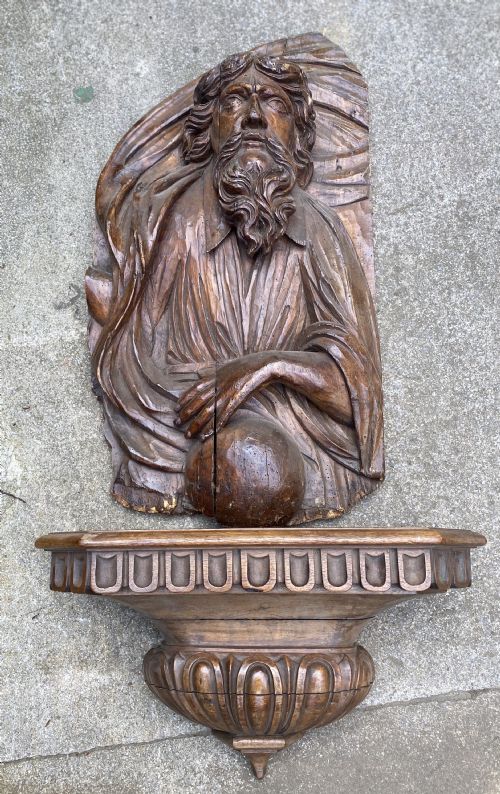
Carved Wooden Figure Relief
Carved wooden figure relief panels and sculptures bring centuries of sculptural craft into interiors through rich textural depth.
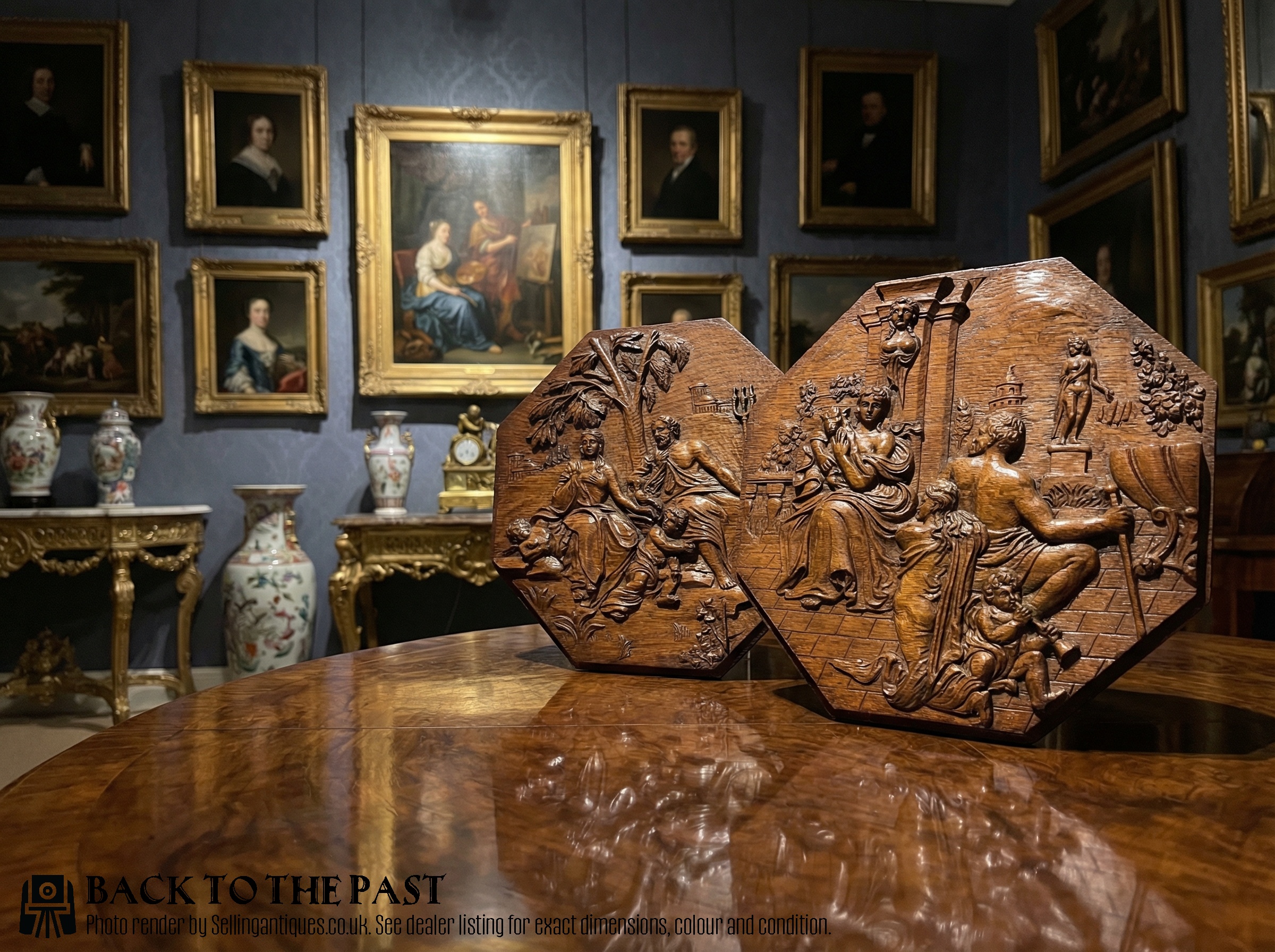
Carved Wooden Figure Relief
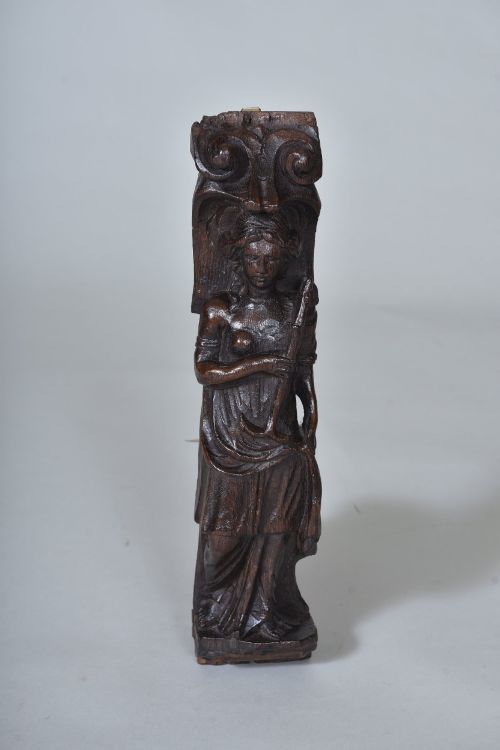
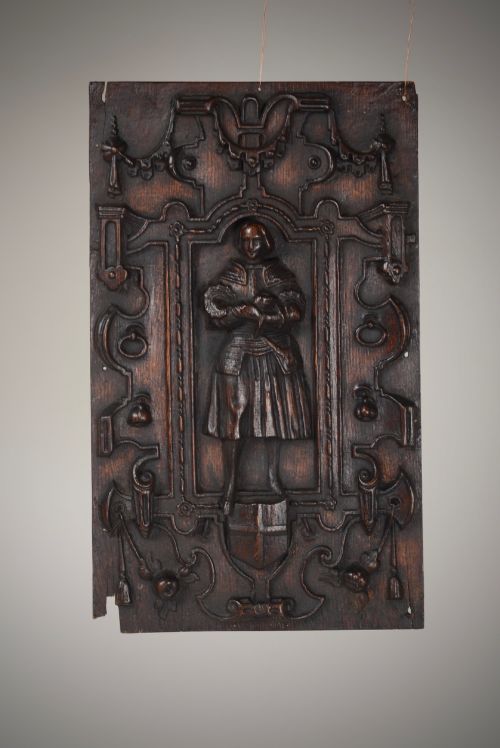
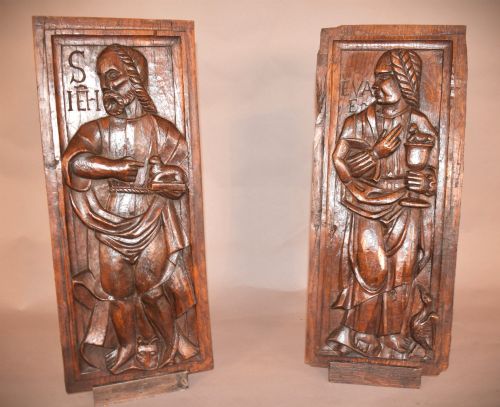
A carved wooden figure relief presents sculptural forms projecting from a flat wooden background, spanning centuries of global craftsmanship. Buyers exploring this category encounter diverse regional traditions, from seventeenth-century European ecclesiastical oak panels to nineteenth-century Chinese polychrome wood carvings and African marriage figures.
The objects take many forms, including architectural salvage, wall plaques, decorative fragments, and matched pairs of figurative panels. Oak and walnut dominate the European works, while Asian and tropical pieces utilise stained hardwoods or incorporate pigment and gold leaf.
Earlier pieces frequently depict religious figures, saints, or classical scenes, whereas later nineteenth-century examples introduce ritual deities, fairground fragments, and domestic or narrative garden scenes.
Materials and technique
Carvers shaped these works using dense timbers such as oak, walnut, chestnut, and various hardwoods, executing deep and shallow cuts to build dimensional relief. Tools left visible chisel marks across the timber, establishing the physical texture of the surface.
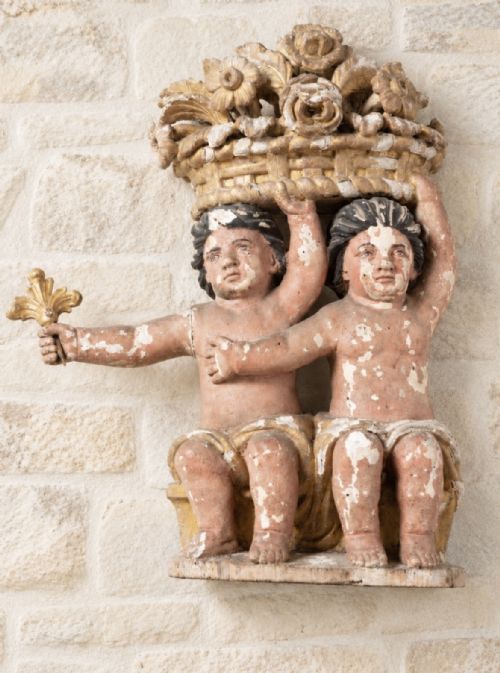
Many historical panels received surface treatments including gesso, gold leaf, polychrome paint, and natural pigments to enhance the visual impact of the carved figures. Subsequent handling and ageing develop a characteristic patina across the exposed wood and remaining paint layers.
Carved Wooden Figure Relief Retail Price Guide 2026
Typical asking prices for carved wooden figure relief among the pieces listed under this phrase on Sellingantiques today, from the lower quarter to the upper quarter. They describe what is for sale here now, not the wider market.
Materials across the selection range from European oak and walnut to Asian polychrome wood, gold leaf, and stained tropical hardwoods.
Assessing quality and depth
Quality rests in the precision and confidence of the carving, where master hands achieve expressive anatomical detail and fluid drapery within the wood. The depth of the relief work contributes to the visual power, separating dynamic high-relief sculptures from flatter decorative panels.
The preservation of original surface finishes, such as early polychrome pigment, gilding, and uncompromised patina, elevates the significance of a piece. Surviving structural integrity across architectural fragments and figure groups also distinguishes finer examples from heavily restored works.
The Carved Wooden Figure Relief Glossary
- Polychrome
- Decoration applied using multiple colours of paint. This finish frequently survives on historical religious carvings and Asian ritual figures.
- Gesso
- A plaster-like mixture applied to wood surfaces as a preparation for gilding or painting. It provides a smooth base for gold leaf application.
- Herm
- A sculptural bust or figure supported on a pillar or tapered pedestal. These architectural elements appear in pairs from the early nineteenth century.
- Patina
- The surface sheen and colour developed through age, handling, and oxidation. A good patina indicates genuine historical wear.
Carved Wooden Figure Relief: Frequently Asked Questions
Where were these carvings originally displayed?
Many historical relief carvings originated within churches, cathedrals, or grand secular architecture as panelling or structural elements. Others served as decorative wall plaques, furniture components, or ritual objects within homes and temples.
Over time, these architectural elements and panels were salvaged and adapted for domestic display as standalone wall art.
How do I care for antique wood carvings?
Keep wooden reliefs away from direct heat sources, strong sunlight, and fluctuating humidity to prevent the timber from splitting or warping. Dust gently with a dry, soft brush rather than using liquid polishes or damp cloths.
Preserving original surfaces like polychrome paint and gesso requires minimal interference and stable indoor environmental conditions.
How can I distinguish European oak from Asian hardwoods?
European oak and walnut pieces typically exhibit visible grain patterns with prominent medullary rays typical of temperate timbers. Asian and tropical carvings often utilise denser, heavily stained hardwoods or feature layered polychrome pigments over softer woods.
Stylistic conventions also help identify origins, such as Gothic ecclesiastical motifs in European works versus traditional iconography in Chinese or African pieces.
Are these panels meant to hang on walls?
Most pieces function effectively as wall art, plaques, or architectural panels designed for vertical display. Heavier figure groups and freestanding fragments require secure mounting brackets suited to their weight and depth.
Checking the reverse of each panel reveals original hanging points, mortise holes, or flat surfaces adapted for modern wall hanging.