


Carved Wooden Elephant Table
A carved wooden elephant table brings remarkable colonial character and intricate animal motifs into a room, making it a distinct conversation piece.
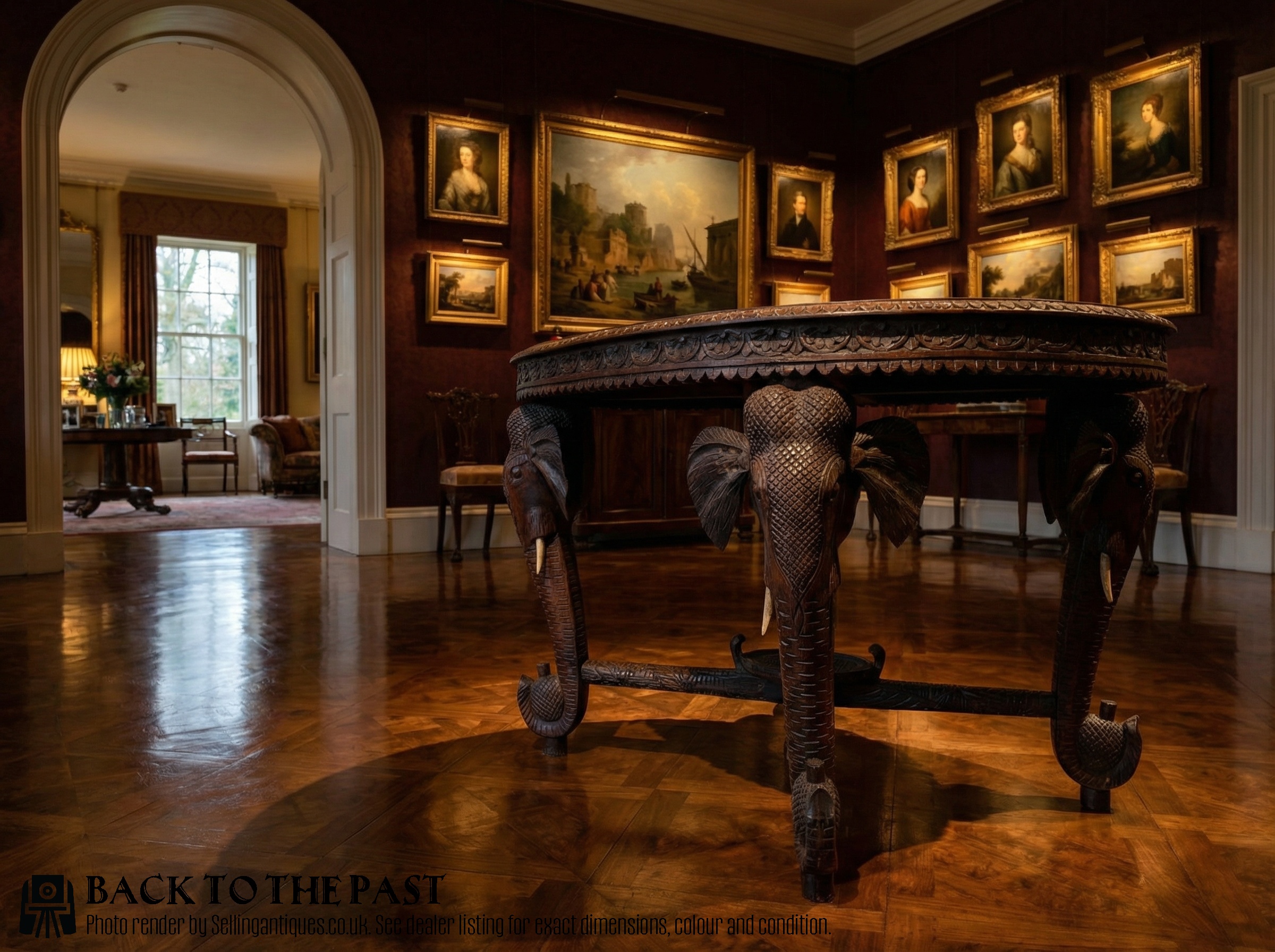
Carved Wooden Elephant Table
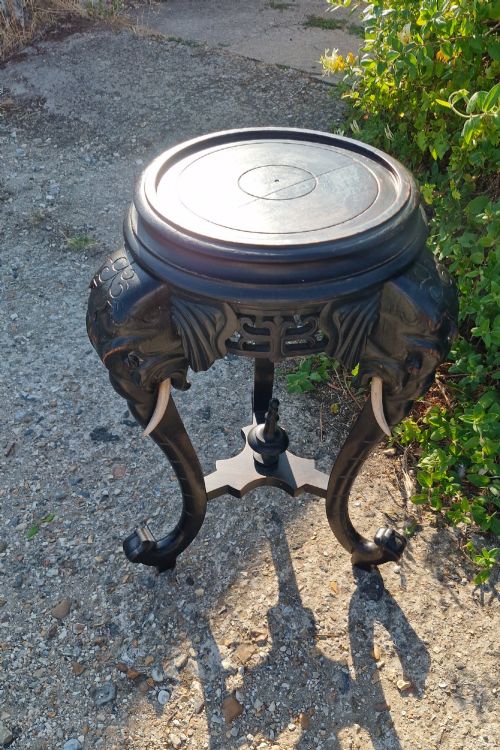
A carved wooden elephant table is a decorative and functional form most frequently encountered in side tables, occasional tables, and coffee tables dating from the late nineteenth century to the early twentieth century. These pieces emerge primarily from Anglo-Indian, Anglo-Burmese, and Asian colonial traditions, showcasing regional craftsmanship through animal figures supporting tabletops.
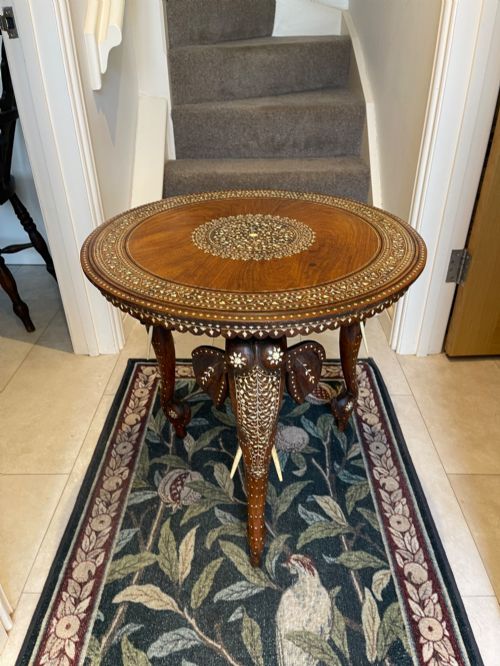
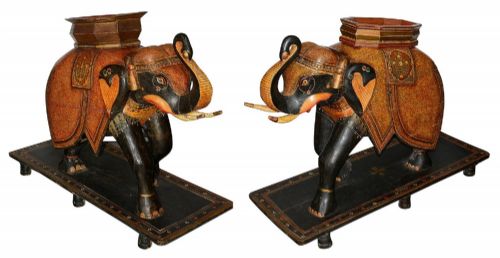
Buyers will find variations ranging from octagonal and rectangular side tables to circular occasional pieces and nest sets. The structural design typically incorporates sculpted elephant figures, sometimes with painted or wooden tusks, forming the legs or central support of the stand.
How they were made
Artisans constructed these pieces using dense timbers such as teak, rosewood, and general hardwood, often enhancing the surfaces with detailed carving. Regional workshops also utilised bone inlay and painted wood details to accentuate the intricate flora and fauna motifs adorning the structure.
The construction relies on traditional joinery methods suited to solid woods, allowing intricate relief carving on tabletops and sculpted supports. Lacquer and natural finishes were frequently applied to protect the wood while highlighting the grain and depth of the carved elements.
Several elephants stand ready with hand-painted wooden tusks, ensuring nobody loses a piece in transit.
What varies in quality
The choice of material heavily dictates the standard of the piece, with solid rosewood and teak outlasting softer painted woods. The integration of specialised techniques like bone inlay further elevates an item, separating standard production from exceptional regional craftsmanship.
The Carved Wooden Elephant Table Glossary
- Anglo-Indian
- A style of furniture produced in India during the British colonial period, combining traditional local craftsmanship with European forms. This aesthetic defines many of the intricate occasional tables found today.
- Hoshiarpur
- A region in Punjab known for intricate woodwork and specialised inlay techniques. Pieces from this area frequently feature detailed bone or wire embellishments.
- Bombay Presidency
- A historical administrative division of British India associated with specific regional furniture designs. Tables from this origin often display octagonal tops and dense geometric carving.
- Occasional table
- A small, movable table designed for specific, intermittent use rather than central dining. These include compact stands and side surfaces.
Carved Wooden Elephant Table: Frequently Asked Questions
Where should I place an elephant table?
These tables suit hallways, living rooms, and studies as occasional surfaces or plant stands. Their distinct profile allows them to function effectively as standalone decorative statements in compact spaces.
Position the piece away from direct heat sources to protect the solid hardwood and any delicate inlay work from drying out over time.
How do I identify a Victorian piece?
Look for dense tropical hardwoods like teak or rosewood combined with nineteenth-century joinery methods. Evidence of British colonial production often points towards this timeframe.
Pay attention to the specific motifs and regional styles mentioned in the listing to confirm the nineteenth-century origins of the timber.
Are the tusks always original?
Many surviving examples feature wooden or painted tusks integrated directly into the carved elephant heads. Replacements do occur due to the fragile nature of protruding elements.
Inspect the material consistency between the tusks and the main body to understand the restoration history of the table.
What woods were commonly used?
Teak and rosewood form the primary structural materials for these tables, chosen for their durability and rich grain. Some examples also incorporate painted wood finishes.
Regional workshops utilised whichever dense hardwoods were locally abundant, ensuring the tables could support heavy tabletops.