
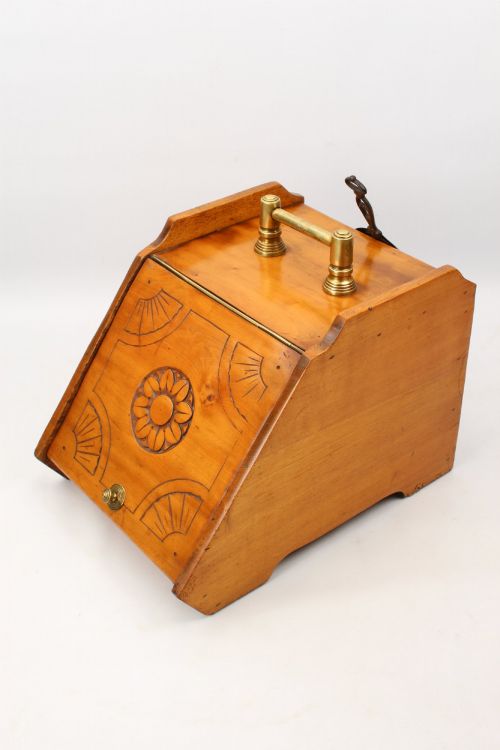


Carved Wooden Coal Box
These carved wooden coal box examples bring utilitarian fireside storage into domestic rooms with robust timber and considered ornament.
Carved Wooden Coal Box
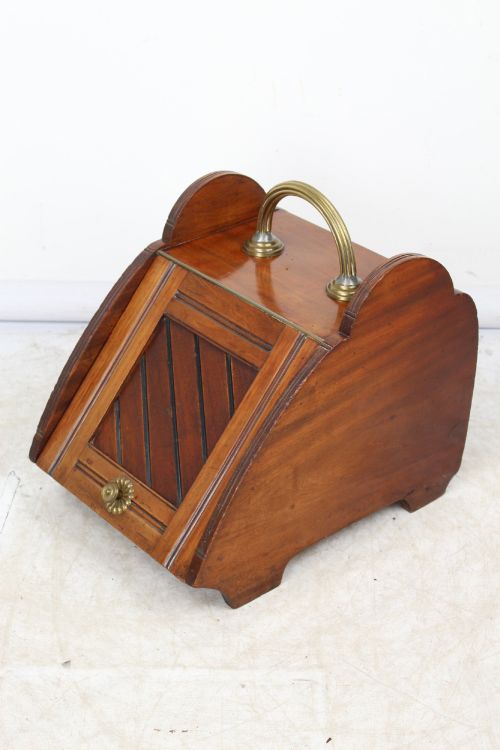
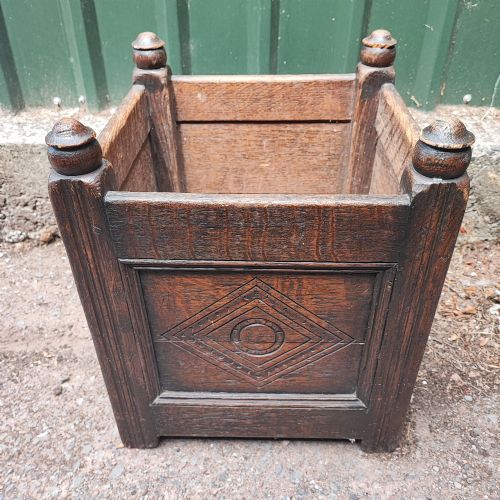
A carved wooden coal box serves as a functional fireside fuel store designed to keep coal or logs contained beside the hearth. These receptacles appear frequently in Victorian and Edwardian guises, ranging from simple country oak bins to elaborate purdoniums with sloping fronts.
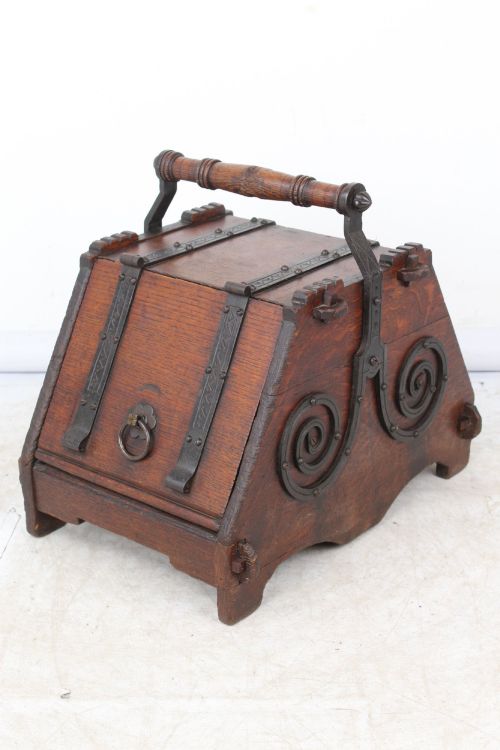
Most iterations encountered on this page date from the nineteenth century into the early twentieth century. Common forms include traditional scuttles, purdoniums with interior metal liners, and heavy oak or mahogany boxes detailed with brass handles and carved panels.
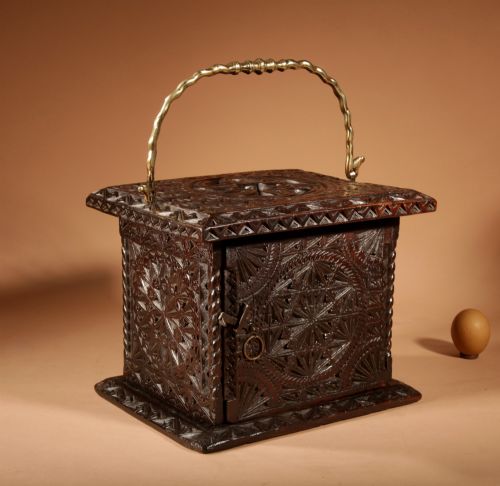
Regional variations and stylistic influences emerge across the selection, touching upon Gothic Revival, Frisian folk art, and Louis XV Revival aesthetics. Buyers select these pieces to anchor a traditional fireplace scheme with genuine period utility.
Materials and construction
Cabinetmakers constructed these fireside containers primarily using dense hardwoods such as oak, mahogany, and walnut. These timbers withstand daily knocks while providing a stable canvas for chip carving, embossed metal mounts, and applied mouldings.
Internal functionality relies on fitted metal liners, typically made from brass or galvanized iron, designed to hold coal dust and debris away from the wood. Brass hinges, drop handles, and matching shovels complete the hardware assembly.
Surface decoration ranges from geometric chip carving and deep relief panels to pressed copper and silver plate. Makers balanced sturdy joinery with ornamental facades to suit both formal parlours and rustic country hearths.
Functional fireside forms range from traditional scuttles and purdoniums to novelty pieces shaped like railway coal wagons and smokers' cabinets.
Assessing craftsmanship and condition
Superior examples distinguish themselves through crispness of timber carving and the integration of substantial brass hardware. Quality pieces retain their original metal liners and matching shovels, indicating careful domestic preservation.
Construction methods signal grade, with dovetailed carcases and heavy-gauge hinges outlasting simpler pegged or nailed joints. The choice of figured pollard oak or rich walnut elevates an ordinary utility box into a polished piece of furniture.
Christopher Dresser
The Carved Wooden Coal Box Glossary
- Purdonium
- A specialised coal cabinet featuring a drop-down or sloping front designed to dispense fuel cleanly onto the hearth. This form became popular during the Victorian period.
- Coal Scuttle
- A traditional fireside vessel with a hinged scoop handle used for carrying fuel. Early versions often incorporate a matching shovel tucked into side brackets.
- Gothic Revival
- An architectural and decorative style drawing inspiration from medieval forms. Pieces display pointed arches, heavy tracery, and solemn carved motifs.
- Chip Carving
- A primitive technique where small chips of wood are removed from a flat surface to create geometric patterns. This method appears on folk art and country pieces.
Carved Wooden Coal Box: Frequently Asked Questions
What is a purdonium?
A purdonium is a specific type of coal box featuring a sloping front door that drops down to reveal an interior metal bucket. This design allowed domestic staff to store and tip fuel without spilling dust onto the carpet.
Most purdoniums include a built-in compartment to hold a small metal shovel, keeping the fireside tidy and self-contained.
How do I clean a wooden coal box?
Dust the exterior timber regularly and feed the grain occasionally with a traditional beeswax polish to maintain the finish. Avoid using harsh chemical sprays on antique wood surfaces.
Lift out the metal liner separately when it needs a thorough wash, ensuring it dries completely before placing it back inside the wooden housing.
Are original metal liners common?
Original metal liners do survive in many period pieces, though some have been replaced over the decades due to rust and heavy wear. A surviving galvanized or brass liner adds authenticity to the box.
Inspect the interior floor of the wooden compartment to see if it shows water marks or staining where moisture once sat against unprotected timber.
How do I date a Victorian coal scuttle?
Examine the hardware, joinery style, and secondary woods to establish an approximate decade. Mid-Victorian examples often favour heavy mahogany and deep hand-carving, while later pieces lean towards lighter oak.
Look for patent stamps, registration numbers, or maker signatures on brass hinges and ceramic elements to narrow down the manufacturing date.